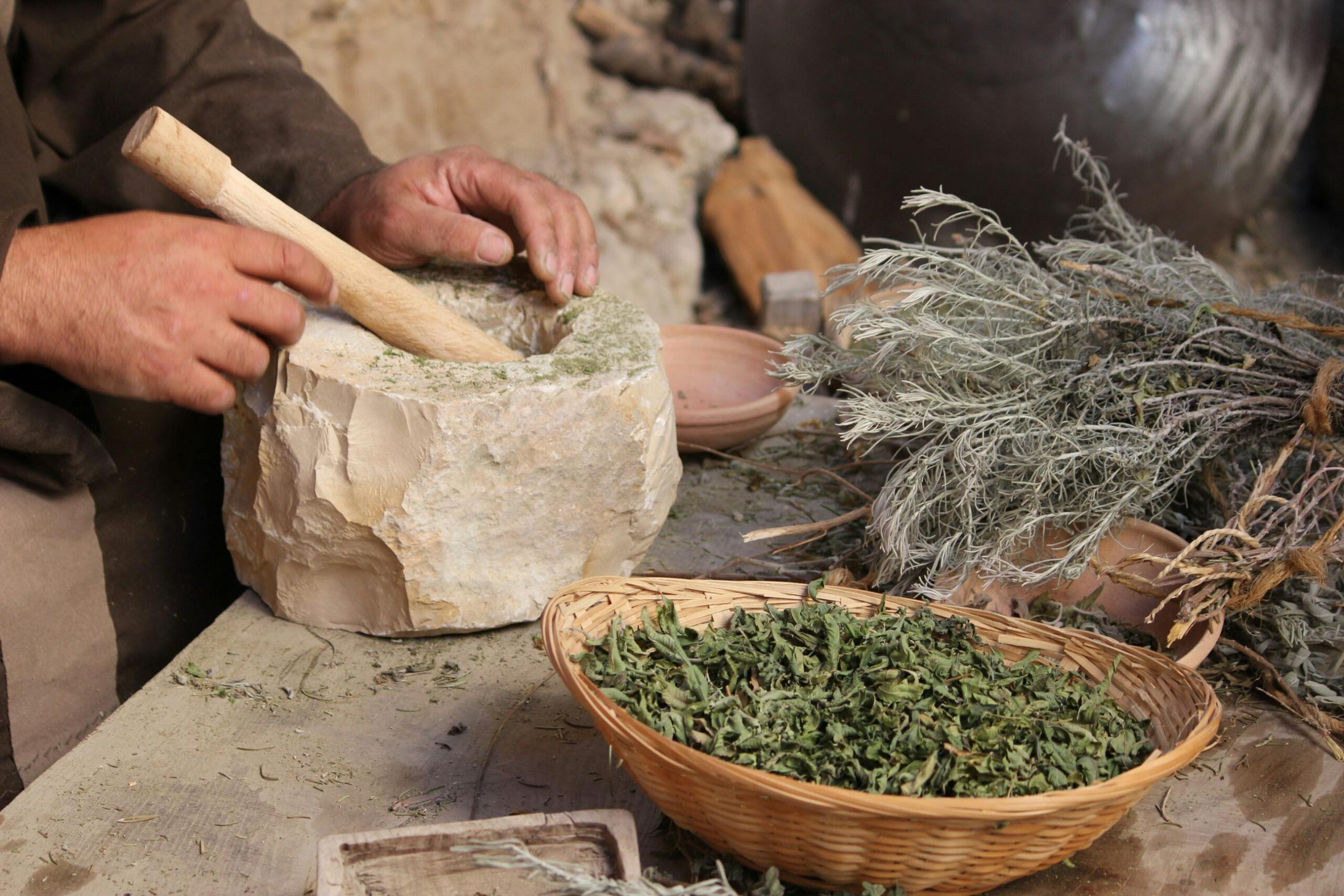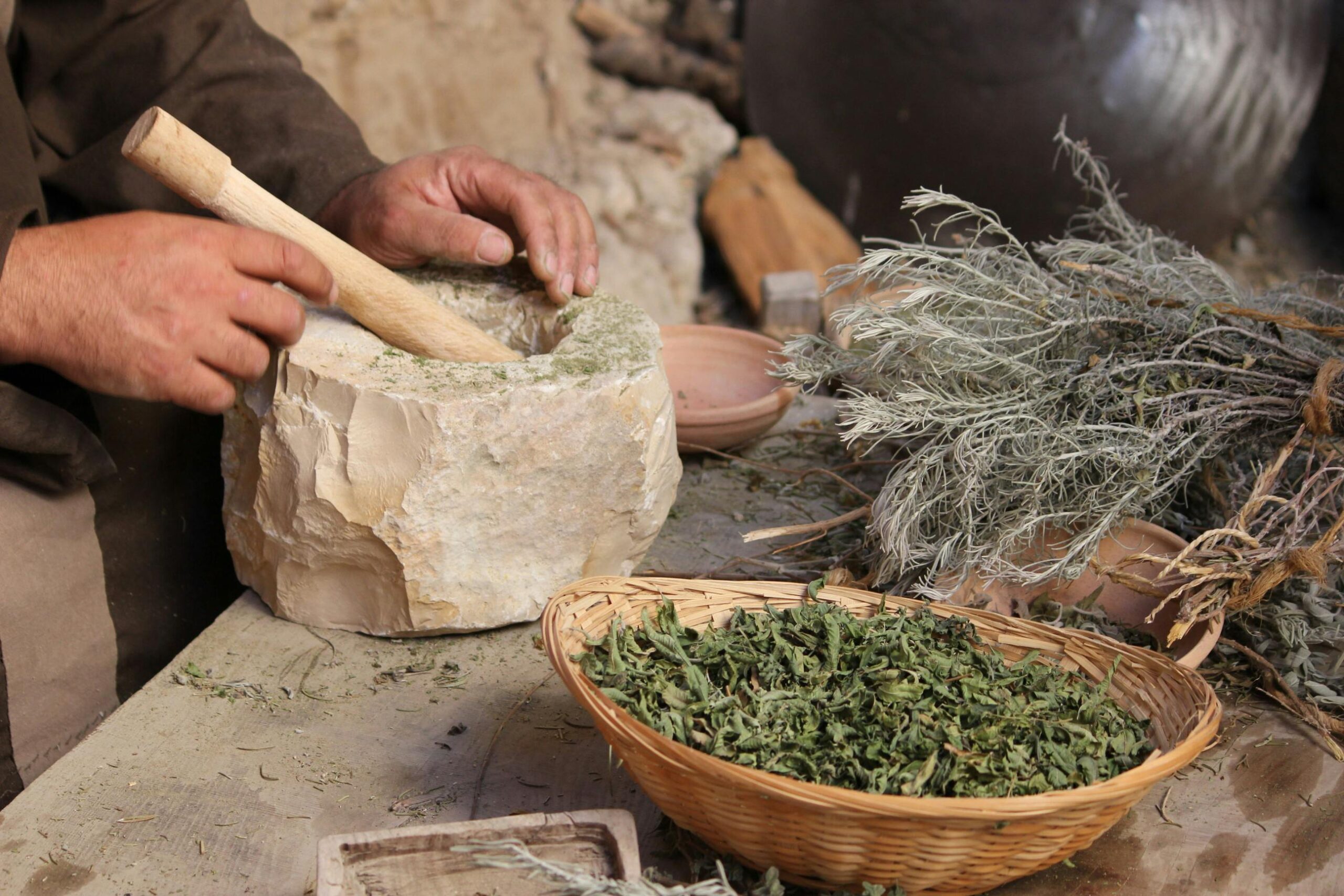
Modern herbal pharmacology bridges ancient wisdom with contemporary science, offering revolutionary approaches to health optimization through plant-based therapeutic interventions and evidence-based protocols.

🌿 The Renaissance of Botanical Medicine in Contemporary Healthcare
The landscape of healthcare is experiencing a profound transformation as herbal pharmacology reclaims its position at the forefront of integrative medicine. This resurgence isn’t merely a return to traditional practices but represents a sophisticated fusion of ancestral knowledge with cutting-edge scientific methodology. Researchers worldwide are now validating what indigenous cultures have known for millennia: plants contain powerful compounds capable of modulating human physiology in remarkable ways.
Contemporary herbal pharmacology employs advanced analytical techniques including high-performance liquid chromatography, mass spectrometry, and genomic profiling to identify and quantify active constituents within medicinal plants. These methodologies have revolutionized our understanding of how phytochemicals interact with human cellular mechanisms, receptor sites, and metabolic pathways. The result is a more precise, predictable, and safe application of botanical therapeutics.
The pharmaceutical industry itself acknowledges this paradigm shift, with approximately forty percent of modern medications deriving from plant sources. From aspirin’s origins in willow bark to the cancer-fighting compounds found in Pacific yew trees, nature continues to provide blueprints for therapeutic innovation. This convergence of traditional wisdom and modern science creates unprecedented opportunities for health optimization.
Understanding Phytochemical Complexity and Synergistic Actions
One of the most fascinating aspects of herbal pharmacology is the concept of phytochemical synergy—the principle that whole plant extracts often demonstrate greater therapeutic efficacy than isolated compounds. This phenomenon, sometimes called the “entourage effect,” challenges the reductionist pharmaceutical model that focuses on single active ingredients.
Plants contain hundreds or even thousands of bioactive compounds that work together in sophisticated ways. These include primary metabolites like proteins, carbohydrates, and lipids, alongside secondary metabolites such as alkaloids, flavonoids, terpenes, and phenolic compounds. Each constituent may modulate the absorption, distribution, metabolism, and elimination of others, creating complex therapeutic profiles.
Consider the example of St. John’s Wort, which contains hypericin, hyperforin, flavonoids, and numerous other compounds. While early research focused on hypericin as the primary antidepressant agent, subsequent studies revealed that hyperforin and other constituents contribute significantly to the plant’s overall therapeutic effect. This illustrates why standardized whole-plant extracts often outperform isolated constituents in clinical applications.
Key Phytochemical Categories and Their Mechanisms
Understanding the major classes of plant compounds empowers practitioners and consumers to make informed decisions about herbal therapeutics. Alkaloids, nitrogen-containing compounds found in plants like coffee, cocoa, and numerous medicinal herbs, often exert powerful effects on the nervous system. Morphine, caffeine, and nicotine represent well-known alkaloids that demonstrate the profound physiological impact this compound class can produce.
Flavonoids constitute another critical category, with over six thousand identified compounds exhibiting antioxidant, anti-inflammatory, and cardioprotective properties. These polyphenolic substances give many fruits and vegetables their vibrant colors while providing significant health benefits. Quercetin, found in onions and apples, demonstrates remarkable anti-inflammatory and immune-modulating effects.
Terpenes and terpenoids, the aromatic compounds responsible for the distinctive scents of herbs like lavender, rosemary, and eucalyptus, possess diverse therapeutic properties including antimicrobial, anti-inflammatory, and neuroprotective actions. The essential oil industry leverages these volatile compounds for both therapeutic and aromatic applications.
🔬 Evidence-Based Selection Criteria for Herbal Therapeutics
The transition from folklore to pharmacology requires rigorous evaluation criteria. Modern practitioners must navigate between traditional use patterns and contemporary clinical evidence, ensuring recommendations are both historically informed and scientifically validated. This balanced approach maximizes therapeutic benefits while minimizing potential risks.
The first consideration involves examining the quality and quantity of clinical research supporting a particular botanical’s use. Randomized controlled trials, systematic reviews, and meta-analyses provide the strongest evidence, though traditional use documentation and pharmacological studies also contribute valuable information. Databases like PubMed, the Cochrane Library, and the Natural Medicines Comprehensive Database offer accessible resources for evidence evaluation.
Quality control represents another critical dimension. Herbal products vary significantly in potency, purity, and composition depending on cultivation methods, harvesting timing, processing techniques, and storage conditions. Third-party testing organizations like USP, NSF International, and ConsumerLab provide independent verification of product quality, helping consumers identify reliable manufacturers.
Standardization and Bioavailability Considerations
Standardization ensures consistent levels of key active constituents across product batches, enabling predictable therapeutic outcomes. A standardized extract specifies the percentage of marker compounds—for instance, ginkgo biloba extracts typically contain 24% flavone glycosides and 6% terpene lactones. This standardization allows practitioners to prescribe specific dosages with confidence in their pharmacological effects.
Bioavailability—the proportion of an administered substance that reaches systemic circulation—significantly impacts herbal medicine efficacy. Many potent phytochemicals demonstrate poor bioavailability due to limited absorption, extensive first-pass metabolism, or rapid elimination. Modern formulation strategies address these challenges through various enhancement techniques.
Piperine, derived from black pepper, exemplifies a natural bioavailability enhancer. When combined with curcumin, the active constituent of turmeric, piperine increases curcumin absorption by up to 2000%. Similarly, lipid-based delivery systems, nanoparticle formulations, and phytosome technology significantly improve the bioavailability of otherwise poorly absorbed compounds.
Strategic Implementation: Dosing, Timing, and Duration
Effective herbal pharmacology requires sophisticated understanding of dosing principles that differ substantially from conventional pharmaceutical approaches. While synthetic medications typically employ weight-based dosing with narrow therapeutic windows, botanical medicines often demonstrate broader safety margins with dose-response relationships influenced by individual constitutional factors.
Traditional dosing wisdom emphasizes starting with lower doses and gradually increasing to optimal therapeutic levels—a principle modern pharmacology validates as prudent practice. This approach allows for individual tolerance assessment while minimizing adverse reaction risks. Acute conditions may require higher doses administered more frequently, while chronic maintenance protocols typically employ moderate doses over extended periods.
Timing considerations significantly impact herbal medicine effectiveness. Adaptogenic herbs like ashwagandha and rhodiola often work best when taken in the morning to support daytime stress resilience without interfering with evening relaxation. Conversely, sedative herbs like valerian and passionflower demonstrate optimal effects when consumed before bedtime. Fat-soluble compounds benefit from administration with meals containing dietary lipids, enhancing absorption.
Duration Protocols for Different Health Objectives
Acute interventions for conditions like cold and flu symptoms typically span seven to fourteen days, with herbal protocols designed to support immune function during the active infection period. Echinacea, elderberry, and andrographis represent commonly employed acute-phase botanicals with evidence supporting short-term use during respiratory infections.
Subacute protocols addressing conditions like mild anxiety, digestive discomfort, or sleep disturbances may extend four to twelve weeks, allowing sufficient time for herbs to exert modulatory effects on physiological systems. Many nervine and digestive herbs demonstrate cumulative benefits that become more pronounced with consistent use over several weeks.
Chronic maintenance protocols for cardiovascular support, cognitive enhancement, or metabolic optimization often continue indefinitely, with periodic reassessment to evaluate ongoing necessity and effectiveness. These long-term applications require careful attention to safety profiles, potential drug-herb interactions, and individual response patterns.
⚕️ Navigating Interactions: Herbs, Medications, and Nutrients
The complexity of herb-drug interactions represents one of the most critical considerations in modern herbal pharmacology. As botanical medicine integration into mainstream healthcare accelerates, understanding potential interactions becomes essential for safe, effective practice. These interactions may be pharmacokinetic, affecting drug absorption, distribution, metabolism, or elimination, or pharmacodynamic, involving additive, synergistic, or antagonistic effects.
Cytochrome P450 enzymes, the primary metabolic pathway for most pharmaceuticals, represent a common interaction site. St. John’s Wort, for example, induces CYP3A4 enzyme activity, accelerating the metabolism of numerous medications including oral contraceptives, anticoagulants, and immunosuppressants. This interaction can reduce drug efficacy to subtherapeutic levels, potentially causing treatment failure.
Conversely, some herbs inhibit metabolic enzymes, potentially increasing drug levels to toxic ranges. Grapefruit, though technically a food rather than an herbal medicine, famously inhibits CYP3A4, dramatically increasing blood levels of certain medications. Goldenseal, containing berberine, similarly inhibits several CYP enzymes, necessitating careful consideration when used alongside pharmaceutical agents.
Anticoagulant Interactions Requiring Vigilance
Individuals taking anticoagulant medications require particular caution with herbal supplements. Numerous botanicals possess antiplatelet or anticoagulant properties that may potentiate pharmaceutical anticoagulants like warfarin, potentially increasing bleeding risk. Ginkgo biloba, garlic, ginger, turmeric, and feverfew represent commonly used herbs with documented anticoagulant effects.
This doesn’t necessarily preclude their use but demands close monitoring, communication between healthcare providers, and potential medication dosage adjustments. Patients should maintain consistent herbal supplement regimens rather than sporadically starting and stopping products, as fluctuations can destabilize anticoagulation control.
Cultivating Excellence: Sourcing and Quality Assessment
The therapeutic potential of herbal medicines depends fundamentally on raw material quality, which varies dramatically based on botanical identity, geographical origin, cultivation practices, harvest timing, and post-harvest processing. Discriminating consumers and practitioners must develop expertise in quality assessment to ensure optimal therapeutic outcomes.
Botanical identification represents the foundational quality criterion. Species misidentification, whether accidental or fraudulent, poses significant health risks. DNA barcoding technology now enables precise species verification, helping detect adulterants and substitutions. Reputable manufacturers employ qualified botanists and utilize advanced analytical techniques to confirm botanical identity before processing.
Organic certification, while not guaranteeing therapeutic superiority, ensures products are free from synthetic pesticides, herbicides, and fertilizers. Given that herbs are concentrated plant materials often consumed in significant quantities, minimizing toxic chemical exposure represents an important health consideration. Additionally, organic farming practices typically promote soil health and phytochemical diversity.
Sustainable Wildcrafting and Ethical Considerations
As demand for herbal products grows globally, sustainability concerns become increasingly urgent. Overharvesting threatens numerous medicinal plant species, with some facing extinction in wild habitats. Goldenseal, American ginseng, and various Chinese medicinal herbs exemplify botanicals whose wild populations have declined dramatically due to commercial harvesting pressure.
Ethical sourcing practices include purchasing from certified organic farms, supporting fair-trade initiatives that ensure equitable compensation for indigenous harvesters, and choosing cultivated rather than wildcrafted specimens when appropriate. Some organizations, like United Plant Savers, specifically address medicinal plant conservation, identifying at-risk species and promoting sustainable alternatives.
🎯 Personalization: Constitutional Assessment in Herbal Practice
Traditional herbal medicine systems—including Traditional Chinese Medicine, Ayurveda, and Western herbalism—emphasize constitutional assessment, recognizing that optimal herbal selection depends on individual characteristics beyond diagnosis alone. This personalized approach contrasts with the one-size-fits-all pharmaceutical model, acknowledging human biological diversity.
Constitutional factors include metabolic tendencies (hot versus cold constitutions), tissue states (dry versus damp conditions), nervous system responsiveness, digestive capacity, and eliminatory function. A person with robust digestion may tolerate stronger, more stimulating herbs, while someone with sensitive digestion requires gentler, soothing botanicals even for similar conditions.
Modern research validates these traditional observations through discoveries in pharmacogenomics, revealing genetic variations affecting drug and herb metabolism. CYP enzyme polymorphisms create “fast metabolizers” who require higher doses and “slow metabolizers” who need reduced amounts to achieve therapeutic effects. Personalized herbal medicine considers these individual variations when designing protocols.
Clinical Applications Across Body Systems
Modern herbal pharmacology addresses virtually every physiological system, with growing evidence supporting botanical interventions for diverse health conditions. Understanding system-specific applications enables targeted, effective herbal protocol design.
Cardiovascular System Support
Cardiovascular health represents one of herbal medicine’s most evidence-supported applications. Hawthorn demonstrates remarkable cardiotonic properties, improving heart muscle contractility while dilating coronary blood vessels. Clinical trials show hawthorn extracts benefit individuals with congestive heart failure, often with fewer side effects than conventional medications.
Garlic’s cardiovascular benefits include modest blood pressure reduction, lipid profile improvement, and antiplatelet activity. Meta-analyses confirm garlic supplementation produces statistically significant cholesterol reductions, though effects are moderate. Coenzyme Q10, while technically a nutrient rather than an herb, provides crucial support for individuals taking statin medications, which deplete this essential compound.
Nervous System and Cognitive Enhancement
Adaptogens represent a unique herbal category that enhances stress resilience, cognitive function, and overall vitality. Rhodiola rosea, Panax ginseng, and ashwagandha demonstrate documented abilities to modulate the hypothalamic-pituitary-adrenal axis, improving stress response patterns. These herbs typically demonstrate biphasic effects, energizing when needed yet promoting relaxation during rest periods.
Cognitive enhancement protocols increasingly incorporate botanicals with neuroprotective properties. Bacopa monnieri demonstrates memory-enhancing effects in multiple clinical trials, likely through antioxidant mechanisms and enhanced synaptic transmission. Ginkgo biloba improves cerebral blood flow, potentially benefiting age-related cognitive decline, though evidence remains mixed regarding Alzheimer’s disease prevention.
🌟 Integrating Herbal Protocols with Lifestyle Optimization
Herbal medicines achieve optimal results within comprehensive lifestyle frameworks addressing nutrition, movement, sleep, stress management, and environmental factors. This holistic perspective acknowledges that botanical therapeutics amplify healthy lifestyle foundations rather than compensating for poor health habits.
Nutritional synergies between herbs and foods deserve particular attention. Anti-inflammatory herbs like turmeric work synergistically with omega-3 fatty acids from fish or flaxseed, creating more comprehensive inflammation modulation. Antioxidant herbs complement colorful produce consumption, providing diverse phytochemicals that protect against oxidative stress through complementary mechanisms.
Sleep quality profoundly influences herbal medicine effectiveness, as many physiological repair and regulatory processes occur during sleep. Combining sleep-supportive herbs like passionflower or lemon balm with sleep hygiene practices—consistent schedules, cool dark environments, electronic device limitations—produces superior results compared to either intervention alone.
Future Horizons: Emerging Research and Technologies
The field of herbal pharmacology continues evolving rapidly, with emerging research methodologies and technologies expanding our understanding of plant medicine. Metabolomics, the comprehensive analysis of small molecule metabolites, enables unprecedented insight into how herbs affect human metabolism at the molecular level.
Artificial intelligence and machine learning applications are accelerating drug discovery from plant sources, analyzing vast databases to identify promising botanical compounds for specific therapeutic targets. These computational approaches can predict herb-drug interactions, optimize extraction methods, and identify synergistic compound combinations.
Personalized medicine advances, including microbiome analysis and genetic testing, promise increasingly tailored herbal protocols based on individual biological profiles. Understanding how gut bacteria metabolize herbal compounds explains individual response variations and enables targeted prebiotic interventions that enhance botanical medicine effectiveness.
💡 Practical Implementation: Building Your Herbal Medicine Cabinet
Creating a foundational herbal medicine cabinet provides resources for addressing common health concerns while supporting overall wellness. Selection should balance versatility, safety, and evidence-based effectiveness, prioritizing herbs with multiple applications and excellent safety profiles.
Essential herbs for most households include immune-supporting botanicals like elderberry and echinacea for acute respiratory infections, digestive aids like ginger and peppermint for occasional gastrointestinal discomfort, and calming herbs like chamomile and lemon balm for stress-related tension and sleep support.
Topical preparations deserve inclusion, with calendula salve for minor wounds and skin irritations, arnica for bruises and muscle soreness, and lavender essential oil for burns and anxiety. These external applications provide safe, effective interventions for common household needs.

Empowering Your Wellness Journey Through Botanical Wisdom
Mastering modern herbal pharmacology requires commitment to ongoing learning, critical thinking, and respect for both scientific evidence and traditional wisdom. The field offers remarkable potential for health optimization when approached with appropriate knowledge, caution, and reverence for the complexity of plant medicine.
Success in herbal therapeutics depends on quality sourcing, appropriate dosing, constitutional consideration, interaction awareness, and integration within comprehensive wellness frameworks. By embracing these best practices, individuals can safely harness botanical medicine’s remarkable potential for enhanced health, vitality, and longevity.
The convergence of ancient wisdom and contemporary science positions herbal pharmacology as an essential component of 21st-century healthcare. As research continues validating traditional applications while discovering novel therapeutic possibilities, plant medicine reclaims its rightful position as a sophisticated, evidence-based healing modality capable of addressing modern health challenges.