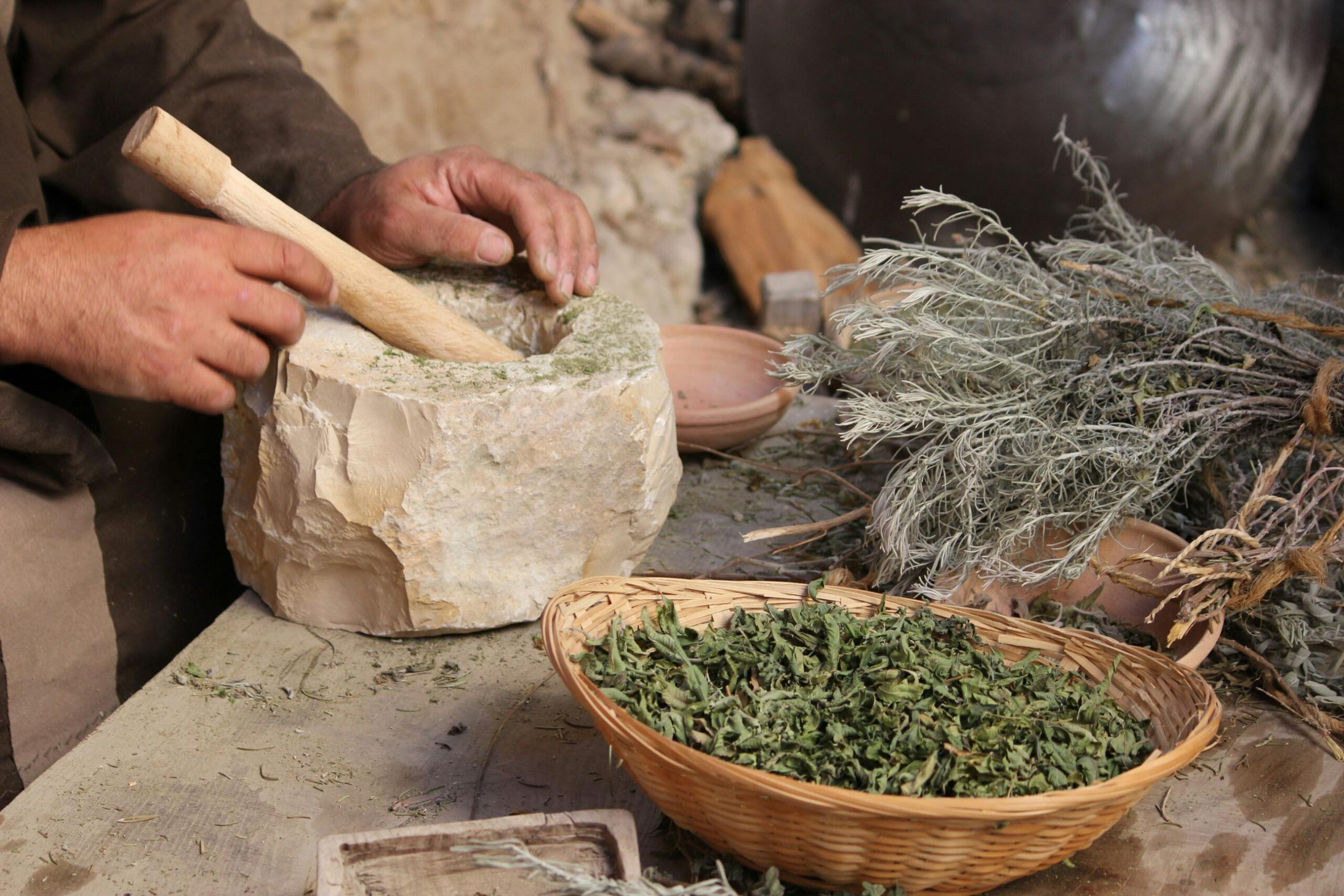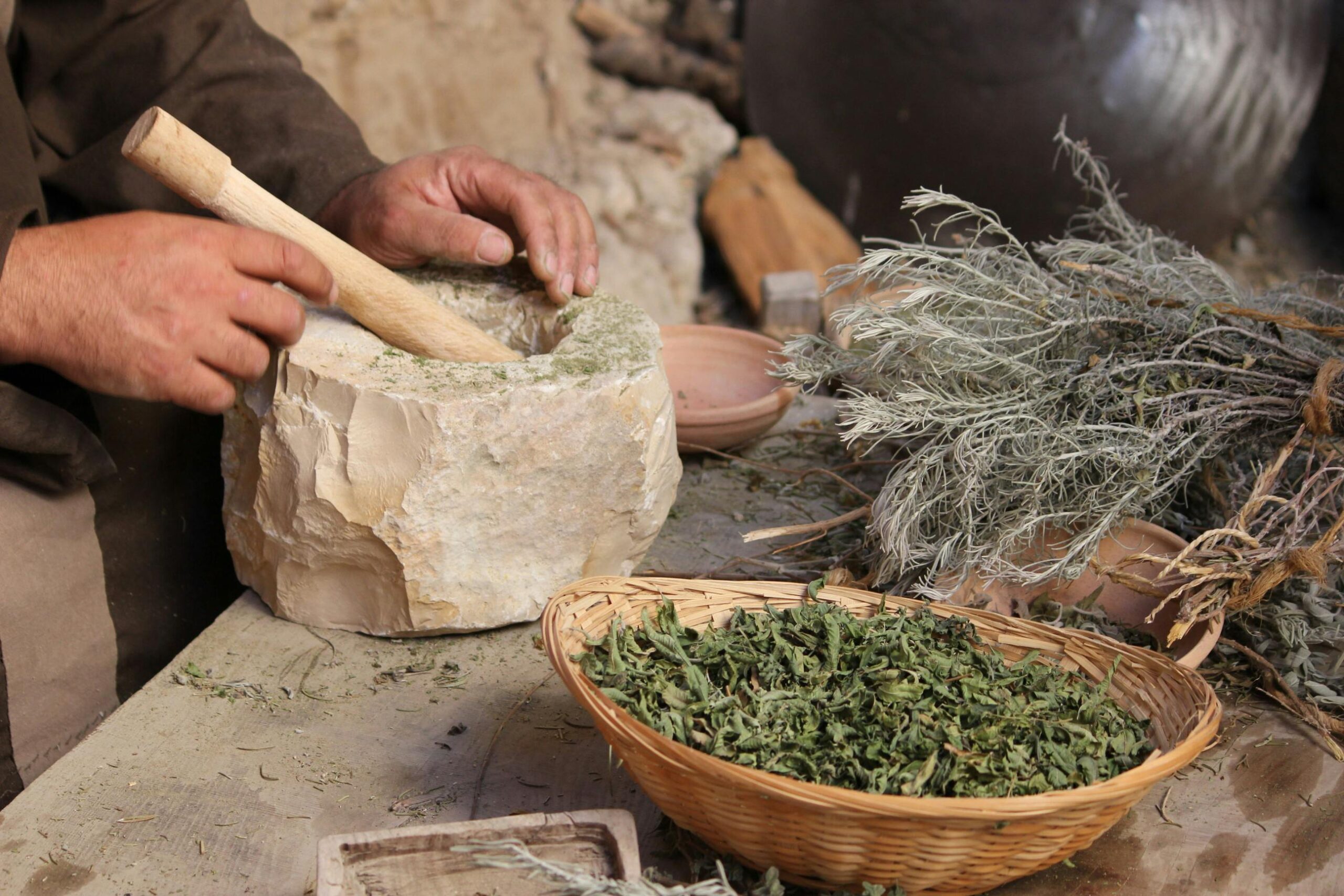
Botanical therapy has flourished for millennia, weaving nature’s healing wisdom into the fabric of human wellness across every continent and culture.

From the misty mountains of Tibet to the lush rainforests of the Amazon, ancient civilizations discovered that plants held extraordinary powers to heal, restore, and rejuvenate the human body and spirit. Today, as modern science validates these time-honored practices, we’re witnessing a remarkable renaissance in botanical medicine that bridges ancestral knowledge with contemporary wellness needs.
The journey into botanical therapy excellence isn’t merely about using plants—it’s about understanding the profound relationship between humanity and the natural world. This connection, carefully cultivated over thousands of years, represents one of our most valuable inheritances from our ancestors.
🌿 The Roots of Botanical Wisdom: Ancient Civilizations and Their Green Pharmacy
Long before pharmaceutical laboratories existed, our ancestors developed sophisticated systems of plant-based healing. The ancient Egyptians documented over 850 botanical remedies in the Ebers Papyrus, dating back to 1550 BCE. These weren’t random experiments but carefully observed and recorded treatments passed down through generations of healers.
Traditional Chinese Medicine, with its 5,000-year history, created an intricate understanding of how specific plants interact with the body’s energy systems. Practitioners identified hundreds of medicinal herbs, categorizing them by taste, temperature, and therapeutic action. This wasn’t primitive medicine—it was a complex science that modern researchers continue to study with growing respect.
Ayurvedic medicine from India developed parallel wisdom, recognizing that each plant possessed unique qualities that could balance the body’s doshas. The ancient texts, or Vedas, described detailed preparation methods, optimal harvesting times, and synergistic combinations that maximized therapeutic benefits.
Indigenous peoples across the Americas, Africa, and Oceania independently discovered botanical treasures in their local ecosystems. The shamans and medicine keepers served as living libraries of botanical knowledge, understanding which plants could reduce fever, heal wounds, calm the mind, or strengthen immunity.
The Science Behind Ancient Plant Power 🔬
Modern scientific research has begun to unravel the molecular mysteries behind these ancient remedies, revealing why they’ve stood the test of time. Phytochemicals—the active compounds in plants—interact with human biology in remarkably sophisticated ways.
Plants produce secondary metabolites as defense mechanisms against predators and environmental stress. Ironically, these same compounds often provide therapeutic benefits to humans. Flavonoids, alkaloids, terpenes, and polyphenols represent just a fraction of the estimated 50,000-70,000 phytochemicals identified in medicinal plants.
Take turmeric, for example. Ancient Ayurvedic texts praised it for reducing inflammation and promoting healing. Contemporary research has identified curcumin as the primary active compound, demonstrating powerful anti-inflammatory and antioxidant properties that rival many pharmaceutical interventions.
Similarly, willow bark was used for centuries to relieve pain and reduce fever. Modern chemistry isolated salicin from willow bark, which eventually led to the development of aspirin. This pattern repeats throughout botanical medicine history—ancient wisdom pointing toward compounds that science later validates.
Understanding Plant Synergy and Whole-System Healing
One of the most profound insights from traditional botanical therapy is the concept of whole-plant medicine. Ancient healers rarely isolated single compounds; instead, they used entire plant preparations, recognizing that multiple constituents worked together synergistically.
Modern reductionist science initially dismissed this approach, focusing on isolating single active ingredients. However, researchers now understand that whole-plant extracts often prove more effective than isolated compounds. The various phytochemicals work together, enhancing absorption, reducing side effects, and providing more comprehensive therapeutic action.
This principle, known as the “entourage effect,” validates what traditional healers intuitively understood: nature creates balanced, multi-dimensional remedies that address health issues holistically rather than targeting isolated symptoms.
Essential Botanical Therapies That Transformed Healing 🌸
Certain plants have earned legendary status across multiple healing traditions, their effectiveness transcending cultural boundaries and standing up to rigorous scientific scrutiny.
Adaptogens: Nature’s Stress Managers
Adaptogenic herbs represent one of botanical therapy’s most valuable categories. These remarkable plants help the body adapt to stress, balancing physiological responses without overstimulation or sedation.
Ginseng, revered in Asian medicine for over 2,000 years, enhances energy, cognitive function, and resilience. Ashwagandha from India reduces cortisol levels and promotes calm strength. Rhodiola, used by Vikings and Sherpa mountaineers, increases endurance and mental clarity at high altitudes.
Modern life’s relentless stress makes adaptogens more relevant than ever. These plants don’t just mask symptoms—they fundamentally improve how our bodies handle stress at the cellular level.
Digestive Healers and Gut Guardians
Ancient healers recognized that digestive health formed the foundation of overall wellness. Plants like ginger, peppermint, fennel, and chamomile have soothed troubled stomachs across millennia.
Ginger, used in both Ayurvedic and Chinese medicine, reduces nausea, inflammation, and digestive discomfort. Research confirms its effectiveness for morning sickness, motion sickness, and post-surgical nausea. Peppermint oil relieves irritable bowel syndrome symptoms with effectiveness comparable to pharmaceutical treatments.
Bitter herbs like dandelion, gentian, and artichoke stimulate digestive secretions, improving nutrient absorption and liver function. These traditional digestive tonics are experiencing renewed appreciation as we understand the gut microbiome’s central role in health.
Nervines: Botanical Medicine for the Mind
Mental and emotional health concerns drove much ancient botanical exploration. Plants that calm anxiety, improve sleep, and enhance cognitive function were highly prized.
Lavender’s calming properties have been documented since Roman times. Modern research confirms its effectiveness for anxiety, insomnia, and stress reduction, with clinical trials showing benefits comparable to pharmaceutical anxiolytics but without dependency risks.
Passionflower, used by Native Americans and later adopted by European settlers, increases GABA activity in the brain, promoting relaxation without sedation. Lemon balm, praised by medieval herbalists, combines antiviral properties with mood-enhancing effects.
Mastering the Art of Botanical Preparation 🍵
The effectiveness of botanical therapy depends not just on selecting the right plants but on proper preparation methods. Ancient traditions developed specific techniques to maximize therapeutic compounds while minimizing potential irritants.
Infusions and Decoctions: Water-Based Extractions
The simplest botanical preparations use water to extract medicinal compounds. Infusions involve steeping delicate plant parts—leaves, flowers, and light stems—in hot water, similar to making tea. This method preserves volatile oils and heat-sensitive compounds.
Decoctions require simmering tougher plant materials—roots, bark, and seeds—for extended periods to extract deeper constituents. Traditional Chinese medicine decoctions often simmer for hours, concentrating therapeutic compounds.
The choice between infusion and decoction isn’t arbitrary. Delicate nervines like chamomile lose potency with prolonged heat, while dense adaptogens like astragalus root require extended extraction to release their benefits.
Tinctures: Alcohol Extractions for Potency and Preservation
Alcohol extractions, or tinctures, represent one of the most concentrated forms of botanical medicine. Alcohol dissolves both water-soluble and fat-soluble compounds, creating potent preparations with long shelf lives.
Traditional herbalists developed specific alcohol percentages for different plants, understanding that some compounds require higher alcohol content while others extract better with lower concentrations. This wasn’t guesswork—it was sophisticated pharmaceutical knowledge.
Tinctures offer convenience and rapid absorption, with effects often noticeable within minutes as compounds enter the bloodstream through oral mucosa. A few drops under the tongue deliver therapeutic benefits efficiently.
Creating Your Personal Botanical Wellness Practice 🌺
Incorporating botanical therapy into daily life doesn’t require becoming a professional herbalist. Starting with a few well-chosen plants and simple preparations can transform your wellness routine.
Building a Foundational Herbal Apothecary
Begin with versatile, safe herbs that address common health concerns. A basic home apothecary might include:
- Chamomile: For relaxation, sleep support, and digestive comfort
- Ginger: For digestion, nausea, and inflammation
- Peppermint: For digestive issues, headaches, and mental clarity
- Elderberry: For immune support during cold and flu season
- Calendula: For skin healing and topical applications
- Nettle: For nutritive support, allergies, and energy
These six plants provide a foundation for addressing numerous everyday health concerns safely and effectively. Quality matters tremendously—choose organic, properly stored herbs from reputable suppliers who can trace their sourcing.
Developing Daily Botanical Rituals
The most powerful botanical therapy happens through consistent, mindful use rather than crisis intervention. Ancient traditions emphasized daily tonics—regular consumption of strengthening, balancing herbs that build resilience over time.
Morning might begin with an adaptogen blend to enhance stress resilience throughout the day. Afternoon could include digestive bitters before meals to optimize nutrient absorption. Evening naturally calls for calming nervines that prepare body and mind for restorative sleep.
These rituals become more than medicine—they’re moments of connection with nature, pauses in busy days to honor your body’s needs with intention and awareness.
Navigating Safety and Quality in Botanical Medicine 🛡️
While botanical therapy offers remarkable benefits, responsible use requires understanding potential interactions, contraindications, and quality considerations.
Understanding Plant-Drug Interactions
Plants are powerful medicine, and like all medicines, they can interact with pharmaceutical medications. St. John’s Wort, effective for mild depression, interacts with numerous medications by affecting liver enzyme activity. Ginkgo’s blood-thinning properties require caution if taking anticoagulants.
Always inform healthcare providers about botanical preparations you’re using, especially before surgery or when taking prescription medications. Quality herbalists and integrative practitioners can help navigate these considerations safely.
Sourcing Quality Botanical Products
The botanical medicine industry varies dramatically in quality standards. Adulteration, contamination, and misidentification pose real risks in poorly regulated markets.
Look for companies that provide third-party testing, transparent sourcing information, and proper botanical identification. Organic certification ensures freedom from pesticides, while sustainable wildcrafting practices protect endangered plant populations.
Building relationships with local herbalists, growing some medicinal plants yourself, and learning to identify wildcrafted plants adds layers of quality control while deepening your connection to botanical wisdom.
The Future Blooming: Botanical Therapy in Modern Healthcare 🌱
The integration of ancient botanical wisdom with modern medical understanding represents one of healthcare’s most promising frontiers. Research institutions worldwide now investigate traditional remedies with sophisticated methodology, validating many while discovering new applications.
Personalized medicine increasingly recognizes that botanical therapy’s gentle, multi-targeted approach suits many chronic conditions better than single-mechanism pharmaceuticals. The growing understanding of epigenetics reveals how plant compounds can influence gene expression, offering therapeutic possibilities our ancestors couldn’t have imagined.
Climate change and antibiotic resistance make botanical medicine research more urgent. Many medicinal plants produce compounds that address antibiotic-resistant bacteria through mechanisms different from conventional antibiotics. Protecting biodiversity becomes a medical imperative as we realize undiscovered botanical treasures may hold solutions to emerging health challenges.
Cultivating Wisdom: Learning Resources and Community Connection 📚
Deepening botanical therapy knowledge requires quality education from experienced practitioners. Numerous organizations offer training ranging from introductory workshops to comprehensive certification programs.
The American Herbalists Guild, United Plant Savers, and various international organizations maintain standards and provide resources for continuing education. Online courses make botanical medicine education accessible, though in-person experiences with plants—touching, smelling, tasting, and growing them—provide irreplaceable learning.
Local herb study groups create community around botanical wisdom, sharing knowledge, experiences, and plant preparations. These gatherings echo ancient traditions where botanical knowledge was transmitted through direct experience and storytelling rather than just written texts.
Botanical gardens and herbaria preserve plant diversity while educating the public about medicinal plants. Volunteering or visiting these institutions connects you with botanical heritage while supporting conservation efforts.
Harvesting Transformation: Your Journey with Plant Medicine 🌻
The path of botanical therapy excellence isn’t a destination but an ongoing relationship with the plant world. Each season brings different herbs to harvest, each health challenge offers opportunities to deepen understanding, and each preparation becomes a meditation on nature’s healing intelligence.
Ancient healing traditions remind us that we’re not separate from nature but intimately connected to it. The same elements flowing through plants flow through our bodies. The same sun that powers photosynthesis energizes our cells. Botanical therapy recognizes and honors this fundamental unity.
As you explore these ancient secrets, approach with curiosity, respect, and patience. Plants work differently than pharmaceuticals—more gently, more holistically, often more slowly. Trust the process, observe carefully, and allow the wisdom that sustained human health for millennia to support your modern wellness journey.
The blooming success of botanical therapy lies not in replacing all modern medicine but in reclaiming the balanced approach our ancestors knew—where plants serve as primary allies for wellness, prevention, and gentle healing. In rediscovering these ancient secrets, we don’t retreat from progress but move forward with the complete toolkit nature and science together provide.
Your own botanical journey begins with a single plant, a single cup of tea, a single moment of connection with nature’s pharmacy. From there, the possibilities bloom endlessly, rooted in ancient wisdom and reaching toward vibrant, balanced health.