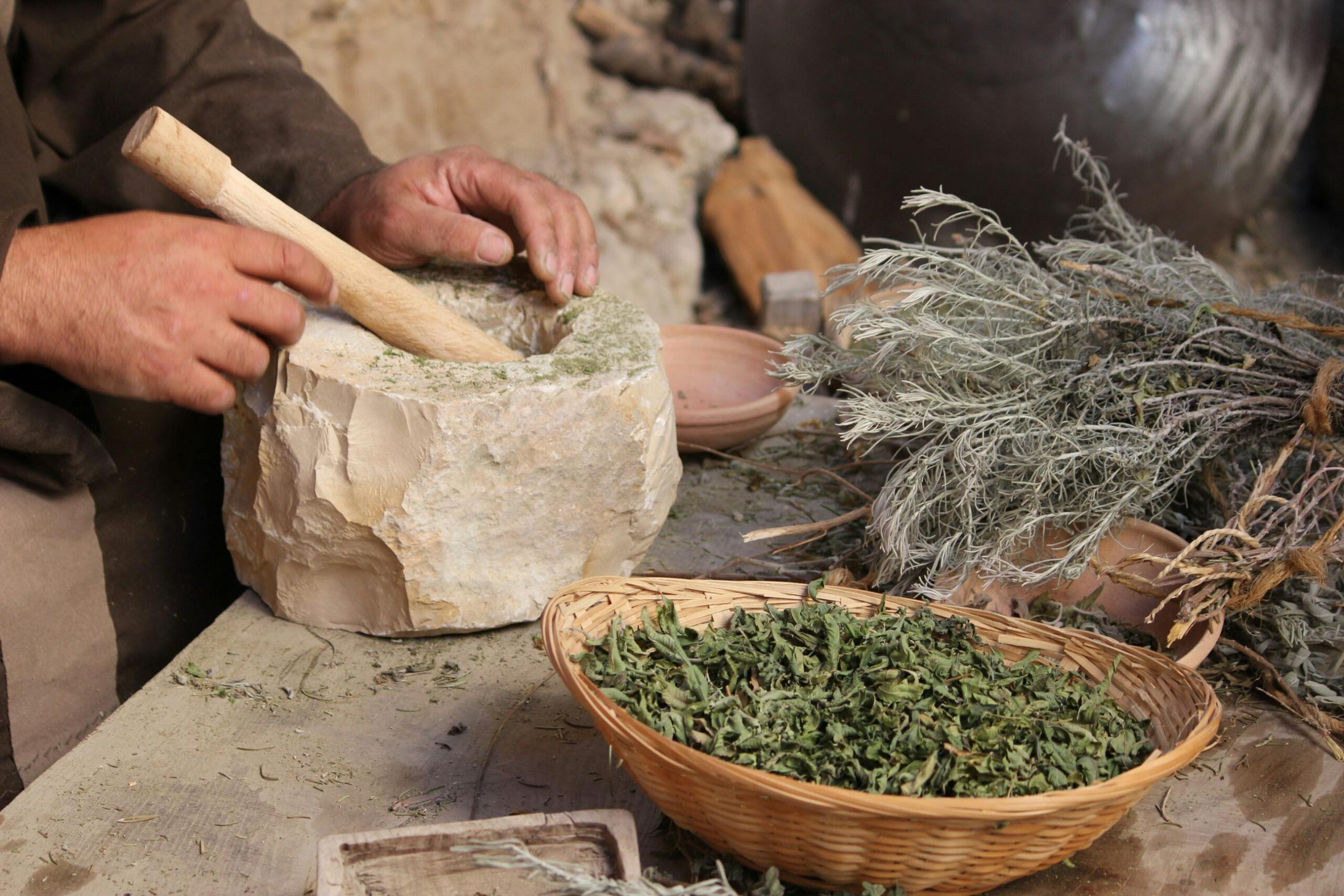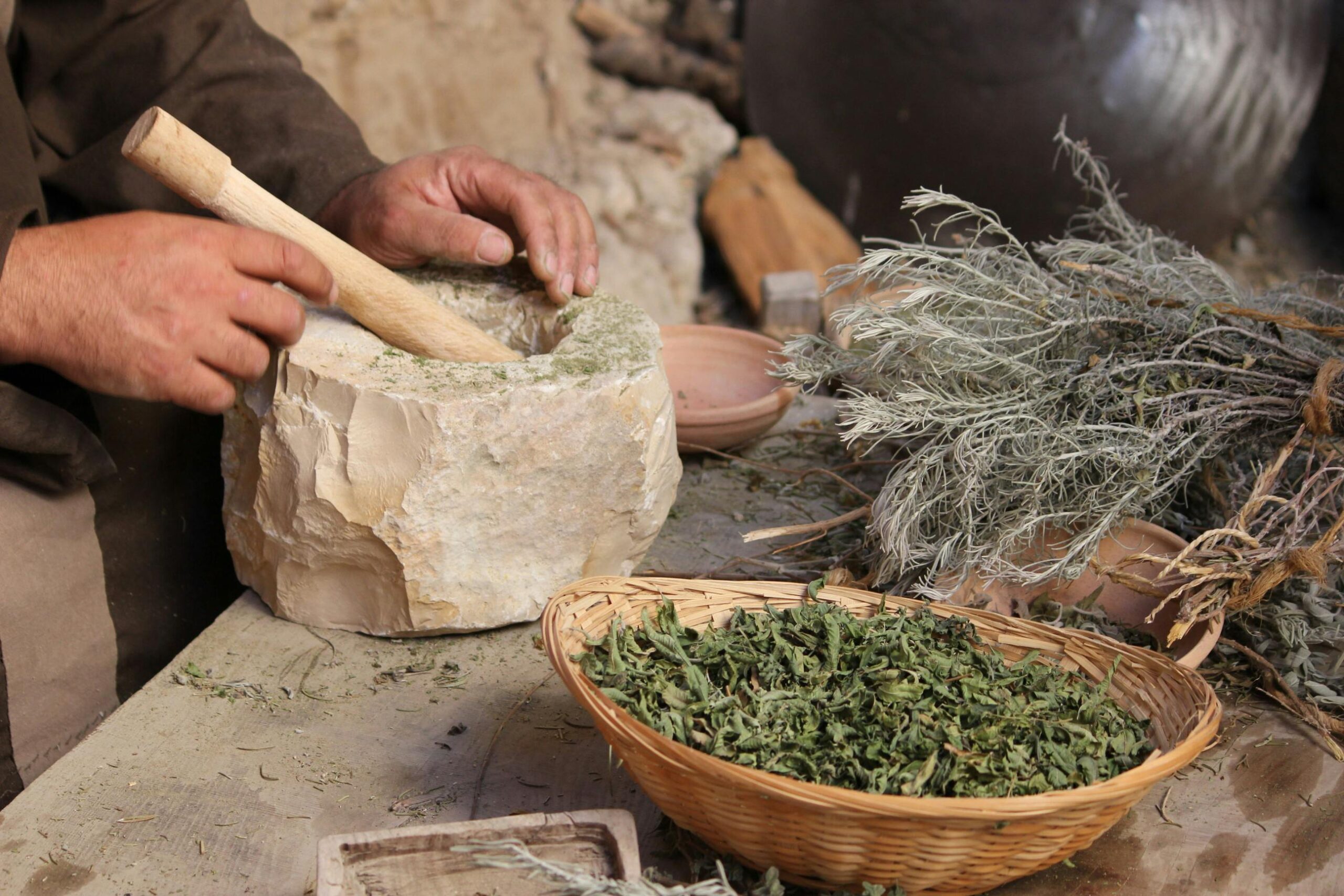
Ancient botanical therapies hold secrets that modern science is only beginning to decode through innovative research methodologies and interdisciplinary approaches.

🌿 Bridging Ancient Knowledge With Modern Scientific Inquiry
The intersection of traditional botanical medicine and contemporary research represents one of the most fascinating frontiers in pharmacological science. For millennia, healers across civilizations relied on plant-based remedies, accumulated through observation, experimentation, and cultural transmission. Today’s researchers face the compelling challenge of validating, understanding, and potentially modernizing these ancient therapies through rigorous scientific methodologies.
The resurgence of interest in ethnobotany and traditional medicine stems from multiple factors: the growing resistance to conventional antibiotics, the search for novel pharmaceutical compounds, and an increasing appreciation for holistic healing approaches. Ancient botanical therapies offer a treasure trove of potential treatments that have withstood the test of time, yet require systematic investigation to meet contemporary medical standards.
Archaeological Approaches to Botanical Medicine Discovery
Archaeological research methodologies provide crucial insights into how ancient civilizations utilized plant-based therapies. Paleoethnobotanical studies examine preserved plant remains from archaeological sites, including seeds, pollen, and phytoliths, to reconstruct historical medicinal practices. These microscopic traces reveal which plants ancient peoples harvested, cultivated, and possibly used therapeutically.
Residue analysis on ancient pottery and medicinal vessels employs sophisticated techniques like gas chromatography-mass spectrometry (GC-MS) to identify chemical signatures of botanical preparations. This methodology has successfully identified medicinal compounds in Egyptian pharmaceutical jars, Chinese bronze vessels, and Mesopotamian ceramic containers, confirming historical texts describing herbal remedies.
Dental calculus analysis represents another innovative archaeological approach. Preserved tartar on ancient teeth contains microscopic plant particles that indicate consumption of specific medicinal herbs. Research on Neanderthal dental calculus revealed evidence of self-medication with plants containing natural antibiotics and pain-relieving compounds, demonstrating that botanical therapy predates modern humans.
📜 Textual Analysis and Historical Documentation
Ancient medical texts constitute invaluable resources for identifying potential therapeutic plants. Researchers employ philological methodologies to decode manuscripts written in Sanskrit, Classical Chinese, Ancient Greek, Arabic, and other historical languages. These texts describe preparation methods, dosages, indications, and contraindications that guide modern research priorities.
The systematic translation and interpretation of documents like the Ebers Papyrus (circa 1550 BCE), Shennong Ben Cao Jing (Divine Farmer’s Materia Medica), Hippocratic Corpus, and Ayurvedic texts such as Charaka Samhita provide frameworks for understanding botanical therapeutic principles. Cross-referencing multiple historical sources helps researchers identify plants consistently used across different cultures, suggesting genuine therapeutic value.
Digital humanities approaches now enable large-scale textual analysis using computational methods. Natural language processing algorithms can scan thousands of historical documents to identify patterns in botanical usage, creating databases that link plants with specific conditions across different medical traditions. These digital methodologies accelerate the identification of promising research candidates from the vast historical record.
Ethnobotanical Field Research Methodologies
Ethnobotanical research involves direct engagement with traditional healers and indigenous communities who maintain living knowledge of botanical therapies. This participatory research methodology requires cultural sensitivity, ethical protocols, and long-term relationship building. Researchers document traditional ecological knowledge (TEK) through interviews, participant observation, and collaborative plant collection.
The voucher specimen method ensures botanical accuracy by collecting, pressing, and identifying plant samples according to scientific taxonomic standards. These verified specimens, deposited in herbaria, create permanent records linking traditional names and uses with scientifically confirmed species. This methodology prevents misidentification and enables future researchers to verify findings.
Quantitative ethnobotanical methods employ statistical approaches to prioritize plants for pharmacological investigation. The use-value index calculates the relative importance of species based on frequency of citation by informants. Informant consensus factor analysis identifies plants used consistently for specific ailment categories across multiple traditional practitioners, suggesting reliable therapeutic effects worthy of laboratory investigation.
🔬 Phytochemical Analysis and Bioactive Compound Identification
Once promising botanical candidates are identified through historical or ethnobotanical research, phytochemical methodologies characterize their chemical constituents. Extraction protocols using various solvents (water, ethanol, methanol, chloroform) separate compounds with different polarities, mimicking traditional preparation methods while enabling systematic analysis.
Chromatographic techniques form the backbone of phytochemical analysis. High-performance liquid chromatography (HPLC) separates complex plant mixtures into individual compounds. When coupled with mass spectrometry (LC-MS) or nuclear magnetic resonance spectroscopy (NMR), these methods identify specific molecular structures responsible for therapeutic effects.
Bioassay-guided fractionation represents a particularly effective methodology for identifying active compounds. Researchers test crude extracts for biological activity, then progressively separate them into fractions, testing each for the desired effect. This iterative process isolates the specific molecules responsible for therapeutic properties observed in traditional preparations.
Pharmacological Validation Through In Vitro Studies
In vitro research methodologies test botanical extracts and isolated compounds on cell cultures to establish biological mechanisms. Antimicrobial assays using bacterial or fungal cultures evaluate traditional antibacterial and antifungal remedies. Minimum inhibitory concentration (MIC) tests quantify antimicrobial potency, enabling comparison with conventional antibiotics.
Cancer cell line studies investigate cytotoxic effects of botanical compounds on malignant cells while assessing selectivity by comparing effects on healthy cells. This methodology has validated ancient cancer therapies from various traditions, identifying compounds like paclitaxel (from Pacific yew, used traditionally by Native Americans) and camptothecin (from Chinese happy tree).
Anti-inflammatory assays measure inhibition of pro-inflammatory mediators like cytokines, prostaglandins, and nitric oxide. These tests validate traditional uses of botanical anti-inflammatories and elucidate molecular mechanisms. Antioxidant capacity assays (DPPH, ABTS, ORAC) quantify free radical scavenging abilities, confirming traditional uses for age-related conditions attributed to oxidative stress.
🐭 Animal Model Research Methodologies
Animal studies bridge the gap between cell culture experiments and human clinical trials. Rodent models of disease enable researchers to evaluate therapeutic efficacy, optimal dosing, bioavailability, metabolism, and potential toxicity of botanical preparations in living organisms. These studies replicate traditional routes of administration (oral, topical, inhalation) to validate historical preparation methods.
Acute and chronic toxicity studies establish safety profiles essential before human trials. These methodologies determine lethal doses, identify target organs of toxicity, and establish therapeutic windows. Many ancient remedies demonstrate remarkably safe profiles when investigated systematically, confirming centuries of traditional use.
Pharmacokinetic studies track botanical compounds through absorption, distribution, metabolism, and excretion. These investigations reveal whether active compounds reach therapeutic concentrations at target tissues and identify metabolites that may contribute to or diminish therapeutic effects. Such data informs optimal dosing regimens for clinical applications.
Clinical Trial Methodologies for Botanical Therapies
Randomized controlled trials (RCTs) represent the gold standard for evaluating therapeutic efficacy in humans. However, botanical therapy research faces unique challenges: standardizing complex plant preparations, designing appropriate placebos, and accounting for synergistic effects of multiple compounds. Adaptive trial designs help address these complexities.
Observational studies and pragmatic trials complement RCTs by evaluating botanical therapies as actually used in traditional contexts. These methodologies provide real-world effectiveness data, assess safety in diverse populations, and identify factors influencing therapeutic outcomes. Cohort studies following traditional medicine users longitudinally generate valuable safety and efficacy data.
Systematic reviews and meta-analyses synthesize findings across multiple studies, identifying patterns and evaluating overall evidence quality. These methodologies are particularly valuable for botanical therapies with extensive but scattered research literature, helping to establish evidence-based consensus on efficacy and safety.
🧬 Genomic and Molecular Research Approaches
Modern genomic methodologies illuminate mechanisms by which botanical compounds exert therapeutic effects. Transcriptomics analyzes how plant extracts alter gene expression patterns in disease-relevant pathways. Proteomics examines effects on protein levels and post-translational modifications. These systems biology approaches reveal complex multi-target effects typical of botanical medicines.
Pharmacogenomic research investigates how genetic variations influence individual responses to botanical therapies. This methodology may explain why traditional medicine emphasizes personalized treatment selection. Understanding genetic factors affecting metabolism and response could enable precision medicine approaches to ancient botanical therapies.
Metabolomics provides comprehensive analysis of small molecule metabolites in biological samples following botanical treatment. This methodology captures downstream effects of multiple bioactive compounds working synergistically, better reflecting the holistic nature of traditional botanical medicine than single-compound approaches.
Comparative Effectiveness Research Methodologies
Comparative effectiveness research evaluates botanical therapies against conventional treatments or other botanical interventions. These methodologies employ head-to-head trials, network meta-analyses, and real-world evidence studies to determine relative benefits, risks, and costs. Such comparisons address practical questions about when botanical therapies might offer advantages over conventional medicine.
Economic evaluation methodologies assess cost-effectiveness, comparing health outcomes gained against resources expended. These analyses are particularly relevant for botanical therapies potentially offering affordable alternatives to expensive pharmaceuticals. Cost-effectiveness studies inform health policy decisions about integrating traditional botanical medicines into healthcare systems.
⚖️ Ethical Frameworks in Ancient Botanical Research
Research on traditional botanical therapies raises significant ethical considerations requiring specialized methodological approaches. Benefit-sharing agreements ensure that indigenous and traditional communities receive fair compensation when their knowledge contributes to commercial developments. The Nagoya Protocol provides international frameworks for equitable sharing of benefits arising from genetic resources and associated traditional knowledge.
Participatory research methodologies engage traditional knowledge holders as collaborative partners rather than passive informants. Community-based participatory research (CBPR) approaches respect indigenous sovereignty, incorporate community priorities, and build local research capacity. These methodologies produce more culturally appropriate and ethically sound research.
Prior informed consent protocols ensure communities understand research objectives, methods, and potential outcomes before participating. Free, prior, and informed consent (FPIC) represents the gold standard, recognizing indigenous peoples’ rights to give or withhold consent for research affecting their knowledge, territories, or resources.
Interdisciplinary Integration and Future Directions
The complexity of ancient botanical therapies demands truly interdisciplinary research methodologies. Effective investigation requires collaboration among botanists, chemists, pharmacologists, physicians, anthropologists, historians, and traditional practitioners. Integrated research teams combining these diverse perspectives generate more comprehensive understanding than siloed disciplinary approaches.
Artificial intelligence and machine learning methodologies increasingly accelerate botanical therapy research. Algorithms predict bioactive compounds from chemical structures, identify novel drug targets, optimize extraction protocols, and mine historical literature for research leads. These computational approaches complement traditional wet-lab methodologies, dramatically expanding research capacity.
Network pharmacology represents an emerging methodology particularly suited to botanical medicines containing multiple bioactive compounds. This approach maps interactions between multiple compounds, multiple biological targets, and complex disease pathways, better capturing the synergistic mechanisms characteristic of traditional botanical therapies.
🌍 Preserving Knowledge While Advancing Science
Research methodologies must balance scientific investigation with preservation of traditional knowledge systems. Documentation initiatives create permanent records of botanical knowledge at risk of disappearing as traditional practitioners age without successors. Digital archives, herbarium collections, and video repositories safeguard this irreplaceable heritage for future generations.
Reverse pharmacology approaches start with clinically validated traditional medicines and work backward to identify active compounds and mechanisms. This methodology respects the integrated wisdom of traditional systems while generating scientific understanding. It has successfully led to drugs like artemisinin for malaria, derived from traditional Chinese medicine.
The integration of ancient botanical wisdom with modern research methodologies offers tremendous promise for addressing contemporary health challenges. Antibiotic resistance, chronic inflammatory diseases, neurodegenerative conditions, and metabolic disorders may find novel solutions in plants used therapeutically for centuries. However, realizing this potential requires rigorous, ethical, and culturally sensitive research approaches that honor both traditional knowledge and scientific standards.

Transforming Ancient Wisdom Into Evidence-Based Medicine
The journey from ancient botanical therapy to evidence-based medical intervention is long and methodologically complex, but increasingly necessary. As pharmaceutical innovation faces rising costs and diminishing returns, traditional botanical knowledge offers a vast, time-tested resource for novel therapeutic development. The research methodologies discussed here provide pathways for systematically exploring this ancient wisdom.
Success requires patience, cultural humility, interdisciplinary collaboration, and methodological rigor. It demands respect for both traditional knowledge systems and scientific standards of evidence. When these elements align, research on ancient botanical therapies yields not only new medical treatments but also deeper understanding of the relationship between humans and the plant world that has sustained us throughout history.
The future of medicine may well lie in skillfully blending ancient botanical wisdom with cutting-edge research methodologies, creating therapeutic approaches that honor traditional healing while meeting modern standards of safety and efficacy. This integration represents not a return to the past but a synthesis of timeless knowledge and contemporary science, offering hope for healthier futures grounded in our deepest medicinal traditions.