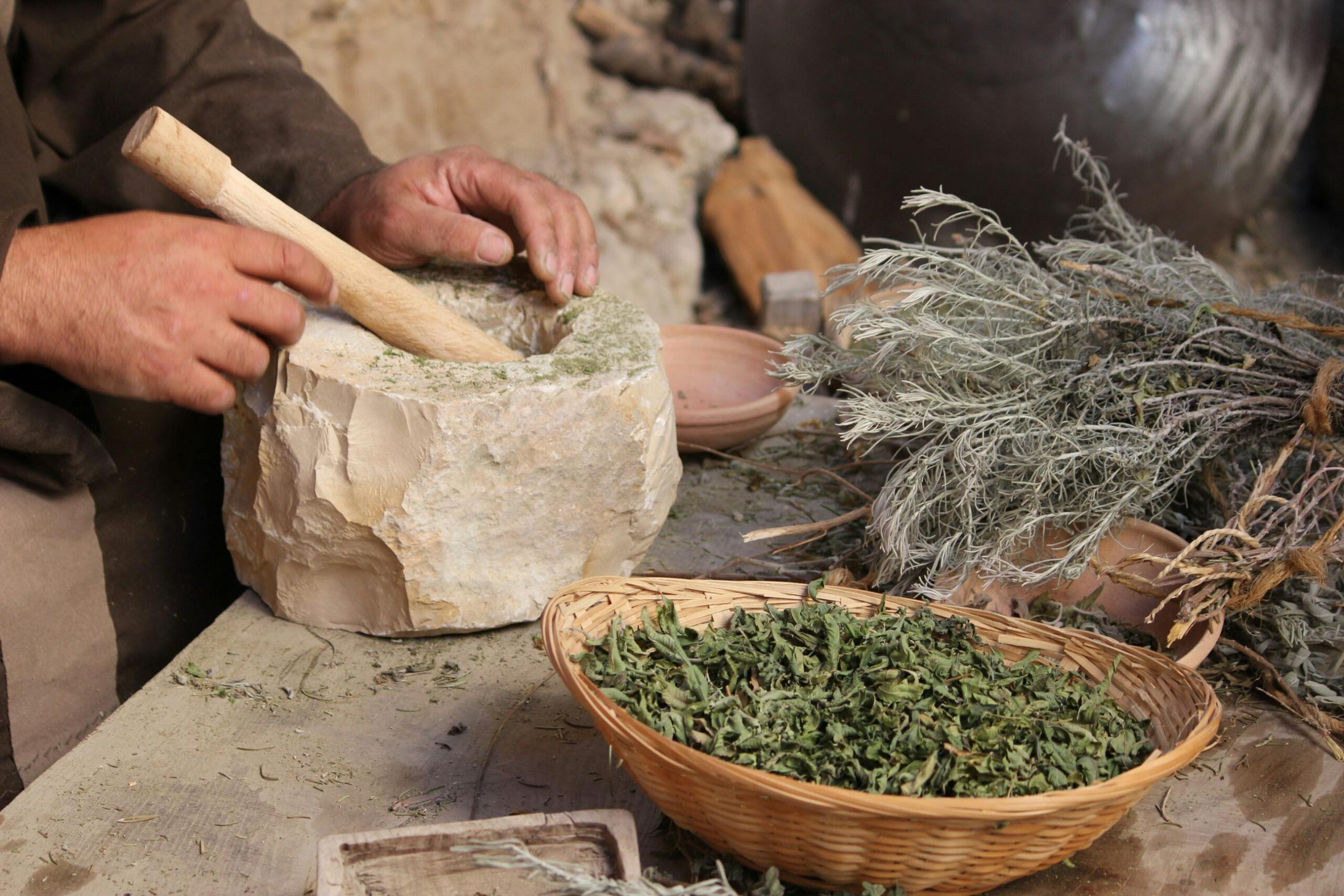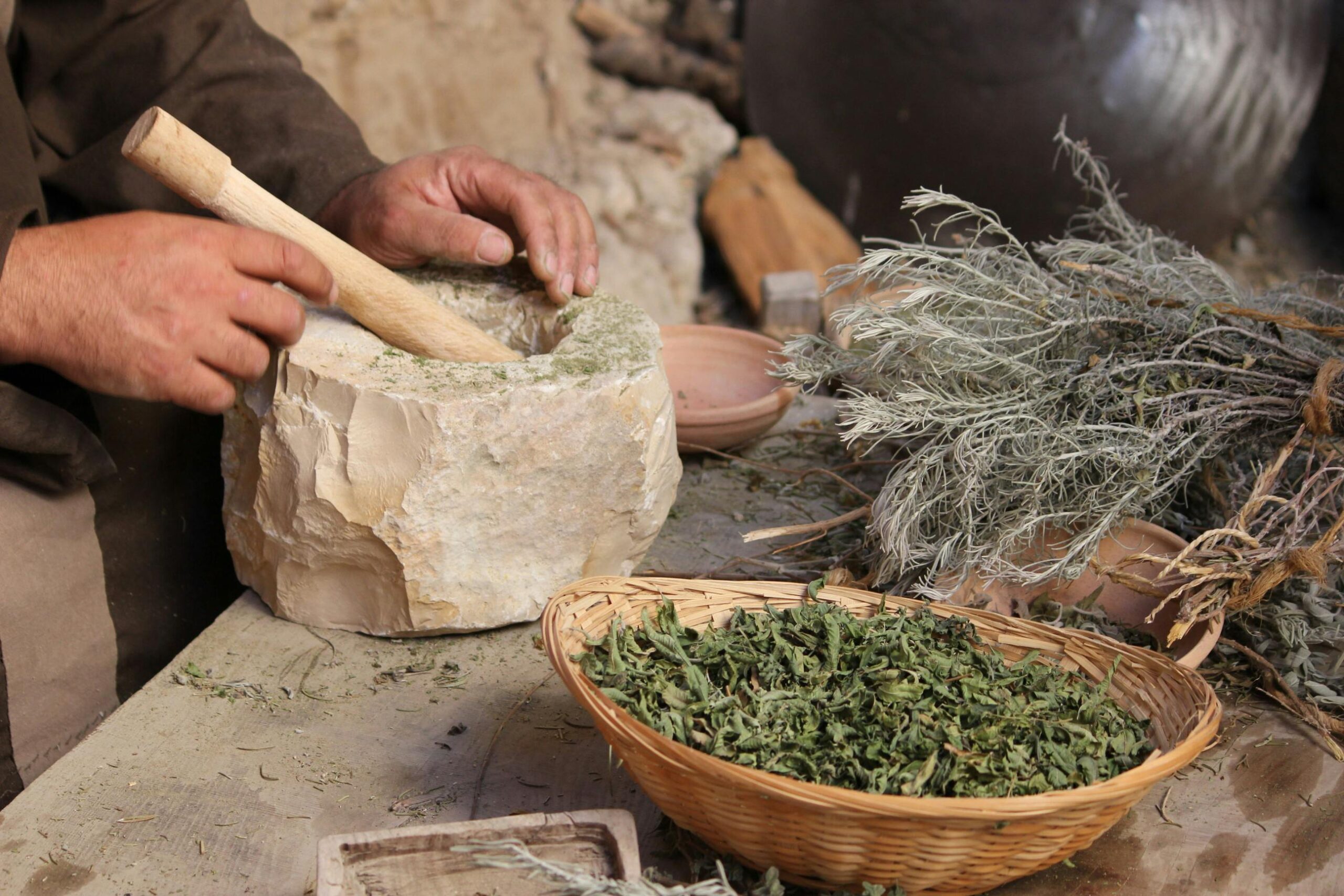
Modern herbal pharmacology represents a transformative bridge between ancient botanical wisdom and cutting-edge scientific research, offering innovative pathways for integrative healthcare solutions.

The resurgence of interest in plant-based medicine has catalyzed a remarkable shift in how healthcare professionals, researchers, and patients approach therapeutic interventions. As pharmaceutical sciences continue to evolve, the integration of herbal pharmacology with diverse disciplines has emerged as a compelling frontier that promises to revolutionize our understanding of health, disease prevention, and treatment modalities.
Today’s herbal pharmacology extends far beyond the traditional boundaries of herbalism, incorporating sophisticated methodologies from molecular biology, biochemistry, clinical research, and data science. This multidisciplinary approach has validated many traditional uses of medicinal plants while uncovering novel therapeutic applications that were previously unrecognized by conventional medicine.
🌿 The Scientific Foundation of Contemporary Herbal Pharmacology
The transformation of herbal medicine from folklore to evidence-based practice represents one of the most significant developments in modern healthcare. Contemporary herbal pharmacology employs rigorous scientific methodologies to identify, isolate, and characterize the active constituents within medicinal plants, establishing clear mechanisms of action and therapeutic efficacy.
Advanced analytical techniques such as high-performance liquid chromatography (HPLC), mass spectrometry, and nuclear magnetic resonance (NMR) spectroscopy have enabled researchers to decode the complex chemical profiles of botanical medicines. These technologies have revealed that medicinal plants contain intricate combinations of bioactive compounds that often work synergistically, producing therapeutic effects that exceed the sum of their individual components.
Phytochemical research has identified numerous classes of bioactive compounds including alkaloids, flavonoids, terpenoids, saponins, and phenolic acids, each possessing distinct pharmacological properties. This chemical diversity explains why single plant species can address multiple health conditions simultaneously, a phenomenon known as polypharmacology that challenges the traditional “one drug, one target” paradigm of conventional medicine.
Bridging Traditional Knowledge with Modern Scientific Validation
The integration of ethnobotanical wisdom with contemporary research methodologies has created a powerful framework for drug discovery and therapeutic innovation. Traditional healing systems such as Traditional Chinese Medicine (TCM), Ayurveda, and Indigenous American herbalism have accumulated thousands of years of empirical observations regarding plant medicinal properties.
Modern researchers are systematically investigating these traditional applications using controlled clinical trials, pharmacokinetic studies, and toxicological assessments. This approach has led to the development of numerous pharmaceutical drugs derived from plant sources, including aspirin from willow bark, digoxin from foxglove, and artemisinin from sweet wormwood for malaria treatment.
The validation process involves documenting traditional uses, conducting preliminary phytochemical screening, performing in vitro biological activity assays, advancing to animal models, and finally conducting human clinical trials. This systematic progression ensures that traditional wisdom is subjected to rigorous scientific scrutiny while respecting the cultural contexts from which this knowledge emerged.
💊 Integration with Clinical Pharmacology and Medicine
The convergence of herbal pharmacology with clinical medicine has opened new therapeutic possibilities for managing chronic diseases, supporting conventional treatments, and minimizing adverse drug reactions. Healthcare providers increasingly recognize that botanical medicines can complement pharmaceutical interventions, offering patients more comprehensive treatment options.
Integrative oncology exemplifies this collaborative approach, where herbal supplements are used alongside chemotherapy and radiation to mitigate side effects, enhance immune function, and improve quality of life. Plants such as ginger for nausea, milk thistle for liver protection, and astragalus for immune support have demonstrated clinical benefits when appropriately integrated into cancer care protocols.
Cardiovascular health represents another domain where herbal pharmacology intersects productively with conventional medicine. Hawthorn extracts have shown significant benefits for heart failure patients, garlic preparations demonstrate cholesterol-lowering effects, and hibiscus tea exhibits blood pressure-reducing properties comparable to some pharmaceutical interventions.
Addressing Drug-Herb Interactions
The integration of herbal medicines into mainstream healthcare necessitates careful attention to potential drug-herb interactions. St. John’s wort, for instance, induces cytochrome P450 enzymes, potentially reducing the efficacy of numerous prescription medications including oral contraceptives, anticoagulants, and immunosuppressants.
Pharmacovigilance systems are being developed specifically to monitor herbal medicine safety profiles and identify interaction risks. Healthcare providers must obtain comprehensive medication histories that include dietary supplements and herbal products to prevent adverse interactions and optimize therapeutic outcomes.
🔬 The Role of Molecular Biology and Genomics
Molecular biology has revolutionized our understanding of how herbal medicines exert their therapeutic effects at the cellular and genetic levels. Genomic technologies enable researchers to examine how botanical compounds influence gene expression, protein synthesis, and cellular signaling pathways.
Epigenetic research has revealed that certain phytochemicals can modify gene expression without altering DNA sequences, potentially reversing disease-associated epigenetic changes. Compounds like curcumin from turmeric, resveratrol from grapes, and sulforaphane from broccoli have demonstrated epigenetic modulating properties with implications for cancer prevention and treatment.
Pharmacogenomics—the study of how genetic variations affect drug responses—is being applied to herbal medicines to predict individual responses to botanical treatments. This personalized medicine approach acknowledges that genetic polymorphisms in metabolizing enzymes and receptor proteins influence how patients respond to herbal interventions.
Synergy with Nutritional Science and Functional Medicine
The boundaries between food, herbs, and medicine have become increasingly blurred as research reveals the pharmacological properties of dietary constituents. Functional medicine practitioners integrate herbal pharmacology with nutritional interventions, recognizing that optimal health depends on multiple synergistic factors.
Culinary herbs such as rosemary, oregano, and thyme contain high concentrations of antioxidant compounds that provide health benefits beyond basic nutrition. The Mediterranean diet’s protective effects against cardiovascular disease and cognitive decline are partially attributed to the regular consumption of these herb-rich foods.
Nutraceuticals—products derived from food sources with health benefits beyond basic nutritional value—represent a growing category that bridges herbal pharmacology and nutrition. Examples include omega-3 fatty acids from fish oil, probiotics from fermented foods, and polyphenols from green tea, all supported by substantial clinical evidence.
🌍 Environmental Science and Sustainable Sourcing
The increasing global demand for medicinal plants has raised critical concerns about sustainability, biodiversity conservation, and ethical sourcing practices. Environmental science plays an essential role in ensuring that herbal pharmacology develops in harmony with ecological preservation.
Overharvesting of wild medicinal plants threatens numerous species with extinction while disrupting ecosystems. Plants such as American ginseng, goldenseal, and devil’s claw face significant conservation challenges due to unsustainable collection practices. Cultivation programs, habitat restoration initiatives, and certification schemes like FairWild are addressing these concerns.
Climate change poses additional challenges to medicinal plant populations, altering their geographic distributions, phytochemical compositions, and availability. Research into how environmental conditions affect the production of bioactive compounds is essential for maintaining the quality and efficacy of herbal medicines in a changing world.
Biotechnology and Sustainable Production
Biotechnological approaches offer promising solutions for sustainable production of medicinal plant compounds. Plant tissue culture, cell suspension cultures, and hairy root cultures enable the production of valuable phytochemicals under controlled conditions without harvesting wild populations.
Genetic engineering techniques are being explored to enhance the production of therapeutic compounds in medicinal plants or to transfer biosynthetic pathways into more easily cultivated species. While controversial, these approaches may help meet increasing demand while reducing pressure on wild plant populations.
Psychology, Neuroscience, and Mind-Body Integration
The intersection of herbal pharmacology with psychology and neuroscience has illuminated how botanical medicines influence mood, cognition, and mental health. Adaptogenic herbs such as rhodiola, ashwagandha, and holy basil have demonstrated abilities to modulate stress responses and enhance resilience through effects on the hypothalamic-pituitary-adrenal (HPA) axis.
Neuropsychopharmacological research has identified mechanisms by which herbal medicines affect neurotransmitter systems. St. John’s wort influences serotonin, norepinephrine, and dopamine pathways, explaining its antidepressant effects. Bacopa monnieri enhances cholinergic function and neuroplasticity, supporting its traditional use for cognitive enhancement.
The placebo effect and expectancy play significant roles in herbal medicine outcomes, highlighting the importance of integrating psychological perspectives into herbal pharmacology research. Therapeutic encounters, patient beliefs, and cultural contexts all influence how botanical medicines are experienced and their ultimate effectiveness.
📊 Data Science and Artificial Intelligence Applications
Computational approaches are transforming herbal pharmacology by enabling researchers to analyze vast datasets, predict biological activities, and identify novel therapeutic applications for medicinal plants. Machine learning algorithms can process complex phytochemical data to predict pharmacological properties and potential drug targets.
Network pharmacology represents an innovative approach that maps the interactions between multiple herbal compounds and multiple biological targets, reflecting the holistic nature of botanical medicines. These computational models reveal how herbs produce therapeutic effects through simultaneous modulation of interconnected biological pathways.
Artificial intelligence is being applied to quality control in herbal medicine production, using spectroscopic data and image analysis to authenticate plant materials, detect adulteration, and ensure consistent phytochemical profiles. These technologies enhance safety and reliability in the herbal products industry.
Regulatory Science and Quality Assurance
The integration of herbal pharmacology into mainstream healthcare requires robust regulatory frameworks that ensure product quality, safety, and efficacy. Different countries have adopted varying approaches to herbal medicine regulation, ranging from dietary supplements with minimal oversight to registered traditional medicines requiring extensive documentation.
Good Agricultural and Collection Practices (GACP) and Good Manufacturing Practices (GMP) provide standardized protocols for producing high-quality herbal products. These guidelines address cultivation conditions, harvesting procedures, processing methods, and storage requirements that affect the final product’s therapeutic value.
Standardization of herbal extracts to specific marker compounds ensures consistency between batches and allows for reproducible clinical effects. However, standardization remains challenging given the natural variability in plant chemistry influenced by genetics, growing conditions, and seasonal factors.
🎓 Education and Professional Training
The successful integration of herbal pharmacology into healthcare systems requires comprehensive educational programs that prepare practitioners to use botanical medicines safely and effectively. Medical, pharmacy, and nursing curricula increasingly incorporate evidence-based herbal medicine content to address the growing patient interest in natural therapies.
Specialized training programs in clinical herbal medicine, botanical medicine, and integrative health provide in-depth education for practitioners who wish to focus on plant-based therapeutics. These programs combine phytochemistry, pharmacology, clinical applications, and safety considerations within evidence-based frameworks.
Continuing education opportunities enable healthcare professionals to stay current with emerging research, new safety information, and evolving best practices in herbal pharmacology. Professional organizations provide platforms for knowledge exchange, clinical guideline development, and research collaboration.
Cultural Competency and Global Health Perspectives
Herbal pharmacology operates within diverse cultural contexts that shape how medicinal plants are understood, prepared, and utilized. Cultural competency—the ability to understand and respect different healing traditions—is essential for practitioners integrating herbal medicines into their practices.
Indigenous knowledge systems offer valuable insights into sustainable relationships with medicinal plants and holistic approaches to health that consider spiritual, emotional, and social dimensions alongside physical symptoms. Respectful collaboration with traditional healers and indigenous communities enriches herbal pharmacology while protecting intellectual property rights.
Global health initiatives increasingly recognize the importance of traditional and herbal medicines in healthcare delivery, particularly in resource-limited settings where these approaches may be more accessible and affordable than pharmaceutical interventions. The World Health Organization’s Traditional Medicine Strategy supports the integration of traditional and complementary medicine into national health systems.

Future Horizons: Emerging Trends and Innovations ✨
The future of herbal pharmacology promises exciting developments as interdisciplinary collaborations continue to deepen and new technologies emerge. Personalized herbal medicine, guided by genetic profiles, microbiome analysis, and metabolomic assessments, will enable practitioners to tailor botanical interventions to individual patients with unprecedented precision.
Nanotechnology applications in herbal medicine delivery systems may enhance bioavailability and target specificity of phytochemicals, overcoming limitations such as poor absorption or rapid metabolism. Nanoparticle formulations of curcumin and quercetin have already demonstrated improved therapeutic efficacy in preliminary studies.
The integration of herbal pharmacology with systems biology and precision medicine approaches will reveal how botanical medicines can address complex, multifactorial diseases that resist single-target pharmaceutical interventions. This holistic perspective aligns with the intrinsic nature of herbal medicines themselves.
As climate change, antimicrobial resistance, and chronic disease epidemics challenge global health, herbal pharmacology offers sustainable, accessible therapeutic options that complement and enhance conventional medical approaches. The power of modern herbal pharmacology lies not in replacing existing medical paradigms but in enriching them through thoughtful, evidence-based integration with diverse disciplines.
The journey toward fully realizing the potential of herbal pharmacology requires continued commitment to rigorous research, sustainable practices, cultural sensitivity, and interdisciplinary collaboration. By embracing this holistic approach, we unlock therapeutic possibilities that honor both ancient wisdom and modern scientific innovation, ultimately serving the fundamental goal of improving human health and wellbeing across diverse populations and contexts.