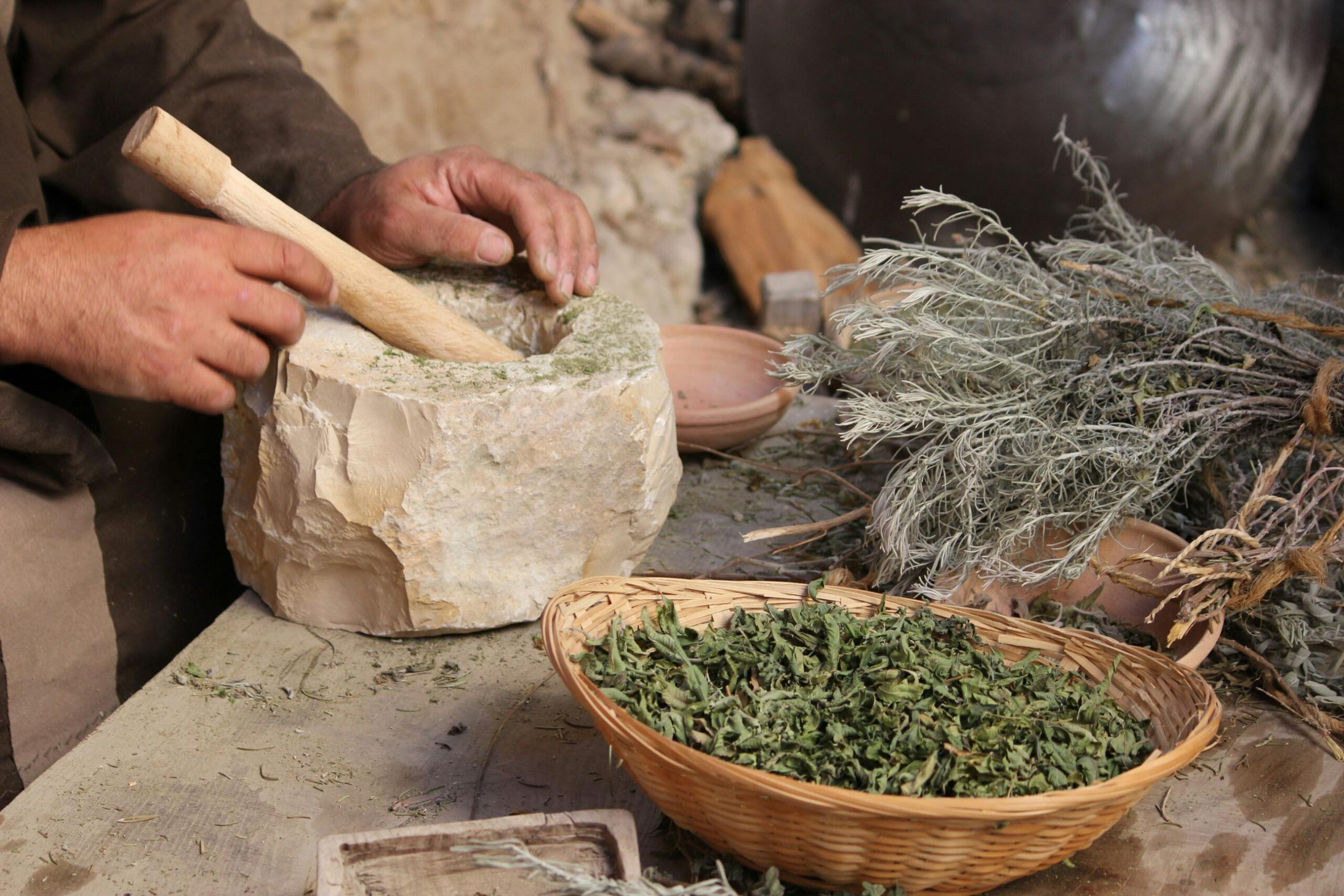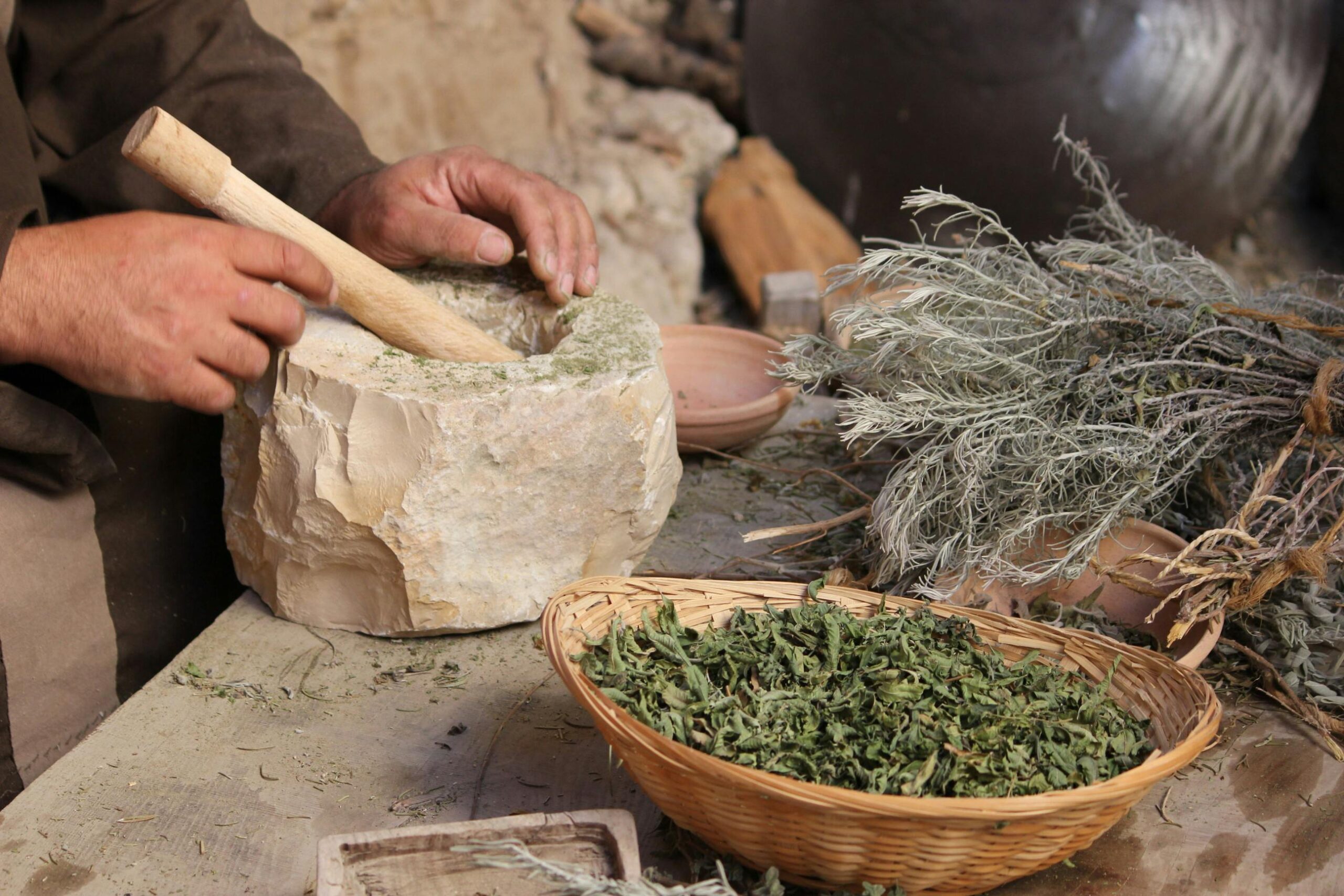
Evidence mapping is transforming how researchers and practitioners explore the therapeutic potential of medicinal plants, creating visual landscapes of scientific knowledge in herbal pharmacology.

🌿 The Evolution of Plant Medicine Research
The journey from traditional herbal remedies to evidence-based botanical medicine represents one of the most fascinating transitions in healthcare history. For thousands of years, plants served as humanity’s primary pharmacy, with knowledge passed down through generations of healers, shamans, and traditional practitioners. Today, we stand at a crossroads where ancient wisdom meets cutting-edge scientific methodology, and evidence mapping has emerged as the bridge connecting these two worlds.
Modern herbal pharmacology demands rigorous scientific validation while respecting traditional knowledge systems. The sheer volume of research published annually on medicinal plants—estimated at over 10,000 studies—creates both opportunities and challenges. Without systematic approaches to organizing this knowledge, valuable insights remain buried in academic databases, inaccessible to those who need them most.
Evidence mapping addresses this challenge by creating comprehensive visual representations of research landscapes. Unlike traditional systematic reviews that answer specific clinical questions, evidence maps provide broad overviews of what is known, what remains uncertain, and where knowledge gaps exist within herbal pharmacology research.
Understanding Evidence Mapping Methodology
Evidence mapping represents a systematic approach to identifying, categorizing, and visualizing research evidence across broad topics. In the context of herbal pharmacology, this methodology serves multiple purposes: identifying research priorities, revealing patterns in traditional use versus scientific investigation, and highlighting where clinical evidence supports or contradicts traditional applications.
The process begins with clearly defined research questions that are deliberately broad. Rather than asking “Does ginger reduce nausea in pregnancy?” an evidence map might explore “What conditions have been studied in relation to ginger use?” This wider scope allows researchers to capture the full spectrum of scientific inquiry surrounding a particular plant or group of botanical medicines.
Key Components of Effective Evidence Maps
Successful evidence mapping in herbal pharmacology requires several essential elements. First, comprehensive search strategies must span multiple databases, including both conventional medical literature repositories and specialized databases focusing on complementary and alternative medicine. PubMed, EMBASE, AMED, and CINAHL represent starting points, but thorough maps also incorporate regional databases where traditional medicine research is often published.
Second, inclusion criteria must balance breadth with relevance. Evidence maps typically include various study designs—from basic laboratory research to clinical trials—creating a complete picture of the evidence base. This multi-level approach is particularly valuable in herbal pharmacology, where mechanistic studies often explain clinical observations and traditional uses.
Third, data extraction and categorization frameworks must capture the unique characteristics of herbal medicine research. Unlike pharmaceutical studies focused on single compounds, botanical research involves complex mixtures with multiple active constituents, various preparation methods, and dose ranges that may differ significantly across studies and traditional practices.
🔬 The Science Behind Plant-Based Therapeutics
Understanding the pharmacological power of plants requires appreciation for their chemical complexity. A single medicinal plant may contain hundreds or thousands of phytochemicals, including alkaloids, flavonoids, terpenes, phenolic compounds, and glycosides. These constituents rarely work in isolation; instead, they interact synergistically, producing therapeutic effects that cannot be attributed to any single component.
Evidence mapping helps illuminate these complex interactions by tracking research across different levels of investigation. Basic research might identify specific compounds and their molecular targets. In vitro studies demonstrate cellular effects. Animal models provide preliminary safety and efficacy data. Clinical trials test real-world applications in human populations. By mapping all these evidence types together, researchers can identify which plants have progressed through the full research pipeline and which remain understudied despite promising preliminary findings.
Bridging Traditional Knowledge and Modern Science
One of the most powerful applications of evidence mapping in herbal pharmacology involves comparing traditional uses with scientific investigation. Many medicinal plants have centuries or millennia of traditional use for specific conditions, yet modern research may focus on entirely different applications. Evidence maps reveal these discrepancies, highlighting where traditional knowledge deserves scientific attention and where contemporary research has discovered novel applications.
For example, turmeric has extensive traditional use in Ayurvedic medicine for digestive disorders, wound healing, and skin conditions. Modern research initially focused heavily on curcumin’s anti-inflammatory properties for conditions like arthritis. Evidence mapping reveals both the overlap—inflammation plays roles in many traditional applications—and the gaps, such as limited clinical research on topical applications despite traditional emphasis on this route of administration.
Practical Applications in Clinical Settings
Healthcare practitioners increasingly face patients who use herbal medicines, either exclusively or alongside conventional treatments. Evidence maps provide clinicians with accessible overviews of the research landscape, supporting informed decision-making and patient counseling. Rather than wading through hundreds of individual studies, practitioners can quickly identify conditions with robust evidence, understand potential herb-drug interactions, and recognize areas where evidence remains insufficient for clinical recommendations.
Integration of herbal pharmacology into clinical practice requires consideration of several factors that evidence maps can help address:
- Quality and standardization of herbal products available in the market
- Appropriate dosing based on traditional use and clinical research
- Potential adverse effects and contraindications
- Drug-herb interactions that may affect patient safety
- Patient populations that may benefit most from botanical interventions
- Conditions where herbal medicines may serve as first-line, adjunctive, or alternative therapies
📊 Visualizing Complex Botanical Data
The visual component of evidence mapping distinguishes it from other systematic review methodologies. Effective visualizations transform dense research data into intuitive formats that reveal patterns, clusters, and gaps at a glance. In herbal pharmacology, several visualization approaches prove particularly valuable.
Heat maps can display the intensity of research activity across different plants and conditions, immediately revealing which botanical-condition pairings have attracted significant scientific attention versus those that remain understudied. Bubble charts might represent individual studies, with bubble size indicating sample size or study quality, positioned on axes representing different variables like type of preparation or outcome measures.
Network diagrams excel at showing relationships between plants, compounds, and biological targets. These visualizations can reveal that seemingly unrelated traditional applications may share common molecular mechanisms, or that different plants used for similar purposes in various traditional medicine systems may act through distinct pathways.
Digital Tools Enhancing Evidence Mapping
Technology has revolutionized evidence mapping capabilities. Specialized software platforms now facilitate collaborative mapping projects, enable interactive visualizations, and support continuous updating as new research emerges. Machine learning algorithms can assist with screening large volumes of literature, identifying relevant studies with increasing accuracy.
Text mining tools extract key information from scientific abstracts and full texts, populating databases that feed into evidence maps. Natural language processing can identify mentions of specific plants, compounds, conditions, and outcomes, dramatically accelerating the mapping process while reducing human error and bias.
Addressing Quality and Standardization Challenges
Herbal pharmacology research faces unique quality challenges that evidence mapping helps expose and address. Botanical identity errors, where plants are misidentified or mislabeled, can compromise entire research programs. Evidence maps that track botanical nomenclature and authentication methods reveal how prevalent this problem is across different research contexts.
Standardization represents another critical issue. Two studies of “ginkgo extract” may use products with vastly different chemical profiles, making direct comparison difficult. Evidence maps can categorize studies by preparation type—fresh plant, dried herb, aqueous extract, alcoholic tincture, standardized extract—revealing whether effects are consistent across preparations or vary significantly.
Geographic variation in plant chemistry adds another layer of complexity. The same species grown in different regions may produce different chemical profiles due to soil conditions, climate, harvest timing, and other factors. Comprehensive evidence maps track these variables, helping researchers understand when geographic origin matters for therapeutic outcomes.
🌍 Global Perspectives on Medicinal Plant Research
Evidence mapping reveals striking geographic patterns in herbal pharmacology research. While certain plants receive intensive investigation in Western research institutions—echinacea, St. John’s wort, ginkgo—vast numbers of medicinal plants used in Africa, Asia, and South America remain scientifically understudied despite extensive traditional use.
This research inequality reflects multiple factors: funding priorities, language barriers affecting publication and dissemination, and differences in research infrastructure. Evidence maps make these disparities visible, supporting advocacy for more equitable distribution of research resources and attention across global botanical medicine traditions.
Regional evidence mapping initiatives are emerging worldwide, documenting local medicinal plants and associated traditional knowledge. These efforts serve multiple purposes: preserving cultural heritage, guiding research priorities, supporting biodiversity conservation, and ensuring indigenous communities receive recognition and benefit-sharing when their knowledge contributes to commercial developments.
Future Directions in Botanical Evidence Synthesis
The field of evidence mapping in herbal pharmacology continues to evolve rapidly. Living evidence maps, continuously updated as new research publishes, represent the next frontier. Rather than static documents that become outdated quickly, these dynamic resources provide real-time overviews of research landscapes.
Integration with other data sources promises to enhance evidence maps further. Linking with chemical databases like PubChem or traditional medicine knowledge bases creates multi-dimensional resources. Connecting with clinical trial registries reveals ongoing research, helping prevent duplication and enabling researchers to identify collaboration opportunities.
Artificial intelligence and machine learning will increasingly automate evidence mapping processes while improving quality. Algorithms can identify patterns human reviewers might miss, predict research gaps likely to yield important findings, and suggest priority areas for clinical investigation based on traditional use prevalence and preliminary scientific data.
💡 Empowering Stakeholders Through Accessible Evidence
Evidence maps serve diverse stakeholders beyond academic researchers. Patients seeking information about herbal treatments benefit from accessible summaries of research evidence. Policymakers making decisions about regulation, insurance coverage, or public health programs need comprehensive overviews that evidence maps provide. Product developers in the botanical industry use evidence maps to identify promising plants for new formulations and to understand competitive landscapes.
Education represents another critical application. Evidence maps provide frameworks for teaching herbal pharmacology, helping students understand research landscapes rather than memorizing isolated facts. Interactive maps allow learners to explore connections between traditional uses, chemical constituents, biological mechanisms, and clinical applications.
Conservation organizations use evidence maps to prioritize protection efforts, focusing on medicinal plants with demonstrated therapeutic value that face harvest pressure or habitat loss. By connecting conservation need with medicinal importance, evidence maps support arguments for sustainable harvesting practices and cultivation initiatives.
Methodological Rigor and Transparency
Quality evidence mapping requires explicit methodology and transparent reporting. The evidence mapping process should be documented thoroughly, allowing others to understand decisions made during map creation and to replicate or update the work. This includes clear statements of research questions, comprehensive search strategies, explicit inclusion and exclusion criteria, and detailed data extraction protocols.
Quality assessment of included studies presents unique challenges in herbal pharmacology. Standard tools designed for pharmaceutical trials may not appropriately evaluate botanical research. Emerging frameworks specific to herbal medicine research consider factors like botanical authentication, preparation standardization, and appropriate dosing based on traditional use. Evidence maps that incorporate quality assessment provide users with more nuanced understanding of evidence strength.
Addressing bias and conflicts of interest remains essential. Research funded by botanical product manufacturers may reach different conclusions than independent investigations. Geographic bias, publication bias favoring positive results, and language bias excluding non-English publications can all distort evidence maps. Transparent reporting of these limitations helps users interpret findings appropriately.
🎯 Transforming Research into Real-World Impact
The ultimate value of evidence mapping lies in translation—converting research knowledge into improved health outcomes. By identifying plants with robust evidence for specific conditions, evidence maps guide clinical practice toward botanicals most likely to provide therapeutic benefit. By revealing safety concerns documented across multiple studies, maps protect patients from potential harm.
Evidence maps also guide future research investment toward areas of greatest need and promise. Identifying research gaps prevents wasteful duplication while highlighting understudied plants with strong traditional use suggesting therapeutic potential. This strategic approach to research prioritization accelerates the pace of discovery in herbal pharmacology.
For the global botanical industry, evidence maps provide competitive intelligence and innovation guidance. Understanding which plants and conditions have attracted research attention, which traditional uses remain unvalidated, and where new clinical evidence has emerged helps companies make informed development decisions aligned with scientific evidence.

Building Collaborative Evidence Mapping Communities
The scale and complexity of herbal pharmacology evidence mapping exceeds what any single researcher or institution can accomplish alone. Collaborative networks are forming globally, pooling expertise and resources to create comprehensive evidence maps. These partnerships span academic institutions, government agencies, non-profit organizations, and industry partners.
Successful collaboration requires shared standards, common data formats, and open science principles. When evidence maps are published in accessible formats with reusable data, others can build upon existing work rather than starting from scratch. Collaborative platforms enable distributed teams to work simultaneously on large mapping projects, dramatically accelerating completion timelines.
Engaging diverse stakeholders enriches evidence mapping. Traditional knowledge holders contribute invaluable perspectives on plant uses and preparation methods. Healthcare practitioners identify clinical questions most relevant to practice. Patients and community members ensure maps address health concerns that matter most to those who might use herbal medicines.
Evidence mapping represents far more than an academic exercise. It is a powerful tool for unlocking the therapeutic potential of medicinal plants through systematic organization and visualization of scientific knowledge. As research volumes continue expanding and computational tools grow more sophisticated, evidence maps will become increasingly central to advancing herbal pharmacology from traditional practice toward fully integrated, evidence-based botanical medicine.
The convergence of traditional wisdom, modern science, and digital technology creates unprecedented opportunities to understand and harness the healing power of plants. Evidence mapping stands at this intersection, illuminating paths forward for research, clinical practice, policy, and patient care in the evolving landscape of botanical therapeutics.