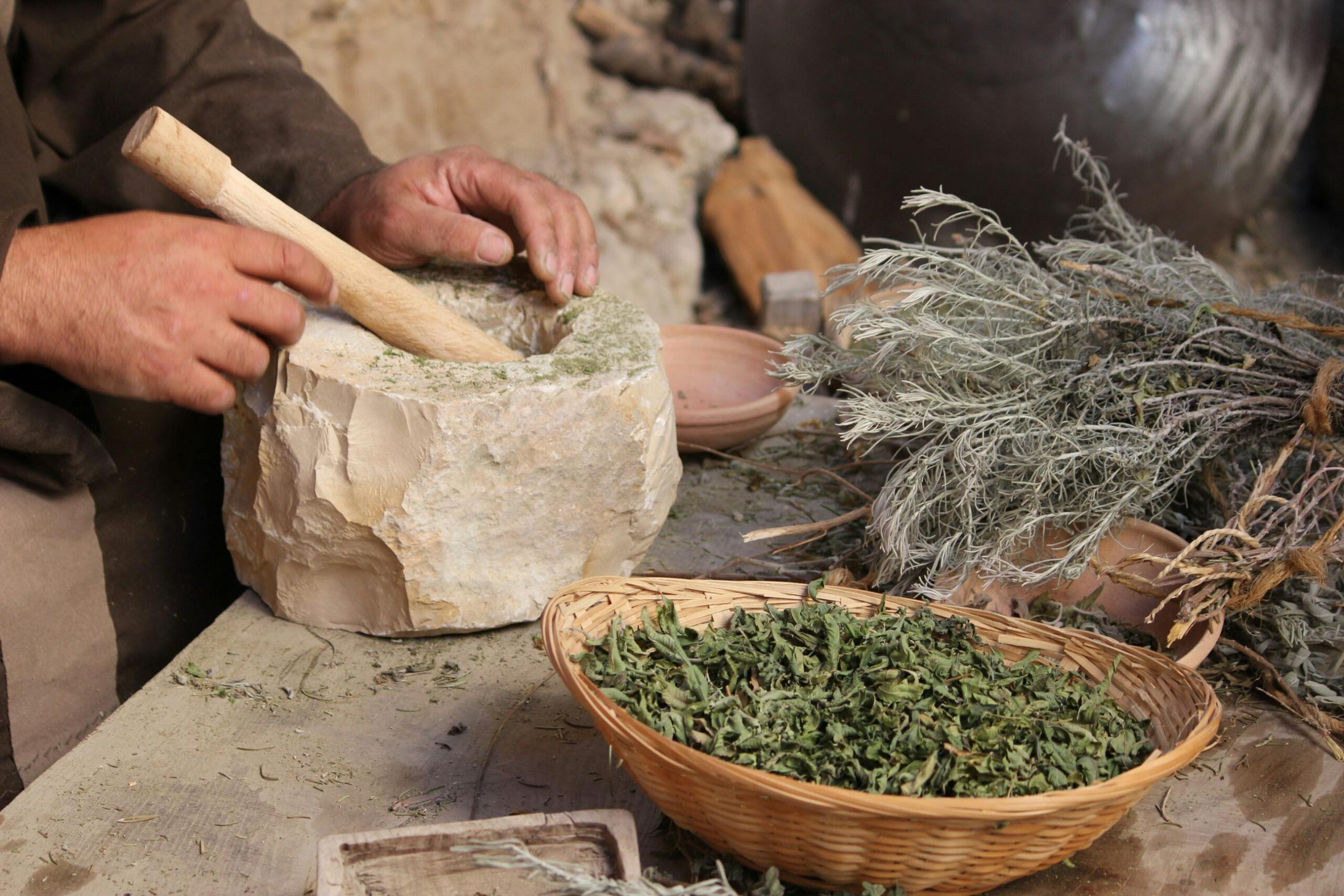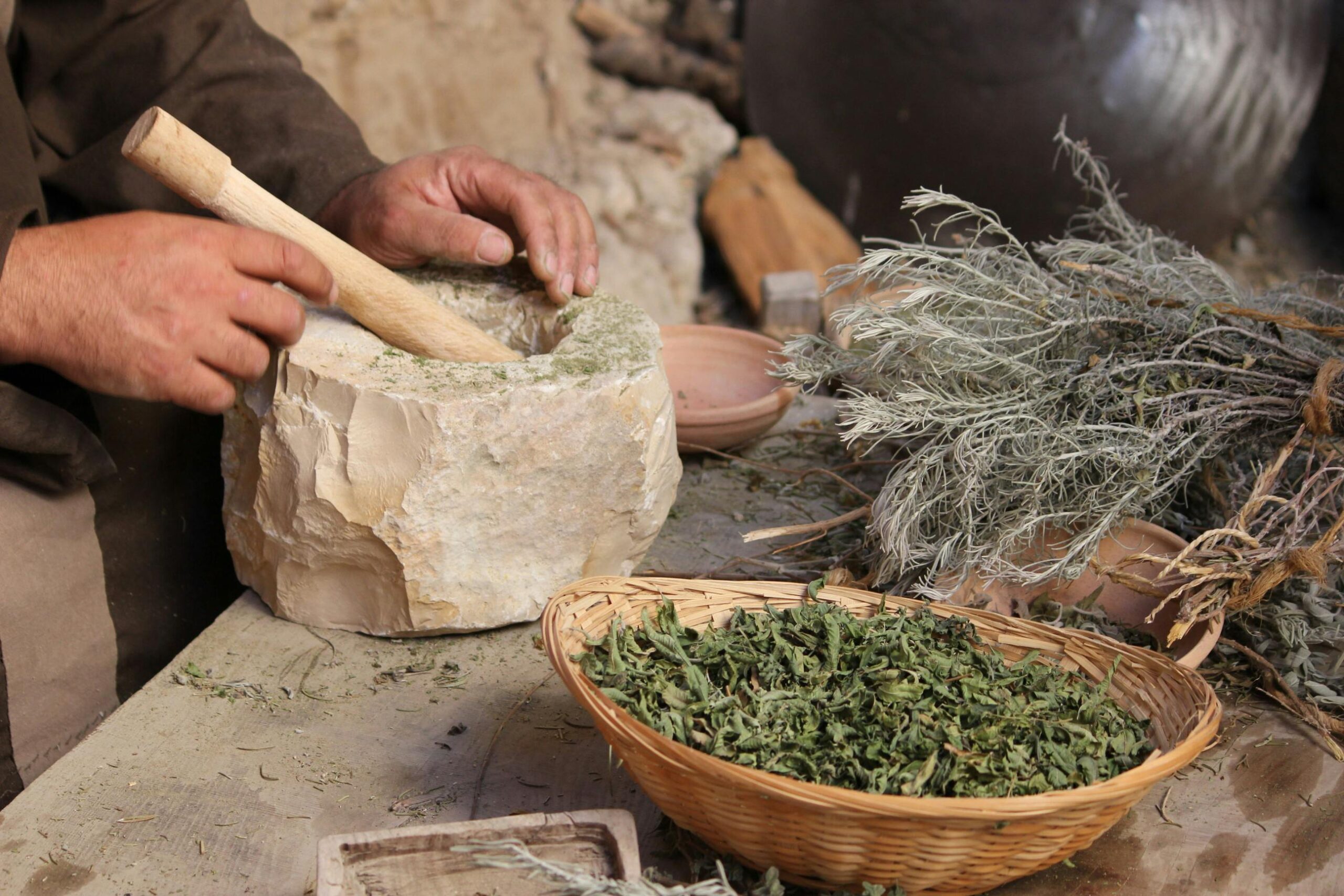
Nature has long been humanity’s first pharmacy, and today we stand at the exciting intersection of ancient botanical wisdom and cutting-edge scientific innovation.

🌿 The Renaissance of Herbal Medicine in the Digital Age
The global herbal medicine market is experiencing unprecedented growth, projected to reach over $400 billion by 2028. This resurgence isn’t merely a trend toward natural remedies—it represents a fundamental shift in how we approach healthcare. Modern consumers increasingly seek plant-based alternatives to synthetic pharmaceuticals, driven by concerns about side effects, sustainability, and holistic wellness.
What makes this renaissance particularly fascinating is the convergence of traditional knowledge with advanced analytical techniques. Researchers now possess sophisticated tools to validate, quantify, and optimize the therapeutic properties that indigenous cultures have known for millennia. This synergy between old and new is revolutionizing herbal pharmacology.
Advanced Analytical Tools Transforming Phytochemical Research
Contemporary herbal pharmacology relies on an impressive arsenal of analytical technologies. High-Performance Liquid Chromatography (HPLC) and Mass Spectrometry (MS) enable scientists to identify and quantify individual compounds within complex plant matrices with remarkable precision. These tools have unveiled the intricate chemical signatures of medicinal plants, revealing why certain herbs produce specific therapeutic effects.
Gas Chromatography-Mass Spectrometry (GC-MS) has become indispensable for analyzing volatile compounds in essential oils and aromatic plants. This technology helps standardize herbal preparations, ensuring consistent potency and safety—a critical requirement for integrating botanical medicines into mainstream healthcare systems.
Spectroscopic Techniques Revealing Molecular Secrets
Nuclear Magnetic Resonance (NMR) spectroscopy provides three-dimensional insights into molecular structures, helping researchers understand how phytochemicals interact with biological targets. Infrared and ultraviolet spectroscopy complement these approaches, offering rapid fingerprinting methods for quality control in herbal product manufacturing.
These spectroscopic methods have accelerated the discovery of novel bioactive compounds. For instance, researchers recently identified previously unknown anti-inflammatory compounds in turmeric using advanced NMR techniques, compounds that traditional extraction methods had overlooked.
🔬 Omics Technologies: Understanding Herbs at the Systems Level
The omics revolution—encompassing genomics, metabolomics, proteomics, and transcriptomics—has fundamentally changed how we study medicinal plants. These technologies allow researchers to examine biological systems holistically rather than focusing on isolated compounds.
Metabolomics, in particular, has proven invaluable for herbal pharmacology. This approach simultaneously analyzes hundreds or thousands of metabolites in plant samples, creating comprehensive chemical profiles. These profiles help identify quality markers, detect adulteration, and understand how environmental factors influence therapeutic potency.
Genomics and the Herbal Supply Chain
DNA barcoding and genomic analysis ensure authenticity throughout the herbal supply chain. This technology combats the persistent problem of herbal product adulteration and misidentification—issues that have plagued the industry and compromised consumer safety. By sequencing specific genetic markers, laboratories can definitively verify plant species, even in processed products where visual identification is impossible.
Transcriptomics reveals which genes activate when plants produce medicinal compounds, insights that could enable cultivation techniques to maximize therapeutic value. Scientists are now developing “enhanced” varieties of medicinal plants with optimized phytochemical profiles through informed breeding programs.
Computational Approaches and Artificial Intelligence
Artificial intelligence and machine learning are accelerating herbal drug discovery at unprecedented rates. These computational tools can predict biological activity, optimize extraction protocols, and identify synergistic compound combinations that traditional trial-and-error methods might never discover.
Network pharmacology represents a paradigm shift in understanding how herbs work. Unlike conventional drugs designed to hit single targets, herbal medicines contain multiple compounds that interact with numerous biological pathways. Network pharmacology maps these complex interactions, revealing the systems-level mechanisms underlying therapeutic effects.
Molecular Docking and Virtual Screening
Molecular docking simulations allow researchers to predict how phytochemicals bind to protein targets before conducting expensive laboratory experiments. This computational approach has identified promising herbal compounds for conditions ranging from cancer to neurodegenerative diseases, dramatically reducing the time and cost of drug development.
Virtual screening of vast chemical libraries derived from medicinal plants can process millions of compound-target interactions in hours—work that would take years using traditional methods. These technologies are democratizing herbal research, enabling smaller laboratories to compete in drug discovery.
📊 Advanced Metrics for Evaluating Herbal Efficacy
Modern herbal pharmacology demands rigorous quantification. Bioavailability studies using pharmacokinetic modeling determine how effectively the body absorbs and utilizes herbal compounds. These metrics are essential for establishing appropriate dosing regimens and understanding why some traditional preparations prove more effective than isolated compounds.
The concept of “effective dose” has been refined through dose-response modeling and meta-analysis of clinical trials. Researchers now use sophisticated statistical methods to determine optimal therapeutic ranges, balancing efficacy against potential adverse effects.
Standardization Through Chemical Markers
Quality control metrics now incorporate multiple chemical markers rather than single compounds. This multi-marker approach better reflects the complexity of herbal medicines and ensures products deliver consistent therapeutic benefits. European Pharmacopoeia and United States Pharmacopeia have established stringent standards that reputable manufacturers must meet.
| Analytical Method | Primary Application | Key Advantage |
|---|---|---|
| HPLC-MS | Compound identification | High sensitivity and specificity |
| NMR Spectroscopy | Structural analysis | Non-destructive, comprehensive data |
| DNA Barcoding | Species authentication | Works on processed materials |
| Metabolomics | Holistic profiling | Captures chemical complexity |
Bridging Traditional Knowledge and Evidence-Based Medicine
One of the most exciting developments in herbal pharmacology is the systematic validation of traditional uses through modern clinical trials. Ethnopharmacological studies document traditional healing practices, which researchers then subject to rigorous scientific investigation using randomized controlled trials and systematic reviews.
This approach respects indigenous knowledge while establishing the evidence base necessary for integration into conventional healthcare. Notable successes include artemisinin for malaria (derived from traditional Chinese medicine) and the cardiac drug digoxin (originally from foxglove), both now essential medicines worldwide.
Personalized Herbal Medicine Through Pharmacogenomics
Pharmacogenomics is enabling personalized herbal medicine approaches. Genetic variations affect how individuals metabolize and respond to phytochemicals. Testing for these variations could allow practitioners to tailor herbal recommendations to individual genetic profiles, maximizing efficacy while minimizing adverse reactions.
This precision approach represents the future of herbal therapeutics—combining the holistic philosophy of traditional medicine with the individualization made possible by modern genetics.
🌍 Sustainability Metrics in Herbal Medicine Development
As demand for herbal medicines grows, sustainability has become a critical concern. Advanced assessment tools now evaluate the environmental impact of harvesting medicinal plants. Geographic Information Systems (GIS) and remote sensing technologies monitor wild plant populations, identifying species at risk of overexploitation.
Life cycle assessment (LCA) methodologies quantify the environmental footprint of herbal products from cultivation through manufacturing and distribution. These metrics guide companies toward more sustainable practices, ensuring medicinal plant resources remain available for future generations.
Cultivation Technologies and Controlled Environments
Controlled environment agriculture, including vertical farming and hydroponic systems, offers sustainable alternatives to wild harvesting. LED lighting optimized for specific wavelengths can enhance the production of desired phytochemicals, while sensors monitor environmental conditions in real-time to maintain optimal growing parameters.
These technologies reduce pressure on wild populations while providing year-round production of consistent, high-quality herbal materials. Some facilities now produce medicinal plants in urban settings, reducing transportation emissions and increasing supply chain transparency.
Overcoming Regulatory Challenges Through Better Data
Regulatory frameworks for herbal medicines vary dramatically across countries, creating barriers to global trade and consumer access. The detailed chemical and pharmacological data generated by advanced analytical tools is helping harmonize these regulations by providing the objective evidence regulators require.
Good Agricultural and Collection Practices (GACP) and Good Manufacturing Practices (GMP) specific to herbal products are becoming standardized internationally. These frameworks ensure quality, safety, and efficacy while respecting the unique characteristics of botanical medicines.
Clinical Trial Design for Complex Mixtures
Traditional clinical trial designs developed for single-molecule drugs often prove inadequate for evaluating herbal medicines, which contain multiple active compounds. Researchers are developing innovative trial designs that account for this complexity, including pragmatic trials that better reflect real-world usage patterns.
Adaptive trial designs use interim data analysis to modify study parameters, improving efficiency when investigating dose ranges and combination therapies. These methodological advances are generating the robust clinical evidence needed for regulatory approval and physician acceptance.
⚡ Nanotechnology Enhancing Herbal Delivery Systems
Nanotechnology is revolutionizing how herbal medicines are formulated and delivered. Many phytochemicals have poor water solubility or low bioavailability, limiting their therapeutic potential. Nanoencapsulation techniques—including liposomes, nanoparticles, and nanoemulsions—dramatically improve absorption and targeted delivery.
These advanced delivery systems protect sensitive compounds from degradation, extend circulation time in the body, and enable controlled release. For example, curcumin nanoparticles demonstrate bioavailability increases of up to 2000% compared to conventional formulations.
Transdermal and Targeted Delivery Innovations
Transdermal patches incorporating herbal extracts offer non-invasive administration with steady drug release, avoiding first-pass metabolism in the liver. Researchers are also developing targeted nanocarriers that deliver phytochemicals specifically to diseased tissues, minimizing side effects and maximizing therapeutic impact.
These technological advances are transforming formerly impractical herbal compounds into viable therapeutic options for conditions ranging from chronic pain to cancer.
The Synergy Factor: Understanding Herbal Combinations
One of herbal medicine’s most distinctive characteristics is synergy—the phenomenon where combined plant compounds produce effects greater than the sum of their parts. Advanced analytical tools are finally enabling scientists to understand and quantify these synergistic interactions.
Systems biology approaches combined with high-throughput screening can test thousands of compound combinations, identifying synergistic pairs and formulations with enhanced efficacy. This research validates the traditional practice of using herbal formulas rather than isolated compounds.
Reverse Pharmacology: From Formula to Mechanism
Reverse pharmacology starts with proven traditional formulas and works backward to identify active compounds and mechanisms of action. This approach has proven more efficient than conventional drug discovery for complex conditions where multiple pathways contribute to disease.
Several pharmaceutical companies now employ reverse pharmacology divisions dedicated to mining traditional medicine systems for new drug leads, recognizing that traditional use provides valuable pre-screening for safety and efficacy.
🔮 Future Horizons: What’s Next for Herbal Pharmacology
The future of herbal pharmacology promises even more exciting developments. Quantum computing may soon tackle the enormous computational challenges of modeling complex herbal formulas and their interactions with human biology. CRISPR gene editing could create medicinal plant varieties optimized for specific therapeutic compounds.
Integration with digital health platforms will enable real-time monitoring of herbal medicine effects, creating massive datasets for machine learning analysis. Wearable sensors could track biomarkers and provide feedback on individual responses to herbal treatments, further personalizing recommendations.
Blockchain for Supply Chain Transparency
Blockchain technology is beginning to transform herbal medicine supply chains, providing immutable records from cultivation through final sale. This transparency combats counterfeiting and ensures authenticity, building consumer confidence in herbal products.
Smart contracts on blockchain networks could automatically verify that products meet quality standards before allowing transactions, creating unprecedented accountability in an industry that has sometimes struggled with quality control issues.
Building Bridges Between Healthcare Systems
The ultimate goal of enhanced herbal pharmacology is integration into mainstream healthcare. This requires dialogue between practitioners of conventional and traditional medicine, supported by rigorous scientific evidence that both communities respect.
Medical schools are increasingly incorporating phytotherapy education, recognizing that physicians need knowledge about herbal medicines whether they prescribe them or not—simply because patients are using them. This education must be evidence-based, drawing on the wealth of data generated by advanced analytical tools.
Interdisciplinary research teams combining botanists, chemists, pharmacologists, clinicians, and traditional healers represent the ideal model for advancing herbal medicine. These collaborations leverage diverse expertise to address complex questions that no single discipline could answer alone.

🌟 Realizing the Full Potential of Nature’s Pharmacy
Advanced tools and metrics are not replacing the wisdom of traditional herbal medicine—they are amplifying it. By applying sophisticated analytical techniques to botanical remedies used for centuries, we are discovering why they work, how to optimize them, and how to integrate them safely into modern medical practice.
This convergence of ancient knowledge and cutting-edge science is expanding treatment options for patients, providing alternatives when conventional therapies fail or produce intolerable side effects. It is also driving pharmaceutical innovation, as bioactive compounds from medicinal plants inspire new drug development.
The power of nature, enhanced by human ingenuity and technological advancement, offers tremendous promise for addressing the health challenges of our time. From chronic diseases to emerging infections, medicinal plants continue to provide therapeutic solutions—now validated and optimized through the best tools science can offer.
As we move forward, the key to success lies in maintaining respect for traditional knowledge while applying rigorous scientific methods, ensuring sustainability while meeting growing demand, and making evidence-based herbal medicines accessible to all who could benefit from them. The future of medicine will undoubtedly include both synthetic pharmaceuticals and optimized natural remedies, working together to promote human health and wellbeing.