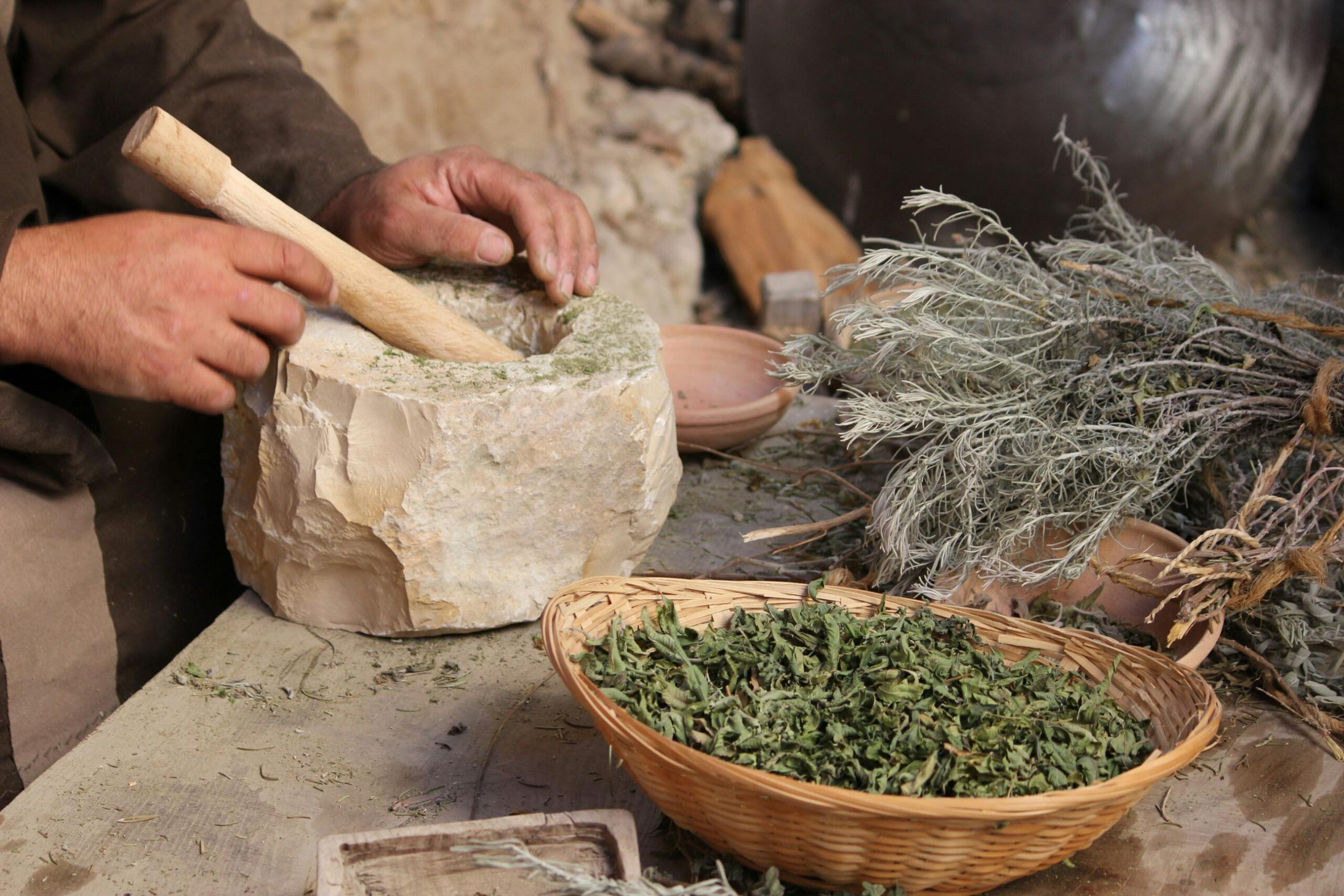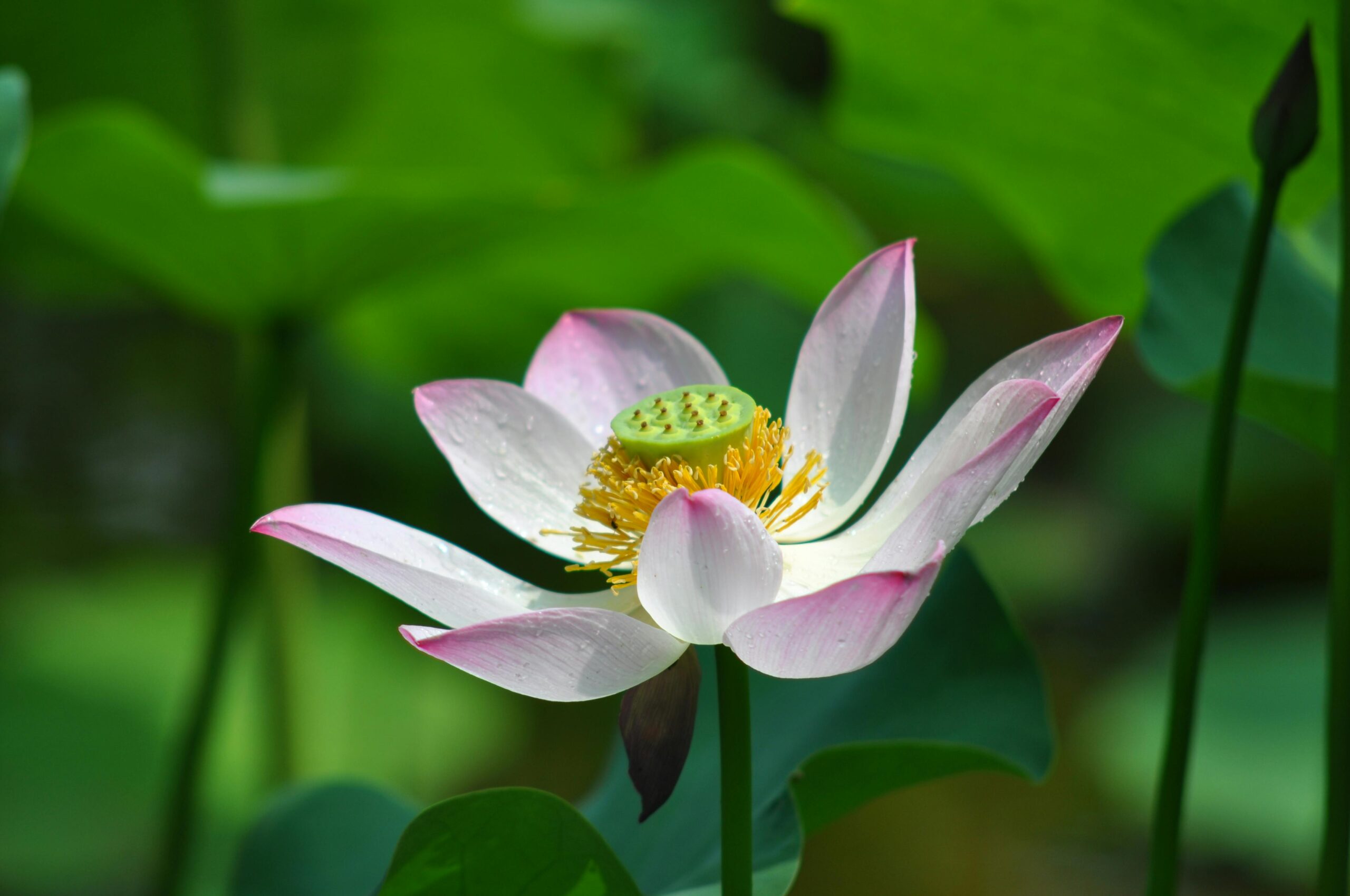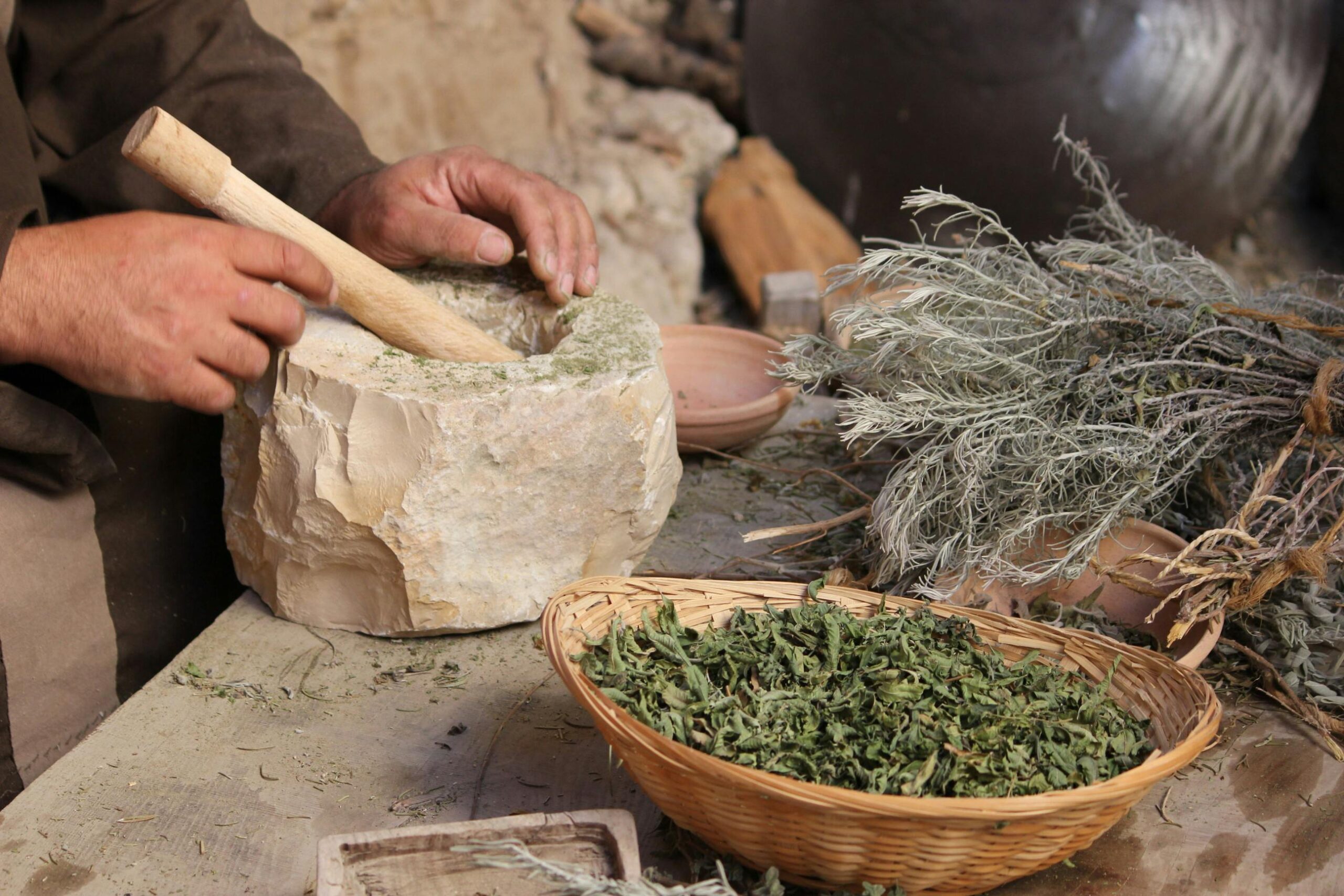
The renaissance of plant-based medicine is transforming healthcare, bridging ancient wisdom with cutting-edge scientific research to offer natural therapeutic solutions.

🌿 The Scientific Foundation of Modern Phytotherapy
Herbal pharmacology has evolved from traditional folklore into a rigorous scientific discipline. Today’s phytotherapy combines centuries of empirical knowledge with advanced analytical techniques, molecular biology, and clinical research methodologies. This integration has validated many traditional uses while revealing previously unknown mechanisms of action that explain how plant compounds interact with human physiology at the cellular level.
Modern research laboratories now employ sophisticated technologies like high-performance liquid chromatography (HPLC), mass spectrometry, and genomic analysis to identify and quantify active phytochemicals. These compounds include alkaloids, flavonoids, terpenoids, phenolic acids, and saponins—each with distinct pharmacological properties that can modulate inflammatory pathways, oxidative stress, neurotransmitter systems, and immune responses.
The standardization of herbal extracts has become paramount in contemporary phytotherapy. Unlike raw plant materials with variable potency, standardized extracts contain guaranteed concentrations of marker compounds, ensuring consistent therapeutic effects. This pharmaceutical approach to botanical medicine has elevated herbal remedies from folk treatments to evidence-based interventions recognized by healthcare professionals worldwide.
Understanding Bioactive Plant Compounds and Their Mechanisms
The therapeutic power of medicinal plants stems from complex mixtures of bioactive molecules working synergistically. Polyphenols, for instance, demonstrate remarkable antioxidant properties by neutralizing free radicals and reducing oxidative damage to cellular structures. These compounds have shown protective effects against cardiovascular disease, neurodegenerative conditions, and certain cancers in numerous clinical investigations.
Alkaloids represent another crucial category of phytochemicals with profound pharmacological activities. Berberine, found in goldenseal and barberry, has demonstrated impressive glucose-lowering effects comparable to some pharmaceutical antidiabetic agents. It activates AMP-activated protein kinase (AMPK), improving insulin sensitivity and glucose metabolism. Similarly, the alkaloid vincristine from Catharanthus roseus has become an essential chemotherapy agent for treating leukemia and lymphomas.
Terpenoids, the largest class of plant secondary metabolites, offer diverse therapeutic applications. Artemisinin from sweet wormwood revolutionized malaria treatment, while menthol from peppermint provides effective relief for digestive discomfort and respiratory congestion. These compounds interact with specific cellular receptors and ion channels, producing targeted physiological responses.
The Entourage Effect in Herbal Medicine
One distinguishing feature of phytotherapy is the “entourage effect”—the synergistic interaction between multiple plant constituents that enhances overall therapeutic efficacy. While pharmaceutical medicine typically isolates single active compounds, whole plant extracts contain numerous molecules that work cooperatively, often producing superior outcomes with fewer adverse effects than isolated constituents.
This phenomenon is particularly evident in cannabis research, where full-spectrum extracts containing multiple cannabinoids and terpenes demonstrate enhanced therapeutic benefits compared to isolated CBD or THC. The same principle applies across botanical medicine: curcumin absorption improves dramatically when consumed with piperine from black pepper, while the various polyphenols in green tea work together to maximize antioxidant and metabolic benefits.
⚕️ Clinical Applications of Evidence-Based Phytotherapy
Contemporary clinical phytotherapy addresses numerous health conditions with substantial research support. Understanding which herbs have robust evidence for specific indications empowers both practitioners and patients to make informed therapeutic choices. The following sections explore key clinical applications backed by systematic reviews, meta-analyses, and randomized controlled trials.
Cardiovascular Health and Metabolic Support
Hawthorn (Crataegus species) has earned recognition as a cardiac tonic with well-documented benefits for heart failure patients. Multiple clinical trials demonstrate that hawthorn extract improves exercise tolerance, reduces symptoms like shortness of breath and fatigue, and enhances quality of life for individuals with mild to moderate congestive heart failure. The herb’s flavonoids and proanthocyanidins improve coronary blood flow and strengthen myocardial contractility.
For cholesterol management, red yeast rice containing naturally occurring monacolins has shown remarkable efficacy. Meta-analyses reveal that standardized red yeast rice preparations significantly reduce LDL cholesterol and total cholesterol levels, with effect sizes comparable to low-dose statin medications. However, quality control remains essential, as products vary considerably in monacolin content and potential contaminants.
Garlic supplementation offers multiple cardiovascular benefits, including modest blood pressure reduction, improved arterial elasticity, and antiplatelet effects. Aged garlic extract, in particular, has demonstrated the ability to reduce coronary artery calcification progression in patients with metabolic syndrome, suggesting genuine protective effects against atherosclerosis development.
Cognitive Function and Neuroprotection
Ginkgo biloba extract has undergone extensive investigation for cognitive enhancement and dementia management. While results show some variability, systematic reviews indicate that standardized Ginkgo extract (EGb 761) provides modest improvements in cognitive function, daily living activities, and neuropsychiatric symptoms in patients with mild to moderate Alzheimer’s disease and vascular dementia. The herb’s effects on cerebral circulation, antioxidant activity, and neuroprotective properties contribute to its therapeutic value.
Bacopa monnieri, a staple of Ayurvedic medicine, has gained recognition for memory enhancement and cognitive support. Clinical trials consistently show that Bacopa supplementation over 12 weeks improves various aspects of memory, including free recall, delayed recall, and learning rate. The herb’s bacosides enhance synaptic transmission and promote neuronal plasticity through multiple mechanisms.
Lion’s mane mushroom (Hericium erinaceus) represents an emerging star in neuropharmacology. Research indicates that its unique compounds—hericenones and erinacines—stimulate nerve growth factor synthesis, potentially supporting neuroregeneration. Preliminary human studies suggest benefits for mild cognitive impairment, while animal research demonstrates impressive neuroprotective effects.
Mood Disorders and Mental Wellness
St. John’s wort (Hypericum perforatum) stands as one of the most extensively researched herbal antidepressants. Multiple meta-analyses confirm its efficacy for mild to moderate depression, with effectiveness comparable to conventional antidepressant medications and superior tolerability. The herb’s hypericin and hyperforin content modulates multiple neurotransmitter systems, including serotonin, dopamine, and norepinephrine.
However, St. John’s wort requires careful consideration regarding drug interactions. As a potent inducer of cytochrome P450 enzymes, particularly CYP3A4, it can significantly reduce blood levels of numerous medications, including oral contraceptives, anticoagulants, immunosuppressants, and HIV medications. This necessitates thorough consultation with healthcare providers before use.
Adaptogenic herbs like Rhodiola rosea and Ashwagandha (Withania somnifera) offer stress-modulating benefits without sedation. Rhodiola has demonstrated the ability to improve stress-related fatigue, enhance mental performance under stress conditions, and reduce burnout symptoms. Ashwagandha shows particular promise for anxiety reduction, with clinical trials revealing anxiolytic effects comparable to some pharmaceutical interventions, along with cortisol-lowering properties.
🔬 Quality Control and Standardization in Herbal Products
The efficacy and safety of phytotherapy depend critically on product quality. Unlike pharmaceuticals with strictly controlled manufacturing processes, herbal supplements face less stringent regulation in many countries, leading to significant variability in potency, purity, and authenticity. Understanding quality markers helps consumers and practitioners select reliable products.
Standardization to specific marker compounds ensures consistent therapeutic doses. For example, quality St. John’s wort extracts should contain 0.3% hypericin, while Ginkgo biloba extracts should provide 24% flavonoid glycosides and 6% terpene lactones. These specifications, typically derived from clinical research, guarantee that products deliver effective concentrations of active constituents.
Third-party testing and certification programs provide additional assurance. Organizations like USP (United States Pharmacopeia), NSF International, and ConsumerLab conduct independent analyses verifying product identity, purity, and potency. Products bearing these certifications have undergone rigorous testing for contaminants including heavy metals, pesticides, microbial organisms, and adulterants.
Addressing Adulteration and Authentication Challenges
Herbal product adulteration remains a persistent problem affecting both efficacy and safety. DNA barcoding and other advanced analytical techniques have revealed widespread substitution of premium herbs with cheaper alternatives. For instance, studies have found products labeled as containing expensive herbs like rhodiola or saffron actually containing unrelated plant materials.
Economic adulteration also occurs through “spiking”—adding synthetic pharmaceutical ingredients to enhance apparent effectiveness. This dangerous practice has been detected in products marketed for sexual enhancement, weight loss, and bodybuilding. Such adulteration transforms supposedly natural supplements into unapproved drugs with unpredictable effects and serious safety risks.
Consumers should prioritize products from reputable manufacturers with transparent supply chains, comprehensive testing protocols, and clear labeling. Good Manufacturing Practice (GMP) certification indicates adherence to quality standards throughout production. Additionally, buying from companies that publish certificates of analysis for their products provides extra confidence in quality and authenticity.
Integration of Phytotherapy in Conventional Healthcare
The incorporation of evidence-based herbal medicine into mainstream healthcare represents a growing trend worldwide. Integrative medicine practices now commonly employ phytotherapeutic approaches alongside conventional treatments, recognizing that plant medicines can complement pharmaceutical interventions, reduce medication requirements, and address conditions poorly served by conventional options.
Healthcare providers embracing phytotherapy require specialized training in botanical medicine, including understanding pharmacokinetics, herb-drug interactions, contraindications, and appropriate dosing strategies. Several medical schools and naturopathic institutions now offer courses in clinical phytotherapy, reflecting growing professional interest in this therapeutic modality.
Patient education remains crucial for successful integration. Individuals using herbal supplements should inform all healthcare providers about their regimens to avoid potential interactions and ensure coordinated care. Open communication between patients and practitioners facilitates safe, effective use of botanical medicines within comprehensive treatment plans.
Regulatory Landscapes and Future Directions
Regulatory approaches to herbal medicines vary dramatically across countries. Germany’s Commission E monographs provide science-based recommendations for herbal use, while the European Medicines Agency’s Committee on Herbal Medicinal Products (HMPC) establishes standards for herbal drugs. These regulatory frameworks balance accessibility with safety, ensuring consumers can access quality botanical medicines.
In the United States, herbal products are primarily regulated as dietary supplements under the Dietary Supplement Health and Education Act (DSHEA). This framework allows broader market access but provides less oversight than pharmaceutical regulations. The FDA monitors safety through adverse event reporting and can take action against unsafe or mislabeled products, but pre-market approval is not required.
Future developments in phytotherapy will likely include more sophisticated extraction technologies, enhanced bioavailability formulations, and personalized phytomedicine approaches based on individual genetic profiles and microbiome characteristics. Pharmacogenomic research is beginning to reveal how genetic variations influence responses to herbal compounds, potentially enabling tailored botanical prescriptions.
🌍 Sustainability and Ethical Considerations in Botanical Medicine
The increasing global demand for medicinal plants raises important sustainability concerns. Overharvesting threatens numerous plant species, with some traditional medicines now endangered due to excessive collection from wild populations. Sustainable sourcing practices, cultivation programs, and conservation efforts are essential to preserve botanical biodiversity while meeting therapeutic needs.
Ethical wildcrafting principles emphasize harvesting only abundant species, taking limited amounts from any location, avoiding rare or threatened plants, and using harvesting techniques that allow regeneration. Organizations like United Plant Savers work to protect at-risk medicinal plants through habitat preservation, cultivation initiatives, and education about sustainable alternatives.
Fair trade practices in the botanical industry ensure that indigenous communities and small-scale farmers receive equitable compensation for their knowledge and labor. Many traditional medicines originate from indigenous healing systems, and respectful collaboration with these communities honors their contributions while supporting local economies. Biopiracy—the unauthorized commercial exploitation of traditional knowledge—remains an ongoing concern requiring vigilant ethical standards.
Practical Implementation: Starting Your Phytotherapy Journey
For individuals interested in incorporating evidence-based herbal medicine into their wellness routines, a thoughtful, informed approach is essential. Begin by researching specific health concerns and identifying herbs with robust scientific support for those conditions. Consulting with qualified practitioners—such as naturopathic doctors, clinical herbalists, or integrative physicians—provides personalized guidance based on individual health status, medications, and goals.
Start with single herbs rather than complex formulations to better understand individual responses and identify any adverse reactions. Maintain consistent dosing schedules according to research-supported protocols, as many herbal effects are dose-dependent and require regular use over weeks to achieve optimal benefits. Keep detailed records of supplements, dosages, and observed effects to track progress and facilitate communication with healthcare providers.
Quality should always take precedence over price when selecting herbal products. Investing in standardized extracts from reputable manufacturers with third-party testing ensures you receive effective, safe formulations. Be patient—unlike pharmaceuticals that often work quickly, herbal medicines typically require sustained use over several weeks before producing noticeable improvements, reflecting their generally gentler, more restorative mechanisms of action.

🌟 Embracing Plant Medicine as Part of Holistic Wellness
Modern herbal pharmacology and clinical phytotherapy represent powerful tools within comprehensive health strategies. These botanical medicines work best when integrated with other wellness practices including balanced nutrition, regular physical activity, stress management, adequate sleep, and positive social connections. Plants offer therapeutic support, but they function most effectively within the context of healthy lifestyle choices.
The growing body of scientific evidence validating traditional plant uses demonstrates that ancient healing wisdom often contained profound insights into plant-human interactions. By combining this traditional knowledge with contemporary research methodologies, we unlock deeper understanding of how botanical compounds can support human health, prevent disease, and optimize wellbeing across the lifespan.
As research continues to reveal the complex pharmacology of medicinal plants, opportunities expand for developing new therapeutic applications, improving extraction and delivery methods, and personalizing botanical treatments. The future of phytotherapy looks promising, with plant medicines poised to play increasingly important roles in both preventive health and disease management.
Whether you’re exploring herbal medicine for the first time or deepening existing knowledge, approach phytotherapy with curiosity, discernment, and respect for both scientific evidence and traditional wisdom. The plant kingdom offers remarkable healing potential—when used knowledgeably and responsibly, these natural medicines can enhance health, support vitality, and reconnect us with the therapeutic power that has sustained humanity throughout history.