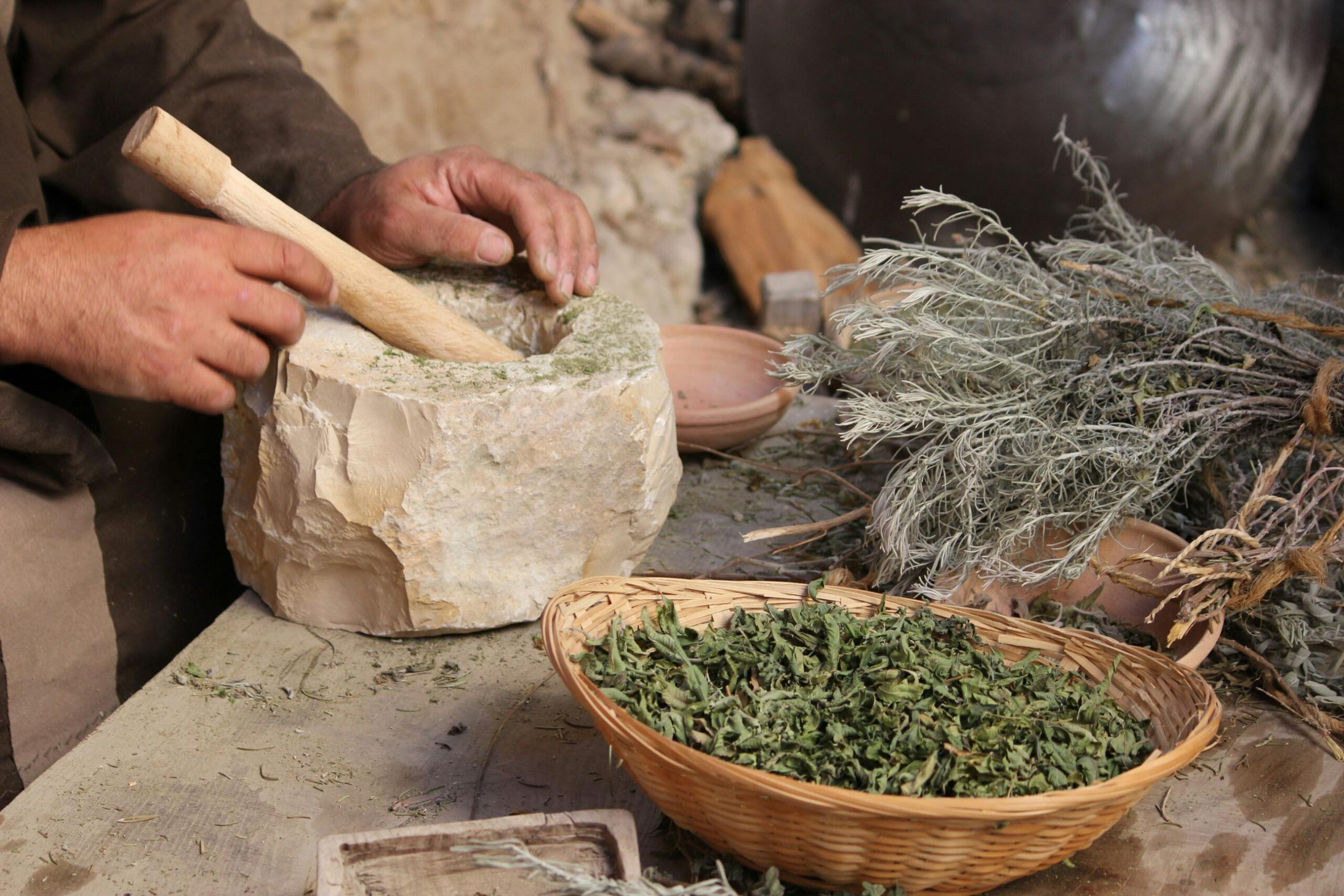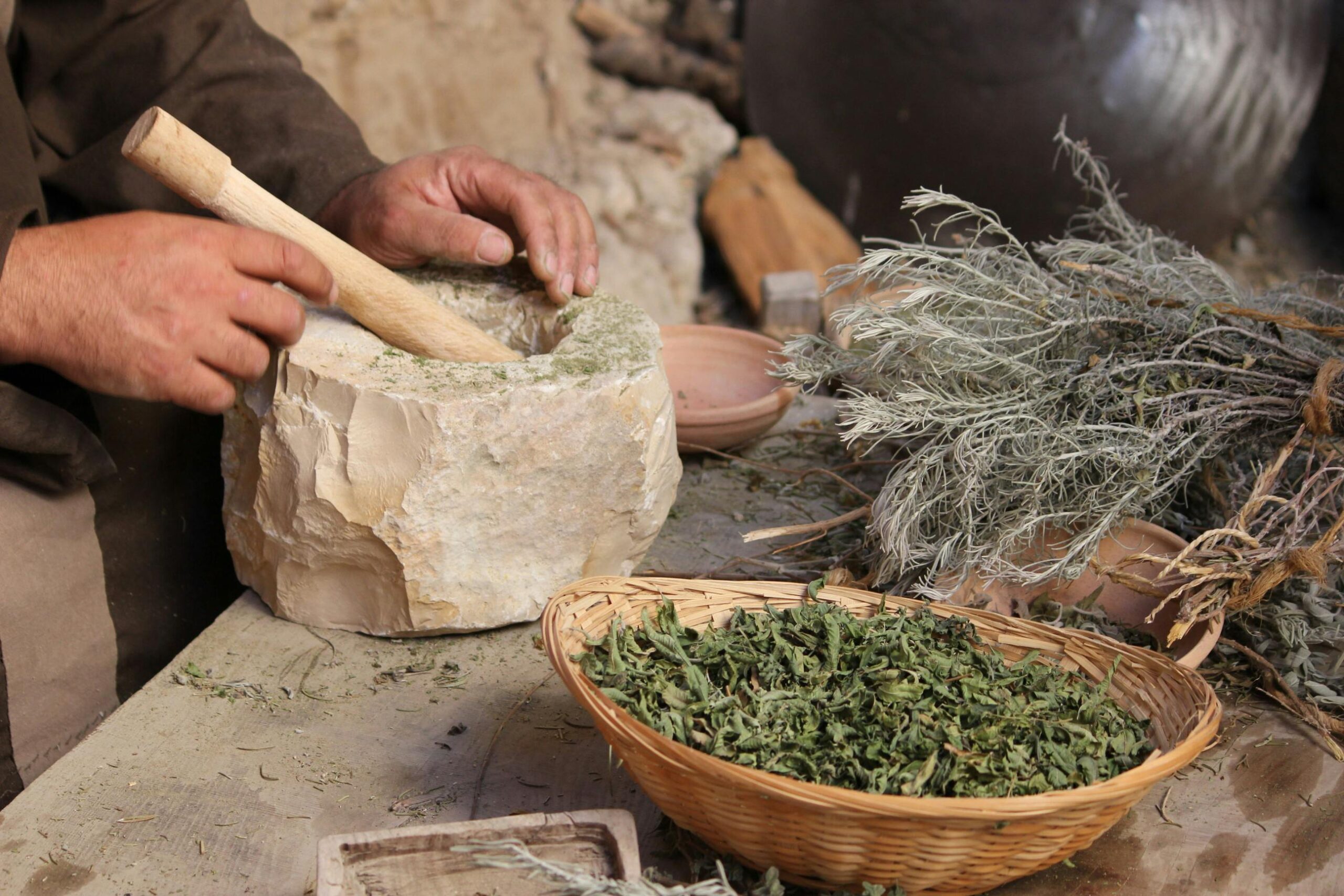
Herbal pharmacology bridges ancient wisdom with modern science, offering natural solutions for wellness that have been trusted for millennia and validated by contemporary research.

🌿 Understanding the Foundation of Herbal Pharmacology
Herbal pharmacology represents the scientific study of medicinal plants and their therapeutic applications in human health. This discipline combines traditional knowledge passed down through generations with rigorous scientific methodology to understand how plant compounds interact with our biological systems. Unlike synthetic pharmaceuticals, herbal remedies often contain multiple active compounds that work synergistically, creating what researchers call the “entourage effect.”
The resurgence of interest in herbal medicine isn’t merely a trend—it’s a recognition that nature has provided us with a vast pharmacopeia of healing compounds. Modern analytical techniques have allowed scientists to identify specific phytochemicals responsible for therapeutic effects, validating many traditional uses while uncovering new applications. This scientific validation has transformed herbal medicine from folk remedy to evidence-based complementary therapy.
Phytochemistry, the study of plant chemicals, has revealed that medicinal herbs contain thousands of bioactive compounds including alkaloids, flavonoids, terpenes, and phenolic acids. Each compound class offers distinct therapeutic properties, from anti-inflammatory and antioxidant effects to antimicrobial and immunomodulatory actions. Understanding these chemical constituents helps practitioners and consumers make informed decisions about herbal interventions.
🔬 The Science Behind Herbal Medicine Effectiveness
The efficacy of herbal remedies stems from complex interactions between plant compounds and human physiology. When we consume medicinal herbs, their active constituents are absorbed through the digestive system, metabolized by the liver, and distributed throughout the body where they influence various biochemical pathways. This pharmacokinetic process determines how quickly herbs take effect and how long their benefits persist.
Research has demonstrated that many herbal medicines work through multiple mechanisms of action. For instance, turmeric doesn’t simply reduce inflammation through one pathway—its active compound curcumin modulates dozens of molecular targets including enzymes, inflammatory mediators, and genetic expression. This multi-targeted approach often results in fewer side effects compared to single-mechanism pharmaceutical drugs.
Clinical trials have substantiated the effectiveness of numerous herbal remedies for specific conditions. St. John’s Wort has shown comparable efficacy to prescription antidepressants for mild to moderate depression. Saw palmetto demonstrates significant benefits for benign prostatic hyperplasia. Ginger effectively reduces nausea and vomiting in various contexts, from pregnancy to chemotherapy. These evidence-based applications represent just a fraction of validated herbal interventions.
Bioavailability and Enhancement Strategies
The bioavailability of herbal compounds—how much of the active ingredient actually reaches systemic circulation—varies considerably between plants and preparation methods. Some phytochemicals have poor absorption rates, which is why traditional medicine often combines herbs with specific foods or other plants to enhance uptake. Black pepper, for example, increases curcumin absorption by up to 2000% through its compound piperine.
Extraction methods significantly impact the concentration and availability of therapeutic compounds. Water-based preparations like teas extract water-soluble constituents, while alcohol tinctures capture both water and fat-soluble compounds. Modern extraction techniques using supercritical CO2 or standardized extracts ensure consistent potency, addressing one historical criticism of herbal medicine—variability in strength.
💊 Essential Herbal Remedies and Their Primary Applications
Building a foundational knowledge of key medicinal herbs empowers individuals to address common health concerns naturally. The following herbs represent cornerstone remedies with substantial scientific support and centuries of traditional use across diverse healing systems.
Adaptogenic Herbs for Stress and Vitality
Adaptogens constitute a unique category of herbs that help the body adapt to stress and maintain homeostasis. Ashwagandha (Withania somnifera) stands out as one of the most researched adaptogens, demonstrating significant effects on cortisol reduction, anxiety management, and cognitive function. Studies show that 300-500mg of standardized ashwagandha extract daily can reduce stress biomarkers by up to 30%.
Rhodiola rosea offers remarkable benefits for physical and mental stamina, particularly during periods of fatigue or demanding activity. This Arctic herb enhances cellular energy production, improves neurotransmitter balance, and supports cardiovascular function under stress. Athletes and professionals facing high cognitive demands often turn to rhodiola for its performance-enhancing properties without stimulant side effects.
Holy basil, or tulsi, represents another powerful adaptogen with additional immunomodulatory and anti-inflammatory properties. Traditional Ayurvedic medicine considers tulsi a tonic for body, mind, and spirit. Modern research confirms its ability to regulate cortisol, support metabolic health, and protect against environmental toxins through its potent antioxidant compounds.
Digestive Health and Herbal Solutions
Gastrointestinal complaints affect millions globally, and herbal medicine offers effective, gentle solutions for many digestive issues. Peppermint (Mentha piperita) contains menthol, which relaxes smooth muscle in the digestive tract, making it highly effective for irritable bowel syndrome, bloating, and indigestion. Enteric-coated peppermint oil capsules deliver therapeutic compounds directly to the intestines where they’re needed most.
Ginger (Zingiber officinale) ranks among the most versatile digestive herbs, addressing nausea, inflammation, and gastroparesis. Its gingerol and shogaol compounds stimulate digestive enzyme production, enhance gastric motility, and provide potent anti-inflammatory effects. Pregnant individuals often use ginger successfully for morning sickness, with research supporting doses of 1-1.5 grams daily as safe and effective.
Slippery elm bark and marshmallow root contain mucilage—gel-like substances that coat and soothe inflamed digestive tissues. These demulcent herbs provide relief for acid reflux, gastritis, and inflammatory bowel conditions by creating a protective barrier along the gastrointestinal lining while reducing irritation.
Cardiovascular Support Through Botanical Medicine
Heart health represents a primary concern in modern society, and several herbs demonstrate significant cardiovascular benefits. Hawthorn (Crataegus species) has been used for centuries as a heart tonic, and contemporary research validates its ability to improve cardiac output, reduce blood pressure, and enhance exercise tolerance in individuals with heart failure. The flavonoids and oligomeric procyanidins in hawthorn strengthen heart muscle contractions and improve coronary circulation.
Garlic (Allium sativum) offers multiple cardiovascular benefits including cholesterol reduction, blood pressure management, and improved endothelial function. The sulfur-containing compound allicin, released when garlic is crushed or chopped, contributes to its therapeutic effects. Aged garlic extract provides a standardized, odorless option that maintains cardiovascular benefits while reducing social concerns about garlic breath.
🌱 Preparing and Administering Herbal Remedies Effectively
The form in which herbs are prepared and consumed dramatically influences their effectiveness. Understanding various preparation methods allows you to select the optimal delivery system for specific herbs and health concerns.
Traditional Preparation Methods
Herbal teas or infusions represent the simplest preparation method, ideal for leaves and flowers. Steeping one to two teaspoons of dried herb in hot water for 10-15 minutes extracts water-soluble compounds like flavonoids and tannins. For roots, bark, and harder plant materials, decoction—simmering in water for 20-45 minutes—proves more effective at extracting medicinal constituents.
Tinctures use alcohol as a solvent to extract both water-soluble and fat-soluble compounds, creating concentrated preparations with extended shelf life. The typical folk method involves covering herbs with 80-100 proof alcohol for 4-6 weeks, shaking daily, then straining. Tincture dosages are measured in drops or milliliters, making them convenient for precise dosing and travel.
Topical applications including salves, ointments, and poultices deliver herbs directly to affected areas for skin conditions, muscle pain, or localized inflammation. Infusing herbs in carrier oils like olive or coconut oil creates the base for these preparations, which can then be thickened with beeswax for salves or applied directly as herbal oils.
Modern Standardized Extracts
Standardized herbal extracts guarantee consistent amounts of key active compounds in each dose, addressing concerns about potency variation in whole herb preparations. These extracts are labeled with percentages indicating the concentration of marker compounds—for example, milk thistle standardized to 80% silymarin or ginkgo standardized to 24% flavone glycosides.
Capsules and tablets offer convenience and precise dosing, particularly important when taking herbs with narrow therapeutic windows or requiring specific amounts for clinical effectiveness. Quality manufacturers use third-party testing to verify purity, potency, and absence of contaminants including heavy metals, pesticides, and microbial contamination.
⚠️ Safety Considerations and Herb-Drug Interactions
While herbal medicines are generally safe when used appropriately, they’re not without risks. Understanding potential adverse effects and interactions ensures safe, effective herbal medicine use.
Common Interaction Patterns
Many herbs influence cytochrome P450 enzymes in the liver—the same enzymes responsible for metabolizing pharmaceutical drugs. St. John’s Wort induces these enzymes, accelerating drug metabolism and potentially reducing effectiveness of medications including birth control pills, anticoagulants, and immunosuppressants. Grapefruit, conversely, inhibits certain enzymes, potentially causing drug levels to rise dangerously high.
Herbs with blood-thinning properties—including garlic, ginger, ginkgo, and feverfew—require caution when combined with anticoagulant medications like warfarin or antiplatelet drugs like aspirin. This combination increases bleeding risk, particularly concerning before surgical procedures. Healthcare providers recommend discontinuing such herbs at least two weeks before elective surgery.
Certain herbs affect blood sugar regulation, necessitating careful monitoring when used alongside diabetes medications. Cinnamon, bitter melon, and fenugreek can lower blood glucose levels, potentially causing hypoglycemia when combined with insulin or oral hypoglycemic drugs. While this effect can be therapeutic, it requires medical supervision and possible medication adjustment.
Contraindications and Special Populations
Pregnancy and lactation represent times when herbal medicine requires extra caution. Some herbs traditionally used to stimulate uterine contractions—including blue cohosh, pennyroyal, and tansy—are contraindicated during pregnancy. Other herbs like ginger and peppermint are generally recognized as safe but should be used in appropriate doses under professional guidance.
Children require adjusted dosing and careful herb selection. Clark’s Rule (child’s weight in pounds divided by 150, multiplied by adult dose) provides a basic framework, though professional guidance ensures safety. Some herbs appropriate for adults are unsuitable for children due to different metabolic rates and developmental considerations.
Individuals with autoimmune conditions should approach immunostimulating herbs cautiously. Echinacea, astragalus, and medicinal mushrooms might theoretically exacerbate autoimmune activity, though evidence remains controversial. Those with autoimmune diseases should consult knowledgeable practitioners before using immune-modulating herbs.
🎯 Integrating Herbal Medicine into Modern Healthcare
The most effective approach to health combines conventional medicine’s strengths with complementary therapies like herbal pharmacology. This integrative model recognizes that different healing systems offer unique advantages for various conditions and circumstances.
Acute, life-threatening conditions typically require conventional medical intervention—antibiotics for serious bacterial infections, surgery for appendicitis, or emergency care for heart attacks. Herbal medicine shines in chronic condition management, prevention, and supporting overall wellness. For conditions like arthritis, anxiety, or digestive disturbances, herbs often provide effective symptom management with fewer side effects than pharmaceutical alternatives.
Communication with healthcare providers about herbal supplement use is essential. Many patients avoid mentioning herbs to their doctors, fearing dismissal or disapproval. However, healthcare providers need complete information about all substances patients consume to avoid dangerous interactions and provide comprehensive care. The growing integration of trained herbalists and naturopathic doctors into healthcare teams facilitates this communication.
Quality Standards and Product Selection
The herbal supplement market varies tremendously in quality. Products range from expertly formulated, rigorously tested preparations to adulterated or contaminated supplements with little resemblance to their label claims. Independent testing organizations like ConsumerLab, NSF International, and USP provide third-party verification of supplement quality, purity, and potency.
Reputable manufacturers follow Good Manufacturing Practices (GMP), ensuring consistent production standards, proper identification of botanical materials, and testing for contaminants. Look for products that include botanical names (Latin binomials), specify plant parts used, and indicate standardization when applicable. These details indicate a manufacturer’s commitment to quality and transparency.
📚 Building Your Herbal Medicine Knowledge Base
Mastering herbal pharmacology requires ongoing education and practical experience. Numerous resources support learning, from academic courses to traditional apprenticeships with experienced herbalists.
Formal education programs range from certificate courses to doctoral degrees in herbal medicine, phytotherapy, or naturopathic medicine. Organizations like the American Herbalists Guild maintain directories of educational programs and practitioners meeting professional standards. These structured programs provide comprehensive training in botany, pharmacology, clinical applications, and safety considerations.
Books remain invaluable resources for herbal study. Classics like “The Complete German Commission E Monographs” provide evidence-based information on herb safety and efficacy. “Medical Herbalism” by David Hoffmann offers comprehensive clinical information, while “The Herbal Medicine-Maker’s Handbook” by James Green teaches practical preparation skills. Building a reference library supports confident, informed practice.
Hands-on experience with growing, harvesting, and preparing herbs deepens understanding in ways that reading alone cannot achieve. Cultivating a medicinal herb garden, even a small one, teaches plant identification, optimal harvest timing, and preparation techniques. Many communities offer herb walks, workshops, and study groups where enthusiasts share knowledge and experience.

🌍 The Future of Herbal Pharmacology
Herbal medicine stands at an exciting crossroads where traditional knowledge meets cutting-edge science. Advanced research techniques including genomics, metabolomics, and systems biology are revealing how complex plant compounds interact with human physiology at molecular levels. This research validates traditional uses while uncovering novel applications for familiar herbs.
Sustainability concerns increasingly influence herbal medicine practice. Overharvesting threatens numerous medicinal plant species, from American ginseng to sandalwood. Ethical herbalists prioritize cultivated herbs, sustainably wild-crafted materials, and abundant species over endangered plants. Supporting companies committed to regenerative agriculture and fair trade practices ensures medicinal plants remain available for future generations.
Personalized herbal medicine represents an emerging frontier, where individual genetic profiles, microbiome composition, and metabolic characteristics guide herb selection and dosing. This precision approach maximizes therapeutic benefits while minimizing adverse reactions, much as pharmacogenomics guides pharmaceutical prescribing. As our understanding of individual variation grows, herbal recommendations become increasingly tailored and effective.
The integration of herbal medicine into mainstream healthcare continues expanding globally. Many European countries include phytotherapy in medical training and national health systems. In the United States, integrative medicine centers at major academic institutions combine conventional treatments with evidence-based complementary therapies including herbal medicine. This trend recognizes that optimal health outcomes often result from combining the best of multiple healing traditions.
Your journey into herbal pharmacology opens doors to a rich tradition of natural healing supported by modern scientific validation. Whether you seek to address specific health concerns, reduce reliance on pharmaceuticals, or simply enhance overall wellness, medicinal herbs offer powerful, accessible tools. Approach this knowledge with respect for both the plants and the accumulated wisdom of healers across cultures and centuries. Start with simple, well-researched herbs, observe how your body responds, and gradually expand your repertoire. The path of herbal medicine rewards patience, curiosity, and mindful attention with improved health and deeper connection to the natural world that sustains us.