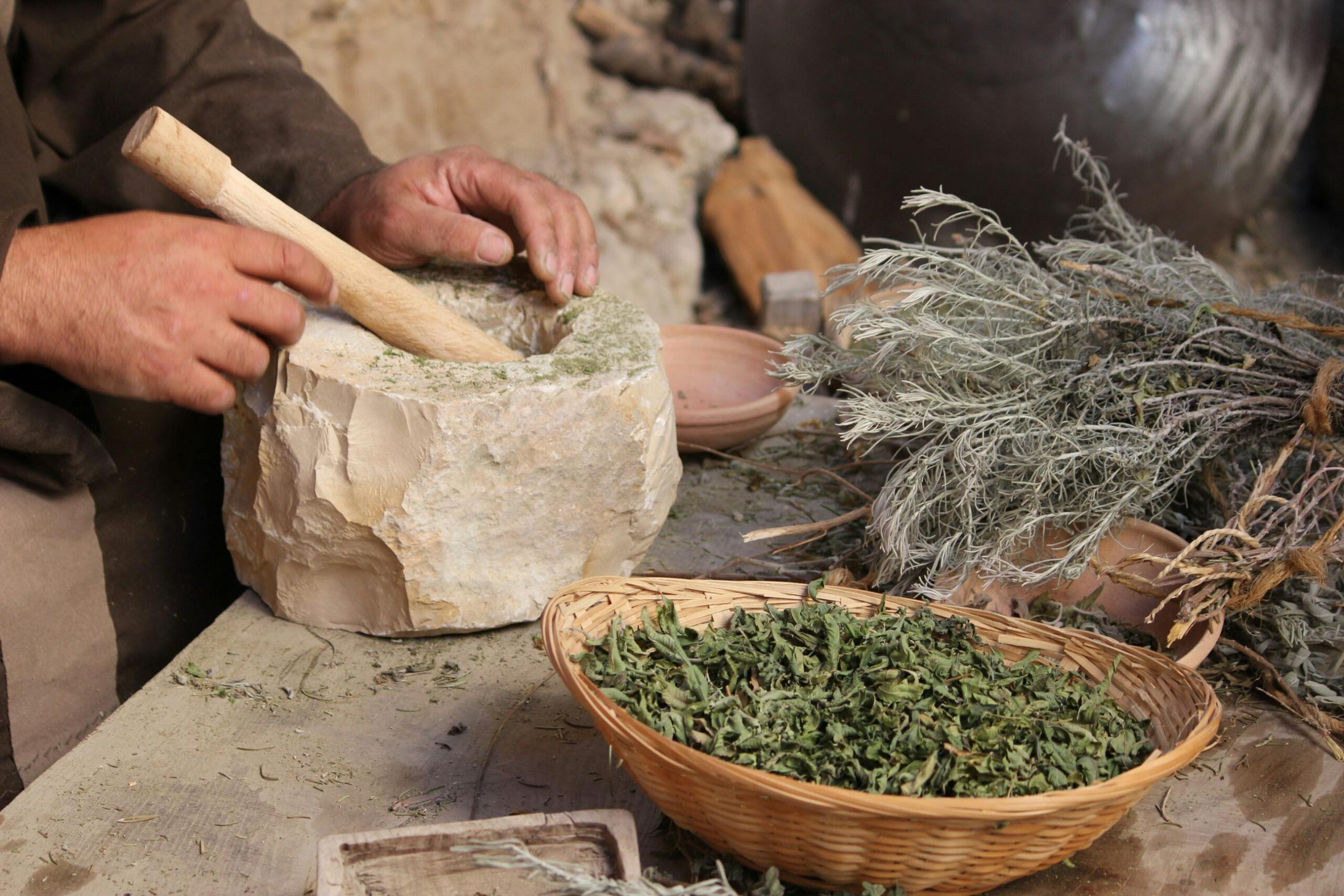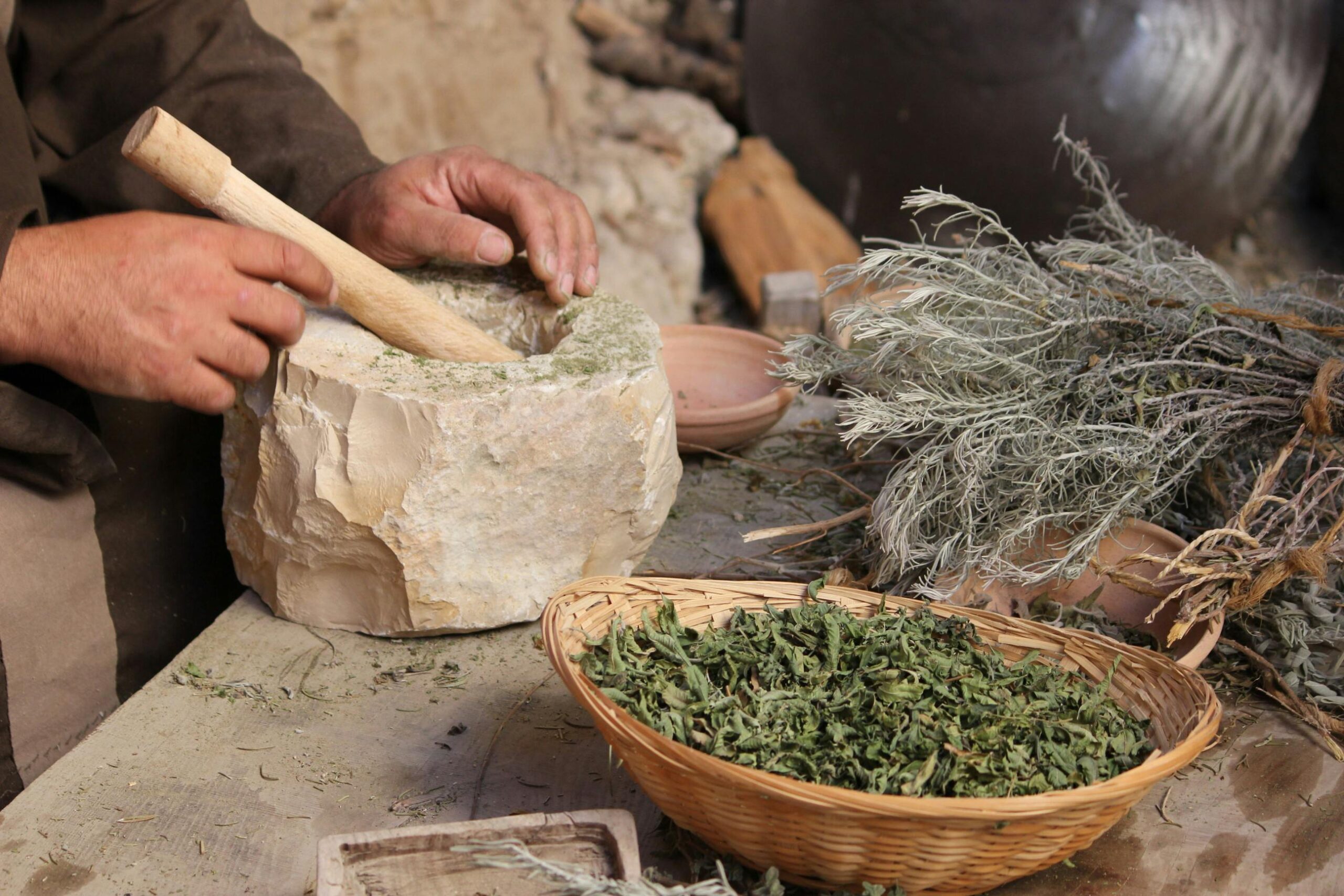
Modern herbal pharmacology represents a fascinating intersection of ancient wisdom and contemporary science, offering tremendous potential for health and wellness in our increasingly complex healthcare landscape.

🌿 The Renaissance of Plant-Based Medicine in Contemporary Healthcare
The global herbal medicine market has experienced explosive growth, reaching valuations exceeding $130 billion annually. This remarkable expansion reflects a fundamental shift in how patients and healthcare providers view therapeutic options. Herbal pharmacology has evolved from traditional folk remedies into a sophisticated discipline supported by rigorous scientific research, clinical trials, and advanced extraction technologies.
Modern herbal pharmacology encompasses the study of medicinal plants and their bioactive compounds, examining how these substances interact with human physiology at molecular and cellular levels. Unlike the empirical approaches of historical herbalism, today’s practitioners utilize chromatography, spectroscopy, and genomic analysis to identify active constituents, standardize preparations, and predict therapeutic outcomes with increasing precision.
This transformation has not occurred in isolation. Consumer demand for natural alternatives, concerns about pharmaceutical side effects, and growing evidence of efficacy have driven both scientific investigation and market expansion. Simultaneously, healthcare systems worldwide face sustainability challenges, making cost-effective botanical interventions increasingly attractive for preventive care and chronic disease management.
📋 Navigating the Complex Regulatory Landscape
The regulatory framework governing herbal products varies dramatically across jurisdictions, creating significant challenges for manufacturers, practitioners, and consumers alike. Understanding these regulations is essential for anyone involved in herbal pharmacology, whether developing products, prescribing treatments, or making informed purchasing decisions.
The United States Approach: DSHEA and Its Implications
In the United States, the Dietary Supplement Health and Education Act (DSHEA) of 1994 established the regulatory framework that continues to govern most herbal products. Under DSHEA, botanical supplements are classified as foods rather than drugs, placing them in a unique regulatory category with distinct requirements and limitations.
This classification means herbal products can be marketed without prior FDA approval, provided manufacturers make no claims to diagnose, treat, cure, or prevent specific diseases. Companies must ensure their products are safe and properly labeled, but the burden of proof differs significantly from pharmaceutical drugs. The FDA can take action against unsafe products after they reach the market, but pre-market approval is not required.
This regulatory approach has both advantages and drawbacks. It facilitates market access for traditional remedies and innovative botanical formulations, supporting industry growth and consumer choice. However, it also creates quality control challenges, as products may vary significantly in potency, purity, and composition between manufacturers or even between batches from the same producer.
European Union Standards: Traditional Herbal Medicinal Products Directive
The European Union takes a more structured approach through the Traditional Herbal Medicinal Products Directive (THMPD), implemented in 2004. This directive established a simplified registration scheme for herbal products with documented traditional use spanning at least 30 years, including 15 years within the EU.
Products registered under THMPD must demonstrate quality and safety through detailed documentation, though full clinical efficacy studies are not required if traditional use is well established. This creates a middle ground between the permissive U.S. system and the rigorous pharmaceutical approval process, acknowledging the historical evidence base while maintaining safety standards.
The directive has standardized herbal medicine regulation across EU member states, though implementation varies somewhat by country. It provides consumers with greater assurance of quality while preserving access to traditional remedies that might not justify the expense of full pharmaceutical development.
Global Variations and Harmonization Efforts
Beyond North America and Europe, regulatory approaches span an even wider spectrum. Traditional Chinese Medicine and Ayurvedic preparations receive special recognition in their countries of origin, with dedicated regulatory pathways and government support. Australia’s Therapeutic Goods Administration has developed a sophisticated tiered system allowing different levels of claims based on evidence strength.
International harmonization efforts, primarily through the World Health Organization, aim to establish common standards for quality, safety, and efficacy assessment. However, cultural differences, economic considerations, and varying healthcare priorities make universal standards challenging to implement.
🔬 Scientific Validation Meets Traditional Knowledge
One of the most exciting developments in modern herbal pharmacology is the convergence of traditional knowledge systems with cutting-edge scientific methodologies. This integration is producing remarkable insights into how botanical medicines work and expanding our understanding of both plant chemistry and human physiology.
Advanced analytical techniques now allow researchers to identify hundreds of compounds within a single plant extract, mapping their chemical structures and potential biological activities. Network pharmacology approaches examine how multiple compounds simultaneously interact with multiple biological targets, reflecting the complex, multi-component nature of herbal medicines that distinguishes them from single-molecule pharmaceutical drugs.
Clinical research has validated numerous traditional uses while occasionally contradicting or refining traditional wisdom. St. John’s Wort for mild to moderate depression, ginger for nausea, and saw palmetto for benign prostatic hyperplasia represent examples where substantial clinical evidence supports traditional applications. Conversely, research has sometimes revealed safety concerns or herb-drug interactions not recognized in historical use.
The Challenge of Standardization and Quality Control
Quality control represents a persistent challenge in herbal pharmacology. Unlike synthetic drugs with defined molecular structures, plant materials vary based on genetics, growing conditions, harvest timing, processing methods, and storage. This variability can significantly affect therapeutic outcomes.
Standardization strategies attempt to address this issue by quantifying specific marker compounds and ensuring consistent concentrations in finished products. However, identifying the right compounds to standardize requires understanding which constituents contribute to therapeutic effects—knowledge that remains incomplete for many herbs.
Good Agricultural and Collection Practices (GACP) and Good Manufacturing Practices (GMP) provide frameworks for maintaining quality from cultivation through final product. Implementation of these standards varies globally, with some manufacturers embracing rigorous quality systems while others operate with minimal oversight.
💼 Public Policy Considerations and Healthcare Integration
The role of herbal medicine within healthcare systems raises important policy questions that governments and health authorities continue to grapple with. These considerations extend beyond regulation to encompass education, insurance coverage, research funding, and integration with conventional medical practice.
Professional Training and Credentialing
Healthcare provider education represents a critical policy area. Most conventional medical training includes minimal instruction in herbal pharmacology, leaving physicians unprepared to counsel patients or recognize potential interactions. Meanwhile, herbalist training varies from rigorous multi-year programs to weekend certification courses with questionable educational value.
Some jurisdictions have established credentialing standards for herbalists and other complementary practitioners, while others lack any regulatory oversight of who can provide herbal recommendations. This inconsistency affects consumer safety and professional legitimacy, creating challenges for practitioners seeking recognition and patients seeking qualified providers.
Progressive healthcare systems are beginning to incorporate herbal medicine education into mainstream medical and pharmacy curricula, recognizing that practitioners need this knowledge whether they personally prescribe botanicals or simply need to understand what their patients are taking.
Insurance Coverage and Economic Considerations
Healthcare financing policies significantly influence herbal medicine accessibility and utilization patterns. In most developed countries, conventional pharmaceutical drugs receive insurance coverage or government subsidies, while herbal products typically require out-of-pocket payment. This creates economic barriers for some patients and may influence treatment choices based on cost rather than optimal therapeutic fit.
Some insurance systems have begun covering certain herbal products, particularly when prescribed by qualified practitioners or for specific evidence-based indications. Germany’s system, which includes herbal medicines in its pharmacopoeia and allows prescription coverage, demonstrates one approach to integration. However, such policies remain exceptions rather than the norm.
Cost-effectiveness analyses increasingly suggest that herbal interventions may offer economic advantages for certain conditions, particularly in preventive care and chronic disease management. These findings may gradually influence policy decisions as healthcare systems seek sustainable approaches to population health.
⚖️ Balancing Access, Safety, and Innovation
Effective policy must balance multiple competing interests: ensuring consumer safety, preserving access to traditional remedies, supporting innovation and research, protecting consumer choice, and maintaining economically viable regulatory systems. These objectives sometimes conflict, requiring thoughtful compromise.
Overly restrictive regulation may eliminate unsafe products but can also remove beneficial traditional remedies, stifle innovation, and create black markets for prohibited substances. Excessively permissive approaches maximize access and choice but may expose consumers to ineffective or dangerous products and undermine confidence in legitimate herbal medicine.
Adverse Event Reporting and Pharmacovigilance
Post-market surveillance systems play crucial roles in identifying safety issues that may not emerge during initial product development. However, adverse event reporting for herbal products remains underdeveloped compared to pharmaceutical drugs. Healthcare providers may not recognize or report herbal-related adverse events, and patients may not associate symptoms with herbal products they view as “natural” and therefore safe.
Strengthening pharmacovigilance for herbal products requires education, accessible reporting systems, and analysis capabilities that account for the unique challenges botanicals present. Unlike single-molecule drugs, herbal products contain multiple constituents that may vary between products, making causality assessment more complex.
Several countries have established specialized herbal pharmacovigilance programs, but global coordination remains limited. International databases and information sharing could significantly enhance safety monitoring, particularly for products traded across borders.
🌍 Global Health Perspectives and Traditional Medicine Systems
In many developing countries, herbal medicine isn’t an alternative or complement to conventional care—it’s the primary healthcare system for the majority of the population. The World Health Organization estimates that 80% of people in some developing countries depend on traditional medicine for primary healthcare needs.
This reality creates different policy priorities than those in industrialized nations. Rather than focusing primarily on integrating herbal approaches into existing conventional systems, many countries must ensure quality, safety, and efficacy of traditional medicine while gradually expanding access to conventional treatments where appropriate.
Intellectual property issues also emerge at this intersection. Traditional knowledge developed over generations by indigenous communities has commercial value for pharmaceutical and herbal product companies. Policies governing access to genetic resources and traditional knowledge, including benefit-sharing arrangements, remain contentious and incompletely resolved.
🔮 Emerging Trends and Future Directions
Several developments are shaping the future landscape of herbal pharmacology, regulation, and policy. Understanding these trends helps stakeholders anticipate challenges and opportunities in this evolving field.
Personalized Botanical Medicine
Advances in genomics, metabolomics, and data analytics are enabling increasingly personalized approaches to herbal medicine. Genetic variations affecting how individuals metabolize specific plant compounds may predict who will benefit most from particular botanicals or who faces elevated risk of adverse effects.
This precision herbal medicine approach could substantially improve outcomes while reducing trial-and-error prescribing. However, it also raises regulatory questions about how to evaluate and approve botanicals that may be recommended based on genetic or metabolic profiles rather than disease diagnosis alone.
Digital Health Integration and Tracking Technologies
Mobile applications and digital health platforms are creating new ways for consumers to track herbal supplement use, learn about potential interactions, and share information with healthcare providers. These technologies could enhance safety monitoring, improve adherence, and generate valuable real-world evidence about botanical medicine effectiveness.
Digital therapeutics combining herbal interventions with behavior change support and monitoring represent another frontier, potentially offering enhanced outcomes compared to botanicals or digital interventions alone. Regulatory frameworks developed for conventional digital health products may require adaptation to address these hybrid approaches.
Sustainability and Ethical Sourcing
Growing demand for herbal products has created sustainability challenges for some plant species. Overharvesting threatens wild populations of popular medicinal plants, while cultivation expansion may impact ecosystems and indigenous communities. Regulatory frameworks increasingly incorporate sustainability requirements, demanding verification of ethical sourcing and environmental responsibility.
Certification programs for sustainable and fair-trade botanical ingredients are emerging, though adoption remains voluntary in most jurisdictions. Future policy may mandate sustainability documentation as a condition of market authorization, particularly for products derived from threatened species or biodiverse regions.
🤝 Building Collaborative Frameworks for Progress
Moving forward effectively requires collaboration among diverse stakeholders: researchers, practitioners, manufacturers, regulators, policymakers, and consumers. Each group brings essential perspectives and expertise to addressing the complex challenges herbal pharmacology presents.
Multi-stakeholder dialogue platforms can identify common ground, develop consensus standards, and create policies that balance competing interests. Several successful models exist, including industry-government partnerships for quality standards development and participatory research approaches incorporating traditional knowledge holders in scientific investigation.
Education represents another critical collaborative opportunity. Healthcare providers, consumers, policymakers, and media professionals all need access to accurate, balanced information about herbal medicine—its potential benefits, limitations, and appropriate use. Developing educational resources that acknowledge uncertainty while providing practical guidance remains an ongoing challenge.

🎯 Practical Pathways Forward for Stakeholders
For consumers, navigating the herbal medicine landscape requires informed skepticism—neither dismissing botanical approaches nor accepting marketing claims uncritically. Seeking products from manufacturers that embrace transparency, quality testing, and compliance with applicable standards provides the best assurance of safety and effectiveness. Consulting qualified healthcare providers and informing all practitioners about supplement use prevents potentially dangerous interactions.
Healthcare professionals benefit from continuing education in herbal pharmacology, evidence-based resources for patient counseling, and open-minded engagement with patients using botanical therapies. Creating non-judgmental environments where patients feel comfortable disclosing supplement use is essential for safety and optimal care coordination.
Manufacturers advancing quality systems beyond minimum regulatory requirements, investing in clinical research, and embracing transparency build consumer trust and professional credibility. Industry leadership in establishing higher standards benefits both public health and long-term business sustainability.
Policymakers and regulators face the complex task of crafting frameworks that protect public safety while supporting beneficial innovation and preserving traditional knowledge. Risk-based approaches that allocate regulatory resources according to potential harm, evidence-based assessment of traditional use claims, and adaptive policies that evolve with emerging evidence offer promising directions.
The intersection of modern herbal pharmacology with regulation and public policy remains dynamic and sometimes contentious. However, this field also offers remarkable opportunities—to honor traditional healing wisdom through scientific validation, to expand therapeutic options for patients and practitioners, to address healthcare sustainability challenges, and to develop more integrative, patient-centered healthcare systems. Realizing this potential requires ongoing commitment to quality, safety, evidence, and collaboration from all stakeholders in this fascinating domain where ancient plants meet contemporary science.