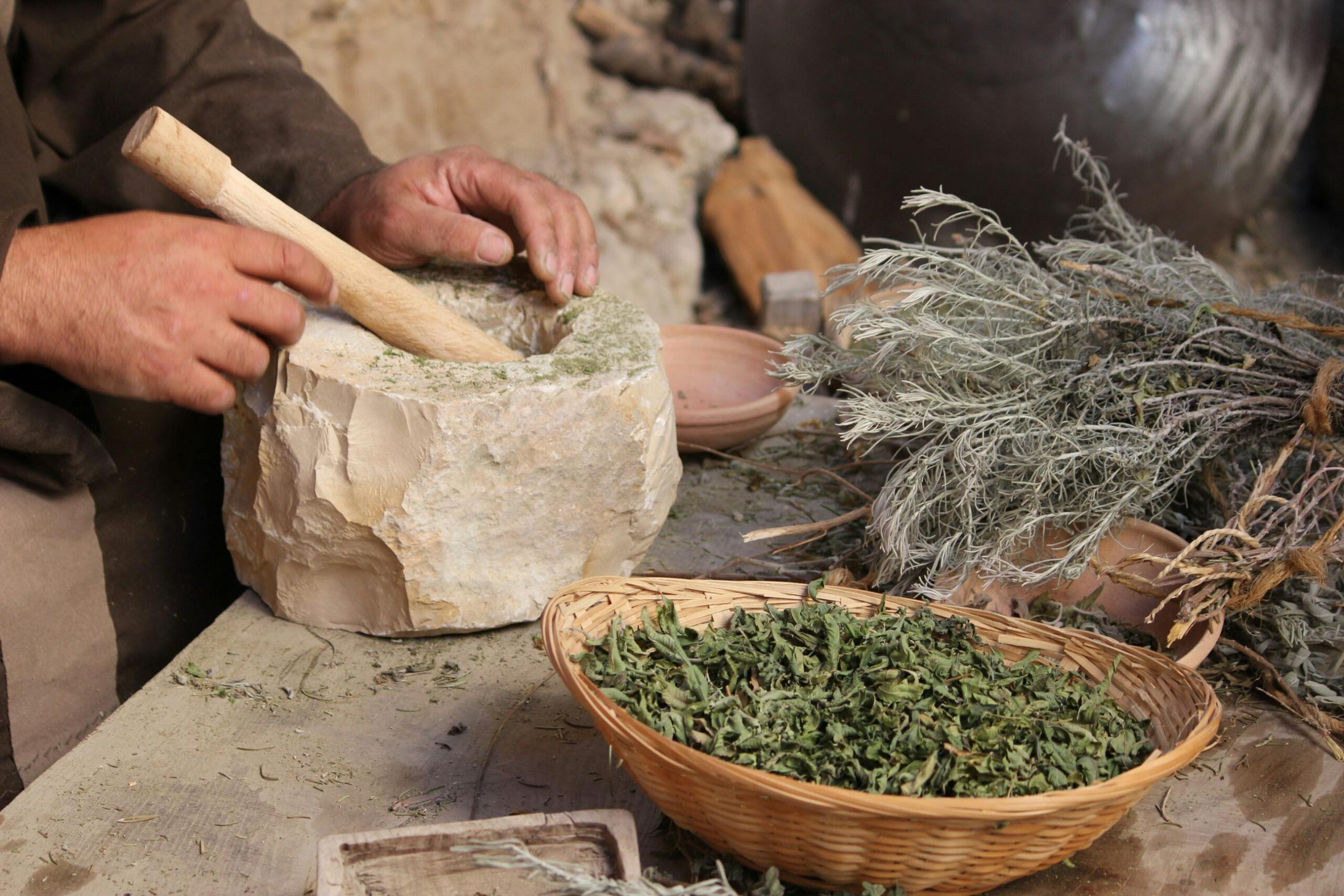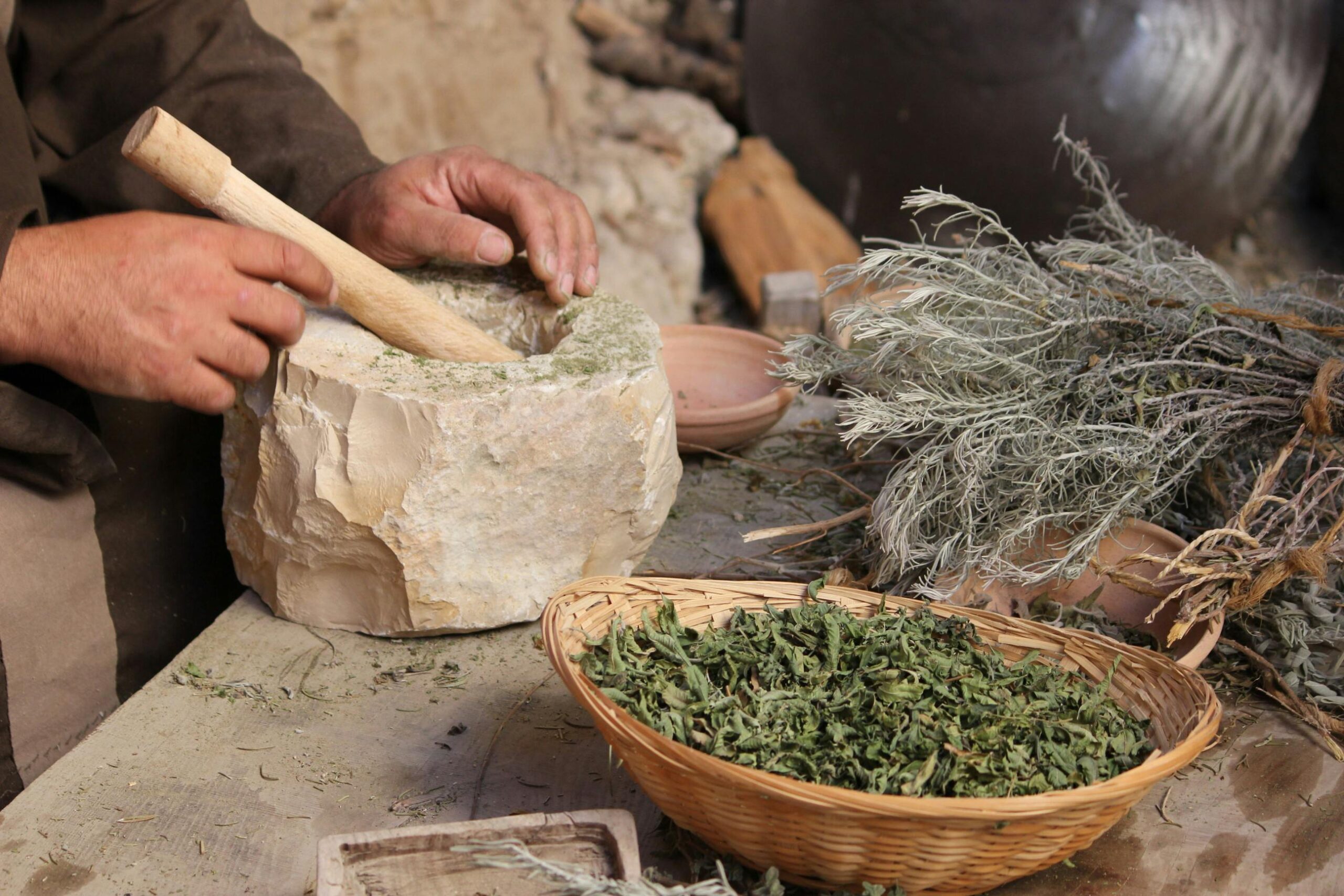
Herbal pharmacology bridges ancient wisdom with modern science, yet practitioners often stumble over preventable errors that compromise patient outcomes and professional credibility.

🌿 Understanding the Foundation of Herbal Pharmacology Success
The integration of herbal medicine into contemporary healthcare represents one of the most significant shifts in modern therapeutic approaches. However, this integration comes with substantial responsibility. Healthcare professionals entering this field must recognize that herbal pharmacology isn’t simply about replacing synthetic drugs with plant-based alternatives. It requires a comprehensive understanding of phytochemistry, pharmacokinetics, drug interactions, and patient-specific considerations that rival conventional pharmaceutical knowledge.
The World Health Organization estimates that approximately 80% of the global population relies on herbal medicines for some aspect of primary healthcare. Yet, the tragic irony lies in how many practitioners—both seasoned and novice—make critical mistakes that undermine the therapeutic potential of these powerful botanical medicines. These errors range from dosage miscalculations to dangerous herb-drug interactions that could have been easily prevented with proper education and vigilance.
The Dangerous Assumption: “Natural Means Safe” 💊
Perhaps the most pervasive and potentially lethal mistake in herbal pharmacology is the assumption that natural equals safe. This fallacy has led to countless adverse events, hospitalizations, and even fatalities. Practitioners must understand that plants produce secondary metabolites as defense mechanisms—many of which are highly toxic at certain concentrations or when combined with specific medications.
Consider digitalis from foxglove, belladonna alkaloids from deadly nightshade, or taxanes from yew trees. These are potent pharmaceutical agents derived from plants, yet nobody would argue they’re inherently safe simply because they’re natural. The therapeutic window—the range between an effective dose and a toxic dose—can be remarkably narrow with many herbal preparations.
Professional practitioners must educate themselves on the specific toxicological profiles of every herb they recommend. This includes understanding hepatotoxic herbs like kava and comfrey, nephrotoxic species containing aristolochic acid, and cardiovascular stimulants like ephedra that have led to regulatory actions worldwide.
Ignoring Standardization and Quality Control Issues ⚗️
The herbal supplement industry faces significant challenges regarding product consistency and quality. Unlike pharmaceutical medications that contain precisely measured active ingredients, herbal products can vary dramatically in potency based on growing conditions, harvesting time, processing methods, and storage practices.
Practitioners who fail to consider these variables set themselves up for inconsistent clinical outcomes. A study published in the Journal of the American Medical Association found that nearly 25% of Ayurvedic herbal medicine products purchased online contained detectable levels of lead, mercury, or arsenic. Another analysis discovered that many echinacea products contained no detectable echinacea at all.
Selecting Quality Herbal Products
Successful practitioners establish relationships with reputable suppliers who provide certificates of analysis, third-party testing verification, and transparent sourcing information. They look for standardized extracts that specify the concentration of marker compounds, ensuring consistent therapeutic effects across different batches.
The importance of Good Manufacturing Practices (GMP) certification cannot be overstated. Products manufactured under GMP guidelines undergo rigorous quality control testing for identity, purity, strength, and composition. Practitioners should familiarize themselves with certification bodies like NSF International, US Pharmacopeia (USP), and ConsumerLab that independently verify product quality.
Overlooking Critical Herb-Drug Interactions 🔬
The cytochrome P450 enzyme system represents one of the most critical concepts in understanding herb-drug interactions, yet many practitioners lack sufficient knowledge in this area. These hepatic enzymes metabolize approximately 75% of all pharmaceutical medications, and numerous herbs either induce or inhibit these pathways, leading to potentially dangerous alterations in drug levels.
St. John’s Wort serves as the classic example—this popular antidepressant herb induces CYP3A4, potentially reducing the effectiveness of dozens of medications including oral contraceptives, anticoagulants, immunosuppressants, and antiretroviral drugs. The consequences can range from unplanned pregnancies to organ rejection in transplant patients.
Conversely, grapefruit and certain herbs inhibit these enzymes, causing medication levels to rise to toxic ranges. Practitioners must maintain updated interaction databases and conduct thorough medication reviews before recommending any herbal therapy.
High-Risk Combinations to Monitor
- Warfarin with garlic, ginkgo, or dong quai: Increased bleeding risk due to antiplatelet effects
- SSRIs with St. John’s Wort: Potential serotonin syndrome
- Immunosuppressants with echinacea: Counterproductive immune stimulation
- Diabetes medications with gymnema or bitter melon: Risk of hypoglycemia
- Thyroid hormones with kelp or bladderwrack: Unpredictable thyroid function
Inadequate Patient Assessment and Contraindication Screening 📋
Thorough patient assessment forms the cornerstone of safe herbal prescribing, yet practitioners often rush this crucial step. A comprehensive intake should include current medications, supplements, medical history, allergies, pregnancy or breastfeeding status, scheduled surgeries, and organ function status.
Certain populations require extra caution. Pregnant and breastfeeding women need specialized consideration, as many herbs cross the placental barrier or appear in breast milk. Children metabolize herbs differently than adults, requiring adjusted dosing and careful herb selection. Elderly patients often have compromised organ function and multiple medications, creating complex interaction scenarios.
Practitioners must also screen for specific contraindications. For instance, patients with autoimmune conditions should generally avoid immune-stimulating herbs. Those with hormone-sensitive cancers need to avoid phytoestrogenic herbs. Patients with upcoming surgeries should discontinue anticoagulant herbs at least two weeks prior to prevent excessive bleeding.
Dosing Errors and Duration Mistakes 💉
Proper dosing in herbal pharmacology proves far more complex than many practitioners realize. Unlike standardized pharmaceutical dosing, herbal doses depend on the preparation method, plant part used, extraction ratio, and standardization level. A common mistake involves assuming that recommended label doses apply universally across all products.
Traditional herbalists often used whole plant preparations, while modern products frequently contain concentrated extracts that may be 5:1, 10:1, or even higher ratios. A 500mg capsule of a 10:1 extract represents 5,000mg of the original herb—a crucial distinction that impacts therapeutic effects and safety profiles.
Duration of Use Considerations
Another critical error involves inappropriate treatment duration. Some herbs are suitable for long-term use, while others should be employed only for acute conditions. Stimulating herbs like ephedra or high-dose licorice can cause adverse effects with extended use. Even generally safe herbs may require periodic breaks to prevent tolerance or accumulation of certain compounds.
The German Commission E monographs provide valuable guidance on appropriate duration, with many herbs recommended for specific time periods followed by reassessment. Practitioners should establish clear treatment timelines with built-in evaluation points rather than allowing patients to continue herbs indefinitely without monitoring.
Neglecting Evidence-Based Practice Standards 📚
The herbal medicine field has matured significantly, with thousands of clinical trials and systematic reviews now available. Yet, some practitioners continue relying solely on traditional use or anecdotal evidence while ignoring quality research. This approach undermines professional credibility and may deprive patients of more effective treatments.
Evidence-based herbal medicine doesn’t mean rejecting traditional knowledge—it means integrating traditional wisdom with contemporary research to optimize patient outcomes. Databases like PubMed, the Cochrane Library, and the Natural Medicines Comprehensive Database provide access to peer-reviewed research that should inform clinical decisions.
Practitioners should develop skills in critically appraising herbal research, understanding study design limitations, and recognizing when evidence supports or contradicts traditional uses. This balanced approach allows for innovation while maintaining safety and efficacy standards expected in modern healthcare.
Poor Documentation and Monitoring Practices 📝
Inadequate record-keeping represents both a medical liability and a missed opportunity for clinical learning. Comprehensive documentation should include the specific herb, dosage, frequency, duration, expected outcomes, and monitoring plan. This creates accountability and allows for systematic evaluation of treatment effectiveness.
Regular follow-up appointments enable practitioners to assess treatment response, identify adverse effects early, and make necessary adjustments. Baseline and follow-up laboratory testing may be appropriate for certain herbs, particularly those with hepatotoxic or nephrotoxic potential. Liver function tests should be considered when prescribing kava, black cohosh, or other herbs with documented hepatotoxicity concerns.
Failing to Recognize When Conventional Medicine Is Necessary 🏥
Perhaps the most ethically serious error involves delaying or replacing necessary conventional treatment with herbal alternatives. While herbs offer valuable therapeutic options, they cannot treat all conditions effectively. Practitioners must recognize their scope of practice and the limitations of herbal medicine.
Acute bacterial infections, severe cardiovascular events, advanced cancers, and other serious conditions typically require conventional medical intervention. Using herbs as complementary support alongside conventional treatment often makes sense, but replacing proven therapies with unproven alternatives can result in tragic outcomes and legal liability.
Professional integrity requires honest communication about what herbal medicine can and cannot accomplish. This includes providing realistic expectations about treatment timelines, acknowledging when insufficient evidence exists, and facilitating appropriate referrals when conventional medicine is warranted.
Inadequate Continuing Education and Professional Development 🎓
The herbal pharmacology field evolves rapidly, with new research, safety alerts, and regulatory changes occurring constantly. Practitioners who fail to engage in ongoing education quickly become outdated, potentially endangering patients with obsolete information.
Professional organizations like the American Herbalists Guild, the American Botanical Council, and academic institutions offer continuing education opportunities that keep practitioners current. Subscribing to peer-reviewed journals, attending conferences, and participating in professional networks ensures access to emerging information.
Additionally, regulatory landscapes shift frequently. The FDA periodically issues warnings about specific herbs or products, and international regulatory bodies like the European Medicines Agency provide valuable safety information. Staying informed about these developments protects both patients and professional practice.
Building a Sustainable and Successful Practice 🌱
Success in herbal pharmacology extends beyond avoiding mistakes—it requires building systems that promote consistent excellence. This includes developing standardized patient intake forms, creating herb-drug interaction checking protocols, establishing relationships with quality suppliers, and implementing systematic monitoring procedures.
Successful practitioners also cultivate collaborative relationships with conventional healthcare providers. Rather than positioning herbal medicine as antagonistic to mainstream medicine, integrative approaches recognize the value of both systems. This collaboration enhances patient care, increases professional credibility, and creates referral networks that benefit all parties.
Insurance and liability considerations deserve attention as well. Appropriate professional liability insurance, clear informed consent procedures, and thorough documentation protect practitioners legally while demonstrating professional standards. Some jurisdictions have specific requirements for herbal practitioners, and compliance with local regulations is non-negotiable.
Transforming Mistakes Into Mastery 🎯
The path to excellence in herbal pharmacology requires acknowledging that mistakes happen, learning from them systematically, and implementing safeguards to prevent repetition. Creating a culture of continuous improvement rather than defensive perfectionism allows for professional growth and enhanced patient safety.
Peer consultation, case reviews, and participation in professional communities provide opportunities to learn from collective experience. When adverse events occur, thorough analysis of contributing factors—rather than simply blaming the herb or the patient—leads to meaningful improvements in practice protocols.
The integration of technology can support error reduction as well. Electronic health records with herb-drug interaction checking, digital dosing calculators, and patient tracking systems reduce human error while improving efficiency. However, technology should augment rather than replace clinical judgment and individualized patient assessment.

The Future Belongs to Informed Practitioners 🚀
As healthcare systems worldwide increasingly recognize the value of integrative approaches, demand for competent herbal medicine practitioners continues growing. However, this expanding acceptance comes with heightened expectations for professionalism, evidence-based practice, and safety standards.
Practitioners who avoid common mistakes, commit to ongoing education, implement robust safety protocols, and collaborate effectively with conventional healthcare providers will thrive in this evolving landscape. Those who cling to outdated practices, ignore scientific evidence, or fail to recognize their professional limitations will find themselves marginalized and potentially facing legal consequences.
The power of herbal pharmacology to improve patient outcomes is undeniable, but this power must be wielded with knowledge, skill, and humility. By understanding and avoiding the common mistakes outlined here, practitioners position themselves for success while honoring the trust patients place in their expertise. The future of herbal medicine belongs to those who respect both its tremendous potential and its significant responsibilities.