The integration of mind and body through healing techniques has become a powerful movement, reshaping how we understand health, wellness, and our responsibility to ourselves and others.

🌟 The Ancient Wisdom Meeting Modern Science
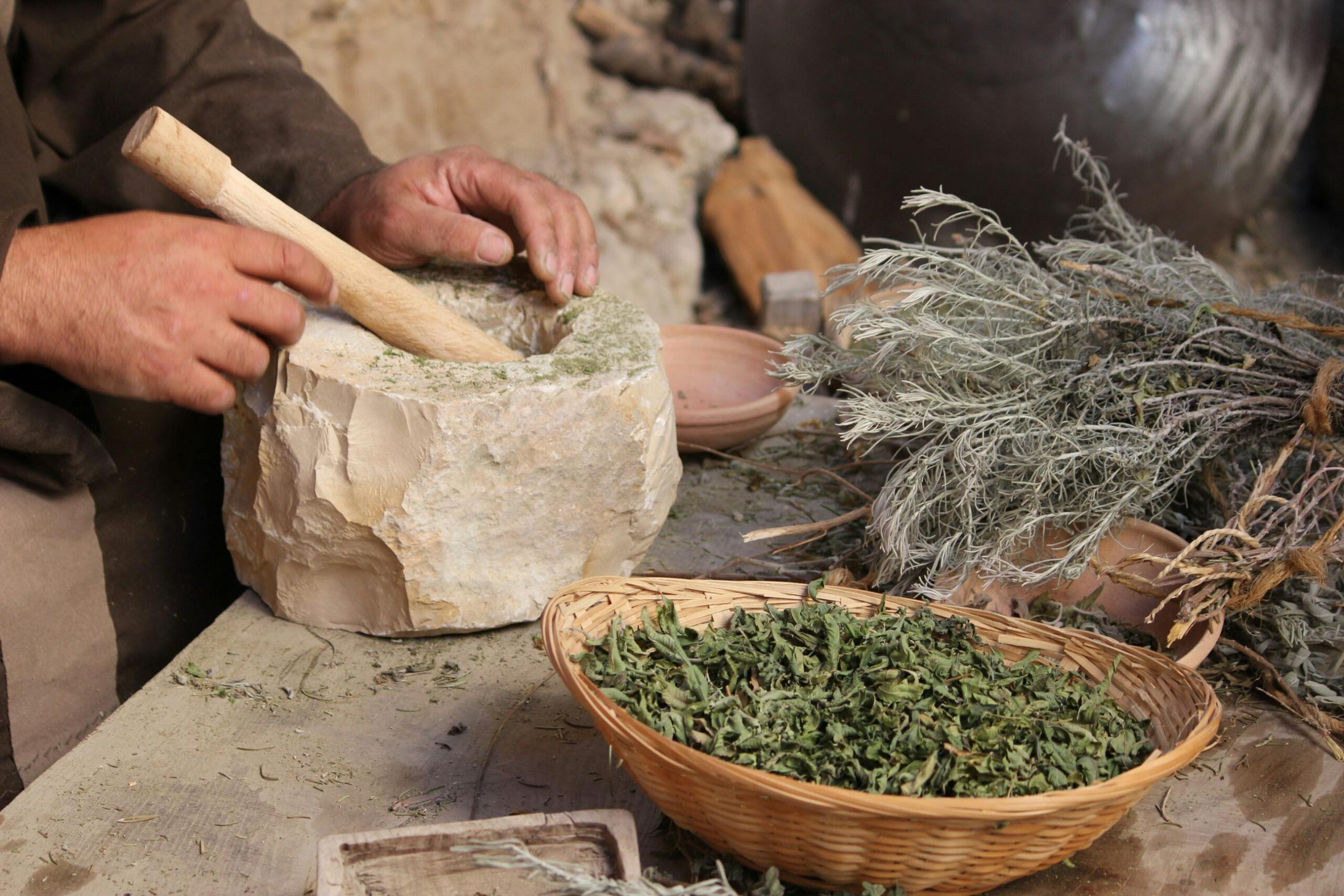
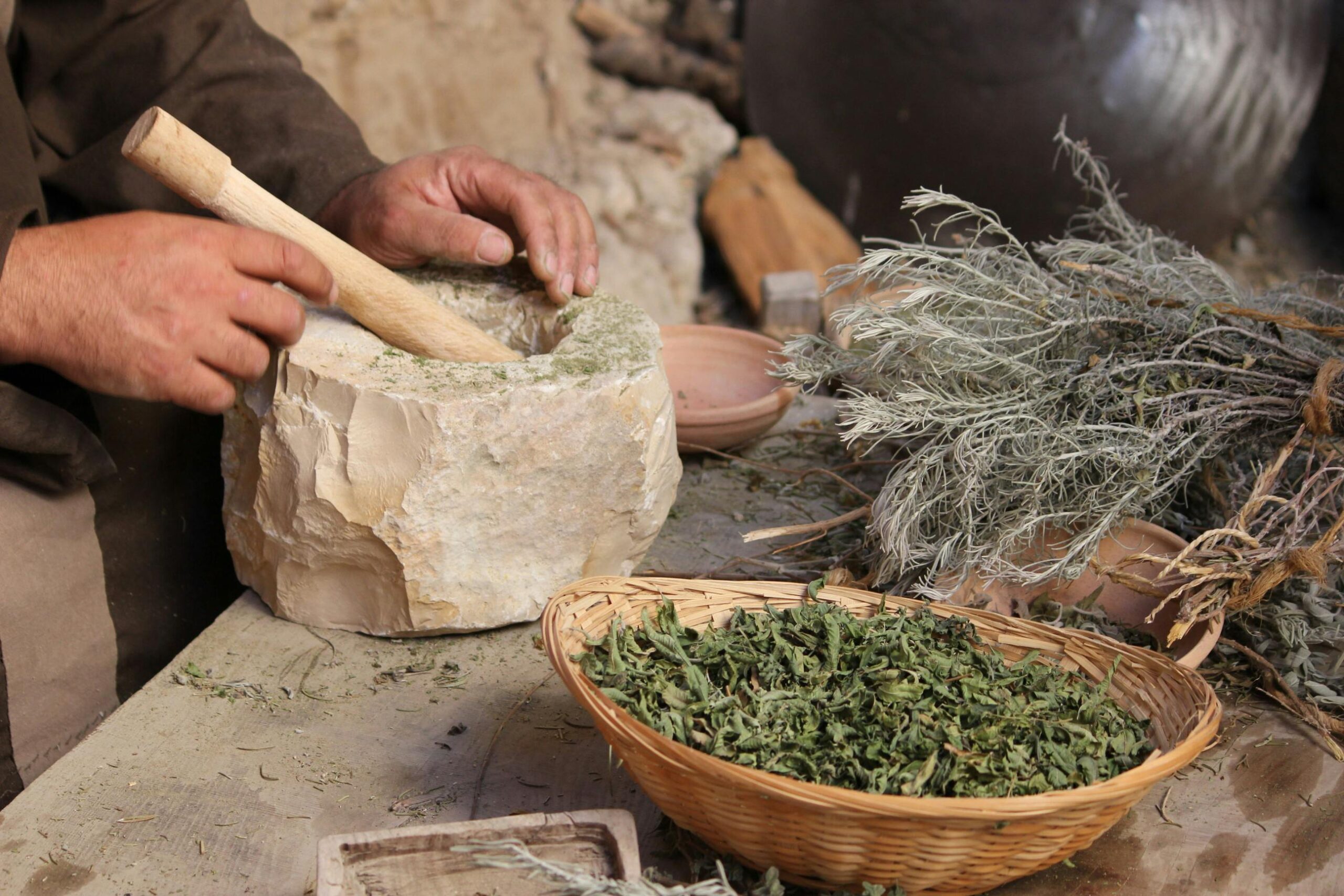
For thousands of years, healing traditions across cultures have recognized what modern science is only beginning to validate: the inseparable connection between mental and physical health. From Traditional Chinese Medicine to Ayurveda, from indigenous shamanic practices to contemporary integrative medicine, the concept of holistic healing has persisted because it works.
Today’s healthcare landscape is witnessing a remarkable convergence. Neuroscientists are documenting how meditation changes brain structure. Immunologists are mapping the pathways between stress and disease. Psychologists are measuring the physiological impacts of trauma and the healing power of mindfulness. This scientific validation isn’t diminishing the value of traditional practices—it’s amplifying their relevance in our modern world.
The mind-body connection operates through multiple biological systems. The nervous system, endocrine system, and immune system communicate constantly, creating a complex network where thoughts influence chemistry, emotions affect immunity, and physical states shape mental experiences. Understanding these connections isn’t just academically interesting—it’s fundamentally changing how we approach healing.
The Social Ripple Effects of Integrative Healing 💫
When individuals embrace mind-body healing practices, the effects extend far beyond personal wellness. These techniques create social transformations that ripple through families, communities, and entire cultures. The person who learns to manage anxiety through breathwork doesn’t just help themselves—they become calmer parents, more present partners, and more effective colleagues.
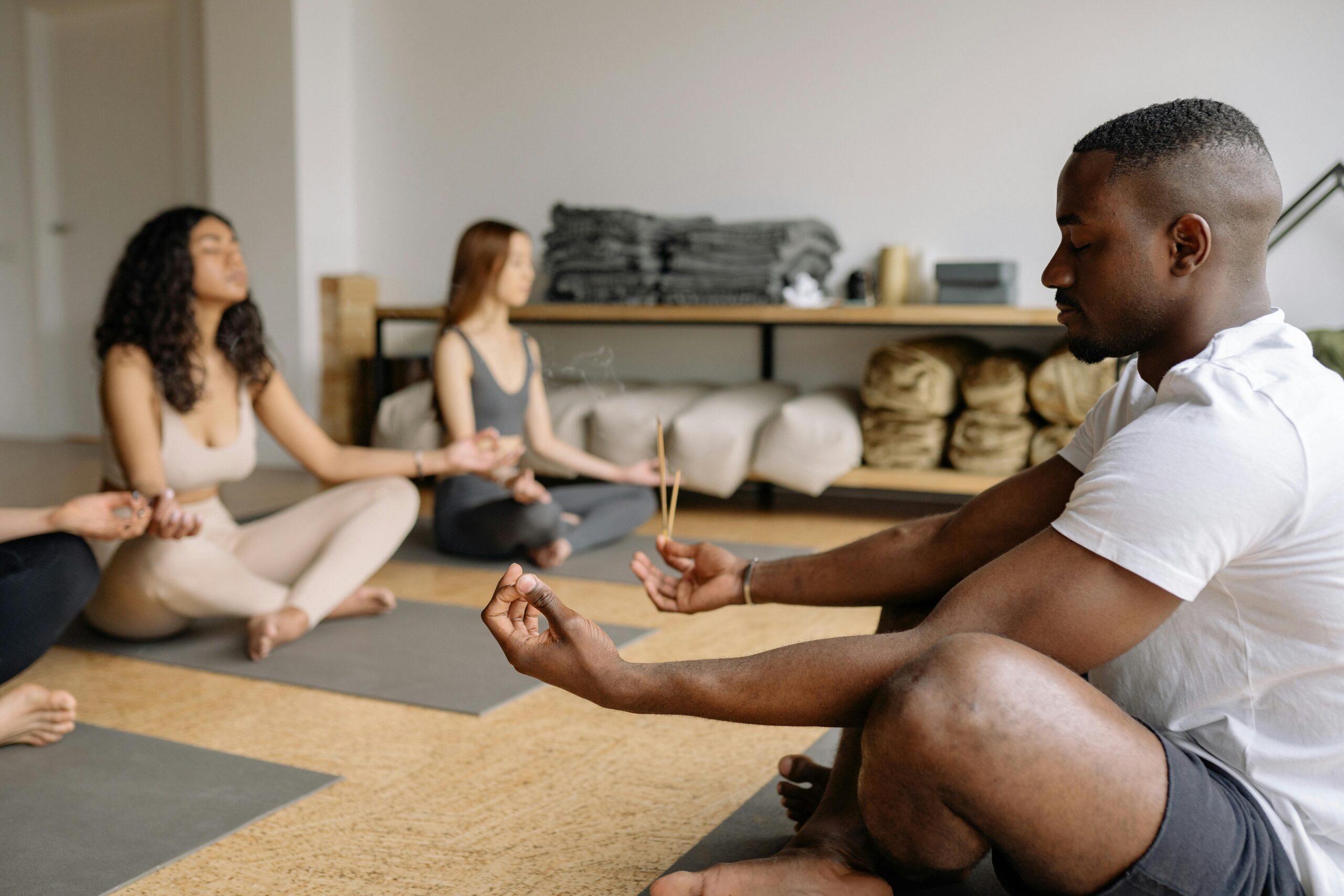
Community healing practices are emerging as powerful tools for social cohesion. Group meditation sessions, community yoga classes, and collective healing circles create spaces where people connect authentically. In an era of increasing digital isolation and social fragmentation, these practices offer something precious: embodied, present connection with others.
The democratization of healing knowledge through digital platforms has made these techniques accessible to millions who previously had no exposure to them. Online courses, mobile applications, and virtual communities have broken down geographical and economic barriers. However, this accessibility also raises important questions about cultural appropriation, quality control, and the commercialization of sacred practices.
Healing Practices in Educational Settings
Schools worldwide are beginning to incorporate mindfulness and body-based practices into curricula. Students learning breathing techniques for test anxiety, teachers using movement breaks to improve focus, and administrators implementing trauma-informed approaches—these represent a fundamental shift in how we think about education and child development.
Research consistently shows that students who practice mind-body techniques demonstrate improved attention, better emotional regulation, enhanced academic performance, and reduced behavioral problems. These aren’t just temporary fixes—they’re teaching young people lifelong skills for managing stress and maintaining wellbeing.
⚖️ Navigating the Ethical Landscape
The growing popularity of integrative healing techniques brings complex ethical considerations that practitioners, patients, and society must address thoughtfully. The intersection of traditional wisdom, commercial interests, scientific validation, and personal autonomy creates a challenging terrain to navigate.
One fundamental ethical question concerns practitioner qualifications and training. Unlike conventional medicine with its standardized educational pathways and licensing requirements, many healing modalities have diverse training standards or none at all. Who determines competency? How do we protect vulnerable individuals seeking help while honoring various healing traditions?
The issue becomes more complicated when considering cultural context. A technique that’s safe and appropriate within its original cultural framework might be harmful when extracted and applied without proper understanding. Yoga, for example, is increasingly taught as purely physical exercise, stripped of its spiritual and philosophical foundations—a transformation that raises questions about cultural respect and therapeutic efficacy.
The Commercialization Dilemma
As mind-body healing enters mainstream consciousness, commercial interests have inevitably followed. The wellness industry now generates hundreds of billions of dollars annually, with healing techniques packaged, marketed, and sold as products and services. This commercialization has both positive and negative dimensions.
On one hand, commercial interest has made these practices more accessible, funding research, creating jobs, and bringing healing techniques to people who need them. On the other hand, it can distort practices for profit, exploit cultural traditions, create unrealistic expectations, and prioritize marketability over authenticity.
The ethical practitioner must balance financial sustainability with integrity. This means transparent pricing, honest communication about what techniques can and cannot do, respect for the cultural origins of practices, and commitment to ongoing education and improvement.
🏥 Integration with Conventional Healthcare
Perhaps nowhere are the social and ethical dimensions more apparent than in the integration of mind-body techniques with conventional medicine. Hospitals are adding meditation rooms, oncology centers offer yoga for cancer patients, and pain clinics incorporate biofeedback and hypnosis alongside pharmaceuticals.
This integration represents progress, but it’s not without challenges. Medical professionals trained in reductionist, evidence-based models may struggle to evaluate practices that don’t fit neatly into randomized controlled trials. Meanwhile, alternative practitioners may resist the scrutiny and standardization that medical integration requires.
The key ethical principle here is patient-centered care. Individuals should have access to the full range of safe, effective healing options without being pressured toward either conventional or alternative approaches exclusively. This requires mutual respect between different healing paradigms and honest acknowledgment of each approach’s strengths and limitations.
Insurance Coverage and Healthcare Equity
An important social justice dimension emerges around access and affordability. While some insurance plans now cover acupuncture, chiropractic care, or mental health services that incorporate mindfulness, many effective healing techniques remain out-of-pocket expenses. This creates a two-tiered system where wealthier individuals access integrative care while others cannot.
Addressing this inequity requires advocacy, policy change, and creative delivery models. Community health centers offering sliding-scale services, workplace wellness programs, and public health initiatives can help broaden access. The ethical imperative is clear: healing shouldn’t be a luxury reserved for those who can afford it.
🧠 The Neuroscience of Mind-Body Connection
Understanding the biological mechanisms underlying mind-body healing helps address both scientific skepticism and ethical concerns about effectiveness. Neuroplasticity—the brain’s ability to reorganize itself—provides a framework for understanding how practices like meditation, visualization, and mindful movement create lasting changes.
When someone practices meditation regularly, measurable brain changes occur. The prefrontal cortex, associated with executive function and emotional regulation, shows increased activity and thickness. The amygdala, involved in fear and stress responses, becomes less reactive. These aren’t subtle effects—they’re observable structural and functional changes documented through brain imaging.
The vagus nerve, a major component of the parasympathetic nervous system, serves as a biological bridge between mind and body. Practices like deep breathing, chanting, and certain forms of movement directly stimulate vagal activity, triggering a cascade of beneficial physiological effects including reduced inflammation, improved digestion, and enhanced immune function.
The Fascia Revolution
Recent research into fascia—the connective tissue network throughout the body—reveals another mechanism for mind-body integration. Fascia contains numerous nerve endings and communicates extensively with the nervous system. Trauma, stress, and emotion can create fascial restrictions that manifest as physical pain or limitation, while bodywork techniques can release these restrictions and associated emotional holding.
This fascial perspective validates what practitioners of techniques like Rolfing, myofascial release, and various massage modalities have long understood: physical manipulation can release emotional trauma, and addressing emotional issues can resolve physical symptoms. The boundary between psychological and physical healing becomes increasingly blurred.
🌍 Cultural Sensitivity and Appropriation Concerns
Many popular mind-body healing techniques originate from specific cultural and spiritual traditions. Yoga comes from Indian philosophical and spiritual systems. Mindfulness meditation derives from Buddhist practice. Various shamanic techniques belong to indigenous traditions. When these practices enter mainstream Western wellness culture, ethical tensions emerge.
Cultural appropriation occurs when dominant cultures extract practices from marginalized communities, strip them of context and meaning, commercialize them, and exclude or marginalize the original communities from participation and benefit. This isn’t merely about political correctness—it’s about respect, justice, and the integrity of the practices themselves.
Ethical engagement with traditions not our own requires several commitments: acknowledging the cultural origins of practices, learning about the broader context from which they come, supporting practitioners and teachers from those communities, compensating source communities appropriately, and maintaining humility about our understanding and representation of these practices.
Decolonizing Healing Spaces
Creating inclusive healing environments means examining power dynamics, representation, and accessibility. Who teaches these techniques? Whose interpretations are privileged? Who feels welcome and safe in healing spaces? These questions matter because healing is most effective when people feel culturally respected and understood.
Decolonizing healing also means recognizing that Western scientific validation, while valuable, isn’t the only or ultimate measure of a practice’s worth. Indigenous and traditional knowledge systems have their own epistemologies and validity that deserve respect on their own terms, not just when Western science confirms them.
💼 The Role of Technology in Mind-Body Healing
Digital technology is transforming how people access and practice mind-body healing techniques. Meditation apps, biofeedback devices, virtual reality therapy, and online courses make these practices available anytime, anywhere. This technological revolution offers tremendous opportunities while raising new ethical considerations.
Apps that teach meditation, breathing techniques, or progressive relaxation have introduced millions to practices they might never have encountered otherwise. The convenience, affordability, and privacy of app-based learning remove significant barriers. However, questions arise about the quality of instruction, the absence of personalized guidance, and whether screen-based practice contradicts the mindful presence these techniques aim to cultivate.
Wearable technology that monitors heart rate variability, stress levels, and sleep patterns can provide valuable biofeedback, helping people understand their physiological responses and track the effects of healing practices. Yet this quantification of wellness can also reinforce problematic patterns of self-surveillance and achievement orientation that undermine the acceptance and self-compassion at the heart of many healing traditions.
🔮 Looking Forward: The Future of Integrative Healing
The trajectory of mind-body healing points toward increasing integration, scientific understanding, and mainstream acceptance. Medical schools are incorporating integrative medicine into curricula. Research funding for studying these techniques is growing. Public awareness and demand continue expanding. These trends suggest that holistic approaches to health will become standard rather than alternative.
However, this integration must be guided by ethical principles and social consciousness. We need robust training standards that honor traditional wisdom while ensuring safety and competence. We need equitable access policies that make healing available across socioeconomic boundaries. We need cultural protocols that protect indigenous knowledge and prevent exploitation.
The future also requires sophisticated research that respects the complexity of these practices. Reductionist studies that isolate single variables miss the synergistic, holistic nature of mind-body healing. We need research methodologies that can evaluate whole-system approaches while meeting scientific rigor standards.
Building Resilient Communities Through Collective Healing
Perhaps the most profound potential of mind-body healing lies in its capacity to build resilient, connected communities. When groups of people practice together—whether in meditation circles, healing ceremonies, movement classes, or support groups—they create collective fields of presence and possibility that exceed individual practice benefits.
These communal healing spaces become laboratories for social transformation. They model alternative ways of being together based on authenticity, vulnerability, mutual support, and shared presence rather than competition, judgment, and isolation. In a world facing unprecedented challenges from climate change to political polarization, these skills in collective presence and collaborative healing may be essential for survival.
🌱 Empowering Individual and Collective Transformation
The integration of mind and body through healing techniques represents more than a health trend or wellness fad. It’s a fundamental reorientation toward wholeness, recognizing the artificial nature of divisions between mental and physical, individual and collective, scientific and spiritual. This reorientation has practical implications for how we treat illness, structure healthcare systems, educate children, organize workplaces, and understand human potential.
The social impacts ripple outward from individual healing to family dynamics, community resilience, and cultural transformation. When people learn to regulate their nervous systems, process trauma, and cultivate presence, they bring these capacities into all their relationships and activities. They become agents of healing in their spheres of influence.
The ethical challenges require ongoing attention, dialogue, and evolution. There are no simple answers to questions about cultural appropriation, commercialization, quality standards, or equitable access. But engaging these questions seriously and humbly is itself an ethical practice that honors both the traditions we draw from and the people we serve.
Ultimately, integrating mind and body through healing techniques invites us into a more complete understanding of what it means to be human. We are not merely biological machines to be fixed when broken, nor are we disembodied minds floating above physical reality. We are integrated, dynamic systems where thought, emotion, sensation, relationship, culture, and biology continuously interact and co-create our experience.
This integrative understanding doesn’t diminish the value of specialized knowledge—we still need skilled surgeons, psychologists, and complementary practitioners. Rather, it provides a broader context that allows different healing approaches to work synergistically rather than competitively. The most powerful healing often emerges at the intersections, where different knowledge systems and techniques complement each other.
As we move forward, the call is for wisdom alongside technique, ethics alongside efficacy, and social consciousness alongside personal healing. The techniques themselves—whether meditation, yoga, breathwork, bodywork, or countless others—are tools. What matters is the intention, integrity, and awareness we bring to their practice and teaching. When approached with respect for their origins, commitment to accessibility, and dedication to both individual and collective wellbeing, mind-body healing techniques offer profound possibilities for transformation at every level of human experience.