The journey toward true wellness demands more than isolated treatments—it requires a holistic vision that unites mental, physical, and emotional dimensions into one cohesive healing path.

In today’s fragmented healthcare landscape, we often find ourselves bouncing between specialists, each addressing a single symptom while missing the intricate connections that bind our body systems together. This compartmentalized approach, though sometimes necessary, frequently overlooks the profound truth that our minds and bodies operate as an integrated whole, constantly communicating and influencing one another in ways both subtle and profound.
The emerging paradigm of integrative medicine recognizes this fundamental interconnection, weaving together evidence-based practices from multiple disciplines to create comprehensive healing strategies. From ancient wisdom traditions to cutting-edge neuroscience, diverse healing modalities are revealing complementary insights about human health that, when harmonized, offer transformative potential far exceeding what any single approach can achieve alone.
🌟 The Mind-Body Connection: More Than Just a Concept
Scientific research has definitively established what healers across cultures have known for millennia: the separation between mind and body is largely artificial. Neuroscientific studies reveal that our thoughts, emotions, and psychological states directly influence physical processes including immune function, hormone production, inflammation levels, and even gene expression.
The field of psychoneuroimmunology has documented how chronic stress triggers cascades of physiological changes—elevated cortisol, suppressed immune responses, increased systemic inflammation—that manifest as tangible health conditions. Conversely, positive mental states, cultivated through practices like meditation and gratitude, generate measurable improvements in cardiovascular health, pain tolerance, and cellular aging markers.
This bidirectional communication highway means that addressing physical ailments without considering psychological factors—or treating mental health issues while ignoring bodily wellness—represents an incomplete therapeutic approach. Integrated healing recognizes that every physical symptom carries potential emotional dimensions, and every psychological challenge may have physiological components requiring attention.
Ancient Wisdom Meets Modern Science 🔬
Traditional healing systems from across the globe have long emphasized holistic integration. Traditional Chinese Medicine views health through the lens of qi (vital energy) flowing through meridian pathways, connecting organs, emotions, and environmental factors in intricate balance. Ayurvedic medicine conceptualizes wellness as harmony between doshas—fundamental energies governing physiological and psychological functions.
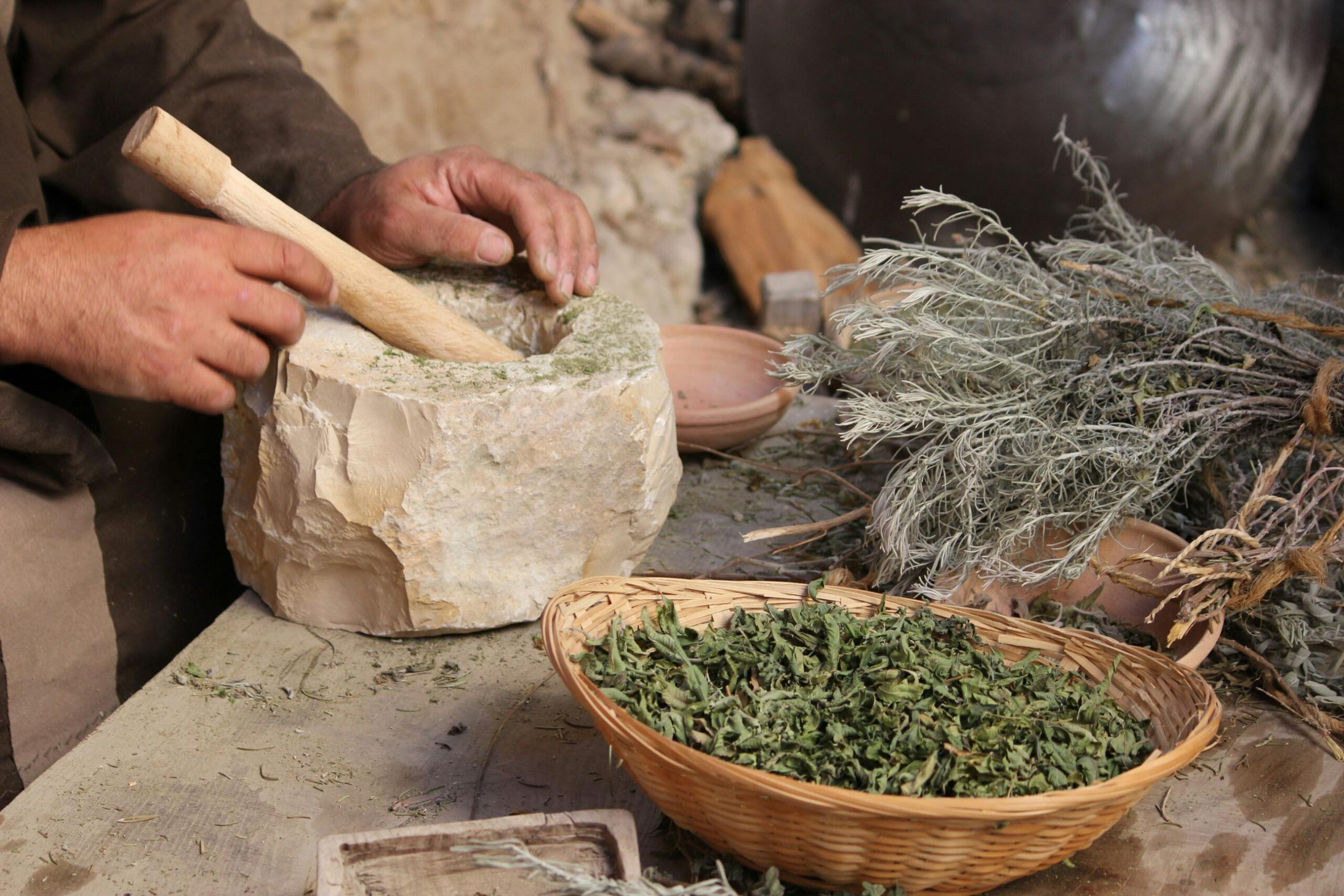
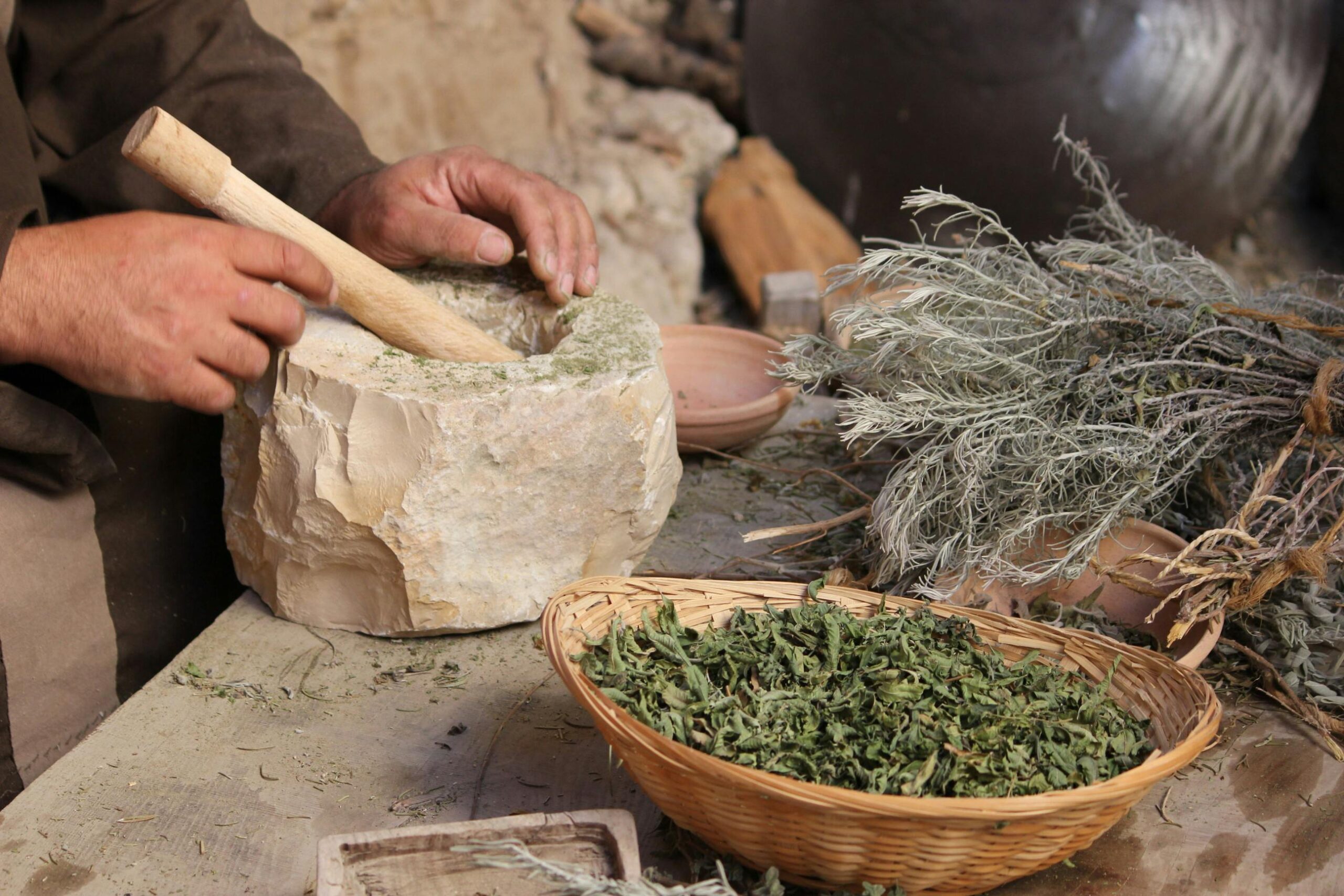
Rather than dismissing these frameworks as unscientific, contemporary researchers are discovering biological mechanisms that validate many traditional observations. Acupuncture points, once considered mystical, correspond to areas of heightened electrical conductivity and concentrated nerve bundles. Herbal remedies used for centuries are yielding compounds with documented pharmacological effects that modern pharmaceuticals attempt to replicate.
This convergence between ancient practice and scientific validation creates fertile ground for truly integrative approaches. We can now honor traditional wisdom while applying rigorous research standards, selecting techniques based both on historical efficacy and measurable outcomes, creating treatment protocols that respect both empirical evidence and holistic philosophy.
Bridging Epistemological Divides
The integration process requires intellectual humility from all sides. Western medical practitioners must acknowledge that randomized controlled trials, while valuable, don’t capture every dimension of healing—particularly the relational, experiential, and spiritual aspects that profoundly influence wellness outcomes. Meanwhile, alternative medicine advocates must accept that not all traditional practices prove effective under scrutiny, and that scientific validation strengthens rather than diminishes holistic approaches.
This mutual respect enables collaborative models where physicians, psychologists, nutritionists, movement therapists, and complementary practitioners work as coordinated teams, each contributing specialized expertise toward comprehensive patient care. The patient benefits from multiple perspectives converging on their unique situation, creating personalized protocols that address root causes rather than merely suppressing symptoms.
Practical Integration: Techniques That Transform Together ✨
What does mind-body integration actually look like in practice? Effective protocols typically combine multiple modalities that reinforce one another, creating synergistic effects greater than individual components could achieve separately.
Movement as Medicine
Physical activity represents perhaps the most accessible integrative practice, simultaneously benefiting cardiovascular health, muscular strength, bone density, metabolic function, mood regulation, cognitive performance, and stress resilience. Yet not all movement practices offer equivalent benefits—integration requires matching activity types to individual needs and therapeutic goals.
Yoga exemplifies truly integrative movement, combining physical postures with breath control and meditative awareness. Research demonstrates yoga’s effectiveness for conditions ranging from chronic back pain and arthritis to anxiety disorders and PTSD. The practice cultivates proprioceptive awareness—the ability to sense your body’s position and movement—which enhances coordination while deepening the mind-body connection.
Tai chi and qigong offer similar benefits through flowing, meditative movements that improve balance, flexibility, and emotional regulation. Studies show these practices reduce inflammation markers, lower blood pressure, and enhance immune function, particularly in older adults. The slow, deliberate nature encourages present-moment awareness while building physical capabilities.
High-intensity interval training and resistance exercise provide different but complementary benefits, optimizing metabolic health, building resilience, and triggering neuroplastic changes that support cognitive function. The key lies in thoughtfully combining various movement modalities to address multiple dimensions of wellness simultaneously.
Breathwork: The Bridge Between Conscious and Unconscious
Respiration occupies a unique position as both an automatic physiological process and a voluntary action we can consciously control. This dual nature makes breathwork an exceptionally powerful tool for integrating mind and body, offering direct access to the autonomic nervous system that regulates stress responses.
Slow, diaphragmatic breathing activates the parasympathetic nervous system, triggering relaxation responses that lower heart rate, reduce blood pressure, and calm mental agitation. Box breathing—inhaling for four counts, holding for four, exhaling for four, holding for four—helps regulate emotional states during acute stress or anxiety.
Alternate nostril breathing, a yogic practice called nadi shodhana, balances left and right brain hemisphere activity while promoting cardiovascular coherence. Research indicates this technique reduces anxiety, improves respiratory function, and enhances cognitive performance.
More intensive breathwork practices like holotropic breathing or Wim Hof method use controlled hyperventilation and breath retention to induce non-ordinary states of consciousness that some practitioners find therapeutically valuable for processing trauma or accessing deeper self-awareness. These approaches require proper guidance and aren’t appropriate for everyone, but demonstrate breathwork’s remarkable range as an integrative tool.
Nutritional Psychiatry: Feeding Both Brain and Body 🥗
The emerging field of nutritional psychiatry reveals profound connections between dietary choices and mental health outcomes. The gut-brain axis—the bidirectional communication network linking gastrointestinal and central nervous systems—means that food choices influence mood, cognition, and psychological resilience through multiple pathways.
Gut microbiota, the trillions of microorganisms inhabiting our digestive tract, produce neurotransmitters including serotonin, dopamine, and GABA that directly affect emotional regulation and mental clarity. Dietary patterns that support diverse, healthy gut flora—emphasizing fiber-rich whole foods, fermented products, and limiting processed ingredients—correlate with reduced depression and anxiety rates.
Omega-3 fatty acids, particularly EPA and DHA found in fatty fish, demonstrate significant antidepressant and anti-inflammatory effects. Deficiencies in key nutrients including B vitamins, vitamin D, magnesium, and zinc associate with increased mental health challenges. An integrative approach addresses both nutritional deficiencies and psychological symptoms simultaneously, recognizing their mutual influence.
Beyond specific nutrients, eating patterns themselves carry psychological dimensions. Mindful eating practices—paying full attention to sensory experiences, hunger and fullness cues, and emotional triggers—strengthen mind-body awareness while transforming our relationship with food from unconscious habit to intentional self-care.
Anti-Inflammatory Eating for Whole-System Wellness
Chronic inflammation represents a common pathway underlying numerous physical and mental health conditions, from autoimmune disorders and cardiovascular disease to depression and cognitive decline. Dietary choices profoundly influence inflammatory processes, making nutrition a cornerstone of integrative healing.
Mediterranean and anti-inflammatory dietary patterns—rich in colorful vegetables, fruits, whole grains, legumes, nuts, seeds, olive oil, and moderate fish consumption while limiting red meat, processed foods, and added sugars—consistently demonstrate benefits across multiple health domains. These eating patterns reduce inflammatory markers, improve mood, protect cognitive function, and decrease chronic disease risk.
Rather than rigid rules or restrictive dieting, integrative nutritional approaches emphasize abundance and addition—filling plates with nourishing, whole foods naturally crowds out less beneficial options while supporting both physical and psychological wellbeing.
Mindfulness and Meditation: Cultivating Present-Moment Awareness 🧘
Mindfulness practices train attention and awareness, teaching practitioners to observe thoughts, emotions, and physical sensations without judgment or reactivity. This deceptively simple skill generates profound effects across psychological and physiological domains.
Thousands of research studies document mindfulness meditation’s benefits: reduced anxiety and depression, improved emotional regulation, enhanced focus and working memory, decreased chronic pain perception, lowered blood pressure, and improved immune function. Brain imaging reveals that consistent practice literally reshapes neural architecture, strengthening areas associated with attention control and emotional regulation while reducing reactivity in fear and stress centers.
Mindfulness-Based Stress Reduction (MBSR) and Mindfulness-Based Cognitive Therapy (MBCT) represent structured programs integrating meditation with psychological education, demonstrating effectiveness comparable to medication for various conditions while teaching skills applicable across life circumstances.
Body scan meditation specifically cultivates somatic awareness, systematically directing attention through different body regions to notice sensations without trying to change them. This practice strengthens the mind-body connection, helps identify where we hold tension or emotion physically, and develops capacity to regulate nervous system states through conscious attention.
The Power of Compassion Practices
Loving-kindness and compassion meditation extend mindfulness principles toward cultivating positive emotional states and strengthening social connection. Practitioners mentally direct goodwill and compassion toward themselves, loved ones, neutral individuals, difficult people, and ultimately all beings.
Research demonstrates these practices increase positive emotions, life satisfaction, social connectedness, and empathy while reducing self-criticism, rumination, and interpersonal conflict. Physiologically, compassion meditation influences vagal tone—a measure of parasympathetic nervous system activity associated with emotional regulation and resilience.
For individuals struggling with self-judgment or perfectionism, self-compassion practices offer particularly powerful healing potential, replacing harsh internal criticism with kind, understanding self-regard that supports rather than undermines wellness efforts.
Somatic Therapies: Healing Through Body Awareness 💆
Trauma and chronic stress often become encoded in bodily patterns—muscular tension, restricted breathing, postural habits, movement limitations—that persist even after conscious memory fades. Somatic therapies work directly with physical sensations and movement to access and release these stored patterns.
Approaches like Somatic Experiencing, developed by Peter Levine, guide clients to track body sensations while gradually processing traumatic experiences, allowing nervous system discharge and completion of interrupted survival responses. This bottom-up processing complements traditional talk therapy’s top-down approach, addressing trauma’s physiological imprints directly.
The Feldenkrais Method uses gentle, exploratory movement sequences to enhance body awareness and discover more efficient, comfortable movement patterns. By bringing conscious attention to habitual patterns, practitioners gain freedom to choose new options, often experiencing pain reduction and improved function without forced stretching or strengthening.
Massage therapy, bodywork modalities like myofascial release, and practices such as craniosacral therapy offer additional avenues for accessing the wisdom held in tissues and fascia. While mechanisms remain debated, many individuals experience profound emotional releases and therapeutic insights through skilled bodywork that complements psychological processing.
Creating Your Personal Integration Practice 🌈
Effective integration doesn’t require adopting every available technique—sustainability comes from thoughtfully selecting practices that resonate with your circumstances, preferences, and goals. Consider these principles when building your personalized approach:
- Start small and build gradually: One consistent practice beats multiple abandoned attempts. Begin with manageable commitments—ten minutes daily meditation, twice-weekly yoga, one mindful meal each day—and expand as practices become habitual.
- Address multiple dimensions: Ensure your protocol includes elements addressing physical movement, nutritional support, stress management, and emotional processing rather than focusing exclusively on one domain.
- Track and adjust: Keep simple records noting which practices you complete and how you feel. Patterns emerge over time revealing what genuinely serves your wellness versus what sounds good theoretically but doesn’t fit your reality.
- Seek qualified guidance: Work with trained practitioners who understand integrative approaches and can help design protocols appropriate for your specific conditions, contraindications, and objectives.
- Practice self-compassion: Integration is a journey, not a destination. Perfectionism undermines wellness—approach your practice with curiosity and kindness rather than rigid expectations.
Building a Supportive Environment
Individual practices gain power within supportive contexts. Consider how your physical environment, social connections, and daily routines either facilitate or hinder integrative wellness:
Create dedicated spaces for practice, even if simply a corner with a meditation cushion or yoga mat. Environmental cues trigger habit formation, making consistent practice easier when you designate specific locations for specific activities.
Cultivate relationships with people who share wellness values and support your healing journey. Group classes, online communities, or accountability partnerships provide motivation, reduce isolation, and offer opportunities to learn from others’ experiences.
Establish routines that protect practice time—morning rituals, lunch-break walks, evening wind-down sequences—that buffer wellness activities against competing demands. Integration requires intentionality; without protected time, urgent tasks inevitably crowd out important-but-not-urgent practices.
The Healing Power of Integration: Transformation Beyond Symptoms 🦋
While integrative approaches often begin with specific health concerns—chronic pain, anxiety, digestive issues, insomnia—their ultimate value extends far beyond symptom reduction. Harmonizing mind and body catalyzes deeper transformation in how we relate to ourselves, understand wellness, and navigate life’s challenges.
Practitioners frequently report that as physical symptoms improve through integrative care, unexpected benefits emerge: enhanced creativity, stronger relationships, clearer life purpose, increased resilience, deeper spiritual connection. These “side effects” reveal integration’s true potential—not just fixing what’s broken, but cultivating fuller, more vibrant ways of being.
This holistic transformation occurs because addressing root causes—rather than merely suppressing symptoms—removes obstacles blocking our innate healing capacity. Every cell contains remarkable self-repair mechanisms; every organism naturally moves toward balance and vitality when given appropriate conditions. Integration creates those conditions by aligning multiple support systems simultaneously.
The journey requires patience, as changing deeply established patterns takes time and consistent effort. Yet each small step compounds, gradually shifting baseline functioning toward greater ease, energy, and wellbeing. What initially demands conscious effort eventually becomes intuitive—listening to body signals, choosing nourishing foods, moving regularly, managing stress effectively—as new neural pathways and behavioral patterns solidify.

Embracing Wholeness: Your Path Forward 🌿
Harmonizing mind and body through integrated healing techniques represents more than just another wellness trend—it’s a fundamental reorientation toward wholeness that honors the profound interconnection of all aspects of human experience. By drawing wisdom from multiple disciplines and traditions while respecting individual uniqueness, integrative approaches offer pathways to healing that are both ancient and innovative, evidence-based and experiential, clinical and deeply personal.
Your healing journey is uniquely yours, requiring approaches tailored to your specific circumstances, challenges, and aspirations. Yet the fundamental principles apply universally: wellness emerges from integration rather than fragmentation, healing requires addressing root causes across multiple dimensions, and transformation becomes possible when we work with rather than against our mind-body’s innate wisdom.
Begin where you are, with whatever resources you currently possess. Even small steps toward integration—adding a five-minute breathing practice, choosing whole foods more often, moving your body with awareness, approaching yourself with greater compassion—initiate positive cascades that ripple through every system. Trust the process, remain curious about your experience, and allow the inherent intelligence of your integrated mind-body system to guide your unfolding healing journey.
The power to harmonize mind and body resides not in any external technique or practitioner, but within you—in your capacity for awareness, choice, and consistent practice. Integration simply provides the tools and frameworks to access and amplify that innate healing potential, supporting your return to the wholeness that has always been your natural state.