For thousands of years, humanity has explored the profound connection between mental states and physical wellness, developing sophisticated healing practices that modern science is only now beginning to validate.

🌍 The Dawn of Holistic Healing in Ancient Civilizations
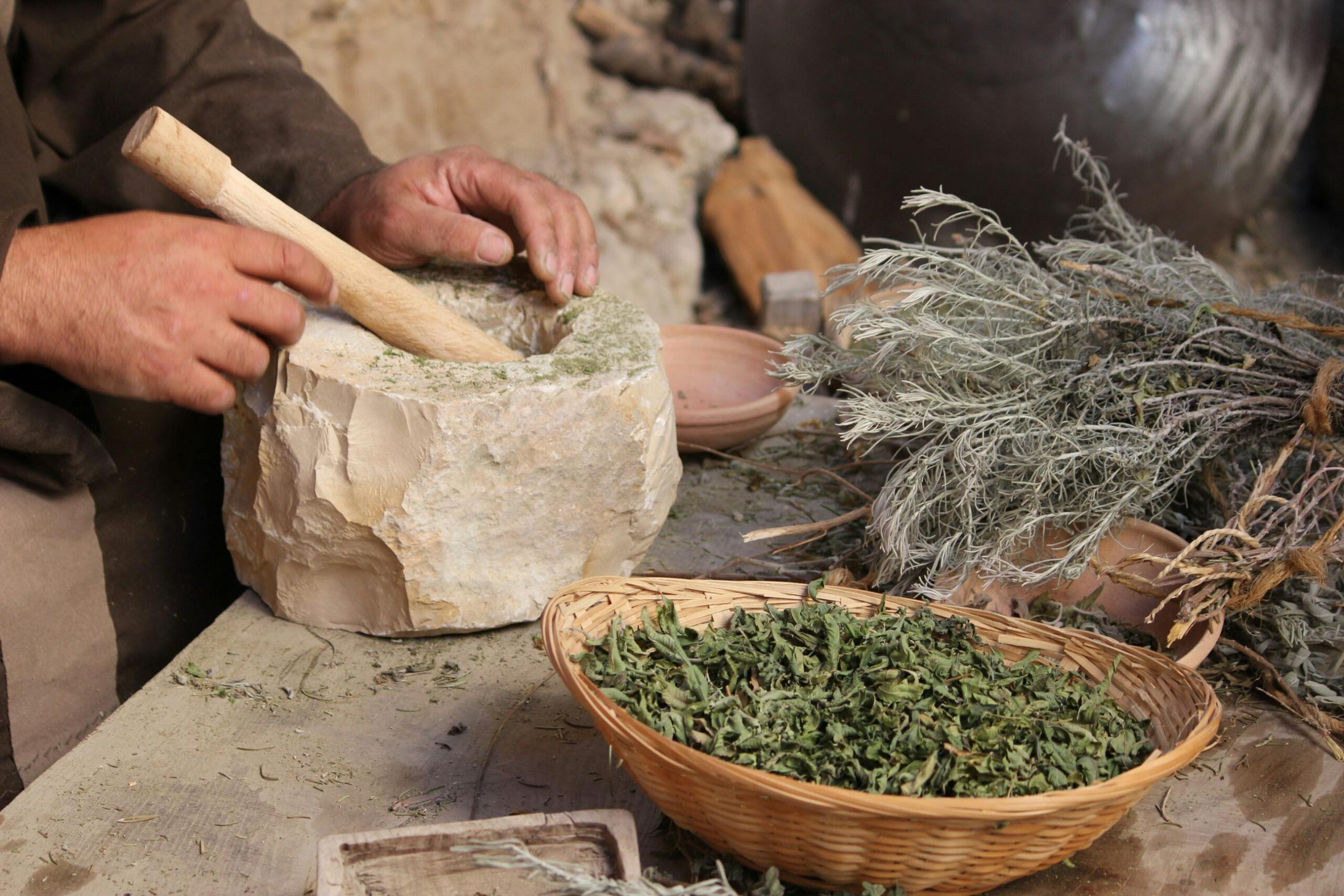
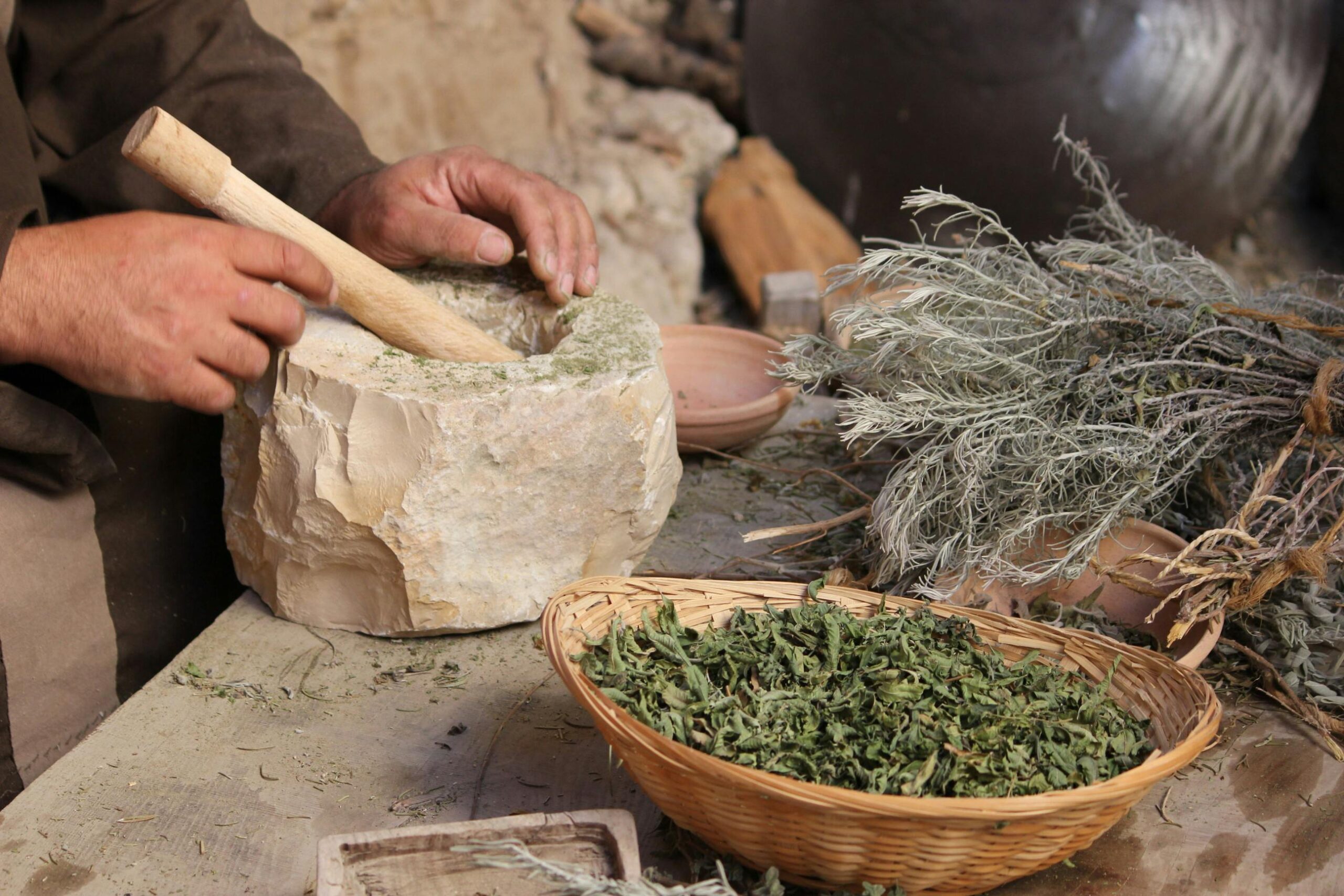
The earliest evidence of mind-body healing techniques dates back to prehistoric times, when shamanic practices dominated tribal communities across continents. These ancient healers understood intuitively what neuroscience confirms today: our thoughts, emotions, and beliefs directly influence our physical health. Archaeological findings suggest that as early as 10,000 BCE, humans were using meditation, ritualistic movement, and herbal remedies in conjunction with spiritual practices to treat illness.
In ancient Mesopotamia, temple healers combined prayers, incantations, and physical treatments, recognizing that healing required addressing both the visible symptoms and invisible spiritual imbalances. This integrated approach laid the groundwork for more sophisticated systems that would emerge in the centuries to follow.
Eastern Traditions: The Foundation of Integrated Wellness
Traditional Chinese Medicine and Qi Cultivation 🏮
Traditional Chinese Medicine (TCM), developed over 3,000 years ago, represents one of the most comprehensive mind-body healing systems ever created. Central to TCM is the concept of Qi (pronounced “chee”), the vital life force that flows through meridians in the body. When Qi becomes blocked or imbalanced, illness manifests.
Ancient Chinese physicians developed multiple techniques to harmonize Qi, including acupuncture, herbal medicine, and movement practices like Tai Chi and Qigong. These practices weren’t merely physical exercises but meditative disciplines designed to cultivate awareness, balance emotions, and strengthen the body’s innate healing capacity.
The Yellow Emperor’s Classic of Internal Medicine, written around 300 BCE, articulated sophisticated theories about the relationship between emotions and organ systems. It recognized that prolonged anger affects the liver, worry damages the spleen, and fear impacts the kidneys—insights that modern psychoneuroimmunology research increasingly supports.
Ayurveda: India’s Science of Life 🕉️
Ayurveda, meaning “knowledge of life,” emerged in India over 5,000 years ago as a complete medical system addressing physical, mental, and spiritual health. The foundational texts, including the Charaka Samhita and Sushruta Samhita, describe detailed diagnostic procedures, herbal treatments, surgical techniques, and psychological therapies.
Ayurveda’s unique contribution lies in its constitutional approach, categorizing individuals into doshas (Vata, Pitta, and Kapha) based on their mind-body type. Treatment protocols are personalized according to dosha imbalances, incorporating diet, herbs, massage, detoxification, yoga, and meditation.
Yoga, which evolved as Ayurveda’s sister science, represents perhaps the most enduring mind-body practice. Beyond physical postures, classical yoga encompasses breath control (pranayama), sensory withdrawal (pratyahara), concentration (dharana), meditation (dhyana), and transcendent awareness (samadhi). These techniques systematically train the mind to influence physiological processes previously thought to be involuntary.
Western Philosophical Approaches to Mind-Body Unity
Ancient Greek Medicine and the Four Humors
While often considered more materialistic than Eastern traditions, ancient Greek medicine also recognized mind-body connections. Hippocrates, the father of Western medicine, believed that health resulted from balancing four bodily humors: blood, phlegm, yellow bile, and black bile. Each humor corresponded to specific temperaments and emotional states.
Greek physicians prescribed not only herbs and dietary changes but also music therapy, therapeutic baths, exercise, and environmental modifications. They understood that a patient’s mental state, social circumstances, and spiritual beliefs significantly influenced recovery outcomes.
The Asclepeion healing temples combined medical treatment with dream incubation, a practice where patients would sleep in sacred spaces, hoping to receive healing visions from the god Asclepius. This integration of psychological and spiritual dimensions into medical care demonstrates ancient recognition of placebo effects and the healing power of belief.
The Mind-Body Split: Descartes and the Scientific Revolution
The Renaissance and Scientific Revolution brought tremendous advances but also created a problematic division. René Descartes’ 17th-century philosophy established mind-body dualism, treating consciousness and physical matter as separate substances. This philosophical position enabled rapid progress in anatomy, surgery, and pharmacology but marginalized psychological and spiritual aspects of healing.
For centuries, Western medicine focused almost exclusively on physical mechanisms, dismissing mind-body practices as superstition or placebo. This reductionist approach achieved remarkable success in treating acute conditions, infectious diseases, and traumatic injuries but proved less effective for chronic conditions, pain management, and stress-related disorders.
The Modern Renaissance: Scientific Validation of Ancient Practices 🔬
Psychosomatic Medicine and the Stress Response
The 20th century witnessed a gradual reconciliation between ancient wisdom and modern science. In the 1930s, Hans Selye’s research on stress revealed how psychological states trigger physiological responses, establishing the foundation for psychosomatic medicine. His work demonstrated that chronic stress causes measurable damage to immune function, cardiovascular health, and metabolic processes.
Walter Cannon’s discovery of the fight-or-flight response further illuminated how the mind instantly mobilizes bodily resources in response to perceived threats. This research explained mechanisms behind stress-related illnesses and validated ancient practices designed to calm the mind and regulate the nervous system.
The Relaxation Response and Mind-Body Medicine
In the 1970s, Dr. Herbert Benson at Harvard Medical School identified the “relaxation response,” a physiological state opposite to stress that could be voluntarily induced through meditation, prayer, or focused breathing. His research demonstrated measurable changes including decreased heart rate, lower blood pressure, reduced oxygen consumption, and altered brain wave patterns.
Benson’s work legitimized meditation within mainstream medicine and sparked decades of research into mind-body interventions. Clinical trials have since validated numerous ancient practices, showing that meditation reduces inflammation markers, improves immune function, and even influences gene expression.
Neuroplasticity: The Brain’s Remarkable Adaptability 🧠
Perhaps the most revolutionary discovery supporting mind-body healing is neuroplasticity—the brain’s ability to reorganize itself throughout life in response to experience, behavior, and mental training. Research by neuroscientists like Richard Davidson has shown that meditation practitioners exhibit structural differences in brain regions associated with attention, emotional regulation, and self-awareness.
Studies using functional MRI scans reveal that mental practices can strengthen neural pathways, increase gray matter density in specific brain regions, and even lengthen telomeres (protective caps on chromosomes associated with cellular aging). These findings provide biological mechanisms explaining how mental training produces lasting physiological changes.
Contemporary Mind-Body Healing Modalities
Mindfulness-Based Interventions
Mindfulness-Based Stress Reduction (MBSR), developed by Jon Kabat-Zinn in 1979, adapted Buddhist meditation practices for clinical settings. This eight-week program teaches participants to cultivate present-moment awareness without judgment, helping them respond skillfully to pain, illness, and stress.
Thousands of studies have documented MBSR’s effectiveness for conditions including chronic pain, anxiety, depression, hypertension, and autoimmune disorders. Its success has spawned related programs like Mindfulness-Based Cognitive Therapy (MBCT), which reduces depression relapse rates as effectively as antidepressant medications.
Biofeedback and Neurofeedback
Modern technology has created new avenues for developing mind-body control. Biofeedback uses electronic sensors to provide real-time information about physiological processes like heart rate, muscle tension, skin temperature, and brain wave activity. With practice, individuals learn to consciously regulate these supposedly involuntary functions.
Neurofeedback specifically trains brain wave patterns, helping patients optimize mental states for various purposes. Clinical applications include treating ADHD, anxiety, PTSD, migraines, and insomnia. These technologies essentially make visible what ancient practitioners developed through introspection and experimentation.
Somatic Experiencing and Trauma Release
Peter Levine’s Somatic Experiencing recognizes that trauma becomes stored in the body’s nervous system, creating chronic dysregulation even after psychological processing. This approach uses gentle body awareness and titrated exposure to traumatic memories to complete interrupted survival responses and restore nervous system balance.
Similar body-centered therapies like Sensorimotor Psychotherapy, Trauma-Sensitive Yoga, and EMDR (Eye Movement Desensitization and Reprocessing) acknowledge that healing trauma requires addressing both psychological narratives and embodied physiological patterns—a principle ancient healers intuitively understood.
Integrating Ancient Wisdom with Modern Healthcare 🏥
The Rise of Integrative Medicine
Contemporary healthcare increasingly embraces integrative approaches that combine conventional medical treatments with evidence-based complementary practices. Major medical centers now offer acupuncture, meditation classes, yoga therapy, and nutritional counseling alongside pharmaceutical and surgical interventions.
This integration recognizes that different healing modalities address different dimensions of wellness. Surgery may repair structural damage, medications may correct biochemical imbalances, but mind-body practices cultivate self-regulation, resilience, and healing capacity that no external intervention can provide.
Personalized Medicine and Individual Constitution
Modern precision medicine, using genetic testing and biomarkers to customize treatments, ironically circles back to Ayurveda’s constitutional approach. Both systems recognize that individuals respond differently to treatments based on their unique characteristics, and optimal healing requires personalization.
The future likely holds increasingly sophisticated integration, where genetic profiles, microbiome analysis, and lifestyle factors inform personalized protocols combining pharmaceuticals, nutritional interventions, and targeted mind-body practices tailored to individual needs and preferences.
Practical Applications: Bringing Ancient Techniques into Daily Life 💫
Accessible Mind-Body Practices for Modern Living
You don’t need extensive training or specialized equipment to benefit from mind-body healing techniques. Simple practices accessible to everyone include:
- Conscious breathing: Taking slow, deep breaths activates the parasympathetic nervous system, inducing relaxation within minutes.
- Body scan meditation: Systematically bringing awareness to different body parts releases tension and cultivates mind-body connection.
- Mindful movement: Walking, stretching, or dancing with full attention integrates physical activity with meditative awareness.
- Gratitude practices: Regularly acknowledging positive aspects of life shifts neural patterns and improves emotional resilience.
- Nature immersion: Spending time in natural settings reduces stress hormones and enhances psychological well-being.
Digital Tools Supporting Mind-Body Wellness
Technology now offers unprecedented access to mind-body training. Meditation apps, biofeedback devices, and online yoga classes make ancient practices available anywhere, anytime. These tools democratize wellness techniques once accessible only to dedicated practitioners or wealthy patients.
For those seeking guided meditation and mindfulness training, apps like Headspace provide structured programs teaching fundamental techniques. While technology cannot replace in-person instruction entirely, it offers valuable support for establishing and maintaining regular practice.
The Evidence-Based Future of Mind-Body Medicine
Emerging Research Frontiers
Current research continues revealing mechanisms underlying mind-body healing. Epigenetics demonstrates how lifestyle factors and mental states influence which genes are expressed, potentially explaining how meditation and stress reduction produce lasting health changes. Studies on the gut-brain axis show how intestinal microbiota influence mood and cognition, validating ancient emphasis on digestive health.
Psychoneuroimmunology research documents specific pathways through which thoughts and emotions modulate immune function. This field explains how psychological interventions can influence cancer progression, autoimmune conditions, and infectious disease susceptibility—outcomes that once seemed impossible through mental means alone.
Challenges and Considerations ⚠️
Despite growing evidence, challenges remain in fully integrating mind-body approaches into mainstream healthcare. Insurance reimbursement, practitioner training, quality control, and distinguishing effective practices from unproven claims require ongoing attention. Additionally, some advocates overstate benefits or reject conventional medicine entirely, creating unnecessary polarization.
The most effective approach recognizes that mind-body practices complement rather than replace conventional medicine. Emergency surgery, antibiotics for infections, and medications for severe mental illness remain essential. Mind-body techniques enhance healing, prevent disease, and improve quality of life but work best as part of comprehensive care.

Wisdom for the Ages: Timeless Principles of Healing 🌟
Examining mind-body healing across millennia reveals consistent principles that transcend specific techniques or cultural contexts. True healing addresses the whole person—body, mind, emotions, and spirit. It recognizes individuals as active participants rather than passive recipients of treatment. It acknowledges that lifestyle, relationships, purpose, and beliefs profoundly influence health outcomes.
Ancient healers understood that genuine wellness extends beyond symptom elimination to cultivating resilience, balance, and vitality. Modern research validates these insights while providing biological mechanisms explaining how mental states influence physical health. The evolution of mind-body healing demonstrates that humanity’s oldest wisdom and newest science converge on fundamental truths about human nature and our capacity for self-healing.
As we advance further into the 21st century, the artificial separation between mind and body continues dissolving. We’re rediscovering that consciousness and physiology represent different aspects of one integrated system. By honoring ancient wisdom while embracing scientific rigor, we create healthcare approaches that are simultaneously more effective and more humane—treating not just diseases but supporting whole people in their journey toward optimal wellbeing.
The techniques may evolve, technologies may advance, but the fundamental insight remains constant: within each person lies remarkable healing potential waiting to be unlocked through practices that unite mind, body, and spirit in the timeless pursuit of health and wholeness.