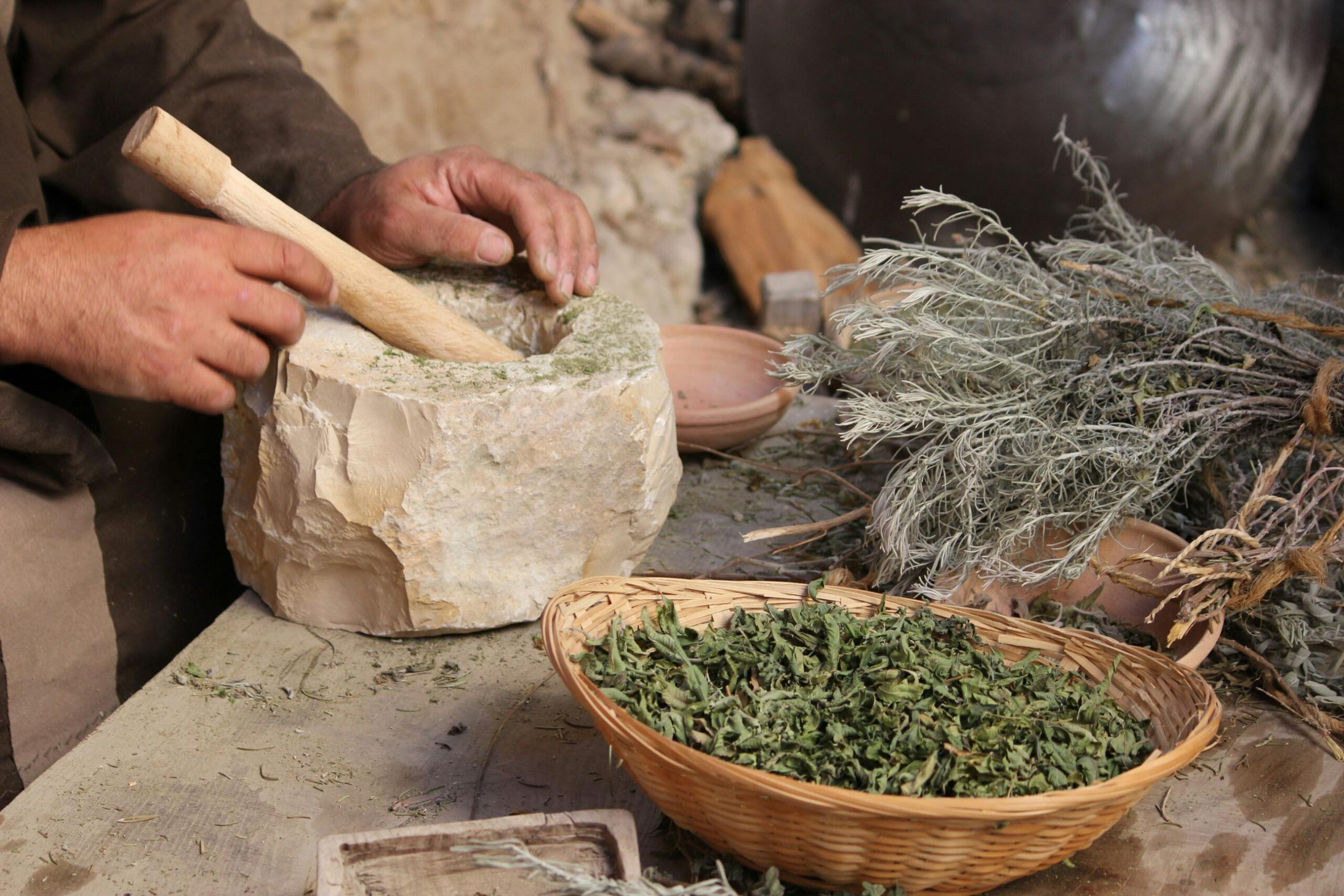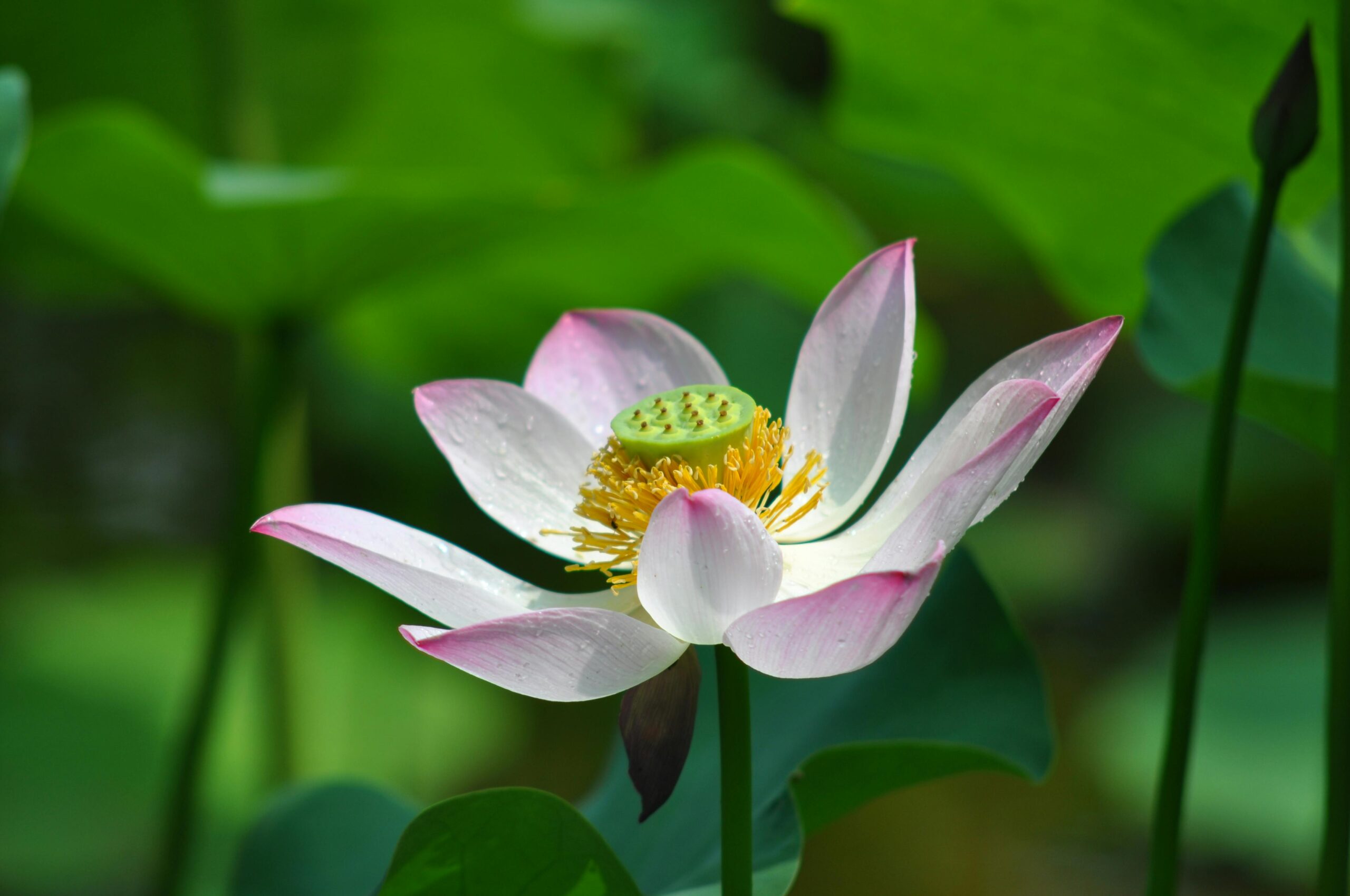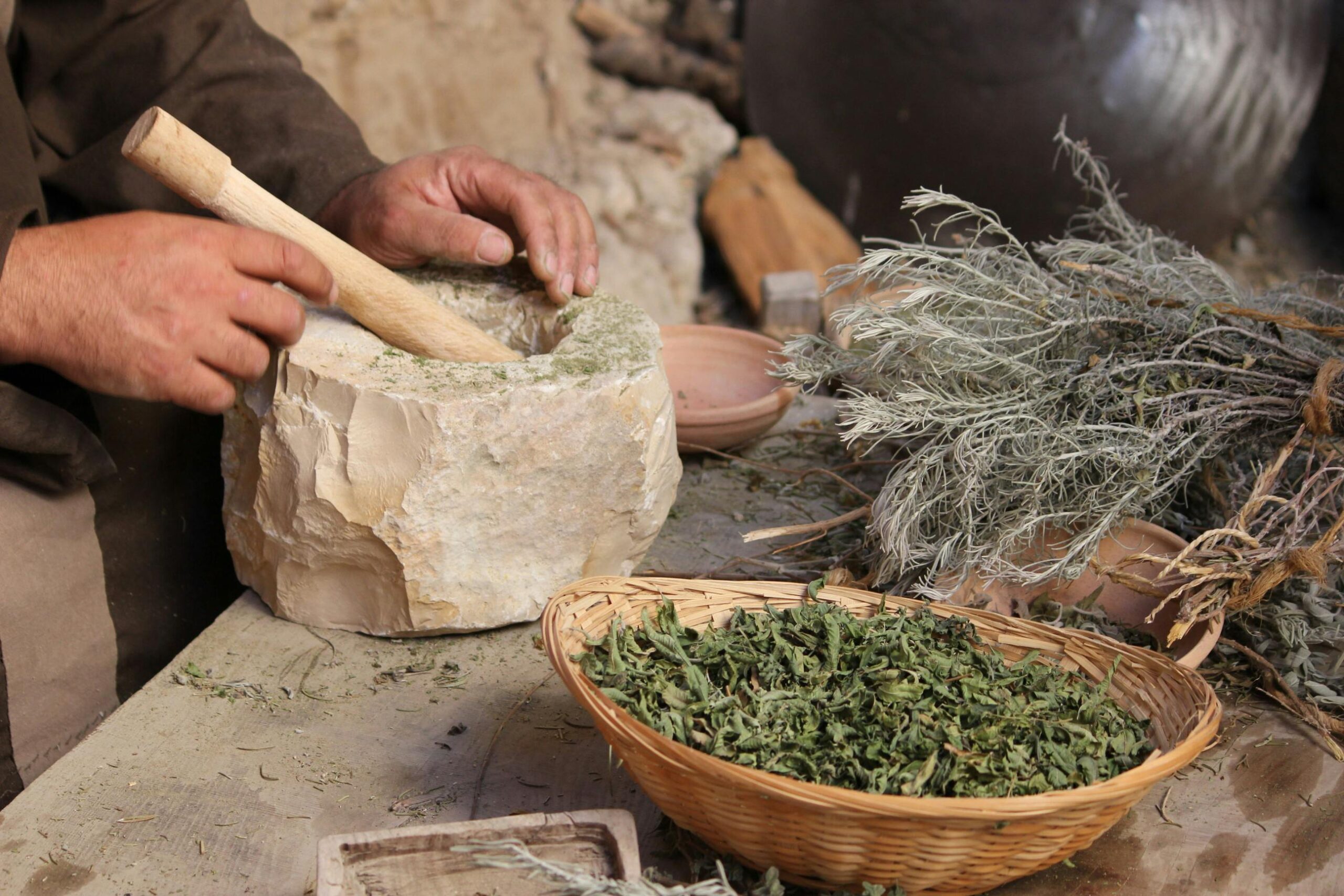
Modern healthcare is witnessing a transformative shift as integrative medicine combines ancient herbal wisdom with cutting-edge scientific research, creating unprecedented opportunities for holistic healing.

🌿 The Dawn of a New Medical Paradigm
The healthcare landscape is undergoing a profound transformation that challenges conventional medical approaches. Integrative medicine, which harmoniously blends evidence-based conventional treatments with validated complementary therapies, is emerging as a powerful force in patient care. This revolutionary approach recognizes that healing extends beyond symptom management, addressing the physical, emotional, mental, and spiritual aspects of health.
Recent studies have demonstrated that nearly 38% of adults in developed nations now utilize some form of complementary and alternative medicine, with herbal remedies ranking among the most popular choices. This surge in interest isn’t merely a trend—it represents a fundamental shift in how patients and practitioners view health and wellness. The integration of advanced herbal science with traditional healing practices is creating new pathways for treating chronic conditions, managing pain, and enhancing overall quality of life.
Groundbreaking Research in Herbal Medicine 🔬
Contemporary scientific research is validating what traditional healers have known for millennia: plants possess extraordinary therapeutic properties. Advanced laboratory techniques, including high-performance liquid chromatography, mass spectrometry, and genomic sequencing, are revealing the complex biochemical mechanisms through which herbal compounds interact with human physiology.
Researchers at leading institutions worldwide are isolating and identifying active compounds in medicinal plants, understanding their pharmacokinetics, and establishing standardized dosing protocols. This scientific rigor is transforming herbal medicine from an empirical practice into an evidence-based therapeutic modality. Curcumin from turmeric, for instance, has been extensively studied for its anti-inflammatory properties, with over 12,000 peer-reviewed publications documenting its potential in managing conditions ranging from arthritis to cognitive decline.
Notable Herbal Breakthroughs in Clinical Applications
Several botanical compounds have demonstrated remarkable efficacy in clinical trials. Berberine, extracted from various plants including goldenseal and barberry, has shown comparable effectiveness to metformin in managing blood glucose levels. Studies indicate that berberine activates AMP-activated protein kinase (AMPK), a crucial enzyme regulating metabolism, offering hope for millions managing type 2 diabetes.
Similarly, adaptogenic herbs such as rhodiola rosea and ashwagandha are gaining recognition for their stress-modulating properties. Clinical research has documented their ability to regulate cortisol levels, enhance cognitive function, and improve resilience to physical and emotional stressors. These findings are particularly significant given the global mental health crisis and the limitations of conventional pharmaceutical interventions.
The Science Behind Holistic Healing Mechanisms 💡
Holistic healing operates on the principle that the human body possesses innate self-regulatory and self-healing capabilities. Advanced research in psychoneuroimmunology—the study of interactions between psychological processes, the nervous system, and the immune system—provides scientific validation for mind-body interventions that have been central to holistic practices for centuries.
Neuroimaging studies have revealed that practices such as meditation, mindfulness, and therapeutic touch produce measurable changes in brain structure and function. Regular meditation practice has been associated with increased gray matter density in regions involved in learning, memory, and emotional regulation. These neuroplastic changes demonstrate that consciousness-based practices can literally reshape the brain, offering non-pharmaceutical pathways for managing anxiety, depression, and chronic pain.
The Gut-Brain Axis Revolution
Perhaps no area of research has more profoundly impacted integrative medicine than discoveries surrounding the gut microbiome. Scientists now recognize the gastrointestinal tract as a “second brain,” home to trillions of microorganisms that influence everything from immune function to mood regulation. This understanding has revolutionized approaches to conditions ranging from irritable bowel syndrome to depression.
Herbal medicine is proving instrumental in supporting microbiome health. Prebiotic-rich botanicals such as dandelion root, chicory, and Jerusalem artichoke nourish beneficial bacteria, while antimicrobial herbs like oregano and thyme can selectively target pathogenic organisms without the broad-spectrum damage caused by conventional antibiotics. This targeted approach represents a paradigm shift in treating dysbiosis and related conditions.
🌍 Traditional Systems Meeting Modern Science
Integrative medicine draws wisdom from established traditional medical systems that have served billions of people across millennia. Ayurveda, Traditional Chinese Medicine (TCM), indigenous healing practices, and other cultural medical traditions offer sophisticated diagnostic frameworks and therapeutic approaches that complement modern biomedical understanding.
Ayurveda’s concept of doshas—biological energies that govern physiological functions—finds correlation with modern understanding of metabolic phenotypes and genetic variations. Similarly, TCM’s meridian system, long dismissed by Western medicine, is gaining new respect as research reveals that acupuncture points correspond with areas of decreased electrical resistance and increased neurovascular bundles.
Synergistic Formulations: Ancient Wisdom, Modern Application
Traditional medical systems rarely employ single herbs; instead, they utilize complex formulations designed to address multiple therapeutic targets while minimizing adverse effects. Modern pharmacology is beginning to appreciate this synergistic approach. Research shows that multi-component herbal formulas often demonstrate superior efficacy compared to isolated compounds, as different constituents work together to enhance absorption, modulate metabolism, and produce complementary therapeutic effects.
The Chinese herbal formula Xiaoyao San, used for centuries to address emotional imbalances, has demonstrated efficacy in clinical trials for treating depression and anxiety. Similarly, Triphala, an Ayurvedic combination of three fruits, exhibits antioxidant, anti-inflammatory, and metabolic benefits that exceed those of its individual components.
Personalized Medicine Through Integrative Approaches 🎯
The future of healthcare is personalized, and integrative medicine is leading this revolution. By combining genetic testing, microbiome analysis, metabolic profiling, and traditional diagnostic methods, practitioners can develop highly individualized treatment protocols that address each patient’s unique biochemistry, lifestyle, and health goals.
Pharmacogenomic testing reveals how genetic variations affect drug metabolism, explaining why certain patients respond differently to medications. This information allows integrative practitioners to select herbal remedies and dosages most likely to benefit specific individuals while avoiding those that might cause adverse reactions based on genetic predispositions.
Biomarker-Guided Herbal Interventions
Advanced diagnostic tools enable practitioners to track objective health markers throughout treatment, ensuring therapeutic protocols deliver measurable results. Inflammatory markers such as C-reactive protein, oxidative stress indicators like lipid peroxides, and hormonal panels provide quantifiable data that guide herbal prescribing and allow for evidence-based adjustments.
This data-driven approach addresses historical criticisms of herbal medicine as subjective or unverifiable. When a patient’s elevated inflammatory markers decrease following a turmeric and ginger protocol, or when hormonal imbalances normalize after adaptogenic herb therapy, the therapeutic value becomes scientifically demonstrable.
Safety, Quality, and Standardization Advances 🛡️
As herbal medicine gains mainstream acceptance, ensuring product quality and safety has become paramount. The industry has made significant strides in establishing rigorous standards for cultivation, harvesting, processing, and manufacturing of botanical products.
Good Agricultural and Collection Practices (GACP) ensure herbs are grown without harmful pesticides and harvested at optimal potency. Good Manufacturing Practices (GMP) govern processing and quality control, including testing for contaminants, verifying active constituent concentrations, and ensuring product consistency. Third-party certification programs provide additional accountability, giving consumers confidence in product integrity.
Addressing Herb-Drug Interactions
As integrative medicine becomes more prevalent, understanding potential interactions between herbal remedies and pharmaceutical medications has become critical. Sophisticated research is identifying clinically significant interactions, such as St. John’s wort’s effects on drug-metabolizing enzymes, which can reduce the efficacy of certain medications.
Comprehensive databases and clinical decision support systems now help practitioners identify potential interactions before they occur. This knowledge allows for safe, effective integration of herbal and conventional therapies, maximizing therapeutic benefits while minimizing risks.
Clinical Integration and Healthcare System Adoption 🏥
Progressive healthcare institutions worldwide are incorporating integrative medicine into standard care protocols. Major medical centers now feature integrative medicine departments offering acupuncture, herbal consultations, mind-body therapies, and nutritional counseling alongside conventional treatments.
This institutional acceptance reflects growing recognition that integrative approaches can improve patient outcomes, enhance satisfaction, and potentially reduce healthcare costs. Studies show that integrative care models decrease emergency department visits, reduce pharmaceutical dependence, and improve management of chronic conditions that account for the majority of healthcare expenditures.
Insurance Coverage and Accessibility
As evidence supporting integrative therapies accumulates, insurance providers are increasingly covering treatments previously considered alternative. Acupuncture for chronic pain, chiropractic care, and certain herbal consultations now receive reimbursement from major insurers in various markets. This financial accessibility is democratizing integrative medicine, making it available beyond affluent populations.
🚀 Future Directions and Emerging Technologies
The integration of artificial intelligence and machine learning with traditional healing knowledge promises to accelerate discoveries in herbal medicine. AI algorithms can analyze vast databases of traditional uses, chemical constituents, and clinical outcomes to identify promising therapeutic applications and predict synergistic combinations.
Nanotechnology is enhancing herbal medicine delivery systems, improving bioavailability of poorly absorbed compounds and enabling targeted delivery to specific tissues. Curcumin formulations utilizing nanoparticle technology demonstrate dramatically improved absorption, enhancing therapeutic potential.
Regenerative Medicine and Botanical Compounds
Emerging research suggests certain herbal compounds may support regenerative processes, including stem cell differentiation and tissue repair. Compounds from plants like gotu kola and ginseng show promise in wound healing and neural regeneration, potentially revolutionizing treatment for injuries and degenerative conditions.
Empowering Patients Through Education and Self-Care 📚
Integrative medicine emphasizes patient empowerment, recognizing that sustainable health requires active participation rather than passive receipt of treatments. Educational initiatives are helping individuals understand their bodies, make informed decisions about their care, and implement lifestyle modifications that support wellness.
Digital health platforms are making evidence-based information about herbal remedies, holistic practices, and integrative approaches more accessible than ever. Patients can now access quality resources, connect with qualified practitioners, and track their health metrics, facilitating more collaborative and effective healthcare relationships.
Building Bridges Between Medical Paradigms 🌉
The most promising aspect of integrative medicine’s evolution is not the replacement of one medical paradigm with another, but rather the creation of collaborative models that leverage the strengths of diverse healing traditions. When herbalists work alongside oncologists, when acupuncturists coordinate with physical therapists, and when nutritionists collaborate with cardiologists, patients receive comprehensive care that addresses all dimensions of their health.
This collaborative approach requires mutual respect, open communication, and shared commitment to evidence-based practice. Professional organizations are developing interdisciplinary guidelines and training programs that facilitate this cooperation, creating healthcare environments where the best of all worlds converges to serve patient needs.

The Path Forward: Integrative Medicine as Standard Care ✨
The trajectory is clear: integrative medicine is transitioning from alternative status to mainstream acceptance. As research continues validating herbal therapies and holistic practices, as medical education incorporates integrative principles, and as healthcare systems recognize the value of whole-person care, the artificial boundary between conventional and complementary medicine dissolves.
The revolution in integrative medicine represents more than new treatments or therapies—it signifies a fundamental reconceptualization of health itself. Rather than viewing health merely as the absence of disease, this paradigm embraces wellness as dynamic balance, resilience, and vitality across physical, mental, emotional, and spiritual dimensions.
Advanced herbal science and holistic healing are not rejecting modern medicine’s achievements; they are building upon them, creating a more complete, compassionate, and effective healthcare system. As we move forward, the integration of ancient wisdom with contemporary science offers unprecedented possibilities for prevention, treatment, and optimization of human health. This is not simply the future of medicine—for millions worldwide, it is already the present, and its transformative impact will only accelerate in the years ahead.
The breakthroughs in integrative medicine demonstrate that healthcare’s evolution lies not in choosing between traditional and modern approaches, but in synthesizing the best of all healing traditions. By honoring the wisdom of the past while embracing the innovations of the present, we create a healthcare future that serves the whole person, respects individual uniqueness, and harnesses the full spectrum of therapeutic possibilities for optimal health and wellness.