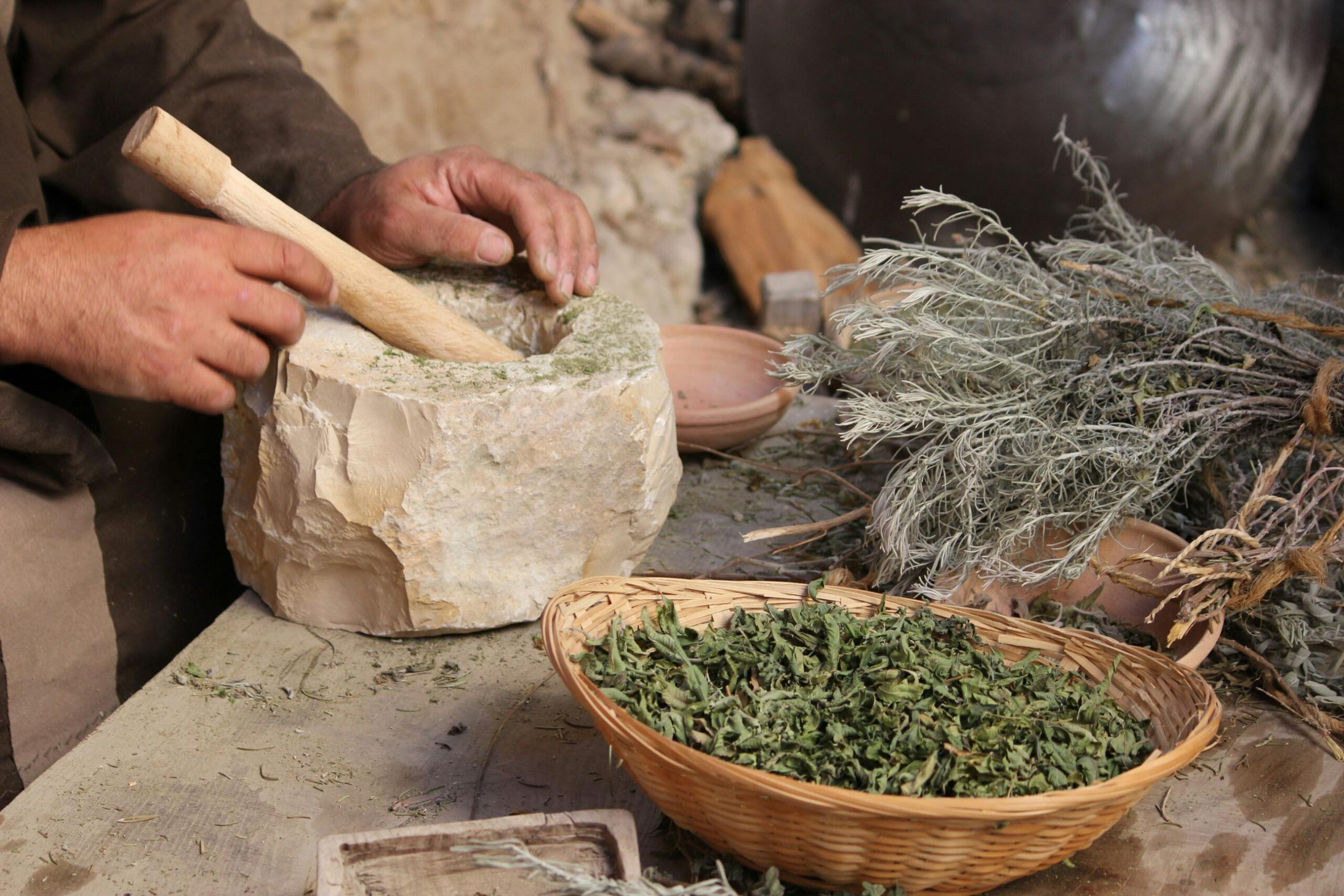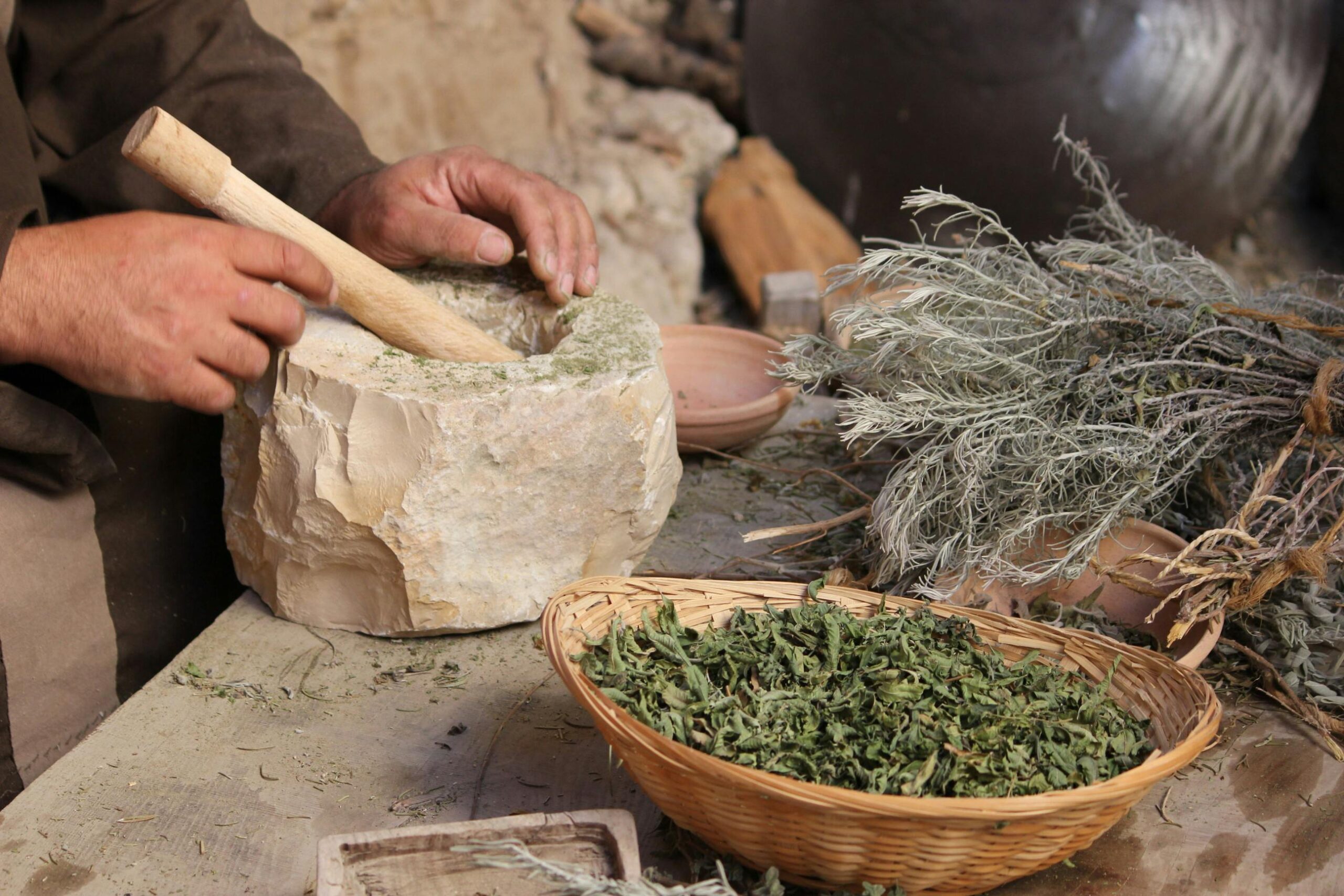
Integrative medicine is transforming healthcare by merging conventional treatments with holistic approaches, creating unprecedented opportunities for healing while raising complex social and ethical questions.

🌿 Understanding the Integrative Medicine Paradigm Shift
The landscape of modern healthcare is undergoing a remarkable transformation. Integrative medicine, which combines evidence-based conventional medical treatments with complementary and alternative therapies, represents more than just a trend—it’s a fundamental reimagining of how we approach health and wellness. This healing revolution considers the whole person—body, mind, spirit, and community—rather than simply treating isolated symptoms or diseases.
Traditional medicine has long focused on disease management through pharmaceuticals and surgical interventions. While these approaches have produced miraculous outcomes for acute conditions and life-threatening illnesses, they often fall short in addressing chronic diseases, preventive care, and the psychological dimensions of health. Integrative medicine fills these gaps by incorporating practices like acupuncture, meditation, nutritional therapy, yoga, herbal medicine, and mind-body techniques alongside conventional treatments.
The rise of integrative medicine reflects a growing recognition that healing is multidimensional. Patients increasingly seek healthcare providers who acknowledge their individual experiences, cultural backgrounds, and personal preferences. This patient-centered approach empowers individuals to take active roles in their healing journeys, creating partnerships between practitioners and patients rather than maintaining the traditional hierarchical doctor-patient relationship.
💡 The Science Behind Integrative Healing Innovations
Despite skepticism from some corners of the medical establishment, substantial scientific evidence now supports many integrative medicine practices. Research institutions worldwide have dedicated resources to studying the efficacy of complementary therapies, producing compelling data that validates their therapeutic potential.
Mindfulness-based stress reduction, for example, has been rigorously studied and shown to reduce symptoms of anxiety, depression, and chronic pain. Neuroimaging studies reveal that meditation practices actually change brain structure, increasing gray matter density in regions associated with emotional regulation and self-awareness. Similarly, acupuncture has demonstrated effectiveness in managing chronic pain conditions, with systematic reviews showing it outperforms placebo treatments for conditions like migraines and osteoarthritis.
The field of psychoneuroimmunology has revealed the intricate connections between mental states, nervous system function, and immune response. This research provides biological mechanisms explaining why stress management techniques, social support, and positive emotions can influence physical health outcomes. These discoveries validate what traditional healing systems have long understood: the mind and body are inseparable.
Emerging Technologies in Integrative Practice
Technology is amplifying the reach and effectiveness of integrative medicine. Wearable devices track physiological markers like heart rate variability, providing real-time feedback for stress management interventions. Mobile applications guide users through meditation practices, breathing exercises, and mindfulness techniques, making these tools accessible to millions who might never attend in-person classes.
Telemedicine platforms now connect patients with integrative practitioners regardless of geographic barriers, democratizing access to specialized care. Artificial intelligence analyzes complex health data to personalize treatment recommendations, considering individual genetic profiles, lifestyle factors, and treatment preferences. These innovations are making integrative medicine more evidence-based, scalable, and tailored to individual needs.
🌍 Social Implications: Access, Equity, and Cultural Sensitivity
While integrative medicine offers tremendous potential, its implementation raises important social justice considerations. Access to these services remains deeply unequal, with significant disparities based on socioeconomic status, geography, and insurance coverage.
Many integrative therapies are not covered by health insurance plans, making them financially inaccessible to lower-income populations. Acupuncture sessions, nutritional consultations, and wellness coaching can cost hundreds of dollars, creating a two-tiered system where privileged patients access comprehensive care while others cannot. This disparity contradicts the foundational principle that healthcare should be a universal right, not a luxury commodity.
Geographic location further compounds these inequities. Urban centers typically offer abundant integrative medicine options, while rural communities face practitioner shortages and limited service availability. Telemedicine partially addresses this gap, but digital divides prevent many rural and low-income populations from benefiting from these technologies.
Cultural Appropriation Versus Cultural Appreciation
The integration of traditional healing practices from various cultures into mainstream medicine presents complex ethical questions. Many complementary therapies—including acupuncture from Chinese medicine, yoga from Indian traditions, and herbal remedies from Indigenous knowledge systems—have been extracted from their cultural contexts and commercialized.
This raises concerns about cultural appropriation, where dominant cultures profit from practices developed by marginalized communities without proper acknowledgment, compensation, or respect for their origins. The commodification of these traditions can strip them of their spiritual significance, reducing profound cultural practices to trendy wellness products.
Ethical integrative medicine requires cultural humility—recognizing the sources of these practices, involving practitioners from originating cultures, and ensuring that communities who stewarded this knowledge benefit from its wider adoption. This approach transforms cultural appropriation into respectful cross-cultural exchange that honors traditional wisdom while making healing practices more widely available.
⚖️ Navigating Ethical Challenges in Integrative Healthcare
The integration of conventional and complementary medicine creates unique ethical dilemmas that healthcare systems must thoughtfully address. These challenges span issues of evidence standards, practitioner qualifications, patient autonomy, and safety considerations.
Evidence Standards and Scientific Rigor
One central debate concerns what constitutes sufficient evidence for integrating a therapy into medical practice. Conventional medicine relies heavily on randomized controlled trials, considered the gold standard for establishing treatment efficacy. However, many complementary practices resist this research paradigm due to their highly individualized nature or philosophical incompatibility with reductionist research methods.
Some argue that demanding the same evidence standards for all therapies is appropriate for patient safety and scientific integrity. Others contend that this approach unfairly excludes practices with long histories of traditional use and may not capture the holistic benefits these therapies provide. Finding the balance between maintaining scientific rigor and remaining open to diverse forms of evidence represents an ongoing ethical challenge.
Informed Consent and Patient Vulnerability
Integrative medicine’s emphasis on patient empowerment is generally positive, but it also creates potential vulnerabilities. Patients facing serious illnesses may be particularly susceptible to promises of miracle cures from unscrupulous practitioners. The desperation accompanying cancer diagnoses or chronic conditions can cloud judgment, making people vulnerable to exploitation.
Ethical practice requires transparent communication about what therapies can and cannot accomplish. Practitioners must present realistic outcome expectations, acknowledge limitations, and never recommend delaying or abandoning effective conventional treatments for unproven alternatives. Informed consent becomes even more critical when integrating multiple treatment modalities with potential interactions.
Practitioner Qualifications and Regulation
The diverse backgrounds of integrative medicine practitioners—ranging from medical doctors with additional training to traditional healers without formal credentials—complicates regulation and quality assurance. While licensing requirements exist for some practices like acupuncture and naturopathy, others remain largely unregulated.
This variation creates safety concerns and makes it difficult for patients to assess practitioner competence. Establishing appropriate credentialing standards that ensure quality without unnecessarily restricting access to traditional practitioners represents a significant regulatory challenge. Different jurisdictions have taken varying approaches, from strict medicalization to more pluralistic recognition of diverse healing traditions.
🏥 Institutional Integration: Hospitals Embrace Holistic Care
Major medical institutions worldwide are increasingly incorporating integrative medicine into their services. Prestigious hospitals and cancer centers now offer acupuncture, massage therapy, meditation classes, and nutritional counseling alongside conventional treatments. This institutional acceptance represents a significant validation of integrative approaches and improves patient access.
Research demonstrates that integrative oncology programs improve quality of life for cancer patients, reducing treatment side effects like nausea, pain, and fatigue. Similarly, integrative cardiology programs combining lifestyle medicine with conventional interventions show superior outcomes for preventing heart disease recurrence compared to standard care alone.
However, institutional integration also raises questions about commercialization and maintaining the patient-centered philosophy that defines integrative medicine. As hospitals incorporate these services, they may prioritize profitable offerings over those most beneficial to patients. The challenge lies in preserving the holistic, personalized approach while operating within conventional healthcare’s institutional and financial structures.
💊 The Pharmaceutical Industry and Natural Medicine Tensions
The relationship between pharmaceutical companies and integrative medicine is complex and often contentious. The pharmaceutical industry has historically viewed natural and complementary therapies as competition, funding research to discredit alternatives and lobbying against their integration into mainstream care.
Conversely, some pharmaceutical companies now recognize market opportunities in natural products, acquiring supplement companies and researching plant-based medicines. This commercialization brings both benefits and concerns—increased investment in researching natural therapies alongside fears that profit motives will compromise quality and inflate prices for previously affordable remedies.
The tension highlights broader questions about healthcare economics: Should healing be primarily a commercial enterprise or a public good? How do we balance innovation incentives with affordable access? These questions become particularly acute when discussing integrative medicine, which often emphasizes low-cost interventions like dietary changes, stress management, and community support.
🔬 Future Horizons: Where Innovation Meets Tradition
The future of integrative medicine will likely be shaped by several converging trends. Personalized medicine, using genetic and biomarker information to tailor treatments, aligns naturally with integrative medicine’s individualized approach. Combining precision diagnostics with holistic treatment strategies could optimize outcomes while minimizing side effects.
Artificial intelligence and machine learning will increasingly analyze complex interactions between conventional treatments, complementary therapies, lifestyle factors, and individual characteristics. These tools could identify optimal integrative treatment combinations for specific patients, making personalized integrative care more evidence-based and accessible.
Climate change and environmental health concerns are also driving interest in integrative medicine. As communities recognize connections between environmental degradation and human health, approaches emphasizing prevention, natural remedies, and sustainable healthcare practices gain relevance. Integrative medicine’s focus on root causes rather than symptom suppression aligns with environmental health perspectives.
Education and Training Transformation
Medical education is beginning to incorporate integrative medicine principles, though progress remains uneven. Forward-thinking medical schools now teach nutrition, mind-body medicine, and cultural competency alongside traditional biomedical sciences. This educational shift will produce physicians better equipped to address the complex, chronic health challenges dominating modern healthcare.
Continuing education for practicing physicians increasingly includes integrative medicine training, helping conventional doctors understand when and how to recommend complementary therapies. This cross-training creates more collaborative healthcare teams where different practitioners respect each other’s expertise and work together for patient benefit.
🤝 Building Bridges: Collaborative Models for Integrated Care
The most promising integrative medicine models emphasize collaboration rather than competition between conventional and complementary practitioners. Multidisciplinary teams including physicians, nurses, acupuncturists, nutritionists, psychologists, and other specialists work together, sharing expertise to develop comprehensive treatment plans.
These collaborative models require mutual respect, clear communication protocols, and shared decision-making frameworks. When implemented effectively, they produce superior outcomes compared to siloed approaches where practitioners work independently without coordination. Patients benefit from seamless care that addresses all dimensions of their health without contradictions or redundancies.
Community-based integrative health centers demonstrate this collaborative potential, offering diverse services under one roof with practitioners who regularly consult together. These centers often serve as models for how healthcare could function—person-centered, prevention-focused, and therapeutically pluralistic.
🌟 Empowering Patients as Partners in Healing
Perhaps integrative medicine’s most profound social impact is shifting patients from passive recipients of care to active participants in their healing. This empowerment philosophy recognizes that sustainable health requires ongoing self-care, lifestyle choices, and personal responsibility alongside professional guidance.
Patient empowerment doesn’t mean abandoning professional expertise or embracing anti-scientific attitudes. Rather, it creates partnerships where practitioners share knowledge and recommendations while patients contribute their lived experiences, preferences, and insights about their own bodies. This collaboration produces treatment plans more likely to be followed and effective because they align with patients’ values and circumstances.
Educational initiatives teaching patients about nutrition, stress management, movement, and other health fundamentals complement clinical services. When people understand how their daily choices impact health, they make better decisions and require less intensive medical intervention over time. This prevention focus could significantly reduce healthcare costs while improving population health.

🎯 Shaping a Healthcare System That Truly Heals
The healing revolution represented by integrative medicine offers tremendous potential to address healthcare’s most pressing challenges—chronic disease epidemics, escalating costs, health disparities, and patient dissatisfaction. However, realizing this potential requires thoughtfully addressing the social and ethical implications these innovations create.
Moving forward, healthcare systems must prioritize equitable access to integrative services, ensuring that all people—regardless of income, geography, or social position—can benefit from comprehensive, personalized care. This requires policy changes including insurance coverage expansion, practitioner training investment, and community-based program development.
Cultural sensitivity and respect must guide how traditional healing practices are incorporated into mainstream medicine. Rather than extracting and commodifying knowledge from marginalized communities, integrative medicine should create inclusive partnerships that honor diverse healing traditions while ensuring their practitioners receive recognition and compensation.
Ethical frameworks must evolve to address integrative medicine’s unique challenges while maintaining patient safety as the paramount concern. This includes developing appropriate evidence standards for diverse therapies, establishing reasonable practitioner qualifications, and ensuring transparent communication about treatment benefits and limitations.
The integration of conventional and complementary medicine represents more than adding new therapies to healthcare’s toolkit. It embodies a philosophical transformation—recognizing healing as a holistic process requiring attention to physical, emotional, social, and spiritual dimensions of human experience. As this healing revolution continues unfolding, our collective challenge is ensuring it creates a more just, effective, and compassionate healthcare system that serves all people with dignity and respect.