Integrative medicine represents a revolutionary shift in healthcare, combining conventional treatments with evidence-based complementary therapies to treat the whole person—body, mind, and spirit.

🌟 Understanding the Foundation of Integrative Medicine
The landscape of modern healthcare is evolving rapidly, and integrative medicine stands at the forefront of this transformation. Unlike traditional approaches that often focus solely on treating symptoms, integrative medicine embraces a comprehensive view of health and wellness. This paradigm recognizes that optimal health extends beyond the absence of disease, encompassing physical vitality, emotional balance, mental clarity, and spiritual fulfillment.
Integrative medicine practitioners combine the best of both worlds: rigorous scientific evidence from conventional medicine and time-tested wisdom from complementary healing traditions. This approach doesn’t reject mainstream medicine; instead, it enhances treatment outcomes by incorporating nutrition, mind-body practices, herbal remedies, and lifestyle modifications alongside standard medical interventions.
The philosophy underlying this approach acknowledges that each patient is unique, with individual circumstances, preferences, and healing capacities. By honoring this individuality, integrative medicine creates personalized treatment plans that address root causes rather than merely managing symptoms. This patient-centered model empowers individuals to take active roles in their healing journeys.
The Core Principles Driving Integrative Healthcare Forward
Several fundamental principles guide integrative medicine practitioners in their quest to provide optimal care. Understanding these principles helps both healthcare professionals and patients navigate this innovative field with clarity and purpose.
Partnership Between Practitioner and Patient
The therapeutic relationship in integrative medicine differs significantly from traditional models. Rather than positioning the doctor as the sole authority, integrative practitioners view themselves as partners in the healing process. This collaborative approach encourages open communication, shared decision-making, and mutual respect. Patients become empowered participants rather than passive recipients of care.
Addressing Root Causes, Not Just Symptoms
While symptom relief remains important, integrative medicine digs deeper to identify and address underlying imbalances. Chronic headaches might stem from stress, nutritional deficiencies, or structural issues. Digestive problems could relate to food sensitivities, microbiome imbalances, or emotional factors. By investigating these root causes, practitioners can develop more effective long-term solutions.
Prevention as the Best Medicine
Integrative medicine places tremendous emphasis on prevention and wellness optimization. Rather than waiting for disease to manifest, this approach helps individuals build resilience, strengthen their immune systems, and maintain balance through proactive lifestyle choices. Regular check-ins, personalized wellness plans, and education about self-care form essential components of preventive integrative care.
💡 Key Modalities in the Integrative Medicine Toolkit
Integrative medicine draws from a rich array of therapeutic modalities, each offering unique benefits for different conditions and individuals. Understanding these approaches helps patients and practitioners select the most appropriate interventions for specific health challenges.
Nutritional Medicine and Functional Foods
Food serves as medicine in integrative practice, with nutrition playing a central role in both prevention and treatment. Practitioners assess dietary patterns, identify nutrient deficiencies, and create personalized nutrition plans that support healing. Functional foods—those offering benefits beyond basic nutrition—become therapeutic tools for managing inflammation, supporting detoxification, and optimizing metabolic function.
The emerging field of nutrigenomics, which explores how food interacts with our genes, adds another dimension to nutritional medicine. Understanding genetic variations helps practitioners tailor dietary recommendations to individual needs, maximizing therapeutic outcomes while minimizing adverse reactions.
Mind-Body Medicine and Stress Management
The intricate connection between mental states and physical health forms a cornerstone of integrative medicine. Chronic stress contributes to countless health problems, from cardiovascular disease to autoimmune conditions. Mind-body practices like meditation, yoga, tai chi, and biofeedback help patients manage stress, reduce inflammation, and activate the body’s innate healing mechanisms.
Research consistently demonstrates that these practices produce measurable physiological changes: lowering blood pressure, improving immune function, reducing chronic pain, and enhancing overall wellbeing. Integrative practitioners often prescribe specific mind-body techniques alongside conventional treatments to amplify therapeutic effects.
Herbal Medicine and Botanical Therapeutics
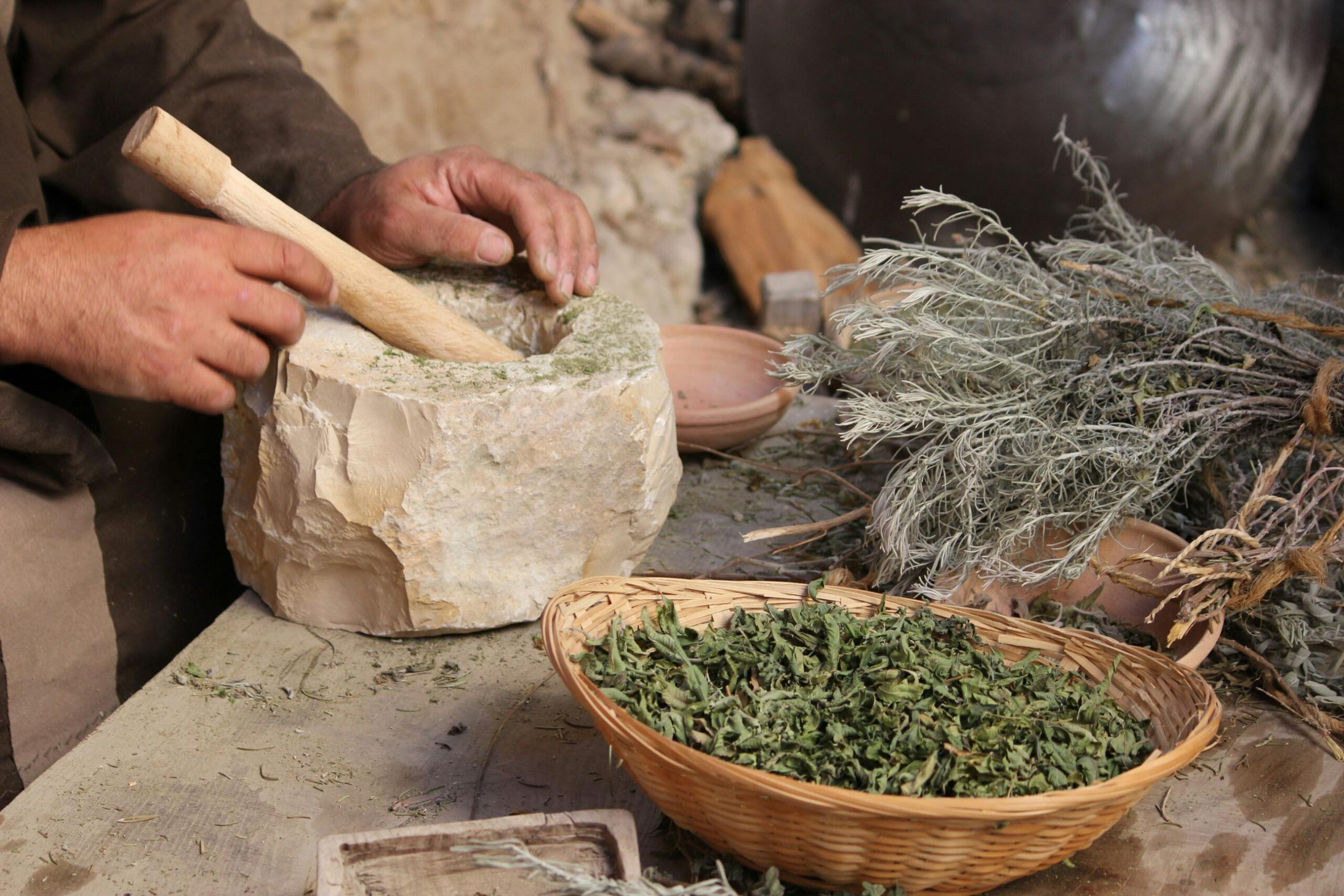
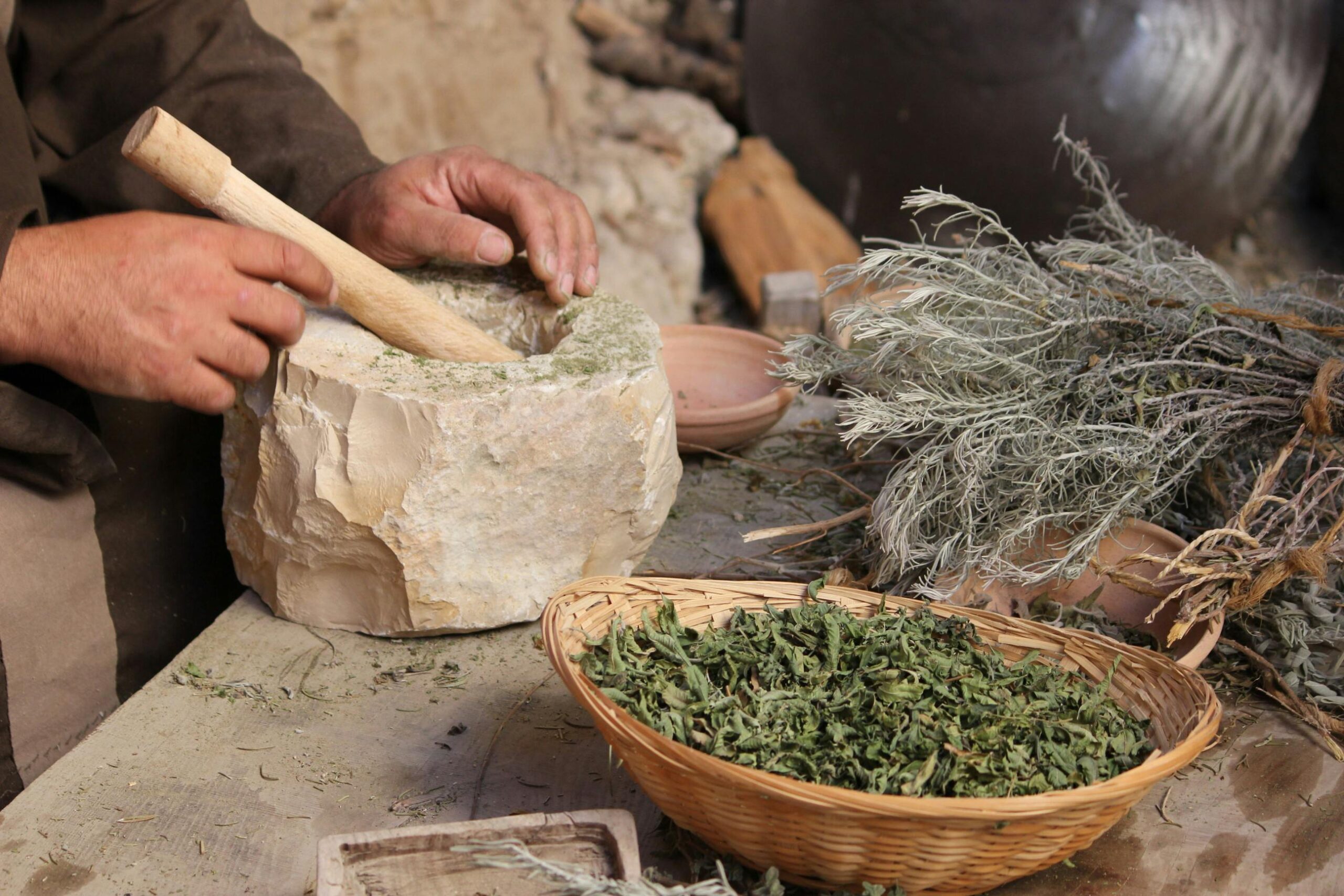
Plants have served as medicine throughout human history, and modern integrative medicine continues this tradition with rigorous scientific validation. Many pharmaceutical drugs originated from plant compounds, and botanical medicine offers gentler alternatives or complementary support for various conditions.
Skilled herbalists and integrative physicians understand proper dosing, potential interactions with medications, and quality sourcing of botanical products. This expertise ensures safe, effective use of herbal remedies for conditions ranging from anxiety and insomnia to immune support and digestive health.
Building Your Pathway into Integrative Medicine Practice
Healthcare professionals interested in integrative medicine have multiple pathways for developing expertise in this field. The journey requires dedication, continuous learning, and genuine commitment to patient-centered care.
Educational Requirements and Certification Options
Most integrative medicine practitioners begin with conventional medical training as physicians, nurses, physician assistants, or other healthcare professionals. From this foundation, they pursue additional education through fellowships, certificate programs, or specialized training in integrative modalities.
Several prestigious institutions offer comprehensive integrative medicine programs. The University of Arizona’s Andrew Weil Center for Integrative Medicine provides fellowship and continuing education programs recognized as gold standards in the field. Duke University, Stanford, and other academic medical centers also offer robust integrative medicine training.
Board certification through organizations like the American Board of Integrative Medicine (ABOIM) demonstrates advanced competency and commitment to integrative practice standards. This certification requires specific educational requirements, clinical experience, and successful examination completion.
Developing Clinical Competencies
Technical knowledge alone doesn’t create effective integrative practitioners. Success in this field requires developing several key competencies:
- Deep listening skills that help uncover the full story of a patient’s health challenges
- Ability to synthesize information from multiple sources and healing traditions
- Critical thinking to evaluate evidence quality and applicability
- Cultural humility and openness to diverse healing perspectives
- Excellent communication skills for patient education and empowerment
- Collaborative spirit for working with multidisciplinary teams
Practical Experience and Mentorship
Theoretical knowledge gains depth through practical application under experienced guidance. Aspiring integrative practitioners benefit enormously from mentorship relationships with established experts. These relationships provide insights into clinical reasoning, patient management, and navigating the complexities of integrative practice within conventional healthcare systems.
Many practitioners also pursue training in specific modalities like acupuncture, functional medicine, or mind-body therapies to expand their therapeutic toolkit. This specialized training allows for deeper expertise in particular areas while maintaining the broad integrative perspective.
🚀 Implementing Integrative Approaches in Clinical Settings
Transitioning from training to practice presents unique challenges and opportunities. Successfully implementing integrative medicine requires strategic planning, strong communication, and adaptive problem-solving.
Creating Patient-Centered Care Models
Integrative medicine thrives in environments that allow adequate time for comprehensive consultations. Initial appointments often last 60-90 minutes, enabling thorough health history taking, lifestyle assessment, and relationship building. This time investment pays dividends through more accurate diagnoses, better treatment adherence, and improved outcomes.
Many integrative practices adopt models that balance longer initial consultations with shorter follow-ups, group visits for education and support, and digital health tools for ongoing communication. These models maintain the personalized attention patients value while ensuring practice sustainability.
Navigating Insurance and Payment Structures
Healthcare financing presents one of the most significant challenges for integrative medicine practitioners. While insurance coverage for integrative services is expanding, many therapies remain self-pay. Successful practices develop transparent fee structures, offer package deals, and help patients understand the value proposition of investing in comprehensive care.
Some integrative practices adopt hybrid models, billing insurance for conventional services while offering integrative components through membership programs or fee-for-service arrangements. Others embrace direct primary care models, where patients pay monthly fees for enhanced access and integrative services.
Building Collaborative Healthcare Teams
The complexity of integrative medicine often requires multidisciplinary collaboration. Effective practices build networks of trusted practitioners across various specialties: nutritionists, mental health professionals, physical therapists, acupuncturists, and others. These collaborative relationships ensure patients receive coordinated, comprehensive care.
Regular team meetings, shared electronic health records, and clear communication protocols help maintain coordination. When all team members understand the treatment plan and their roles within it, patient care becomes seamless and outcomes improve dramatically.
Innovation Frontiers Shaping Integrative Medicine’s Future
Integrative medicine continues evolving as new research, technologies, and insights emerge. Staying current with these innovations positions practitioners at the cutting edge of healthcare transformation.
Precision Medicine and Personalized Therapeutics
Advances in genomics, proteomics, and metabolomics enable unprecedented personalization of treatment approaches. Genetic testing reveals how individuals metabolize medications, respond to nutrients, and face disease risks. This information guides precise selection of therapies most likely to benefit specific patients while avoiding those likely to cause adverse reactions.
Integrative practitioners increasingly incorporate these precision medicine tools, combining genetic insights with comprehensive lifestyle assessment to create truly personalized healing protocols. This merger of high-tech diagnostics with holistic care represents the future of medicine.
Digital Health and Remote Monitoring
Technology expands access to integrative care while enabling continuous health monitoring. Wearable devices track sleep quality, activity levels, heart rate variability, and other biomarkers relevant to integrative treatment plans. This data provides objective feedback about how lifestyle modifications and therapies affect physiological function.
Telemedicine platforms allow integrative practitioners to serve patients regardless of geographic location, particularly valuable given the shortage of trained integrative physicians in many regions. Virtual visits work especially well for follow-up consultations, health coaching, and mind-body therapy sessions.
Psychedelic-Assisted Therapy and Consciousness Medicine
Recent research into psychedelic compounds for treating depression, PTSD, addiction, and end-of-life anxiety represents one of the most exciting frontiers in integrative psychiatry. Substances like psilocybin, MDMA, and ketamine show remarkable therapeutic potential when combined with skilled psychological support.
As regulatory frameworks evolve and research expands, integrative practitioners will increasingly incorporate these powerful tools within comprehensive treatment protocols. This emerging field exemplifies integrative medicine’s willingness to explore innovative approaches backed by rigorous science.
📊 Measuring Outcomes and Demonstrating Value
For integrative medicine to achieve widespread acceptance and insurance coverage, practitioners must demonstrate effectiveness through rigorous outcomes measurement. This accountability benefits patients, practitioners, and the healthcare system.
| Outcome Category | Measurement Tools | Clinical Significance |
|---|---|---|
| Quality of Life | SF-36, WHO-QOL surveys | Captures patient-reported wellbeing improvements |
| Symptom Severity | Condition-specific scales | Tracks therapeutic effectiveness over time |
| Functional Status | Activity assessments | Measures real-world impact on daily life |
| Biomarkers | Laboratory tests | Provides objective physiological data |
| Healthcare Utilization | Usage tracking | Documents cost-effectiveness |
Systematic outcomes collection demonstrates that integrative approaches often reduce healthcare costs by preventing complications, reducing hospital admissions, and helping patients manage chronic conditions more effectively. This data proves invaluable for advocating policy changes and insurance coverage expansion.
Overcoming Barriers and Addressing Skepticism
Despite growing evidence and popularity, integrative medicine still faces skepticism from some corners of conventional healthcare. Addressing these concerns with evidence, professionalism, and open dialogue helps advance the field.
Evidence Standards and Scientific Rigor
Critics sometimes dismiss integrative therapies as lacking evidence, though this characterization oversimplifies reality. Many integrative interventions have substantial research support, while others require further investigation. Responsible integrative practitioners distinguish between well-supported therapies, those with preliminary evidence, and purely traditional approaches.
The field continues strengthening its research foundation through well-designed studies published in peer-reviewed journals. Organizations like the National Center for Complementary and Integrative Health fund rigorous research investigating integrative therapies’ mechanisms and effectiveness.
Safety Considerations and Quality Control
Ensuring patient safety remains paramount. Integrative practitioners must understand potential herb-drug interactions, contraindications for specific therapies, and appropriate referral criteria. Working with high-quality supplement manufacturers, properly trained complementary practitioners, and evidence-based protocols minimizes risks.
Professional organizations establish practice standards, ethical guidelines, and quality benchmarks that protect patients while advancing the field. Adherence to these standards demonstrates integrative medicine’s commitment to safety and professionalism.
🌱 Cultivating Your Integrative Medicine Career
Building a successful, sustainable integrative medicine practice requires more than clinical skills. Professional development, self-care, and community engagement ensure long-term success and fulfillment.
Continuing Education and Professional Growth
The rapidly evolving nature of integrative medicine demands lifelong learning. Attending conferences, completing advanced training modules, reading current research, and participating in peer learning groups keeps practitioners current with best practices and emerging innovations.
Many practitioners specialize in specific areas like integrative oncology, women’s health, pediatrics, or mental health. This specialization allows deeper expertise development while maintaining core integrative principles. Niche focus can also differentiate practices in competitive markets.
Self-Care for Sustainable Practice
Integrative practitioners must embody the principles they teach. Personal wellness practices—regular exercise, stress management, healthy nutrition, adequate sleep—prevent burnout while providing authentic examples for patients. Practitioners who neglect self-care struggle to maintain the energy and presence integrative medicine demands.
Many integrative physicians also cultivate practices outside medicine: art, music, nature connection, spiritual pursuits. These activities provide renewal, perspective, and depth that enrich both personal life and professional practice.
Transforming Healthcare Systems Through Integrative Innovation
Individual practitioners drive change, but systemic transformation requires integrative medicine’s integration into larger healthcare organizations. Hospitals, health systems, and medical schools increasingly recognize integrative medicine’s value, creating opportunities for institutional change.
Academic medical centers establishing integrative medicine departments legitimize the field while training the next generation of practitioners. These programs conduct research, provide clinical services, and educate medical students about integrative approaches.
Forward-thinking health systems incorporate integrative services into cancer care, pain management, cardiovascular health, and other specialties. These integrations demonstrate that complementary approaches enhance rather than compete with conventional medicine, improving patient satisfaction and clinical outcomes.
As healthcare moves toward value-based payment models rewarding outcomes rather than service volume, integrative medicine’s preventive focus and whole-person approach align perfectly with industry trends. This alignment positions integrative practitioners as leaders in healthcare’s future direction.
Your Journey Begins With Purposeful Steps Forward
Mastering integrative medicine represents a profound commitment to healing, continuous learning, and patient empowerment. Whether you’re a healthcare professional exploring this path or someone passionate about transforming healthcare, the journey offers immense rewards alongside its challenges.
Start by deepening your understanding through reading, attending introductory courses, and connecting with integrative practitioners in your community. Shadow experienced clinicians to observe integrative care in action. Experiment with integrative practices in your own life, experiencing firsthand their transformative potential.
Remember that integrative medicine isn’t about perfection or knowing everything. It’s about curiosity, humility, and dedication to serving patients with all available tools. Each step forward—whether taking a workshop, adjusting your own lifestyle, or incorporating one new approach into practice—contributes to personal growth and healthcare transformation.
The future of medicine embraces integration, personalization, and empowerment. By pursuing expertise in integrative medicine, you position yourself at the forefront of this healthcare revolution, helping create a system that truly serves human healing and flourishing. The path demands dedication, but for those called to this work, few journeys offer greater meaning or impact. Your contribution to integrative medicine’s advancement makes a difference not only for individual patients but for healthcare’s collective future. 🌿