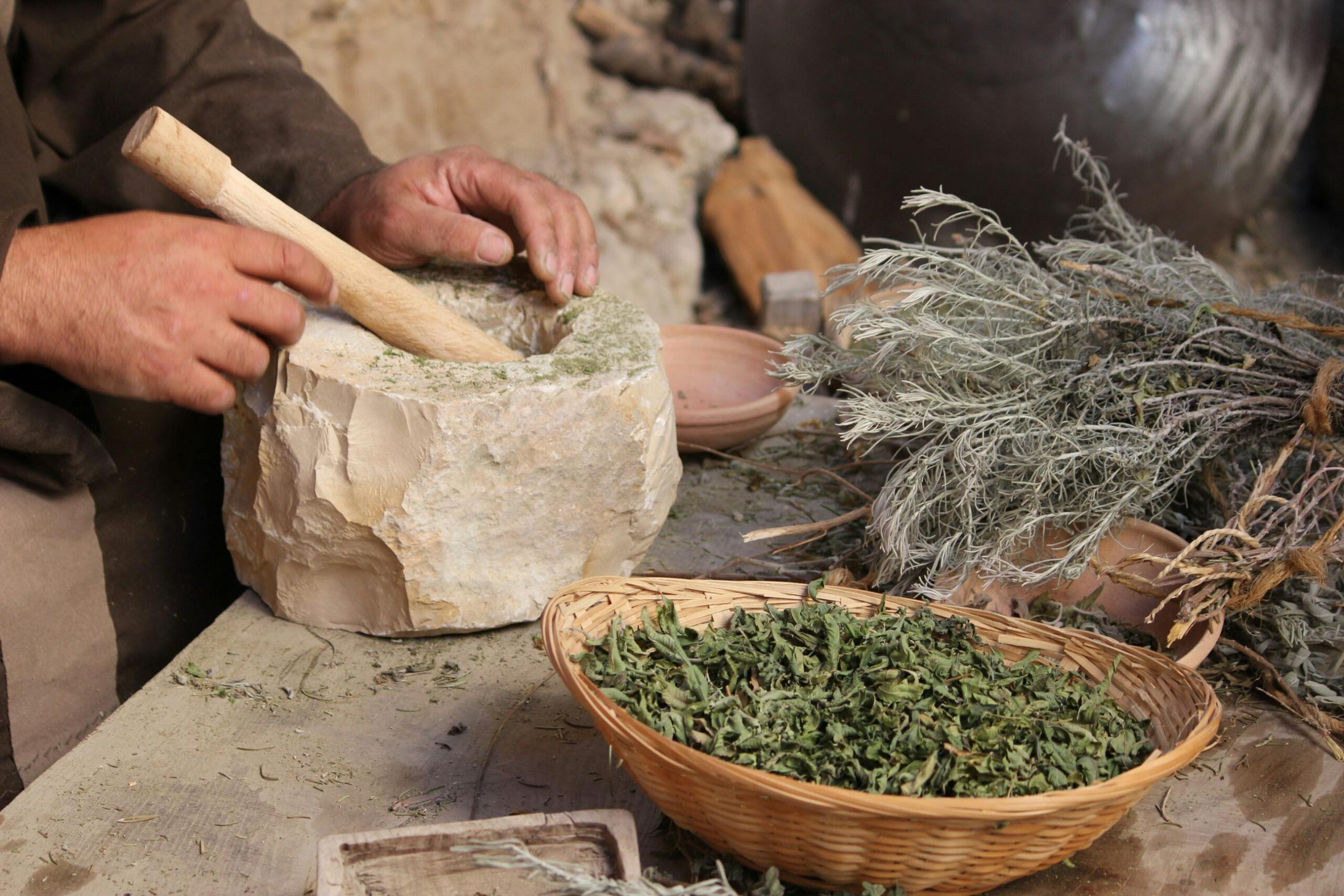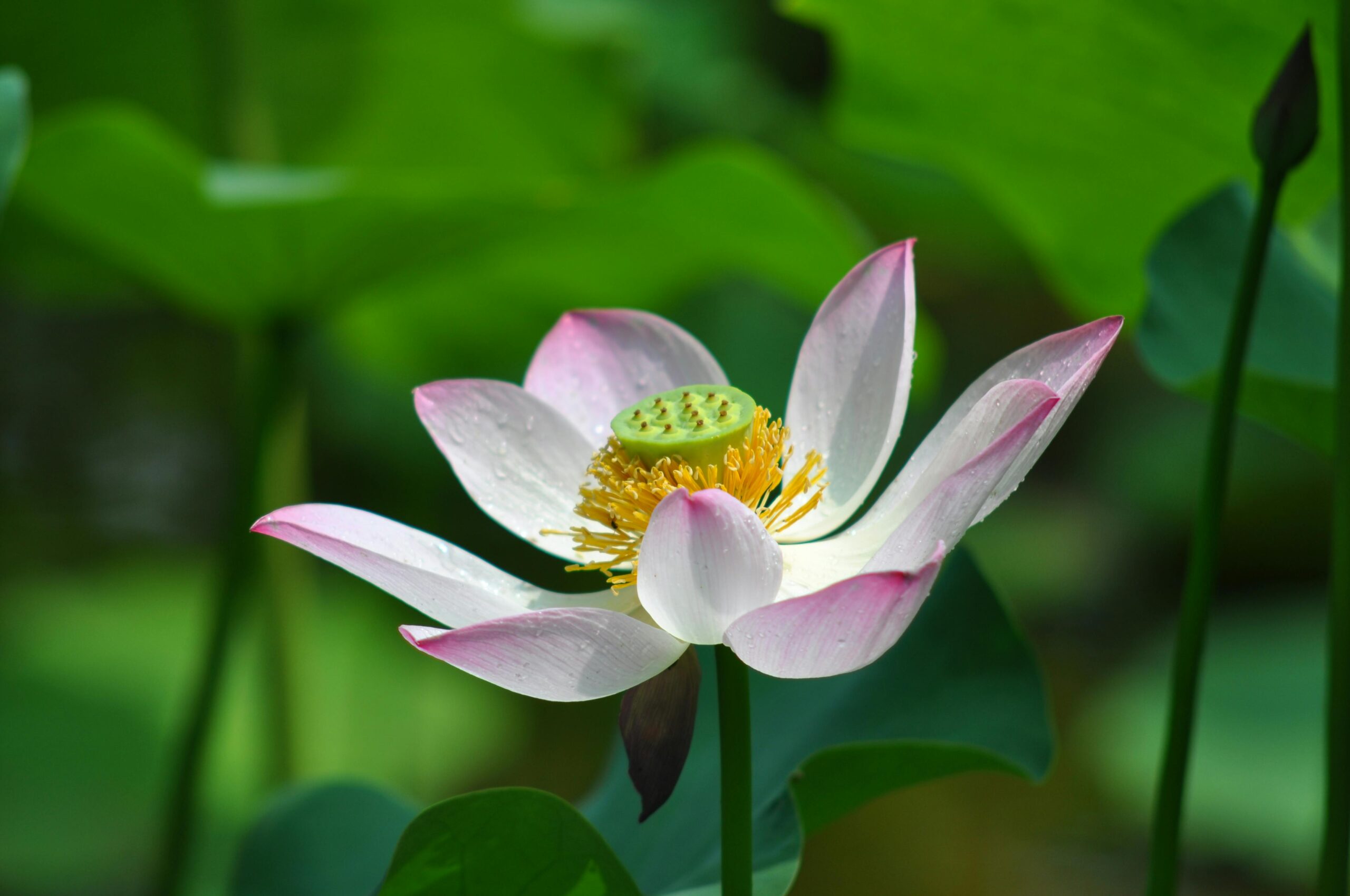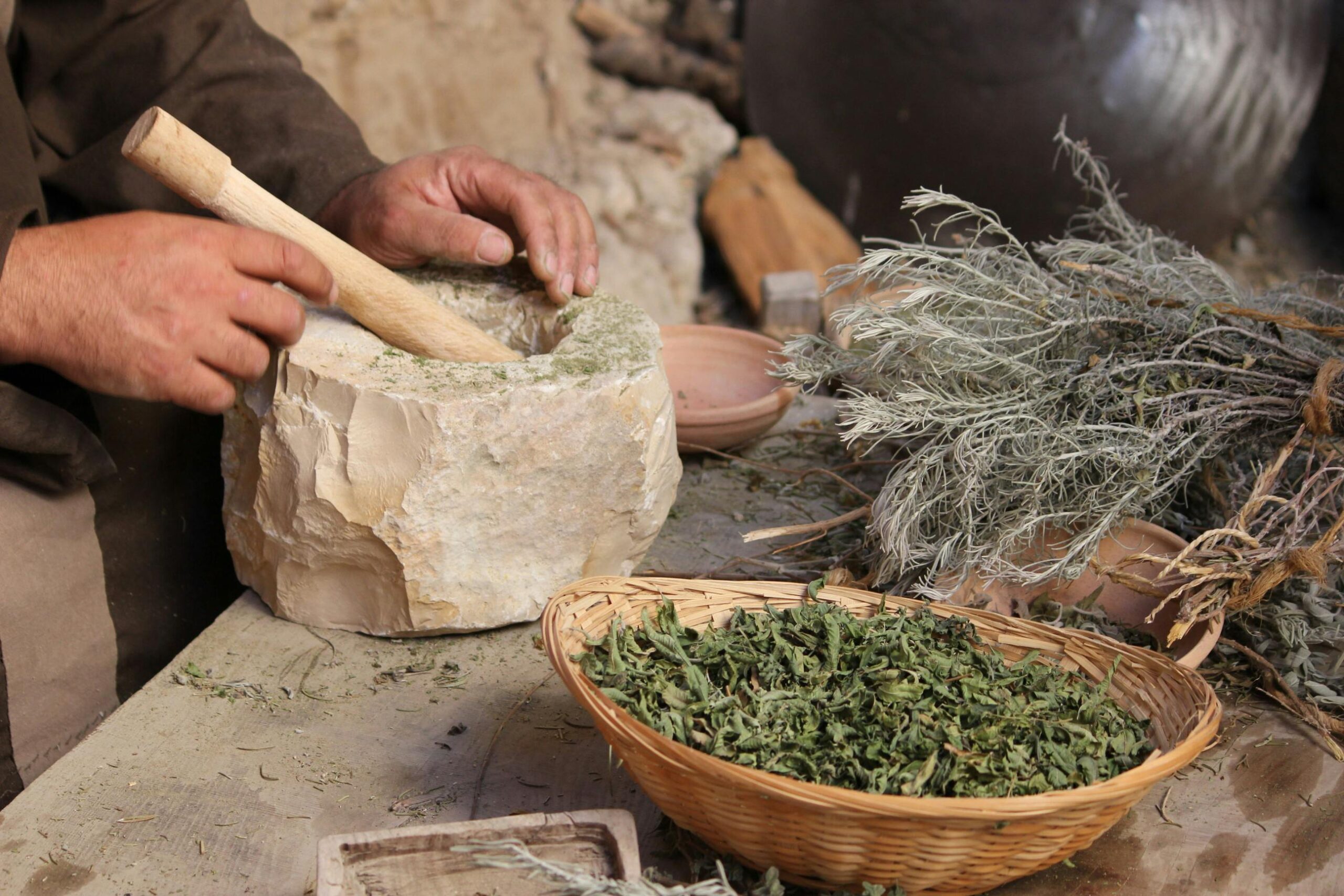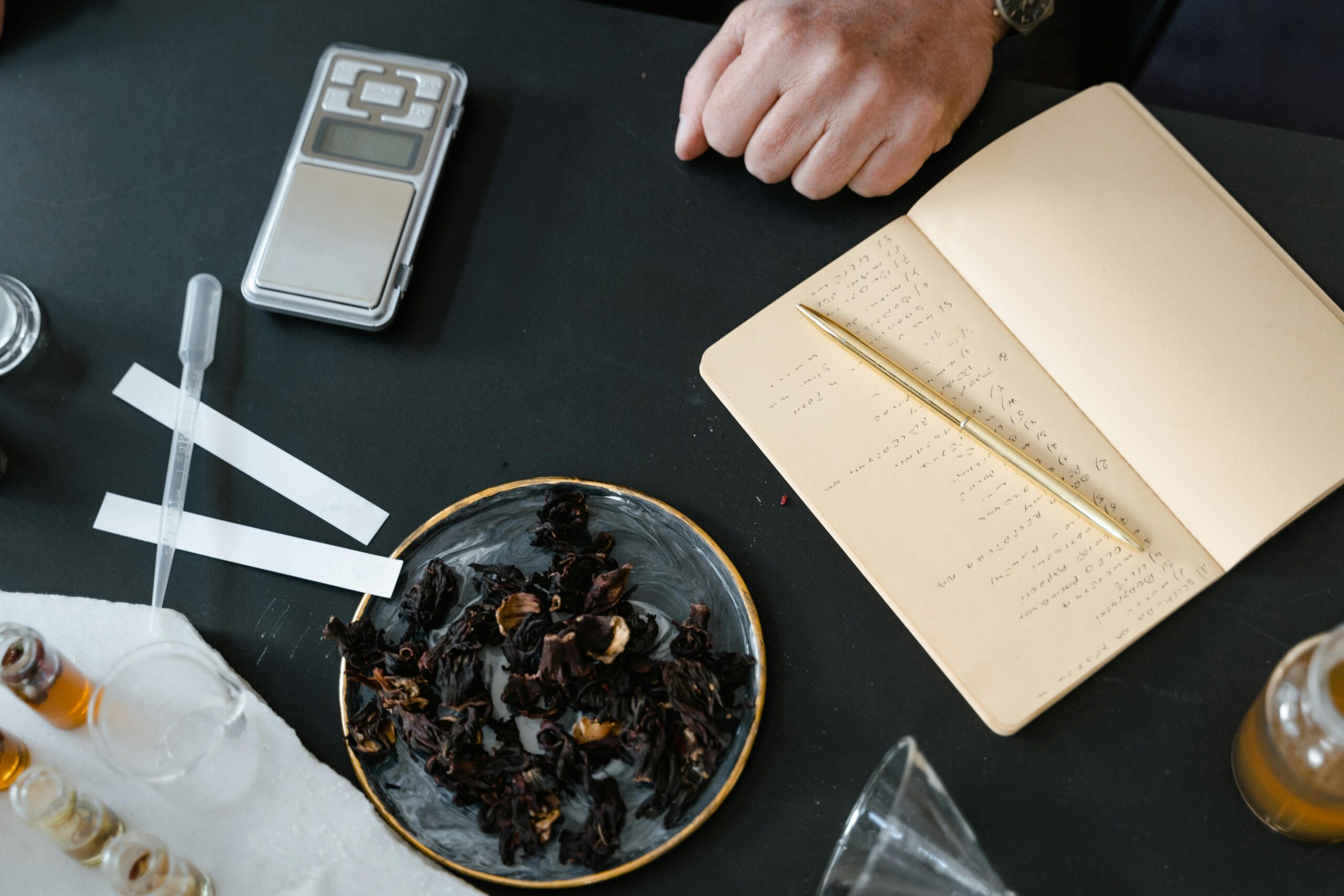
Ancient botanical therapies represent humanity’s oldest medical system, blending spiritual wisdom with natural remedies that have sustained communities for millennia across diverse cultures worldwide.

🌿 The Living Heritage of Plant-Based Medicine
Traditional healing practices have served as the cornerstone of healthcare for approximately 80% of the world’s population, according to the World Health Organization. These time-honored systems encompass far more than simple herbal remedies—they represent comprehensive frameworks of knowledge, cultural identity, and community wellness that have been refined through countless generations of careful observation and practical application.
The resurgence of interest in botanical therapies reflects a growing recognition that modern medicine, despite its remarkable achievements, cannot address all dimensions of human health. Ancient healing traditions offer holistic approaches that consider the interconnectedness of physical, emotional, spiritual, and environmental factors in maintaining wellness. This integrated perspective stands in stark contrast to the reductionist tendencies of conventional biomedicine, which often focuses narrowly on isolated symptoms or disease processes.
From Ayurvedic medicine in India to Traditional Chinese Medicine, from Indigenous healing practices across the Americas to African ethnobotany, these systems share common threads while maintaining unique cultural expressions. They remind us that healing is not merely a technical intervention but a sacred art that honors the profound relationship between humans and the natural world.
The Scientific Validation of Traditional Knowledge
Contemporary research has begun validating what traditional healers have known intuitively for centuries. Phytochemical analysis reveals that medicinal plants contain complex arrays of bioactive compounds that work synergistically—a concept traditional practitioners call “whole plant medicine.” This approach often proves more effective and produces fewer side effects than isolated pharmaceutical compounds derived from the same plants.
Consider turmeric, used in Ayurvedic medicine for over 4,000 years. Modern science has identified curcumin as its primary active ingredient, demonstrating powerful anti-inflammatory and antioxidant properties. However, research shows that whole turmeric extract is more bioavailable and therapeutically effective than isolated curcumin, confirming the traditional wisdom of using the complete plant.
Similarly, artemisinin from sweet wormwood (Artemisia annua), used in Traditional Chinese Medicine for fever treatment, has become a cornerstone of modern malaria therapy. This discovery earned Youyou Tu the Nobel Prize in Physiology or Medicine in 2015, highlighting how traditional knowledge can contribute groundbreaking solutions to contemporary health challenges.
Bridging Two Worlds of Healing
The integration of traditional botanical therapies with modern medical practice presents both opportunities and challenges. Ethnobotanists, pharmacologists, and traditional healers increasingly collaborate to document medicinal plant knowledge, validate therapeutic claims through clinical trials, and develop standardized preparations that maintain traditional wisdom while meeting contemporary safety and efficacy standards.
These partnerships must navigate complex terrain. Scientific methodology often struggles to evaluate holistic healing systems that resist reduction to isolated variables. Traditional healing frequently operates within cultural contexts that include ritual, relationship, and spiritual dimensions that laboratory studies cannot capture or measure.
🌍 Social Impacts: Community, Identity, and Access
Traditional healing practices function as more than medical systems—they serve as vital threads in the social fabric of communities worldwide. These practices preserve cultural identity, transmit ancestral wisdom, and maintain social cohesion through shared healing traditions that connect generations.
In many Indigenous communities, the role of traditional healer carries profound social significance. Healers serve as guardians of sacred knowledge, spiritual guides, and community leaders who maintain cultural continuity in the face of modernization pressures. Their practices often incorporate storytelling, ceremony, and communal participation that strengthen social bonds while addressing health concerns.
Healthcare Access and Equity Considerations
For millions of people globally, particularly in rural and underserved areas, traditional healers remain the primary—and sometimes only—accessible healthcare providers. These practitioners offer affordable, culturally appropriate care that conventional medical systems often fail to provide. They understand local languages, respect cultural norms, and work within existing belief systems rather than imposing foreign medical paradigms.
However, this reliance on traditional medicine also highlights significant healthcare inequities. While wealthy populations can choose between conventional and complementary therapies, impoverished communities often lack access to both quality traditional medicine and modern healthcare facilities. Addressing this disparity requires investment in both systems while respecting community preferences and cultural contexts.
Gender Dynamics in Traditional Healing
Women have historically played central roles as herbalists, midwives, and community healers across cultures. Traditional botanical knowledge often passes through maternal lines, with elder women training younger generations in plant identification, preparation methods, and therapeutic applications. This knowledge transmission empowers women as healthcare providers and preserves their social authority within communities.
Yet the commercialization and professionalization of traditional medicine sometimes marginalizes women practitioners. As traditional healing becomes formalized through licensing requirements, standardized training, or commercial ventures, male practitioners may dominate these new structures, displacing women who held authority in informal traditional systems.
⚖️ Ethical Dimensions of Botanical Therapies
The revival of interest in traditional healing raises complex ethical questions that demand careful consideration from researchers, practitioners, policymakers, and consumers alike.
Intellectual Property and Biopiracy Concerns
Traditional botanical knowledge represents collective intellectual property developed over generations within specific cultural communities. When pharmaceutical companies or researchers commercialize this knowledge without proper acknowledgment, compensation, or consent, they engage in biopiracy—the theft of traditional knowledge and genetic resources.
Notable cases illustrate these concerns. The patenting of turmeric’s wound-healing properties by a U.S. university was challenged and revoked after Indian scientists demonstrated this knowledge had existed in traditional medicine for centuries. Similarly, attempts to patent ayahuasca, neem, and other plants with sacred or traditional uses have sparked protests and legal challenges from Indigenous communities.
The Nagoya Protocol on Access and Benefit-Sharing, adopted in 2010, established international frameworks requiring fair and equitable sharing of benefits arising from traditional knowledge utilization. However, enforcement remains challenging, and many communities continue fighting to protect their intellectual heritage from exploitation.
Informed Consent and Cultural Sensitivity
Ethical research involving traditional healing systems requires more than standard informed consent procedures. Free, Prior, and Informed Consent (FPIC) principles recognize communities’ collective rights to participate in decisions affecting their traditional knowledge, territories, and resources.
Researchers must approach traditional healers and communities as knowledge partners rather than merely data sources. This collaborative approach respects traditional practitioners’ expertise, involves communities in research design and interpretation, and ensures that research benefits flow back to knowledge holders rather than solely enriching external researchers or commercial entities.
🔬 Safety, Quality Control, and Regulation Challenges
While traditional botanical therapies offer tremendous potential, ensuring their safety and quality presents significant challenges. Unlike conventional pharmaceuticals, which undergo rigorous testing and standardization, traditional remedies often vary in composition, potency, and purity depending on plant varieties, growing conditions, harvesting methods, and preparation techniques.
Contamination with heavy metals, pesticides, or microbial pathogens poses real risks, particularly in commercially produced herbal products. Adulteration—the substitution or dilution of authentic botanicals with cheaper alternatives—undermines both safety and efficacy. The lack of standardized dosing information can lead to therapeutic failures or adverse effects from excessive consumption.
Regulatory Frameworks and Their Limitations
Different nations approach traditional medicine regulation with varying philosophies and rigor. Some countries, including China and India, have established comprehensive regulatory systems that standardize traditional medical education, licensure, and product quality. Others treat botanical products as dietary supplements subject to minimal oversight, while some impose pharmaceutical-level regulations that traditional practitioners struggle to meet.
Effective regulation must balance several competing priorities: protecting public safety, preserving traditional knowledge and practices, ensuring product quality, preventing fraudulent claims, and maintaining access for communities that depend on traditional medicine. Achieving this balance requires culturally sensitive approaches that respect traditional systems while establishing reasonable safety standards.
🌱 Environmental and Sustainability Considerations
The growing global demand for botanical therapies creates environmental pressures that threaten both plant species and the ecosystems they inhabit. Overharvesting of wild medicinal plants endangers numerous species while degrading habitats and disrupting ecological relationships.
Many highly valued medicinal plants grow slowly, reproduce inefficiently, or occupy specialized ecological niches that limit their abundance. American ginseng, goldenseal, and devil’s claw are among hundreds of medicinal plants now threatened by unsustainable harvesting practices driven by commercial demand.
Sustainable Harvesting and Cultivation Practices
Addressing these sustainability challenges requires multiple strategies. Cultivation of medicinal plants can relieve pressure on wild populations while providing economic opportunities for farming communities. However, cultivation may alter plants’ chemical composition, potentially affecting therapeutic properties developed through specific wild growing conditions.
Sustainable wildcrafting practices, guided by traditional ecological knowledge, can maintain plant populations while allowing continued harvesting. These approaches include selective harvesting, habitat restoration, seed dispersal, and seasonal restrictions that align with plants’ reproductive cycles. Traditional harvesters often employ spiritual practices—prayers, offerings, or harvesting protocols—that reinforce conservation ethics and maintain respectful relationships with plant communities.
💡 Integrative Approaches: The Future of Healing
Rather than viewing traditional and modern medicine as competing systems, forward-thinking healthcare approaches recognize their complementary strengths. Integrative medicine combines conventional treatments’ technological sophistication and evidence base with traditional healing’s holistic perspective and time-tested remedies.
This integration appears in various forms globally. Hospitals in China routinely offer both conventional and traditional Chinese medicine treatments. Ayurvedic hospitals in India employ modern diagnostic technologies alongside traditional therapies. Some Western medical centers now include traditional healers on staff or refer patients to reputable traditional practitioners for complementary care.
Education and Cross-Training Initiatives
Preparing future healthcare providers requires education that respects both medical paradigms. Medical schools increasingly incorporate content about traditional healing systems, cultural competency, and botanical medicine into curricula. Conversely, some traditional medicine training programs now include basic biomedical concepts, patient safety protocols, and appropriate referral practices.
These cross-training initiatives promote mutual respect between traditional and conventional practitioners while improving patient care through better collaboration and communication. They also help practitioners recognize when each system’s strengths are most applicable to specific health concerns.
🌐 Globalization and Cultural Exchange
Traditional botanical therapies have transcended their cultural origins, becoming global phenomena as migration, commerce, and digital communication spread healing knowledge worldwide. Yoga studios, acupuncture clinics, and Ayurvedic wellness centers now operate in cities far from these traditions’ homelands.
This globalization presents both opportunities and concerns. Positive aspects include increased access to diverse healing modalities, cross-cultural learning, and economic opportunities for traditional medicine practitioners. However, decontextualization—separating healing practices from their cultural, spiritual, and philosophical foundations—may diminish their effectiveness while promoting superficial or commercialized versions that distort traditional teachings.
Cultural Appropriation Versus Appreciation
The line between cultural appreciation and appropriation requires careful navigation. Respectful engagement with traditional healing systems acknowledges their cultural origins, seeks proper training from authentic teachers, compensates knowledge holders fairly, and recognizes the spiritual and ethical dimensions these practices embody.
Appropriation occurs when elements of traditional healing are extracted, commodified, or misrepresented without honoring their source communities. This includes marketing products with Indigenous imagery while excluding Indigenous people from economic benefits, claiming expertise without proper training, or dismissing the cultural contexts that give these practices meaning and efficacy.
🔮 Looking Forward: Preserving Wisdom While Embracing Innovation
As we advance into an uncertain future facing complex health challenges—from antibiotic resistance to chronic disease epidemics to mental health crises—traditional botanical therapies offer valuable resources that complement conventional approaches. However, unlocking their full potential requires addressing the social and ethical considerations that surround their use.
Documentation efforts using digital technologies can preserve traditional knowledge for future generations while making it accessible to researchers and practitioners worldwide. Yet these initiatives must respect traditional protocols about sacred knowledge, incorporate community governance over information sharing, and ensure that knowledge preservation serves communities’ interests rather than merely extracting information for external use.
Climate change poses existential threats to medicinal plant diversity and the ecosystems that sustain them. Conservation efforts, seed banking, habitat protection, and traditional land management practices become increasingly critical for maintaining the botanical foundation of traditional healing systems.
Empowering Communities as Knowledge Guardians
Ultimately, the future of traditional botanical therapies depends on empowering the communities who developed, preserved, and continue practicing these healing arts. This empowerment requires recognizing traditional healers as legitimate healthcare providers, supporting their economic sustainability, protecting their intellectual property rights, and amplifying their voices in policy decisions affecting traditional medicine.
Young people within traditional communities must see value in learning ancestral healing knowledge rather than viewing it as obsolete or inferior to modern medicine. Educational programs, cultural revitalization initiatives, and economic opportunities tied to traditional healing can motivate younger generations to maintain these living traditions.
✨ The Synergy of Ancient Wisdom and Modern Understanding
The exploration of traditional botanical therapies reveals that genuine healing transcends the binary of “traditional versus modern” medicine. The most effective healthcare systems recognize that ancient wisdom and contemporary science each contribute essential perspectives that, when combined respectfully and thoughtfully, offer more comprehensive solutions than either approach alone.
These ancient practices remind us that healing involves more than eliminating disease—it encompasses restoring balance, strengthening resilience, nurturing community connections, and honoring our relationship with the natural world. As environmental degradation, social fragmentation, and lifestyle diseases challenge human wellbeing, these holistic perspectives become increasingly relevant.
Moving forward requires humility, respect, and genuine partnership between knowledge systems. Conventional medicine must acknowledge the limitations of purely reductionist approaches and remain open to insights from traditional healing wisdom. Traditional practitioners must navigate modernity while maintaining the integrity of their healing arts. Researchers must conduct investigations that honor rather than exploit traditional knowledge. Policymakers must create frameworks that protect both patient safety and cultural heritage.
The power of ancient botanical therapies lies not only in their therapeutic compounds but in their capacity to reconnect us with timeless principles of healing—principles that recognize health as harmony between body, mind, spirit, and environment. By addressing the social and ethical dimensions of these practices with care and intention, we can unlock their full potential to contribute to human flourishing while honoring the communities who have safeguarded this precious knowledge across generations. The future of healthcare may well depend on our ability to weave together these ancient threads with modern innovations, creating healing tapestries strong enough to sustain us through the challenges ahead.