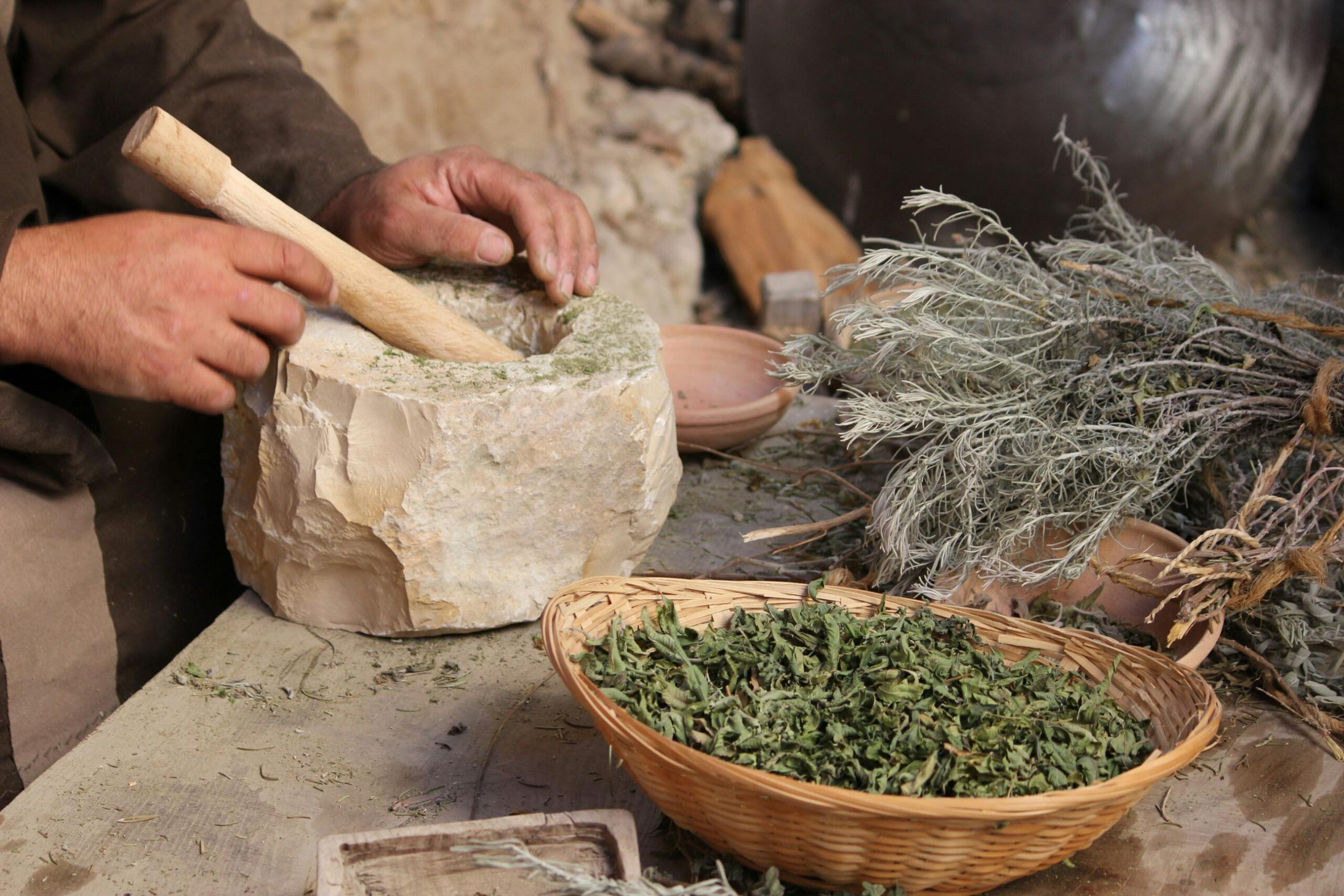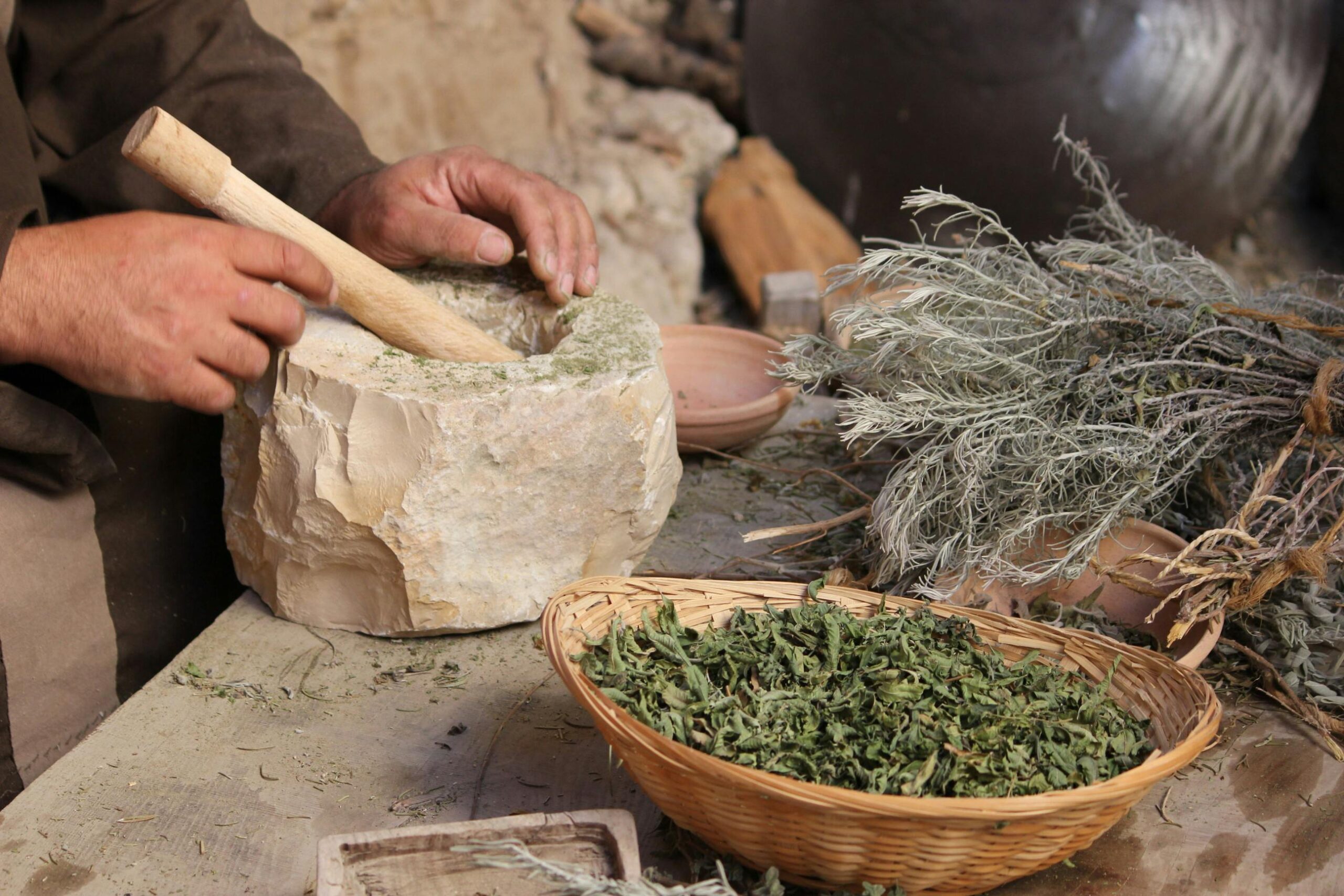
Ancient botanical therapies are experiencing a remarkable renaissance as modern science validates what traditional healers have known for millennia about plant-based healing.

The convergence of ancestral wisdom and contemporary research is revolutionizing how we approach healthcare, wellness, and disease prevention. From Ayurvedic herbs to Traditional Chinese Medicine formulations, botanical remedies that sustained civilizations for thousands of years are now being scrutinized through the lens of modern pharmacology, revealing compounds that could shape the future of medicine. This resurgence isn’t merely nostalgic—it represents a sophisticated understanding that nature’s pharmacy, refined through centuries of empirical observation, holds solutions to some of our most pressing health challenges.
🌿 The Renaissance of Ancient Plant Wisdom
We’re witnessing an unprecedented global shift toward botanical therapeutics, driven by multiple converging factors. The World Health Organization estimates that approximately 80% of the world’s population relies on herbal medicine for some aspect of primary healthcare. This statistic isn’t just about developing nations maintaining traditional practices—it reflects a sophisticated, deliberate choice by consumers and practitioners worldwide who recognize the limitations and side effects of synthetic pharmaceuticals.
The pharmaceutical industry itself has taken notice. Major drug companies are investing billions in ethnobotanical research, employing teams of scientists to document indigenous knowledge before it disappears. This bioprospecting reveals that approximately 25% of modern pharmaceutical drugs are derived directly from plants, with many more inspired by botanical compounds. Aspirin from willow bark, digoxin from foxglove, and artemisinin from sweet wormwood represent just the beginning of what ancient botanical knowledge can offer modern medicine.
Adaptogens: Ancient Stress Solutions for Modern Life
Perhaps no category of botanical therapy has captured contemporary imagination quite like adaptogens. These remarkable plants help the body resist physical, chemical, and biological stressors—a concept that ancient healers understood intuitively but that modern science is only now beginning to quantify.
Ashwagandha, used in Ayurvedic medicine for over 3,000 years, has become a cornerstone of modern stress management protocols. Clinical studies demonstrate its ability to reduce cortisol levels by up to 30%, improve sleep quality, and enhance cognitive function. Similarly, Rhodiola rosea, treasured by Viking warriors and Siberian shamans, is now validated by research showing its capacity to combat fatigue, improve mental performance, and support physical endurance.
The Science Behind Adaptogenic Action
What makes adaptogens particularly fascinating is their bidirectional activity—they help normalize bodily functions regardless of the direction of imbalance. This sophisticated regulatory action operates through multiple physiological pathways, including the hypothalamic-pituitary-adrenal axis, neurotransmitter systems, and inflammatory mediators. Modern research using advanced techniques like metabolomics and proteomics is revealing the complex molecular mechanisms behind effects that traditional healers observed empirically for centuries.
- Ashwagandha (Withania somnifera): Supports cortisol regulation and thyroid function
- Holy Basil (Tulsi): Modulates stress response and supports metabolic health
- Schisandra: Enhances mental clarity and supports liver detoxification
- Eleuthero (Siberian Ginseng): Improves physical stamina and immune function
- Reishi Mushroom: Supports immune health and promotes restful sleep
🔬 Psychedelic Plants: From Sacred Medicine to Psychiatric Breakthrough
One of the most dramatic shifts in botanical therapy involves plants that indigenous cultures have used ceremonially for millennia. Psilocybin mushrooms, ayahuasca, peyote, and iboga—once dismissed as mere intoxicants—are now recognized as potentially transformative psychiatric medicines. Major universities including Johns Hopkins, Imperial College London, and UC Berkeley have established dedicated research centers exploring these compounds.
Clinical trials reveal extraordinary results. Psilocybin-assisted therapy shows a 60-80% success rate for treatment-resistant depression in some studies—outcomes that dwarf conventional antidepressants. MDMA-assisted psychotherapy for PTSD demonstrates similarly remarkable efficacy, with the FDA granting it breakthrough therapy designation. These aren’t new discoveries—they represent Western medicine finally acknowledging healing traditions that Mazatec curanderas, Amazonian shamans, and indigenous ceremonialists have preserved for generations.
Anti-Inflammatory Botanicals: Ancient Solutions to Modern Disease
Chronic inflammation underlies most contemporary diseases, from cardiovascular conditions to autoimmune disorders, metabolic syndrome, and neurodegenerative diseases. Ancient medical systems recognized inflammatory processes, though they described them differently, and developed sophisticated botanical protocols to address them.
Turmeric, containing the powerful compound curcumin, has been central to Ayurvedic and Traditional Chinese Medicine for over 4,000 years. Modern research validates its remarkable anti-inflammatory properties, with studies showing efficacy comparable to pharmaceutical anti-inflammatory drugs but with significantly fewer side effects. The challenge has been bioavailability—a problem traditional practitioners solved by combining turmeric with black pepper, which increases curcumin absorption by up to 2,000%.
Emerging Anti-Inflammatory Botanicals Gaining Recognition
Beyond turmeric, numerous traditional anti-inflammatory plants are entering mainstream awareness. Boswellia serrata, used in Ayurvedic medicine for joint health, contains boswellic acids that inhibit pro-inflammatory enzymes. Ginger, a culinary and medicinal staple across Asian cultures, demonstrates powerful anti-inflammatory effects through compounds called gingerols. Thunder god vine, despite its ominous name, shows promise for autoimmune conditions in preliminary research, though it requires careful administration due to potential toxicity.
Nootropic Plants: Cognitive Enhancement Through Botanical Wisdom 🧠
The pursuit of cognitive enhancement has driven botanical exploration for millennia. Today’s biohacking movement is essentially rediscovering what Taoist monks, Ayurvedic physicians, and indigenous healers developed through centuries of careful observation and experimentation.
Bacopa monnieri, a cornerstone of Ayurvedic brain tonics, enhances memory formation and recall through mechanisms that modern neuroscience is still unraveling. Studies demonstrate improvements in information processing, learning rates, and memory consolidation. Ginkgo biloba, prescribed in Traditional Chinese Medicine for cognitive support, improves cerebral blood flow and protects neurons from oxidative stress. Lion’s mane mushroom stimulates nerve growth factor production, potentially supporting neuroplasticity and cognitive resilience.
| Botanical | Traditional Use | Modern Application | Key Compounds |
|---|---|---|---|
| Bacopa Monnieri | Ayurvedic memory enhancer | Learning and recall improvement | Bacosides |
| Gotu Kola | Longevity tonic | Cognitive function support | Triterpenoids |
| Lion’s Mane | Buddhist meditation aid | Neuroprotection and NGF stimulation | Hericenones, Erinacines |
| Ginkgo Biloba | TCM circulation enhancer | Cerebral blood flow optimization | Flavonoids, Terpenoids |
Antimicrobial Plants in the Age of Antibiotic Resistance
As antibiotic resistance threatens to return humanity to a pre-antibiotic era, botanical antimicrobials are receiving urgent attention from researchers. Traditional healers never abandoned these remedies, maintaining knowledge of plants that combat bacterial, viral, and fungal infections through mechanisms that don’t typically generate resistance.
Berberine, found in goldenseal, barberry, and Oregon grape, demonstrates broad-spectrum antimicrobial activity against bacteria, viruses, fungi, and parasites. Unlike antibiotics that target specific bacterial mechanisms, berberine disrupts multiple pathways simultaneously, making resistance development far more difficult. Similarly, compounds in garlic, oregano oil, and pau d’arco exhibit antimicrobial properties validated by contemporary research.
The Synergy Advantage of Botanical Antimicrobials
One crucial advantage of botanical antimicrobials is their chemical complexity. While pharmaceutical antibiotics typically contain a single active compound, medicinal plants contain hundreds of constituents that work synergistically. This complexity makes them more difficult for pathogens to develop resistance against and often provides multiple therapeutic benefits simultaneously. Traditional preparation methods—teas, tinctures, and decoctions—preserve this complexity in ways that isolated compounds cannot replicate.
🌸 Women’s Health: Botanical Traditions Meeting Modern Gynecology
Traditional botanical approaches to women’s health are experiencing renewed appreciation as limitations of synthetic hormone therapies become apparent. Plants containing phytoestrogens and hormone-modulating compounds offer gentler alternatives for managing menstrual irregularities, menopausal symptoms, and reproductive health challenges.
Red clover, black cohosh, dong quai, and vitex have sustained women’s health traditions across diverse cultures. Modern research reveals these plants don’t simply mimic hormones—they interact with hormone receptors in sophisticated ways, modulating activity based on the body’s needs. This nuanced action often produces therapeutic benefits without the side effects associated with synthetic hormone replacement.
Raspberry leaf, traditionally used to tone the uterus during pregnancy preparation, is now studied for its effects on smooth muscle tissue and its mineral-rich nutritional profile. Maca root, treasured by Andean cultures for fertility and vitality, demonstrates hormone-balancing effects in clinical trials, improving symptoms of menopause and potentially enhancing fertility in both men and women.
Cardiovascular Botanicals: Heart Health from Ancient Wisdom
Cardiovascular disease remains the leading cause of mortality globally, yet numerous botanical traditions offer protective compounds that modern cardiology is only beginning to appreciate fully. Hawthorn berry, used in European and Chinese medicine for centuries, strengthens heart muscle contractions, improves coronary blood flow, and demonstrates anti-arrhythmic properties in clinical studies.
Garlic’s cardiovascular benefits extend far beyond folklore—dozens of clinical trials demonstrate its ability to reduce blood pressure, improve cholesterol profiles, and decrease arterial plaque formation. The mechanisms involve hydrogen sulfide production, endothelial function enhancement, and anti-inflammatory pathways that conventional pharmaceuticals rarely address simultaneously.
Digestive Healing: Gut Wisdom from Traditional Medicine 🌾
The modern understanding of gut health as central to overall wellness aligns perfectly with traditional medical systems that have always emphasized digestive function. Bitter herbs—gentian, dandelion, and artichoke—stimulate digestive secretions in ways that support nutrient absorption and liver function. Traditional practitioners understood empirically what research now confirms: bitter compounds trigger complex neurohormonal responses that optimize digestion.
Demulcent herbs like slippery elm, marshmallow root, and licorice protect and soothe the gastrointestinal lining, offering relief for inflammatory bowel conditions, acid reflux, and gastritis. These botanicals work through mechanical protection and anti-inflammatory compounds, providing symptom relief while supporting healing—a dual action that synthetic medications rarely achieve.
Integration Challenges and Quality Concerns
Despite growing enthusiasm for botanical therapies, significant challenges complicate their integration into mainstream healthcare. Standardization difficulties arise from natural variations in plant chemistry based on growing conditions, harvest timing, and preparation methods. Quality control issues plague the supplement industry, with studies revealing that many products don’t contain stated ingredients or contain contaminants.
The lack of patent potential for plant medicines creates research funding challenges. Pharmaceutical companies hesitate to invest in comprehensive clinical trials for substances they cannot exclusively control. This results in an evidence paradox—botanical medicines with centuries of empirical validation often lack the gold-standard clinical trials that regulatory agencies and conventional practitioners require.
Navigating the Botanical Marketplace Wisely
Consumers interested in botanical therapies must become informed advocates for their own health. Seeking products with third-party testing, organic certification, and transparent sourcing provides some quality assurance. Working with practitioners trained in botanical medicine—herbalists, naturopathic doctors, or integrative physicians—helps navigate the complex landscape of botanical therapeutics safely and effectively.
🔮 Future Directions: Where Ancient Wisdom Meets Cutting-Edge Science
The future of botanical medicine lies not in choosing between traditional wisdom and modern science but in their thoughtful integration. Advanced analytical techniques like high-performance liquid chromatography, mass spectrometry, and genetic sequencing are revealing the chemical complexity of medicinal plants with unprecedented detail. Simultaneously, researchers are documenting traditional knowledge systems before they disappear, preserving preparation methods and combination strategies refined over generations.
Personalized botanical medicine represents an emerging frontier. Genetic testing, microbiome analysis, and metabolic profiling may soon allow practitioners to match individuals with specific botanical protocols based on their unique biological characteristics—a sophisticated evolution of traditional medicine’s constitutional approaches.
Climate change and habitat loss threaten medicinal plant populations, making conservation efforts increasingly urgent. Sustainable wildcrafting practices, cultivation programs, and seed banks preserve both botanical diversity and the traditional knowledge associated with medicinal plants. Some organizations are partnering with indigenous communities to document traditional ecological knowledge while ensuring that communities benefit from commercial developments derived from their ancestral wisdom.

The Holistic Paradigm Shift
Perhaps the most significant contribution of ancient botanical therapies isn’t any single plant compound but rather the holistic paradigm they embody. Traditional medicine systems view health as dynamic balance rather than merely the absence of disease. They emphasize prevention, recognize the interconnection of body systems, and acknowledge the influence of lifestyle, emotions, and environment on physical health.
This comprehensive approach contrasts sharply with reductionist medicine that isolates single disease mechanisms and targets them with pharmaceutical precision. Both approaches offer value—the challenge and opportunity lie in integration. Botanical therapies excel at supporting resilience, optimizing function, and gently correcting imbalances before they manifest as serious disease. Conventional medicine excels at acute intervention, diagnostic precision, and life-saving procedures.
The emerging integrative model draws on both traditions, using botanical therapies for prevention and chronic disease management while employing conventional interventions when necessary. This synthesis honors ancestral wisdom while leveraging technological advances, potentially offering more effective, personalized, and sustainable healthcare than either approach alone.
As we unearth the future of botanical medicine, we’re discovering it was never really buried—it was simply waiting for us to recognize that the most sophisticated medicine might not be what we create in laboratories but what we learn to work with from the natural world that sustained our ancestors. The trends in ancient botanical therapies point toward a future where technology and tradition, analysis and intuition, science and indigenous wisdom converge to create truly holistic healing systems capable of addressing the complex health challenges of our time.