Ancient botanical therapies hold transformative healing power, yet many people unknowingly sabotage their effectiveness through simple mistakes that prevent optimal results.

🌿 The Renaissance of Traditional Plant Medicine in Modern Wellness
We’re experiencing an unprecedented revival of botanical healing practices that our ancestors relied upon for millennia. From Ayurvedic herbs to Traditional Chinese Medicine formulations, these time-tested remedies are capturing the attention of researchers, healthcare practitioners, and wellness enthusiasts worldwide. The global herbal medicine market has expanded dramatically, reflecting growing consumer interest in natural alternatives to synthetic pharmaceuticals.
However, this surge in popularity has created confusion. With countless products flooding the market and conflicting information spreading across social media, distinguishing authentic botanical therapies from marketing hype has become increasingly challenging. More importantly, even genuine ancient remedies can fail to deliver results when used incorrectly.
Understanding the common pitfalls that prevent these powerful plant medicines from working optimally is essential for anyone seeking to harness their full therapeutic potential. Let’s explore the critical mistakes that could be standing between you and the healing transformation you’re seeking.
🚫 Mistake #1: Ignoring Quality and Sourcing Standards
The effectiveness of botanical therapies depends entirely on the quality of the raw materials used. Not all herbal products are created equal, and this distinction makes an enormous difference in therapeutic outcomes.
Why Quality Matters More Than You Think
Plants absorb nutrients, minerals, and unfortunately, toxins from their growing environment. Herbs cultivated in contaminated soil or treated with pesticides carry these harmful substances into your body. Studies have revealed alarming levels of heavy metals, including lead, mercury, and arsenic, in some commercially available herbal supplements.
Additionally, improper harvesting timing, storage conditions, and processing methods can degrade active compounds. A turmeric supplement stored in excessive heat or exposed to light may lose significant amounts of curcumin, its primary therapeutic component. An echinacea product harvested at the wrong growth stage may contain minimal active constituents.
What to Look For When Selecting Botanical Products
- Third-party testing certifications that verify purity and potency
- Organic or wildcrafted designation to minimize pesticide exposure
- Transparent sourcing information about where plants were grown
- Proper Latin botanical names to ensure you’re getting the correct species
- Appropriate extraction methods that preserve therapeutic compounds
- Current lot numbers and expiration dates
Investing in premium-quality botanical preparations might cost more initially, but inferior products that don’t work represent a complete waste of money and, more importantly, delay your healing journey.
⚠️ Mistake #2: Expecting Immediate Pharmaceutical-Style Results
One of the most common reasons people abandon effective botanical therapies prematurely is unrealistic expectations about timing. Unlike synthetic medications designed to suppress symptoms rapidly, plant medicines typically work through different mechanisms that require patience.
Botanical therapies generally function by supporting your body’s inherent healing systems rather than overriding them. This fundamental approach means results often emerge gradually as your body recalibrates and strengthens. An adaptogenic herb like ashwagandha might take several weeks to noticeably reduce stress responses. Herbs supporting liver detoxification require time as your body eliminates accumulated toxins.
Understanding Realistic Timelines for Different Therapeutic Goals
Acute conditions may respond within days to weeks, while chronic issues that developed over years understandably require extended treatment periods. Someone using valerian root for occasional sleep difficulties might notice improvements within a few nights. Conversely, addressing chronic inflammation with turmeric and boswellia typically requires consistent use for at least 6-8 weeks before significant symptom reduction occurs.
Traditional healing systems have always recognized these timelines. Ayurvedic practitioners often recommend minimum three-month treatment protocols for chronic conditions. Traditional Chinese Medicine similarly emphasizes patience and consistency, with practitioners explaining that building health takes longer than merely suppressing symptoms.
💊 Mistake #3: Incorrect Dosing and Preparation Methods
Botanical medicine is genuine medicine, and like all medicines, proper dosing is critical for effectiveness and safety. This represents an area where many people inadvertently undermine their results.
The Goldilocks Principle: Finding Your Optimal Dose
Too little of an herb won’t produce therapeutic effects, while excessive amounts may cause side effects or paradoxically reduce effectiveness. The challenge is that optimal dosing varies based on factors including body weight, metabolism, condition severity, and individual sensitivity.
Standardized extracts provide more predictable dosing than whole herbs, but even these require proper administration. A standardized milk thistle extract containing 80% silymarin requires different dosing than a non-standardized preparation. Reading labels carefully and following evidence-based guidelines is essential.
Preparation Methods That Maximize Therapeutic Compounds
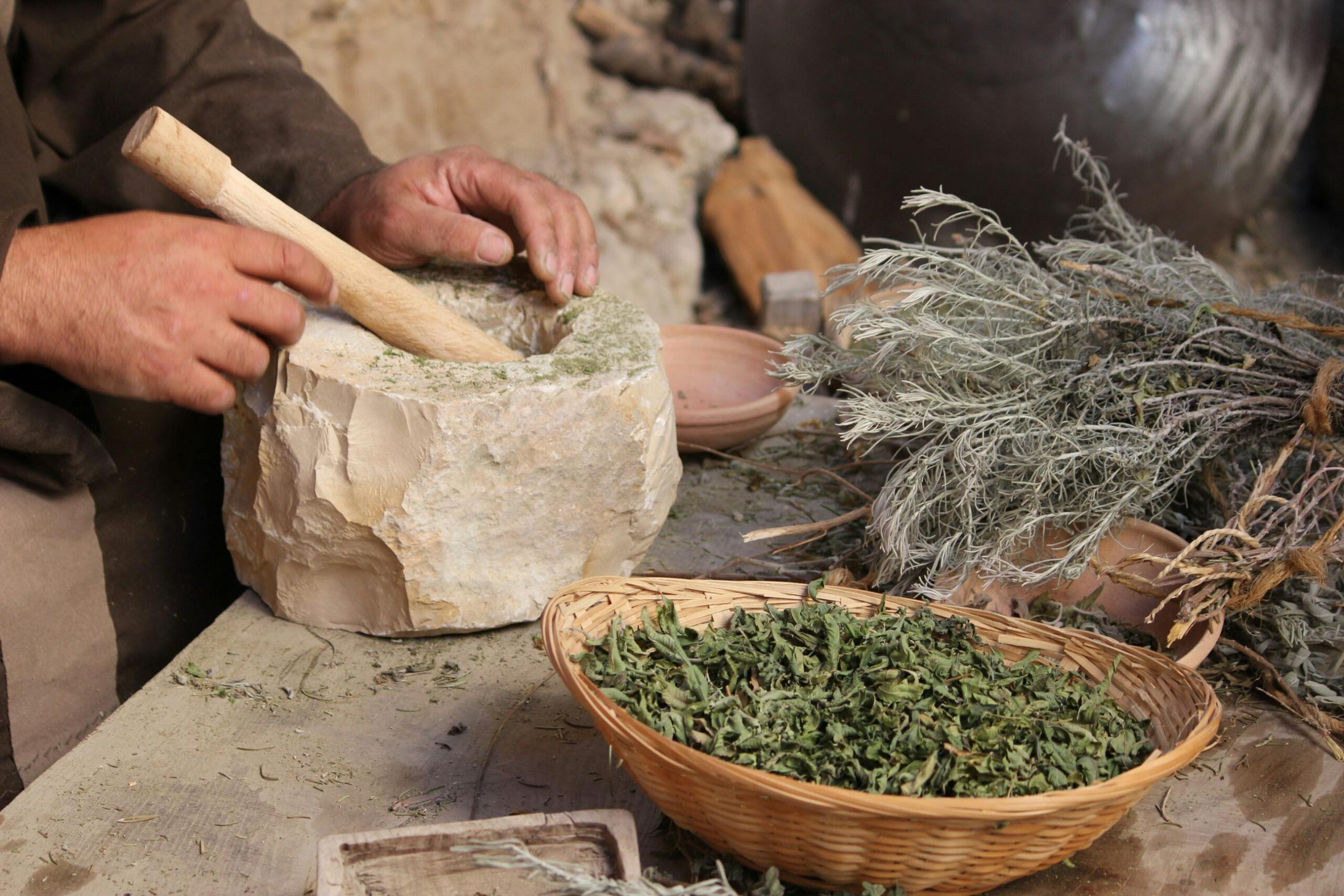
How you prepare botanical remedies dramatically impacts their effectiveness. Different plant constituents require specific extraction methods:
- Water-soluble compounds (mucilage, tannins) extract well in teas and infusions
- Alcohol-soluble compounds (many alkaloids and resins) require tinctures or extracts
- Fat-soluble compounds (some terpenoids) need oil-based preparations or consumption with fats
- Heat-sensitive compounds may be destroyed by boiling and require cold infusions
Making tea by briefly dunking a tea bag in hot water extracts only a fraction of therapeutic compounds compared to proper infusion methods. Similarly, consuming turmeric without black pepper or fats significantly reduces absorption of its beneficial curcumin.
🔄 Mistake #4: Neglecting the Importance of Consistency
Sporadic use represents one of the most prevalent mistakes with botanical therapies. Taking herbs occasionally when you remember or only when symptoms worsen rarely produces the cumulative benefits these remedies offer.
Many botanical compounds need to reach therapeutic blood levels and be maintained there. Others work by gradually modulating physiological processes over time. Inconsistent use prevents these mechanisms from fully engaging, leaving you frustrated with “herbs that don’t work” when the real issue was irregular application.
Building Sustainable Botanical Therapy Routines
Success requires integrating herbal protocols into daily routines in ways that feel manageable rather than burdensome. Setting specific times for taking remedies, using reminder systems, and connecting herb-taking with existing habits increases adherence dramatically.
Creating a pleasant ritual around your botanical therapy also enhances consistency. Making your morning adaptogen blend a mindful moment rather than another task to rush through makes you more likely to maintain the practice long-term.
🧬 Mistake #5: Overlooking Personal Biochemical Individuality
What works brilliantly for your friend, family member, or favorite wellness influencer might not work identically for you. This biological reality frustrates many people who expect universal responses to specific herbs.
Your unique genetic makeup, microbiome composition, current medication use, existing health conditions, and even stress levels all influence how you respond to botanical therapies. Traditional healing systems have always recognized this individuality, which is why Ayurveda classifies people into different constitutional types and Traditional Chinese Medicine emphasizes pattern differentiation.
Personalizing Your Botanical Approach
Working with qualified herbalists or integrative practitioners who can assess your individual needs provides significant advantages. They consider your complete health picture rather than simply matching symptoms to herbs.
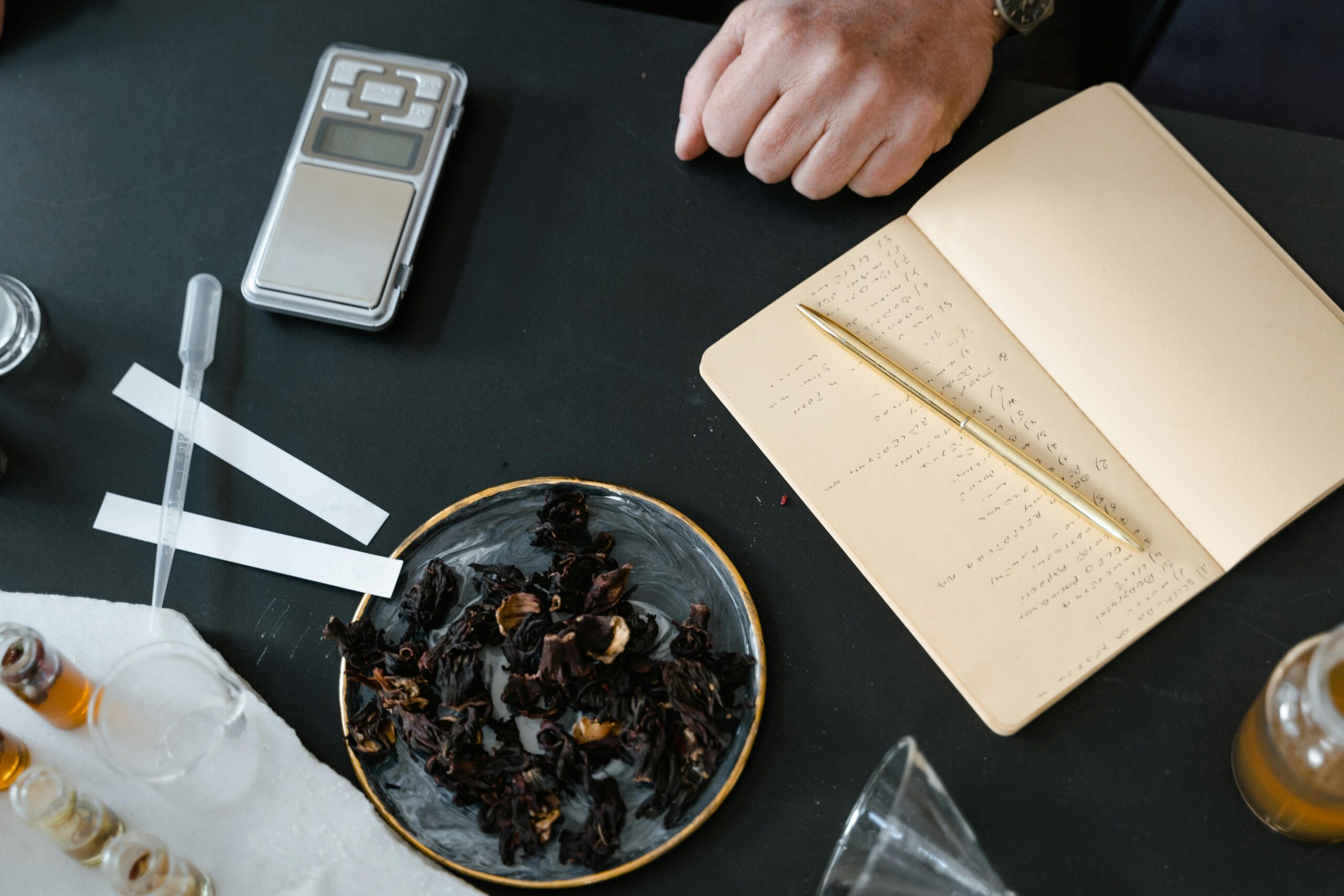
Keeping a detailed journal documenting your experience with botanical remedies helps identify patterns. Note timing, dosage, any effects (positive or negative), and contextual factors like diet, stress, and sleep. This information reveals what works specifically for your body.
⚗️ Mistake #6: Dangerous Drug-Herb Interactions
The assumption that “natural equals safe” has led to potentially dangerous situations where botanical therapies interact with prescription medications, over-the-counter drugs, or other supplements.
St. John’s Wort, for example, accelerates the metabolism of numerous medications including birth control pills, antidepressants, blood thinners, and immunosuppressants, potentially rendering them ineffective. Ginkgo biloba can increase bleeding risk when combined with anticoagulant medications. Licorice root can interfere with blood pressure medications and diuretics.
Essential Safety Protocols
Always inform all your healthcare providers about every botanical therapy you’re using. Don’t assume they’ll ask—many conventional practitioners don’t routinely inquire about herbal use. Bring bottles or lists of exact products and dosages to appointments.
Research potential interactions before starting new botanical therapies, especially if you take prescription medications. Reputable databases and resources provide interaction information, though consulting with clinicians trained in both conventional and botanical medicine offers the most comprehensive safety assessment.
🌡️ Mistake #7: Ignoring Contraindications and Individual Health Conditions
Certain health conditions create contraindications for specific botanical therapies. Pregnancy and breastfeeding require particular caution, as many herbs that are generally safe can affect fetal development or pass into breast milk with unknown effects.
People with autoimmune conditions need careful herb selection, as immune-stimulating botanicals like echinacea might theoretically exacerbate their condition. Those with hormone-sensitive cancers should avoid herbs with significant hormonal activity. People scheduled for surgery must discontinue certain herbs that affect bleeding or anesthesia several weeks beforehand.
📚 Mistake #8: Relying Exclusively on Social Media for Information
Social media platforms overflow with botanical therapy advice, but quality varies enormously. Influencers without appropriate training make dangerous recommendations. Algorithms create echo chambers where misinformation spreads rapidly while evidence-based information remains obscure.
Developing Information Literacy for Botanical Medicine
Seek information from qualified sources including clinical herbalists, naturopathic physicians, integrative medical doctors, and evidence-based wellness platforms. Peer-reviewed research, while sometimes difficult to interpret, provides more reliable information than anecdotal testimonials.
Question sensational claims promising miracle cures. Authentic botanical medicine is powerful but rarely works miracles overnight. Be skeptical of anyone selling expensive proprietary formulas as the only effective option while dismissing all alternatives.
🍽️ Mistake #9: Neglecting the Dietary and Lifestyle Context
Taking botanical therapies while maintaining dietary and lifestyle habits that perpetuate your health issues rarely produces optimal results. Herbs for digestive health have limited effectiveness if you’re consuming inflammatory foods daily. Adaptogens for stress management work better when combined with adequate sleep and stress-reduction practices.
Traditional healing systems never isolated herbs from broader lifestyle recommendations. Ayurvedic treatments include dietary modifications, daily routines, and spiritual practices. Traditional Chinese Medicine combines herbal formulas with acupuncture, dietary therapy, and qigong exercises.
Creating Synergistic Healing Protocols
View botanical therapies as powerful tools within a comprehensive wellness approach rather than magic bullets that compensate for unhealthy choices. Address nutritional deficiencies, improve sleep quality, manage stress effectively, and engage in appropriate physical activity alongside your herbal protocols.
This integrated approach creates synergistic effects where the whole becomes greater than the sum of its parts. Herbs work more effectively when your body receives proper nutritional support and isn’t overwhelmed by chronic stress or inflammation from poor lifestyle choices.
🔬 Mistake #10: Dismissing the Value of Professional Guidance
While many botanical therapies are safe for self-care, complex health issues benefit tremendously from professional expertise. Qualified practitioners bring knowledge about subtle energetics, proper combinations, contraindications, and personalization that books and websites cannot provide.
Clinical herbalists complete extensive training in botany, biochemistry, pharmacology, and traditional healing systems. Naturopathic physicians receive comprehensive medical training plus specialization in natural therapies. These professionals can navigate complexities that overwhelm most laypeople attempting self-treatment.
🌟 Maximizing Your Botanical Healing Journey
Ancient botanical therapies offer profound healing potential when used thoughtfully and correctly. Avoiding these common mistakes transforms frustrating experiences with “herbs that don’t work” into successful therapeutic relationships with powerful plant allies.
Start by investing in quality products from reputable sources. Educate yourself through reliable resources while remaining humble about the complexity of herbal medicine. Maintain consistency with realistic expectations about timing. Personalize your approach based on your unique biochemistry and health situation. Always consider safety, including potential interactions and contraindications.
Remember that botanical healing represents a journey rather than a destination. These remedies work best when integrated into broader wellness practices that honor your body’s innate healing wisdom. The same patience and reverence our ancestors brought to plant medicine serves us well today.
Your relationship with botanical therapies deepens over time as you learn which plants resonate with your body and how to work with them optimally. This knowledge becomes empowering, connecting you with healing traditions that have sustained human health for thousands of years while offering solutions for modern wellness challenges.
By avoiding these critical mistakes, you unlock the full therapeutic potential of ancient botanical wisdom, creating transformation that honors both traditional knowledge and contemporary scientific understanding. The healing power awaits—approach it with respect, patience, and informed intention for maximum benefit. 🌿