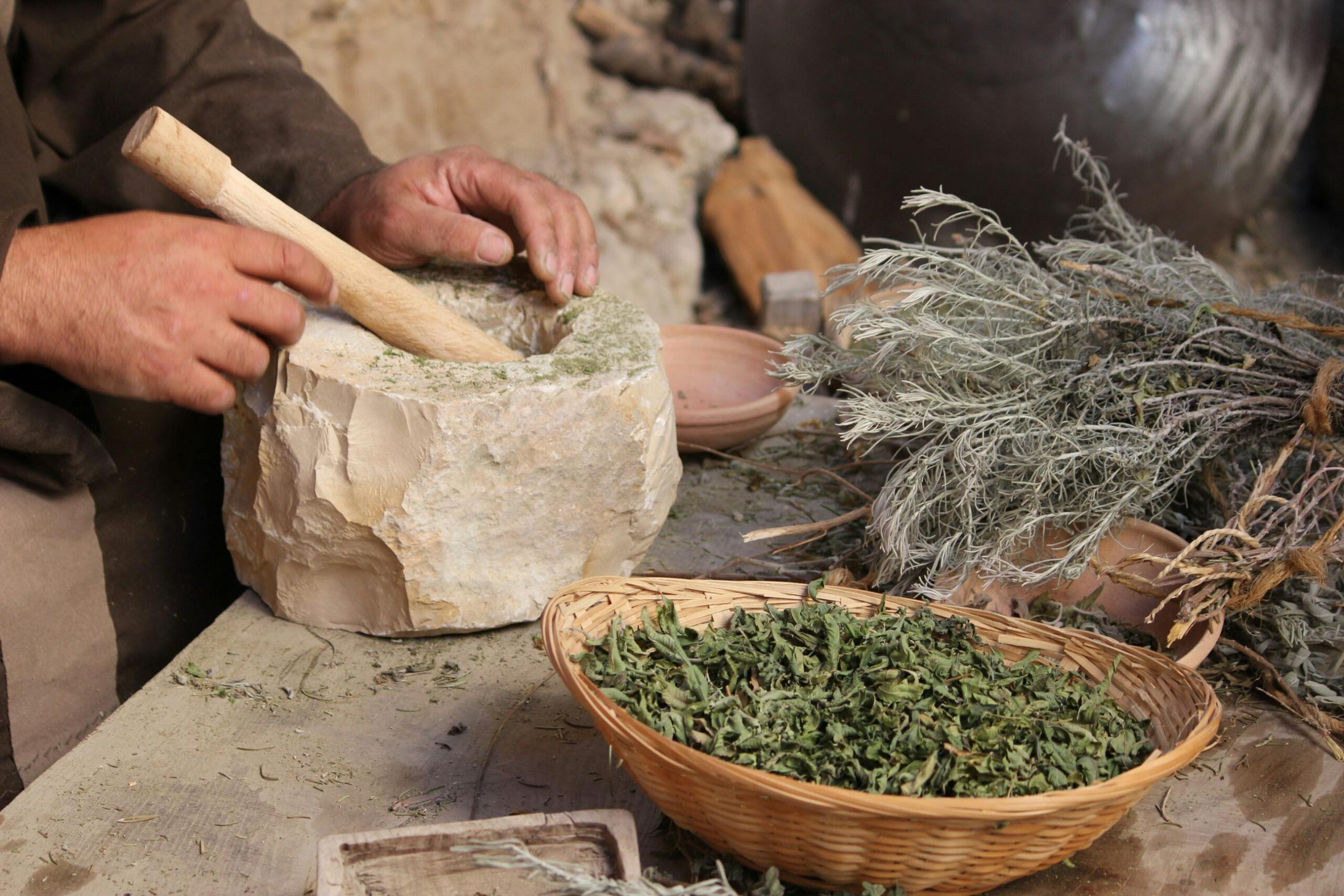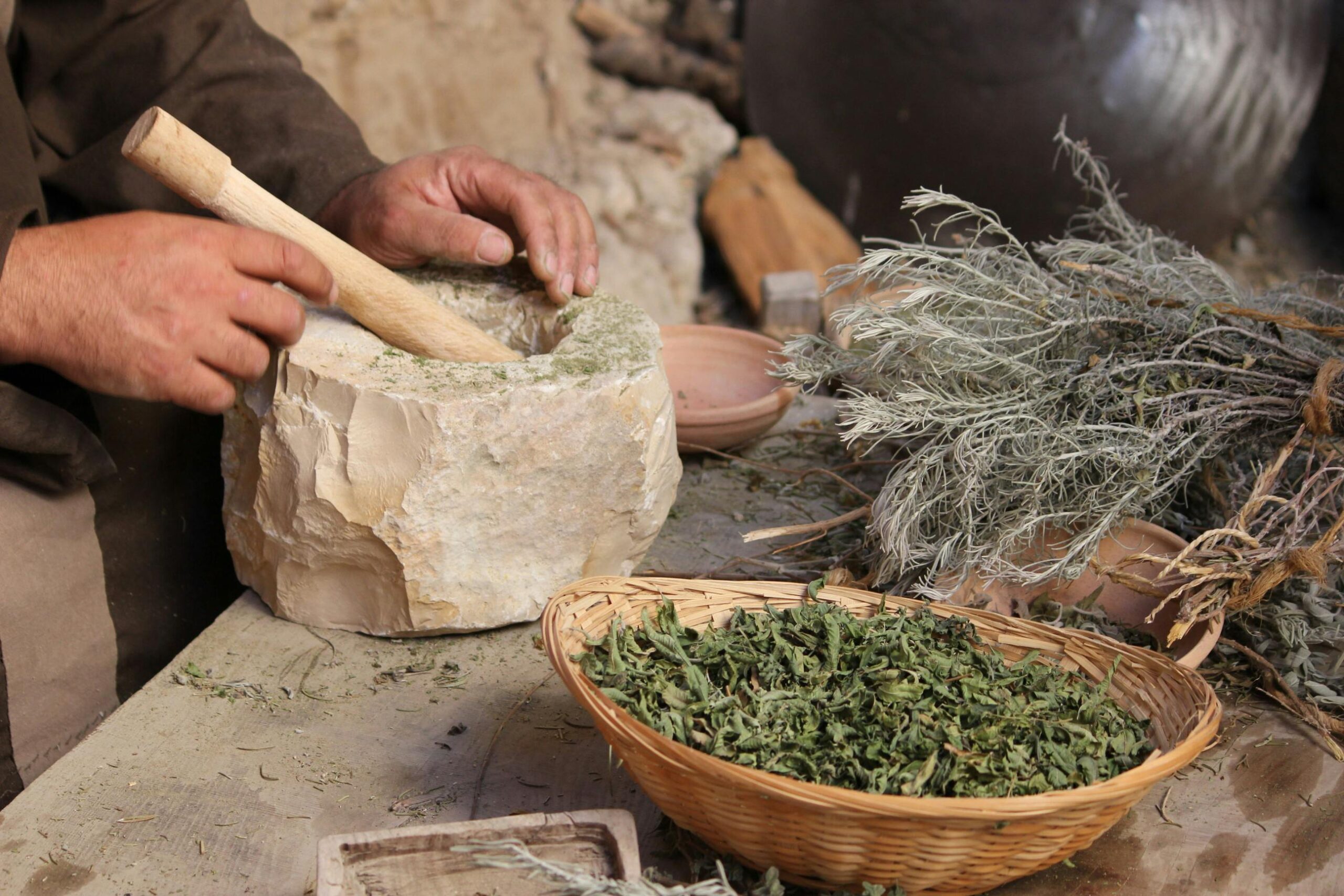
Ancient botanical therapies have guided humanity’s healing journey for millennia, offering wisdom that modern science continues to validate and rediscover today.

The resurgence of interest in plant-based medicine reflects a growing awareness that nature holds profound healing potential. From Ayurvedic traditions spanning 5,000 years to Traditional Chinese Medicine’s intricate herbal formulations, ancient cultures developed sophisticated systems for harnessing botanical power. Today’s practitioners stand at a fascinating crossroads where ancestral knowledge meets cutting-edge measurement tools, creating unprecedented opportunities for optimized healing outcomes.
Understanding how to effectively measure, track, and optimize botanical therapy results has become essential for anyone seeking to integrate these time-honored practices into contemporary wellness routines. The challenge lies not in accessing these remedies—many are readily available—but in knowing which tools and metrics truly indicate progress toward healing goals.
🌿 The Foundation: Understanding Ancient Botanical Wisdom
Ancient healing systems weren’t developed through random experimentation. They emerged from careful observation, documentation, and refinement across generations. Traditional practitioners understood that plants contain complex chemical compounds that interact with human physiology in specific ways, though they described these mechanisms through different frameworks than modern pharmacology.
Ayurveda categorizes herbs according to taste, energy, and post-digestive effect, creating a sophisticated classification system that predicts therapeutic actions. Traditional Chinese Medicine evaluates herbs based on temperature, flavor, and meridian tropism—the specific organ systems each plant influences. Indigenous healing traditions worldwide developed their own taxonomies, each reflecting deep ecological knowledge and human-plant relationships.
These systems share common principles: treating root causes rather than symptoms, recognizing individual constitutional differences, and understanding that timing, preparation, and combination dramatically affect therapeutic outcomes. Modern practitioners seeking to unlock botanical healing power must first appreciate this holistic context before applying reductionist measurement approaches.
Bridging Ancient Wisdom With Modern Metrics
The integration of traditional botanical knowledge with contemporary measurement tools creates a powerful synergy. While ancient practitioners relied on pulse diagnosis, tongue examination, and subjective symptom tracking, today’s practitioners can complement these methods with objective biomarkers, standardized assessments, and digital tracking technologies.
This integration doesn’t diminish traditional wisdom—it enhances our ability to validate, refine, and personalize botanical interventions. Blood work can confirm what pulse diagnosis suggests about liver function. Standardized mood scales can quantify the anxiolytic effects that traditional use patterns predicted. Sleep tracking devices can validate the sedative properties documented in ancient texts.
The key lies in selecting metrics that capture meaningful change without reducing complex healing processes to oversimplified numbers. Effective measurement strategies honor both the quantifiable and the qualitative dimensions of botanical healing.
Essential Tools for Tracking Botanical Therapy Outcomes
Implementing botanical therapies effectively requires a thoughtful selection of tracking tools matched to specific healing goals. The following categories represent the most valuable measurement approaches for diverse therapeutic objectives:
Physical Biomarker Monitoring Tools
Laboratory testing provides objective data about physiological changes resulting from botanical interventions. Basic metabolic panels, lipid profiles, inflammatory markers like C-reactive protein, and hormone levels offer quantifiable evidence of therapeutic effects. Home testing kits now make some biomarker tracking more accessible, though clinical-grade testing remains the gold standard for accuracy.
Wearable devices have revolutionized continuous physiological monitoring. Heart rate variability—a key indicator of nervous system balance—can be tracked throughout botanical therapy protocols. Sleep architecture analysis reveals how nervine herbs affect rest quality. Continuous glucose monitors demonstrate how adaptogenic herbs modulate blood sugar regulation.
These tools work best when measurements are taken at consistent intervals, creating baseline data before starting botanical protocols and tracking changes over weeks or months rather than days.
Symptom Severity Assessment Instruments
Validated symptom scales provide standardized ways to quantify subjective experiences. The Hamilton Anxiety Rating Scale, Beck Depression Inventory, Pittsburgh Sleep Quality Index, and Visual Analog Scales for pain offer reproducible measurements that track therapeutic progress over time.
These instruments transform vague impressions like “I feel better” into quantifiable data showing exactly how much improvement has occurred. For practitioners working with clients, standardized scales facilitate clearer communication and more precise protocol adjustments.
Digital health journals and symptom tracking apps allow real-time documentation of symptoms, creating detailed records that reveal patterns invisible to memory alone. Some platforms specifically designed for natural medicine practitioners include botanical remedy tracking integrated with symptom monitoring.
📊 Quality of Life Measurement Frameworks
Botanical therapies often improve overall wellbeing in ways that extend beyond symptom reduction. Quality of life assessments capture these broader impacts through domains including physical functioning, emotional wellbeing, social relationships, and environmental satisfaction.
The World Health Organization Quality of Life (WHOQOL) instruments and the Short Form Health Survey (SF-36) are widely validated tools that measure these multidimensional outcomes. For practitioners focused on holistic healing—the natural domain of botanical medicine—these comprehensive assessments align perfectly with therapeutic philosophies.
Regular quality of life assessments reveal whether botanical interventions are creating meaningful improvements in daily functioning, not just laboratory values or symptom scores.
Critical Metrics for Different Botanical Therapy Goals
Optimal measurement strategies depend entirely on therapeutic objectives. Different healing goals require different metrics, and attempting to track everything creates data overload without clarity. The following frameworks outline essential metrics for common botanical therapy applications:
Immune System Optimization Metrics
When using botanical immunomodulators like echinacea, astragalus, or medicinal mushrooms, relevant metrics include infection frequency and duration, recovery time from illness, complete blood count results showing white blood cell populations, and inflammatory markers including CRP and erythrocyte sedimentation rate.
Subjective measures matter too: energy levels throughout the day, seasonal illness patterns compared year-over-year, and overall vitality assessments provide important context for laboratory findings.
Stress Response and Adaptogen Effectiveness
Adaptogenic herbs like ashwagandha, rhodiola, and holy basil specifically modulate stress responses. Measuring their effectiveness requires tracking cortisol levels through saliva or serum testing, heart rate variability as an indicator of autonomic nervous system balance, and validated stress assessment scales like the Perceived Stress Scale.
Sleep quality metrics—including sleep latency, night wakings, and subjective rest quality—often improve with adaptogen use. Energy and focus levels throughout the day, particularly during typically stressful periods, provide practical outcome measures that reflect real-world functionality improvements.
Digestive Health Restoration Indicators
Botanical therapies for digestive wellness target diverse conditions from inflammation to dysbiosis. Relevant metrics include bowel movement frequency and consistency using the Bristol Stool Scale, symptom severity scores for conditions like IBS or reflux, and food tolerance diaries tracking reactions to previously problematic foods.
Advanced testing including comprehensive stool analysis can reveal microbiome changes, inflammatory markers, and digestive function improvements resulting from botanical interventions like slippery elm, marshmallow root, or antimicrobial herbs.
🔬 Establishing Meaningful Baselines Before Beginning Protocols
The most common measurement mistake involves starting botanical therapies without establishing baseline data. Without knowing starting points, determining whether interventions are working becomes guesswork rather than informed assessment.
Comprehensive baseline establishment involves three categories of data: objective biomarkers through appropriate laboratory testing, standardized symptom or condition severity scores, and detailed symptom diaries covering at least one week before starting protocols.
This baseline period also serves another crucial function: identifying symptom patterns and triggers that botanical therapies should address. Daily journaling often reveals that symptoms vary more than initially recognized, influenced by diet, stress, sleep, and other factors that protocols should consider.
Baseline measurements should include the same assessments planned for outcome tracking, using identical tools and timing to ensure comparability. If planning to use a particular symptom scale or biomarker for tracking progress, that same measure must be taken before starting interventions.
Optimal Timing and Frequency for Reassessment
Botanical therapies work according to different timelines than pharmaceutical interventions. Understanding appropriate reassessment intervals prevents premature conclusions about effectiveness while avoiding unnecessarily prolonged ineffective protocols.
Most botanical interventions require minimum trial periods of 4-6 weeks before meaningful assessment, with some requiring 8-12 weeks for full effects. Adaptogenic herbs typically show initial effects within 2-3 weeks but reach peak effectiveness around 6-8 weeks. Anti-inflammatory botanical protocols may require 4-6 weeks before significant symptom reduction appears.
Assessment frequency should match these timelines: weekly symptom tracking provides useful trend data, monthly comprehensive assessments capture meaningful changes, and quarterly biomarker testing for chronic conditions aligns with physiological change timelines.
Too-frequent assessment creates noise rather than signal, as day-to-day fluctuations obscure underlying trends. Too-infrequent assessment risks continuing ineffective protocols unnecessarily or missing adverse reactions requiring protocol adjustment.
Interpreting Results: Signal Versus Noise in Botanical Healing
Data interpretation requires distinguishing meaningful therapeutic changes from random variation, placebo effects, and natural symptom fluctuations. Several principles guide accurate interpretation of botanical therapy outcomes.
First, multiple data points across time reveal trends more reliably than isolated measurements. A single improved biomarker reading might reflect daily variation; consistently improving values across multiple assessments indicate genuine therapeutic effects.
Second, convergent evidence from multiple measurement types strengthens conclusions. When subjective symptom improvements align with objective biomarker changes and quality of life enhancements, confidence in therapeutic effectiveness increases substantially.
Third, clinical significance matters more than statistical significance. A laboratory value moving slightly within normal range may be statistically measurable but clinically irrelevant, while substantial symptom reduction without biomarker changes still represents meaningful therapeutic success.
Personalizing Protocols Based on Measurement Feedback
The ultimate purpose of tracking botanical therapy outcomes is enabling informed protocol adjustments that optimize individual results. Measurement data should guide practical decisions about continuing, modifying, or discontinuing specific interventions.
When measurements show clear improvement, protocols can continue with potential gradual dose reductions to identify minimum effective amounts. Partial response suggests protocol modification—adjusting doses, changing preparations, adding complementary herbs, or addressing lifestyle factors that may limit botanical effectiveness.
Lack of response after appropriate trial periods indicates the need for different botanical approaches or investigating whether other factors—poor quality herbs, inadequate dosing, interfering medications, or unaddressed root causes—are limiting effectiveness.
Adverse changes require immediate protocol reassessment. While botanical medicines generally offer favorable safety profiles, individual reactions vary, and some herbs interact with medications or may be contraindicated for specific conditions.
💡 Integrating Traditional Assessment Methods With Modern Metrics
The most sophisticated approach to measuring botanical therapy outcomes integrates traditional assessment methods that guided ancient practitioners with contemporary measurement tools. This integration creates comprehensive understanding that purely modern or purely traditional approaches cannot achieve alone.
Pulse diagnosis, tongue examination, and constitutional assessment provide qualitative information about energetic patterns and subtle changes that laboratory tests may miss. These traditional methods often detect imbalances before they manifest as measurable disease, enabling earlier intervention.
Modern objective measurements validate and complement these traditional observations. When pulse quality improvements align with heart rate variability increases, or when tongue coating changes correspond with digestive function biomarker improvements, the convergence strengthens therapeutic confidence.
Practitioners trained in both traditional and modern assessment methods develop the most nuanced understanding of botanical therapy effects, capable of recognizing subtle healing progress that single-modality assessment would overlook.
Common Measurement Pitfalls and How to Avoid Them
Several common mistakes undermine effective botanical therapy outcome tracking. Awareness of these pitfalls enables more accurate assessment and better therapeutic decisions.
Over-reliance on single metrics creates tunnel vision that misses broader therapeutic effects. Focusing exclusively on one biomarker while ignoring overall wellbeing, functionality, and quality of life produces incomplete pictures of therapeutic value.
Insufficient trial periods before assessment leads to premature abandonment of potentially effective protocols. Botanical therapies generally require patience, and evaluating effectiveness after only one or two weeks misses the gradual accumulation of therapeutic benefits.
Inconsistent measurement timing introduces confounding variables that obscure true therapeutic effects. Taking measurements at different times of day, different points in menstrual cycles, or under different conditions (fasting versus fed, rested versus stressed) creates artificial variation.
Changing multiple variables simultaneously makes it impossible to attribute changes to specific interventions. When starting several new herbs, supplements, medications, or lifestyle changes at once, determining which factors are responsible for improvements or problems becomes speculation.
🌱 Building Sustainable Tracking Systems for Long-Term Success
Effective outcome measurement requires sustainable systems that individuals can maintain over weeks and months. Overly complex tracking schemes inevitably fail as initial enthusiasm wanes and life demands compete for attention.
Successful long-term tracking balances comprehensiveness with practicality. Simple daily symptom logs using 1-10 scales for key symptoms take minimal time while providing valuable trend data. Weekly review sessions analyzing patterns and progress maintain awareness without overwhelming daily routines.
Digital tools can streamline tracking when designed thoughtfully. Health tracking apps with customizable parameters, reminder functions, and visualization features reduce tracking burden while maintaining data quality. However, technology should serve the tracking process, not complicate it—simple paper journals often prove more sustainable than complex apps that require excessive data entry.
Establishing tracking routines tied to existing habits increases adherence. Recording symptoms immediately upon waking, during morning coffee, or before bed creates automatic triggers that maintain consistency over time.
The Future of Botanical Therapy Measurement: Emerging Technologies
Advancing technologies promise to revolutionize botanical therapy outcome measurement, making sophisticated tracking more accessible while improving accuracy and comprehensiveness. These emerging tools will further bridge ancient wisdom with modern precision.
Artificial intelligence applications are beginning to identify patterns in complex health data that humans might overlook, potentially revealing subtle therapeutic effects or predicting which botanical protocols will work best for individual constitutional types. Machine learning algorithms analyzing symptom patterns, biomarkers, and genomic data may eventually provide personalized botanical therapy recommendations based on thousands of previous cases.
Wearable biosensor technology continues advancing, with devices measuring an expanding array of biomarkers non-invasively. Future wearables may track inflammatory markers, cortisol levels, or nutrient status continuously, providing real-time feedback on how botanical interventions affect physiological processes.
At-home testing technologies are making sophisticated biomarker analysis increasingly accessible, democratizing measurement capabilities previously available only through clinical settings. This accessibility enables more people to track therapeutic outcomes with precision, optimizing botanical protocols without requiring frequent clinical visits.
Creating Your Personal Botanical Therapy Measurement Strategy
Developing an effective personalized measurement approach begins with clarity about specific healing goals. Different objectives require different metrics, and attempting to measure everything creates overwhelming complexity without proportional insight.
Start by identifying 2-3 primary outcomes most important for your specific healing journey. Select one objective measure (biomarker or validated scale), one subjective symptom tracking method, and one quality of life or functionality indicator for each primary outcome. This focused approach maintains manageability while capturing meaningful therapeutic changes.
Establish measurement schedules that match botanical therapy timelines: baseline measurements before starting protocols, weekly brief symptom tracking, monthly comprehensive assessments, and quarterly biomarker testing for chronic conditions requiring long-term management.
Document not just measurements but also contextual factors that might influence results—stress levels, sleep quality, diet changes, illness, or other variables that could explain measurement fluctuations independent of botanical therapies.
Review accumulated data regularly, looking for patterns and trends rather than reacting to individual data points. Monthly review sessions examining overall trajectories guide informed decisions about protocol continuation, modification, or transition to different approaches.
🎯 Transforming Data Into Healing Wisdom
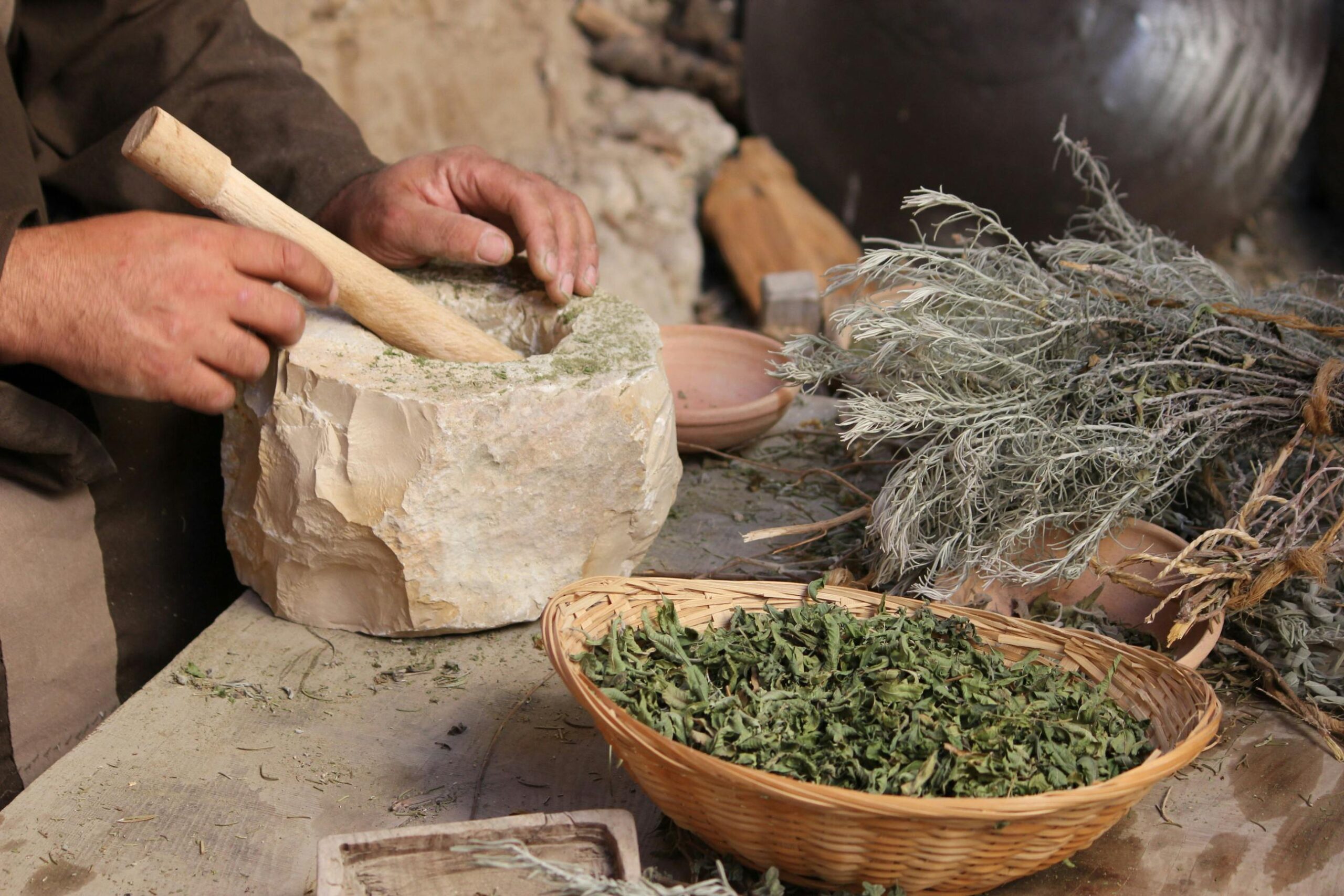
The ultimate value of measuring botanical therapy outcomes lies not in data collection itself but in transforming information into wisdom that guides increasingly effective healing journeys. Numbers and charts serve healing only when they inform better decisions, deepen self-understanding, and empower more intentional wellness practices.
This transformation requires reflection on what measurements reveal about individual responses to specific botanicals, personal healing timelines, and the unique constellation of factors that support or hinder therapeutic progress. Over time, this accumulated insight becomes personal healing wisdom—intimate knowledge of what works for your specific body, constitution, and life circumstances.
Ancient healing traditions understood that genuine mastery emerges from deep observation and reflection, not merely applying standardized protocols. Modern measurement tools amplify this observational capacity, enabling faster learning and more precise refinement than was possible for our ancestors. By combining traditional wisdom with contemporary measurement capabilities, today’s botanical therapy practitioners—whether professionals or informed self-care practitioners—can unlock healing potential that honors the past while embracing the future.
The journey of botanical healing is deeply personal, unfolding according to individual timelines and expressing through unique patterns. Thoughtful measurement honors this individuality, providing guideposts along the path without reducing the rich complexity of healing to mere numbers. When approached with this balanced perspective, tracking botanical therapy outcomes becomes not a burden but an enriching practice that deepens connection with both the healing plants and the body they support.