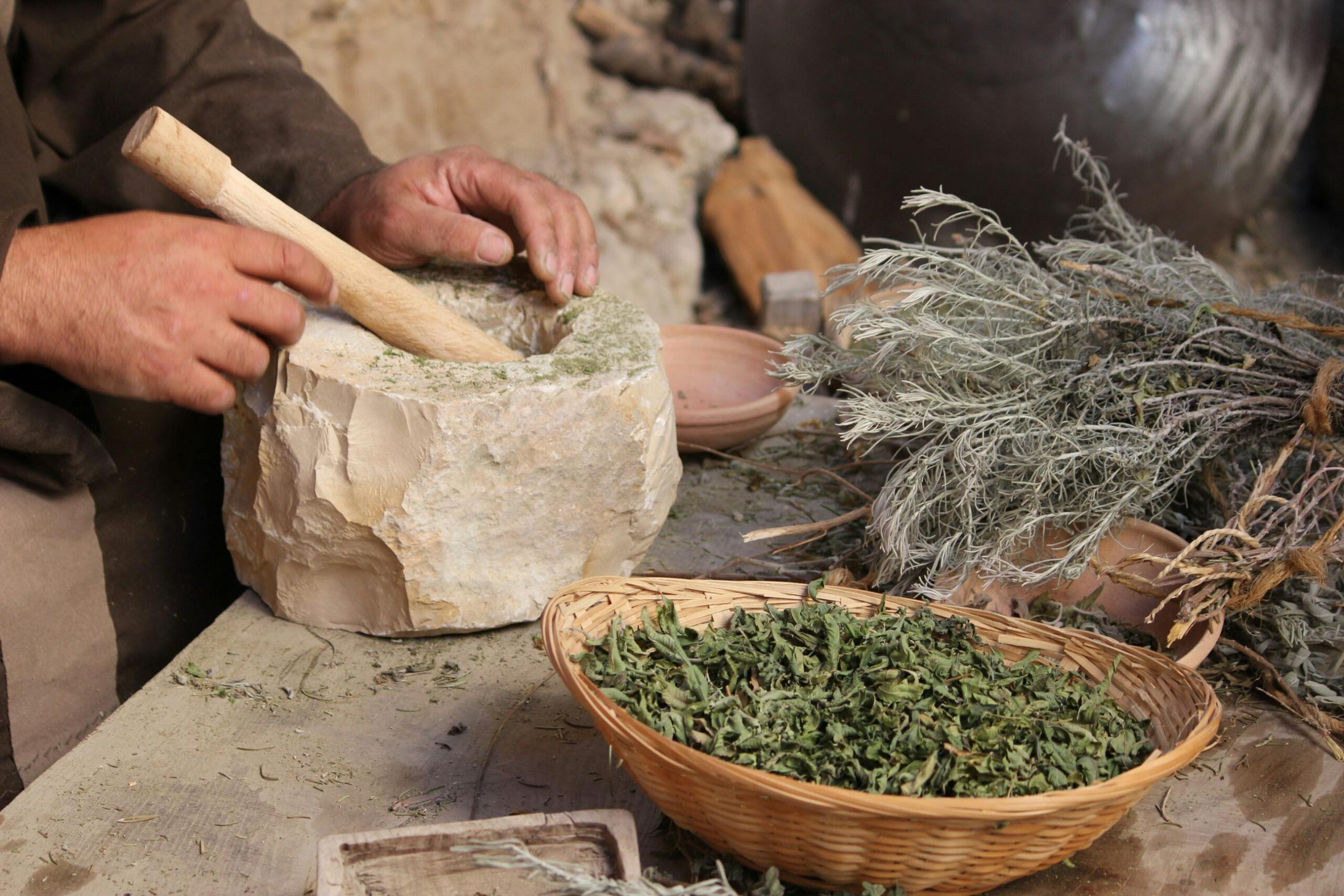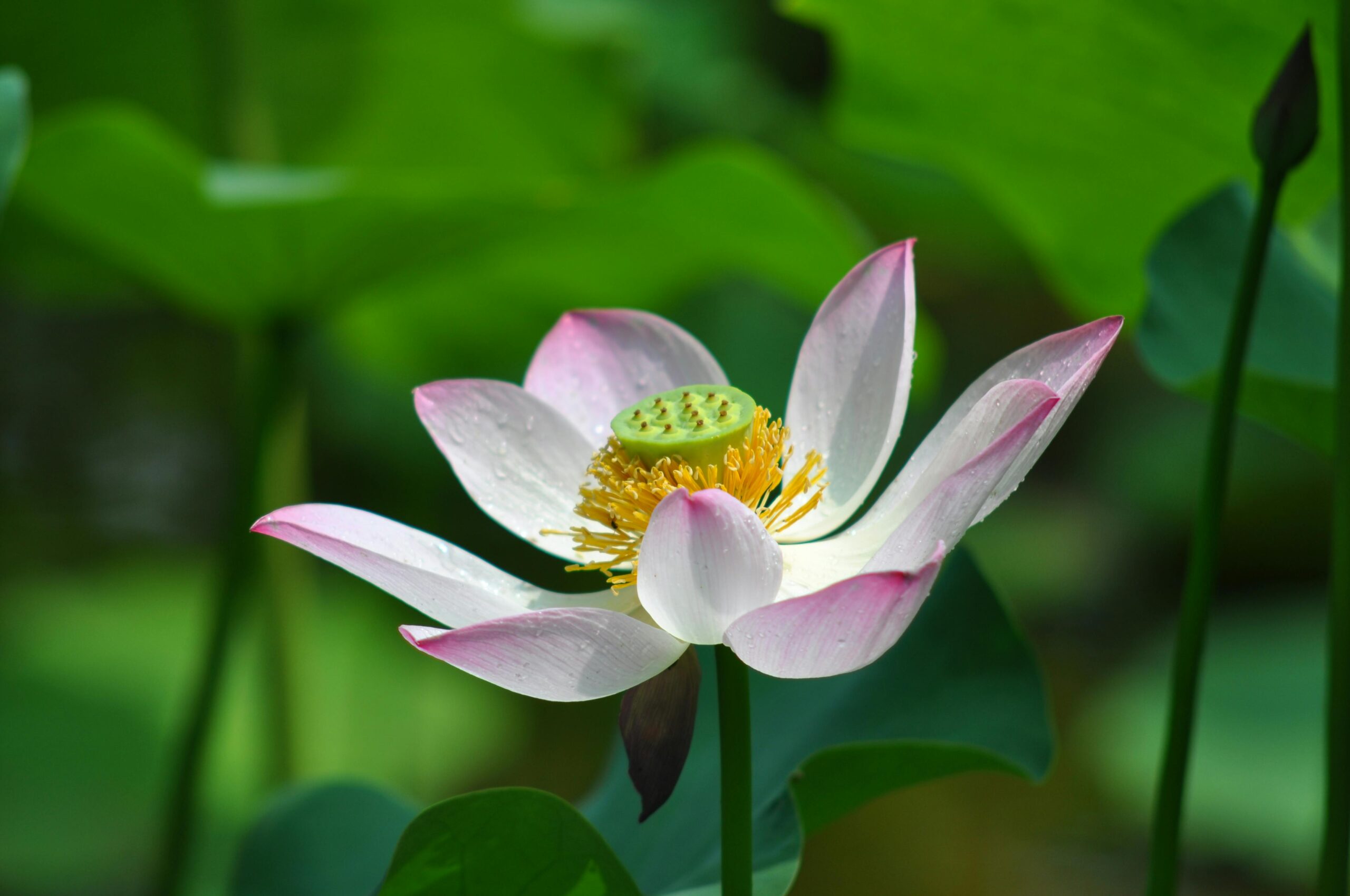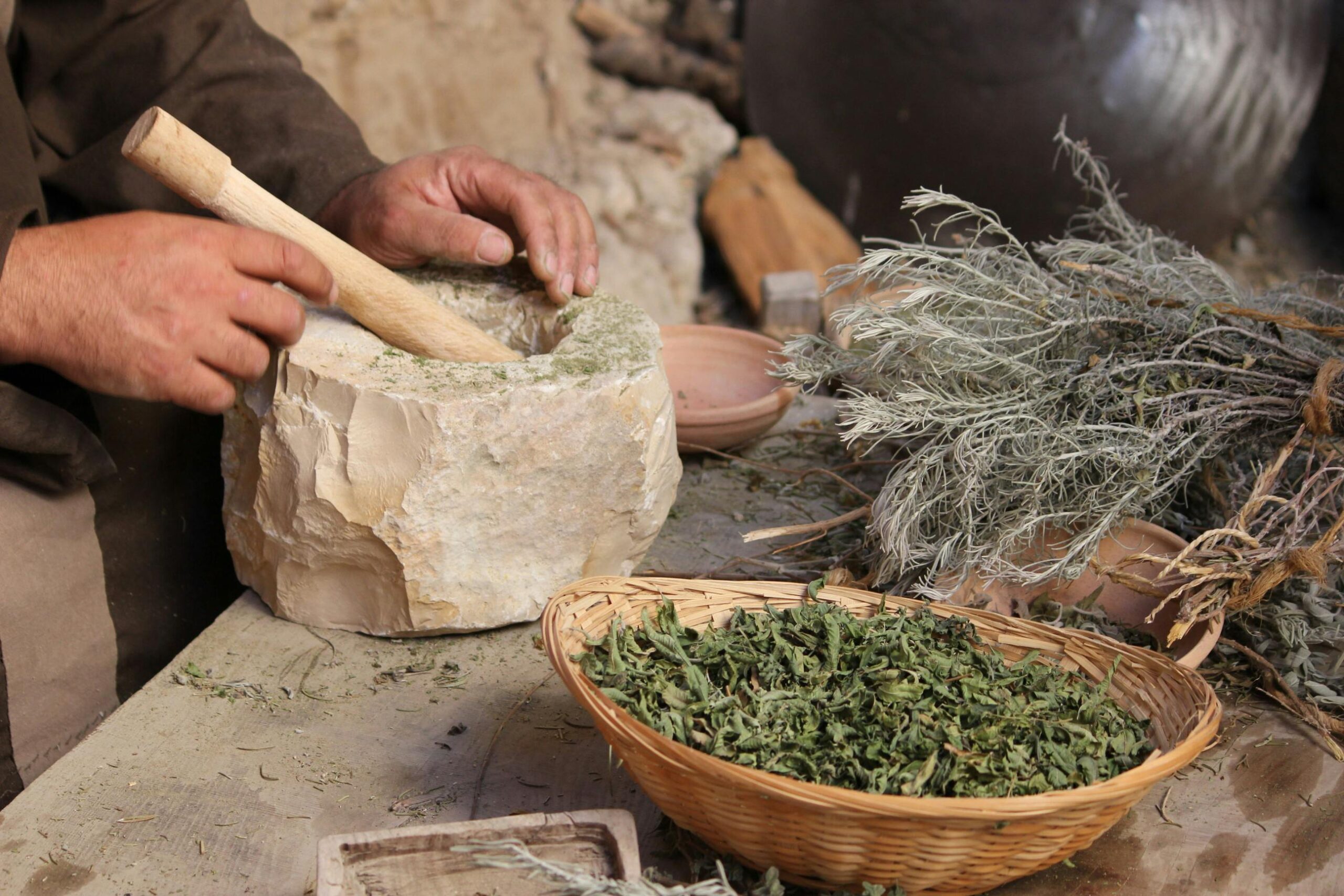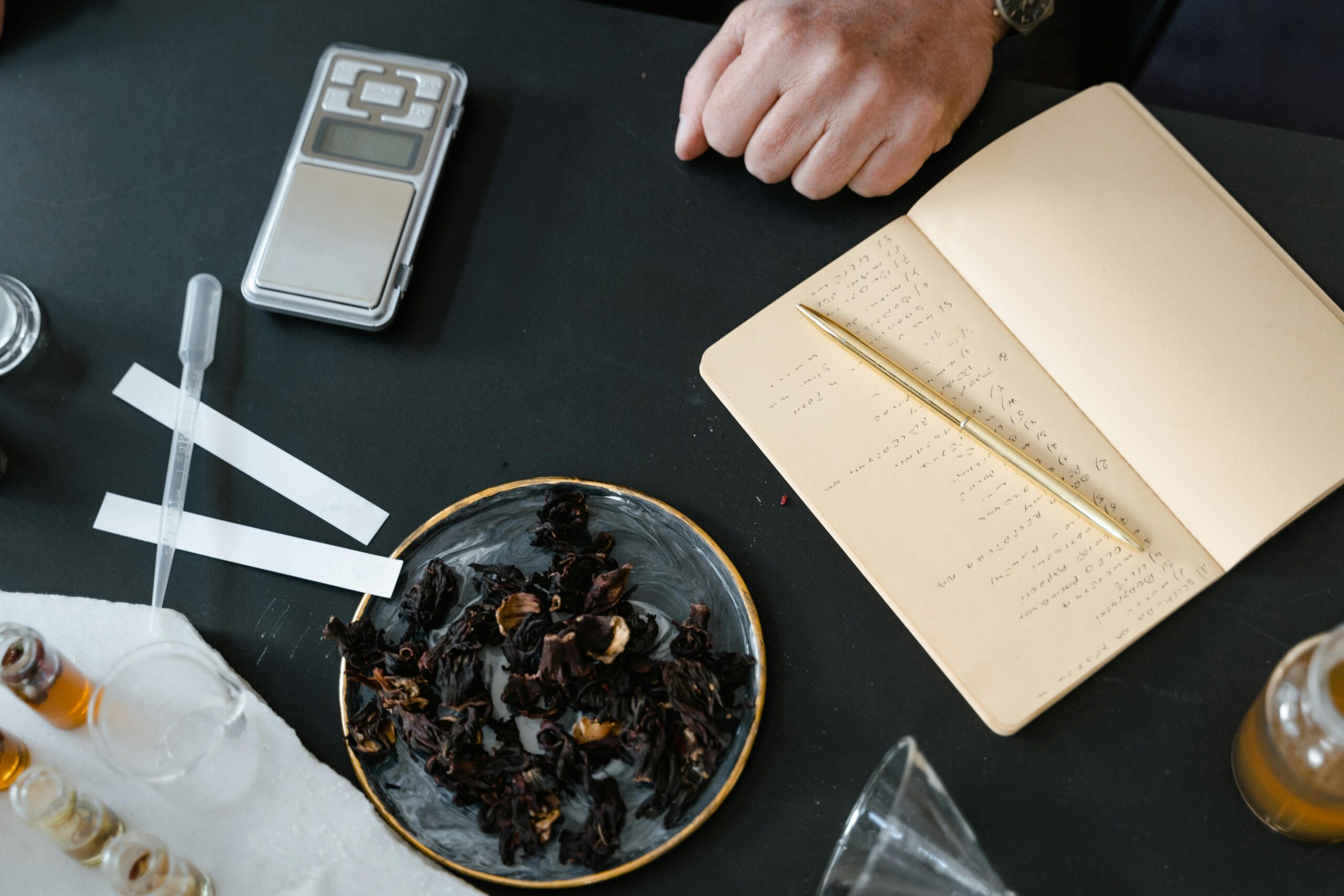
Ancient botanical therapies have guided humanity through millennia of healing, offering profound wisdom that modern science continues to validate and embrace today.

🌿 Rediscovering Nature’s Original Medicine Cabinet
Long before pharmaceutical laboratories existed, our ancestors turned to the natural world for remedies that addressed every conceivable ailment. These time-tested botanical therapies weren’t simply folk remedies passed down through generations—they represented sophisticated systems of healing developed through careful observation, experimentation, and deep understanding of the plant kingdom’s therapeutic properties.
Today’s renaissance in natural healing reflects a growing recognition that these ancient practices offer more than nostalgia. They provide evidence-based, holistic approaches to wellness that complement modern medicine while honoring the interconnectedness of body, mind, and spirit. Understanding the language of botanical healing empowers you to make informed decisions about your health journey.
Essential Terms Every Natural Healing Enthusiast Should Know
Adaptogen: Your Body’s Stress Manager
Adaptogens represent a unique class of herbs that help your body adapt to physical, chemical, and biological stress. Think of them as intelligent plant allies that restore balance to your system. Ashwagandha, rhodiola, and holy basil are prime examples, each working to normalize bodily functions regardless of whether you’re overstimulated or depleted.
These remarkable botanicals don’t force specific reactions but rather support your body’s innate wisdom to find equilibrium. Research spanning decades has demonstrated their ability to modulate cortisol levels, enhance mental performance, and improve physical endurance without causing harmful side effects.
Alkaloid: Nature’s Potent Chemical Messengers
Alkaloids are nitrogen-containing compounds that plants produce as part of their defense mechanisms. Many of medicine’s most powerful substances—both beneficial and toxic—fall into this category. Caffeine, morphine, and quinine all qualify as alkaloids, demonstrating this group’s remarkable range of therapeutic applications.
Understanding alkaloids helps explain why certain herbs produce profound physiological effects at relatively small doses. These compounds interact directly with human cellular receptors, making them particularly effective but also requiring careful attention to dosage and potential interactions.
🍃 Preparation Methods That Unlock Botanical Power
Decoction: Extracting Deep Medicine
Decoctions involve simmering tougher plant materials—roots, bark, and berries—in water for extended periods, typically fifteen to thirty minutes. This method breaks down fibrous structures and releases constituents that wouldn’t readily dissolve in simple steeping. Traditional Chinese medicine relies heavily on decoctions for its herbal formulations.
The sustained heat application makes decoctions ideal for extracting minerals, certain alkaloids, and other heat-stable compounds. Ginger root, burdock, and licorice respond beautifully to this preparation method, yielding rich, concentrated medicinal teas.
Infusion: The Gentle Extraction
Infusions are what most people recognize as herbal tea—delicate plant parts like leaves, flowers, and aromatic seeds steeped in hot water. This gentler method preserves volatile oils and heat-sensitive compounds that would degrade under prolonged boiling. Chamomile, peppermint, and lemon balm shine when prepared as infusions.
The key distinction between infusions and decoctions lies in recognizing which plant parts you’re working with and matching the preparation method accordingly. Delicate aerial parts require gentle infusion, while dense roots demand robust decoction.
Tincture: Concentrated Liquid Extracts
Tinctures use alcohol, glycerin, or vinegar to extract and preserve plant constituents, creating shelf-stable medicines that pack considerable therapeutic punch in small doses. The alcohol solvent extracts both water-soluble and fat-soluble compounds, making tinctures remarkably comprehensive preparations.
Traditional herbalists prize tinctures for their convenience, long shelf life, and rapid absorption into the bloodstream. A few drops under the tongue can deliver therapeutic benefits within minutes, making tinctures invaluable for acute situations.
Active Constituents: Understanding What Makes Plants Heal
Essential Oils: Aromatic Therapeutics
Essential oils are volatile aromatic compounds that plants produce for various purposes—attracting pollinators, deterring predators, or protecting against pathogens. When properly extracted and used, these concentrated essences offer powerful therapeutic benefits through topical application, inhalation, and occasionally internal use under professional guidance.
The complexity of essential oils fascinates researchers. A single oil may contain hundreds of distinct chemical compounds working synergistically to produce effects that isolated constituents cannot replicate. Lavender’s calming properties, tea tree’s antimicrobial action, and eucalyptus’s respiratory benefits all stem from their complex essential oil profiles.
Flavonoids: Colorful Protectors
These pigmented plant compounds give many fruits, vegetables, and herbs their vibrant colors while providing exceptional antioxidant and anti-inflammatory benefits. Quercetin in onions, anthocyanins in berries, and catechins in green tea all belong to the flavonoid family.
Modern research has revealed flavonoids’ remarkable ability to support cardiovascular health, modulate immune function, and potentially reduce cancer risk. Their antioxidant properties help neutralize free radicals, protecting cellular structures from oxidative damage that contributes to aging and disease.
Mucilage: Soothing Demulcents
Mucilage describes the slippery, gel-like substance found in plants like marshmallow root, slippery elm, and chia seeds. These compounds coat and soothe irritated mucous membranes throughout the digestive and respiratory systems, providing gentle relief for conditions ranging from sore throats to inflammatory bowel concerns.
The mechanical protection mucilage offers complements its chemical properties, creating a healing environment where damaged tissues can repair themselves. This dual action explains why mucilaginous herbs have maintained their reputation as go-to remedies for inflammatory conditions across diverse healing traditions.
🌸 Traditional Systems: Global Perspectives on Plant Medicine
Ayurveda: India’s Ancient Wisdom
This 5,000-year-old system from India views health through the lens of three fundamental energies or doshas—vata, pitta, and kapha. Ayurvedic practitioners select herbs based on their specific effects on these constitutional types, creating personalized treatment protocols that address root imbalances rather than merely suppressing symptoms.
Ayurvedic materia medica encompasses thousands of botanical medicines, each characterized by its taste, energy, post-digestive effect, and specific therapeutic actions. This sophisticated framework allows practitioners to predict how herbs will interact with individual constitutions and existing imbalances.
Traditional Chinese Medicine: Harmonizing Qi
Chinese herbal medicine emphasizes restoring balance to the body’s vital energy or qi, which flows through meridian pathways connecting all organ systems. Rather than using single herbs, TCM typically employs complex formulas containing multiple ingredients that work synergistically—some addressing the primary complaint, others supporting overall constitutional balance.
This tradition categorizes herbs according to their energetic properties—warming or cooling, ascending or descending, and their affinity for specific organ systems. Understanding these classifications helps practitioners craft precise formulations tailored to each patient’s unique presentation.
Western Herbalism: European Plant Traditions
European and North American herbal traditions blend folk wisdom with modern phytochemical understanding, creating an approach that honors empirical experience while embracing scientific validation. Western herbalists often focus on specific physiological systems and use herbs based on their demonstrated actions on particular tissues or organs.
This pragmatic tradition has given us valuable herbal categories like hepatics for liver support, nervines for the nervous system, and cardiotonics for cardiovascular health. The Western approach tends to be more accessible to those raised in these cultures, as it aligns with familiar anatomical and physiological frameworks.
Therapeutic Actions: How Botanicals Work Their Magic
Antimicrobial: Nature’s Infection Fighters
Antimicrobial herbs combat bacteria, viruses, and fungi through various mechanisms—disrupting microbial cell membranes, interfering with replication, or enhancing immune surveillance. Garlic, oregano, and goldenseal demonstrate potent antimicrobial properties that have been validated through both traditional use and modern research.
What distinguishes botanical antimicrobials from pharmaceutical antibiotics is their complexity. Rather than targeting a single mechanism, these plants employ multiple compounds that work through complementary pathways, making it difficult for pathogens to develop resistance.
Carminative: Digestive Comfort Agents
Carminatives are aromatic herbs that relieve gas, bloating, and digestive discomfort by relaxing intestinal muscles and promoting the expulsion of gas. Fennel, ginger, and peppermint exemplify this category, offering quick relief for various digestive complaints.
These herbs typically contain volatile oils that directly affect smooth muscle tissue in the digestive tract. Their pleasant flavors and rapid action make carminatives popular remedies that even children accept readily, contributing to their enduring place in home medicine cabinets worldwide.
Hepatic: Liver Support and Detoxification
Hepatic herbs specifically support liver function, enhancing this vital organ’s ability to filter blood, metabolize nutrients, and eliminate toxins. Milk thistle, dandelion root, and turmeric all demonstrate hepatoprotective properties that help maintain optimal liver health.
Given the liver’s central role in maintaining overall health—processing everything we consume and producing essential compounds for digestion and metabolism—supporting this organ through botanical medicine represents a cornerstone of preventive healthcare.
💚 Safety Considerations in Botanical Therapy
Contraindication: When to Avoid Certain Herbs
Contraindications represent situations where specific herbs should be avoided due to potential harm. Pregnancy, nursing, particular medical conditions, or concurrent medications all create scenarios where certain botanicals become inappropriate choices despite their general safety profile.
Understanding contraindications protects both practitioners and patients from adverse outcomes. For example, blood-thinning herbs like ginkgo may contraindicate for people taking anticoagulant medications, while stimulating herbs might prove inappropriate for individuals with hypertension or anxiety disorders.
Synergy and Interactions: The Plant Symphony
Synergy occurs when combining herbs produces effects greater than the sum of individual parts—a principle fundamental to many traditional healing systems. However, this same principle means botanicals can interact with pharmaceutical medications, potentially enhancing or diminishing their effects.
Responsible use of botanical medicine requires awareness of potential interactions, particularly when dealing with medications that have narrow therapeutic windows. St. John’s wort’s interaction with numerous medications exemplifies why professional guidance becomes essential when combining conventional and botanical therapies.
Cultivating Your Botanical Knowledge Garden
Starting Your Personal Apothecary
Building a home herbal medicine collection begins with selecting versatile, safe, and effective botanicals that address common health concerns. A well-rounded starter kit might include chamomile for relaxation, ginger for digestion, echinacea for immune support, and lavender for topical applications.
Quality matters tremendously in botanical medicine. Seek organic herbs from reputable suppliers who test for contaminants and can verify botanical identity. Proper storage in cool, dark, dry conditions preserves potency, extending your herbs’ therapeutic lifespan.
Deepening Your Understanding Through Practice
Knowledge transforms into wisdom through direct experience. Start simply—perhaps brewing a daily cup of herbal tea and noting its effects on your body and mind. Gradually expand your repertoire, keeping a journal documenting your observations and responses to different botanicals.
Consider connecting with experienced herbalists through workshops, apprenticeships, or online courses. Many organizations offer certification programs that provide structured learning while honoring both traditional wisdom and contemporary research. This investment in education pays dividends throughout your lifetime, empowering you to care for yourself and your loved ones with greater confidence and competence.
🌺 Honoring the Source: Sustainable Wildcrafting and Cultivation
As interest in botanical medicine grows, so does our responsibility to harvest plants sustainably. Wildcrafting—gathering plants from their natural habitats—requires knowledge, respect, and ethical guidelines that ensure plant populations remain healthy for future generations.
The cardinal rule involves taking only what you need and leaving enough for regeneration. Never harvest more than one-third of any plant population, avoid rare or endangered species, and learn proper identification to prevent harvesting look-alike species that might be toxic or threatened.
Growing your own medicinal herbs offers an alternative that reduces pressure on wild populations while deepening your connection to plant allies. Even small spaces can accommodate container gardens featuring essential medicinal plants. The act of cultivating, tending, and harvesting your own botanicals creates relationship and understanding that enriches the entire healing process.
Bridging Ancient Wisdom and Modern Science
Contemporary research increasingly validates what traditional healers have known for millennia—plants contain sophisticated chemical compounds that interact beneficially with human physiology. Sophisticated analytical techniques now allow scientists to isolate and study individual constituents, revealing mechanisms of action that explain traditional uses.
However, this reductionist approach sometimes misses the forest for the trees. Whole plant medicines contain hundreds of compounds that work synergistically, creating effects that isolated constituents cannot replicate. The most promising path forward honors both perspectives—embracing scientific rigor while respecting the holistic wisdom embedded in traditional practices.
Integrative medicine models increasingly incorporate botanical therapies alongside conventional treatments, recognizing that different approaches serve different needs. Acute conditions and emergencies demand modern medicine’s rapid interventions, while chronic conditions often respond beautifully to the gentle, sustained support that botanical therapies provide.
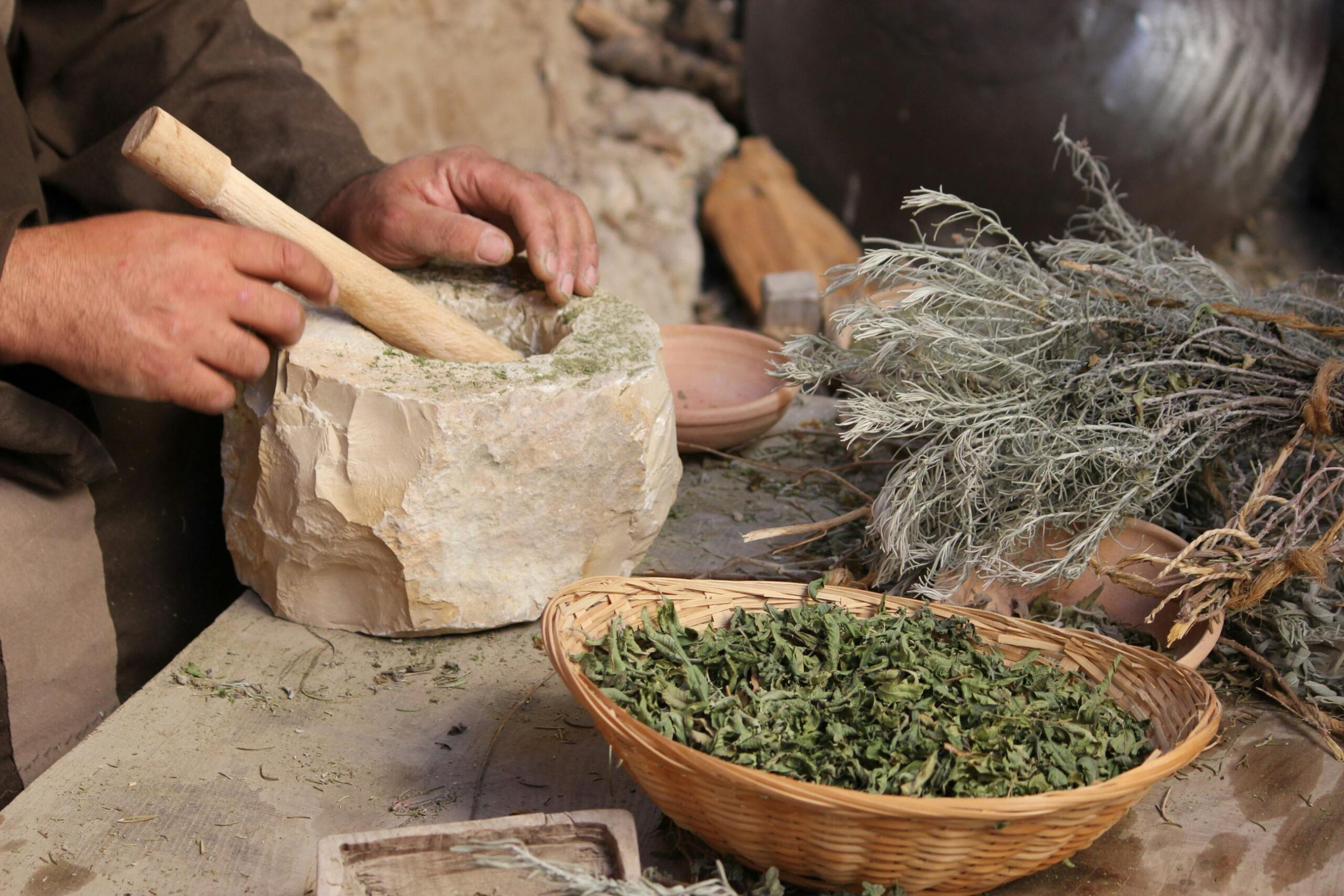
Your Journey Into Plant-Based Healing Begins Now
Armed with this essential glossary, you possess the foundational language needed to navigate the rich world of botanical medicine with confidence and discernment. Each term represents not merely a definition but a doorway into deeper understanding—an invitation to explore the remarkable therapeutic potential that plants offer.
Remember that becoming skilled in botanical medicine requires patience, study, and respect for both the plants themselves and the healing traditions that have preserved this knowledge. Start slowly, learn thoroughly, and always prioritize safety by consulting qualified practitioners when addressing serious health concerns or combining herbs with medications.
The power of ancient botanical therapies awaits your discovery, offering natural pathways to enhanced wellbeing that honor the wisdom of our ancestors while meeting the health challenges of modern life. This journey transforms more than your medicine cabinet—it reshapes your relationship with the natural world, reminding you that healing grows all around us, waiting to be recognized and gratefully received. 🌿