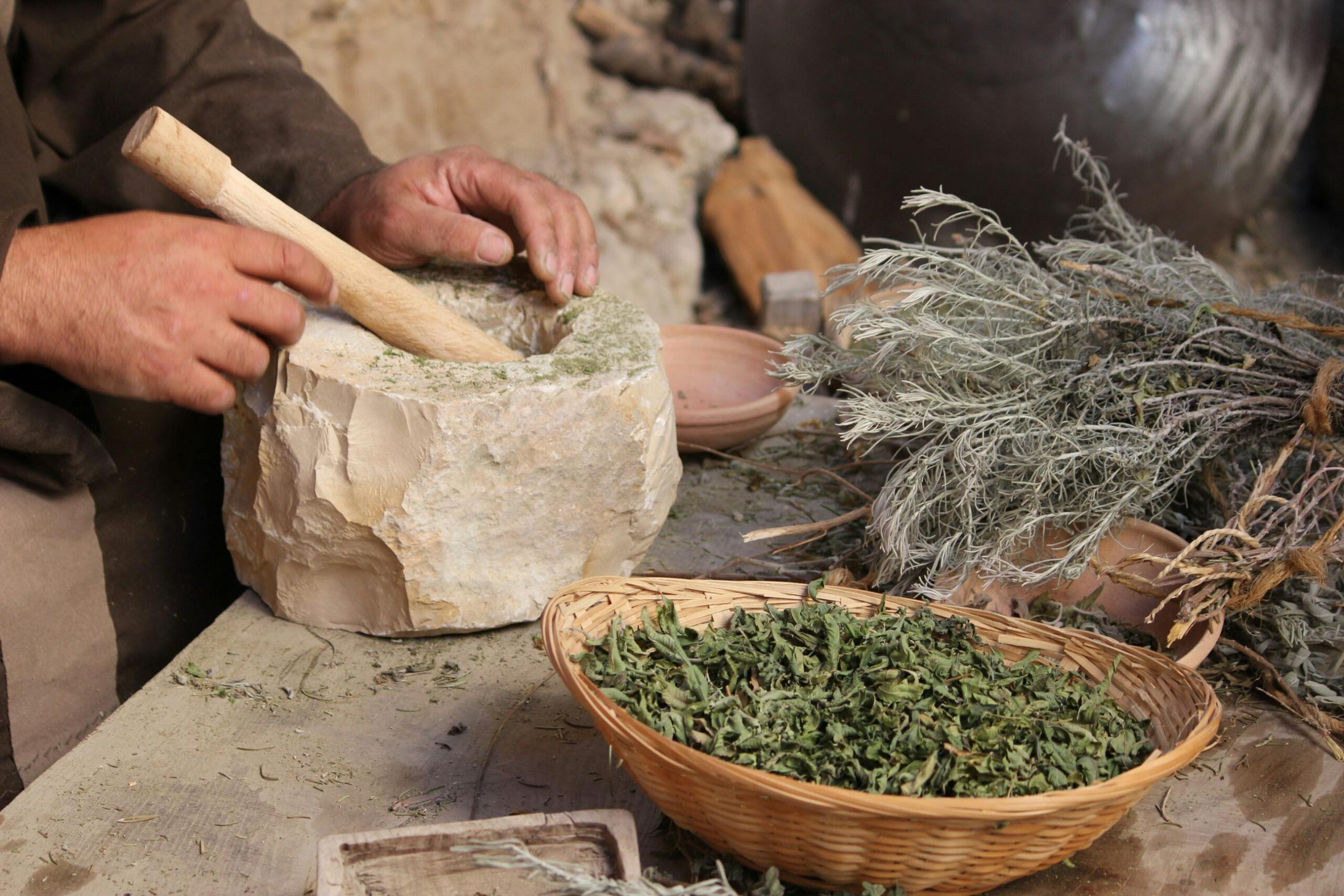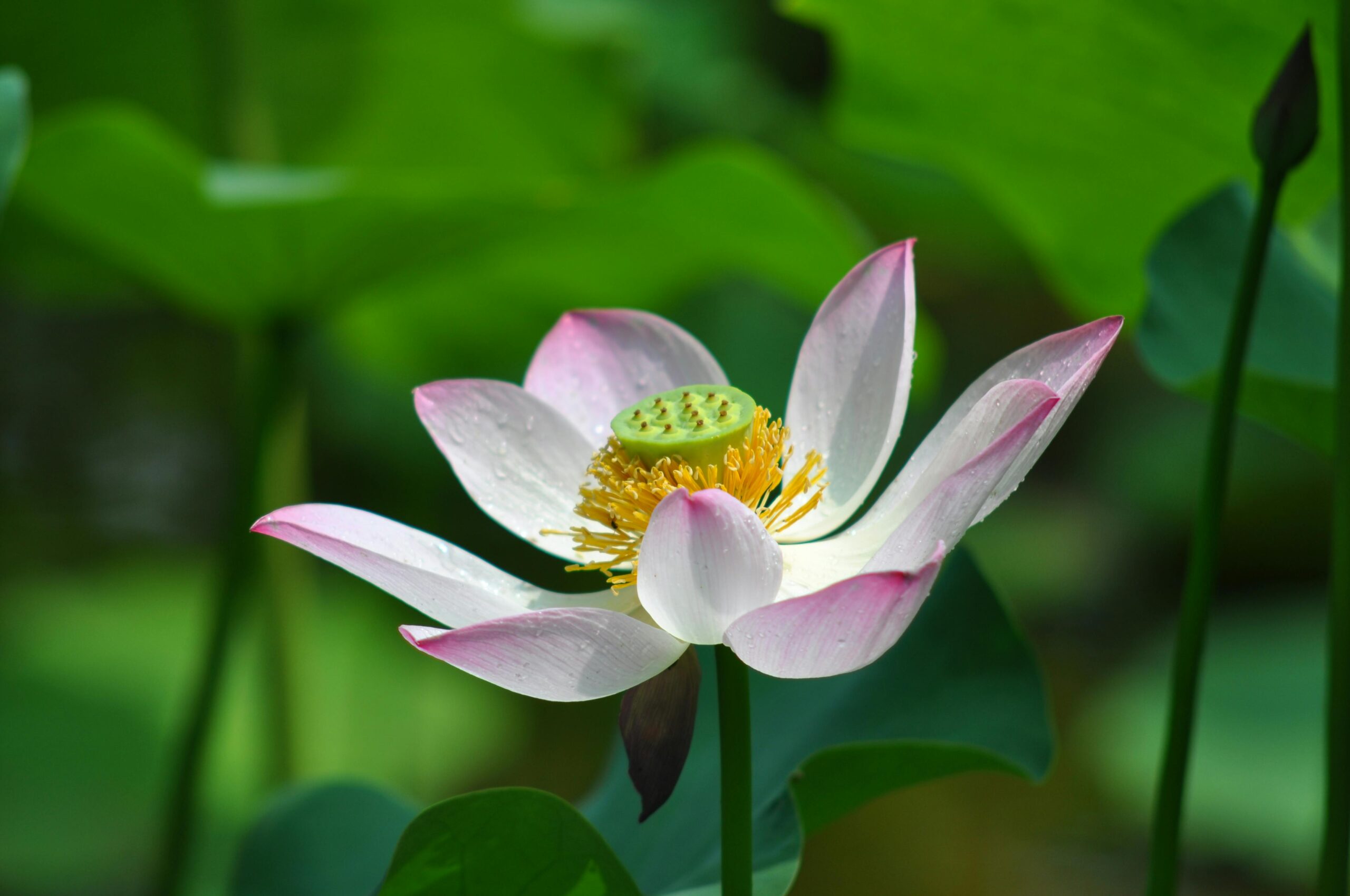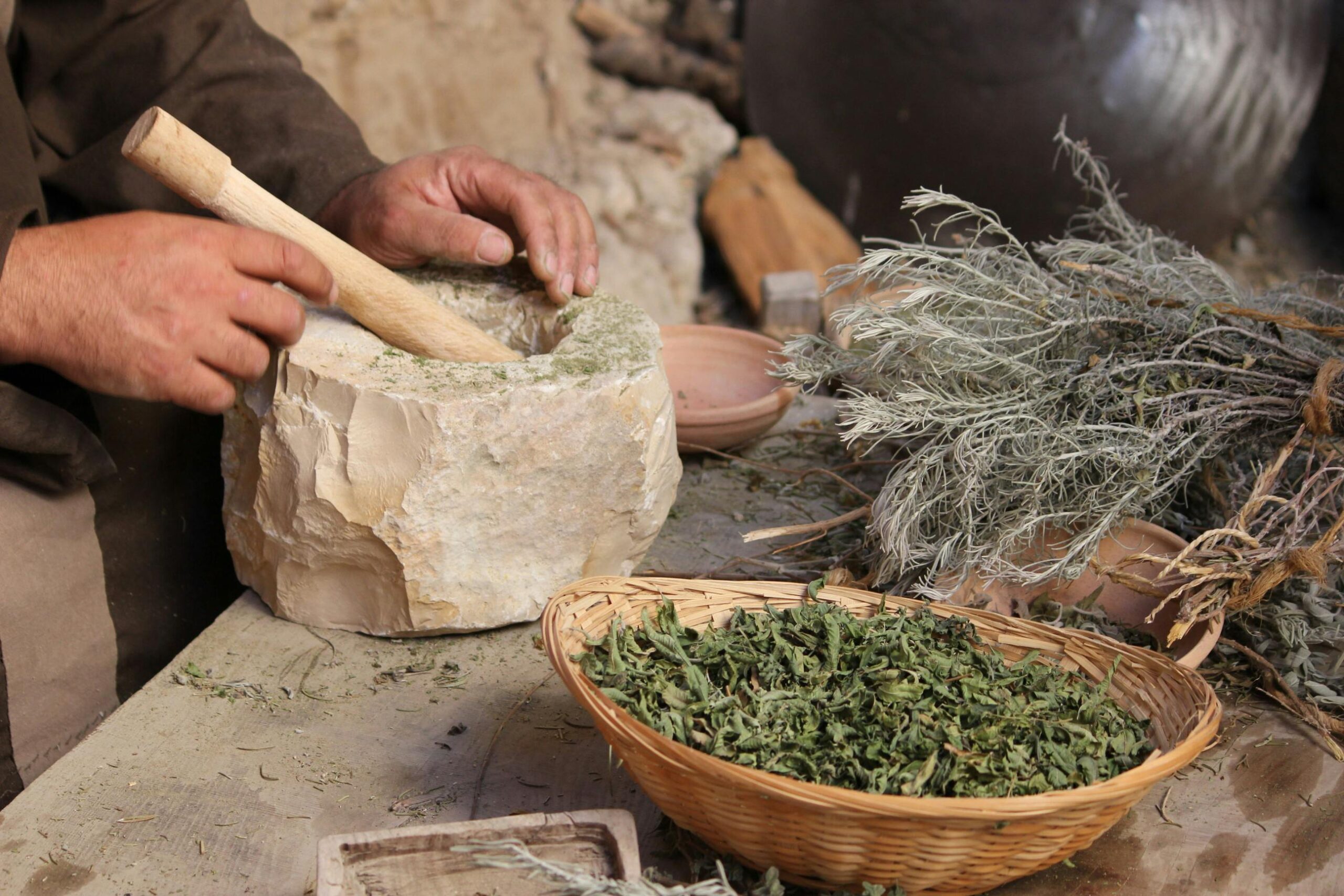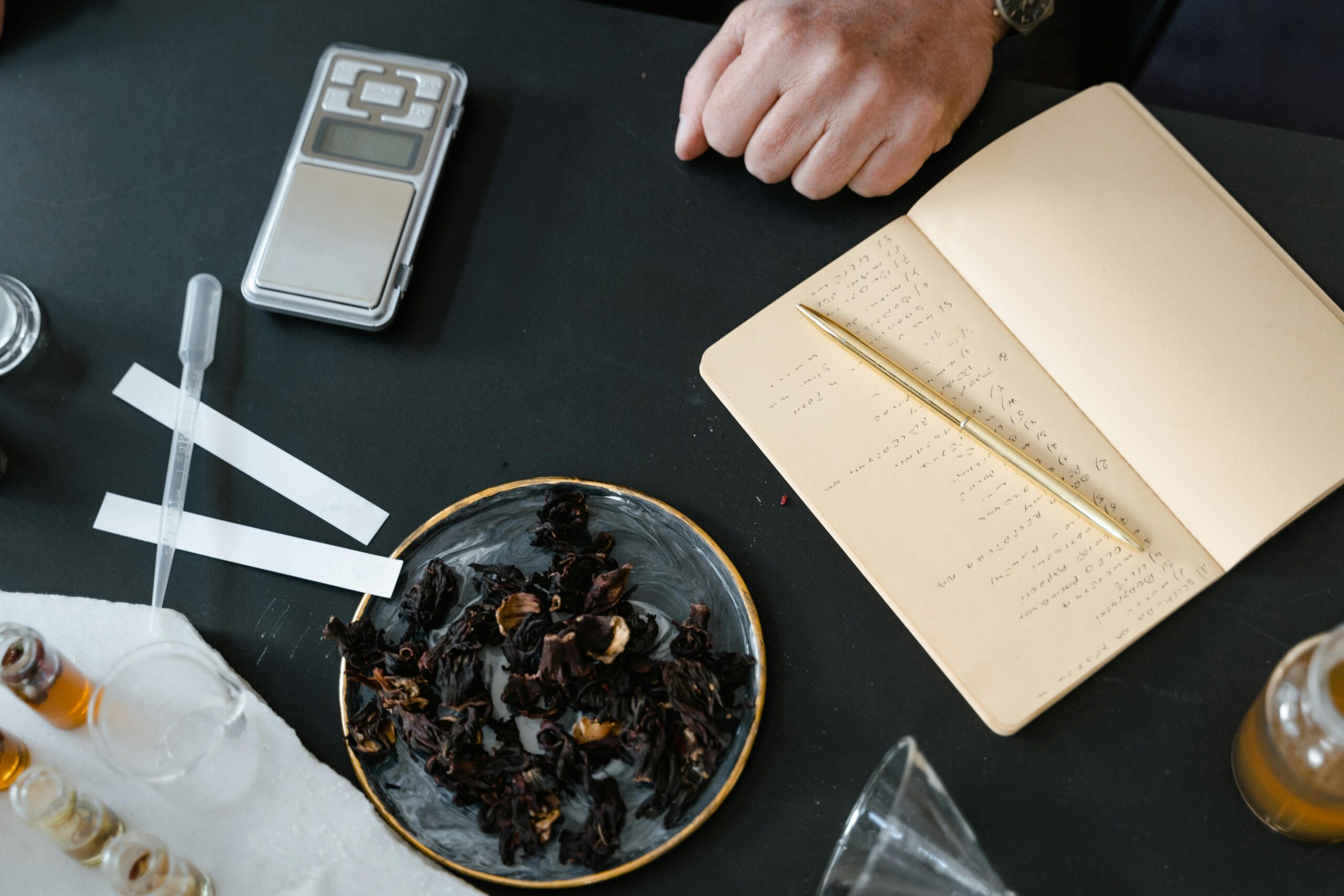
Herbal medicine bridges ancient wisdom with modern wellness, offering natural healing pathways that have sustained civilizations for millennia and continue to transform health outcomes today.

🌿 Why Ancient Botanical Wisdom Matters in Modern Times
The resurgence of interest in herbal medicine isn’t merely a trend—it represents a fundamental shift in how we approach health and wellness. As synthetic pharmaceuticals dominate mainstream medicine, an increasing number of people are rediscovering the profound healing potential locked within nature’s pharmacy. Ancient botanical therapies offer something pharmaceutical companies struggle to replicate: holistic healing that addresses root causes rather than merely suppressing symptoms.
Traditional healing systems like Traditional Chinese Medicine, Ayurveda, and European herbalism have accumulated thousands of years of empirical evidence. These time-tested approaches survived precisely because they worked, passing rigorous generational scrutiny long before double-blind studies existed. Today’s scientific research increasingly validates what traditional healers knew intuitively—that plants contain complex phytochemical compounds capable of supporting the body’s innate healing mechanisms.
The pharmaceutical industry itself acknowledges this botanical foundation, with approximately 25% of modern drugs derived directly from plant sources. Aspirin originated from willow bark, digoxin from foxglove, and morphine from opium poppies. This recognition underscores an essential truth: plants represent one of humanity’s most valuable therapeutic resources.
Building Your Foundation: Essential Knowledge for Herbal Medicine Beginners
Embarking on your herbal medicine journey requires establishing solid foundational knowledge. Unlike conventional medicine’s reductionist approach, herbal therapeutics demands understanding plants as complete entities with synergistic components working in concert. This holistic perspective represents the first paradigm shift necessary for herbal medicine success.
Understanding Plant Energetics and Constitutions
Traditional herbal systems categorize plants according to energetic qualities—hot, cold, dry, moist, stimulating, or sedating. These classifications aren’t mystical concepts but practical descriptors of physiological effects. A “warming” herb like ginger increases circulation and metabolic activity, while a “cooling” herb like peppermint reduces inflammation and excess heat. Mastering these energetic principles enables practitioners to match botanical remedies precisely to individual constitutions and conditions.
Different body types respond uniquely to herbal interventions. Someone with naturally high metabolism might experience adverse reactions from stimulating herbs that benefit others with sluggish systems. This personalized approach distinguishes herbal medicine from one-size-fits-all pharmaceutical protocols, requiring practitioners to develop keen observational skills and constitutional assessment abilities.
Botanical Identification and Sustainable Wildcrafting
Accurate plant identification represents a non-negotiable skill for serious herbalists. Misidentification can result in ineffective treatments or dangerous poisonings. Developing this expertise requires hands-on experience, ideally under experienced mentors who can teach recognition of key identifying features across seasons and growth stages.
Ethical wildcrafting practices ensure herbal traditions remain sustainable for future generations. This includes harvesting only abundant species, taking no more than 10-20% of any plant population, avoiding endangered species entirely, and understanding optimal harvest times when medicinal compounds concentrate most intensely. Spring roots, summer leaves, autumn seeds, and winter barks follow nature’s rhythms for maximum potency.
⚗️ Mastering Preparation Methods: From Simple Teas to Complex Extractions
The preparation method dramatically influences an herbal remedy’s effectiveness. Different extraction techniques access distinct phytochemical profiles, making method selection crucial for therapeutic success. Water-soluble compounds require different approaches than fat-soluble or alcohol-soluble constituents.
Traditional Water-Based Preparations
Infusions and decoctions represent herbalism’s most accessible entry points. Infusions work best for delicate aerial parts—leaves, flowers, and some seeds—preserving volatile oils and heat-sensitive compounds through gentle steeping. Typical ratios involve one ounce of dried herb per pint of just-boiled water, steeped covered for 15-30 minutes.
Decoctions extract constituents from tougher plant materials like roots, bark, and woody stems. This method involves simmering materials in water for 20-45 minutes, breaking down cellular structures to release deeper compounds. Traditional practices often combine both methods, decocting roots first, then adding leaves during the final minutes for optimal extraction.
Alcohol Tinctures and Glycerites
Alcohol extracts both water-soluble and alcohol-soluble compounds while providing long-term preservation. Tincture ratios vary based on material—fresh versus dried—and desired strength, typically ranging from 1:2 for fresh plants to 1:5 for dried. Alcohol percentage matters significantly; resinous materials require higher proof spirits (75-95%), while many standard herbs extract well at 40-50% alcohol.
Glycerites offer alcohol-free alternatives suitable for children and those avoiding alcohol. Vegetable glycerin extracts water-soluble compounds effectively but misses alcohol-soluble constituents, making it ideal for certain herbs but inadequate for others. Understanding these limitations guides appropriate method selection.
Oil Infusions and Salves
Oil-based preparations extract fat-soluble compounds while creating topical applications for external conditions. Solar infusions involve steeping herbs in oil under sunlight for 2-6 weeks, while heat methods accelerate extraction through gentle warming. These infused oils become bases for healing salves when combined with beeswax, creating semi-solid preparations for wounds, inflammation, and skin conditions.
🎯 Creating Your Personalized Learning Pathway
Successful herbal medicine mastery requires structured learning combined with hands-on experience. The following roadmap provides a progressive framework adaptable to individual circumstances, learning styles, and available resources.
Phase One: Foundation Building (Months 1-6)
Begin by deeply learning 5-10 common, safe herbs thoroughly rather than superficially studying hundreds. This focused approach develops pattern recognition skills transferable to future learning. Ideal starter herbs include chamomile, peppermint, ginger, calendula, and nettles—safe, accessible, and multi-functional plants demonstrating core herbal principles.
Commit to daily practice during this phase. Drink herbal infusions, observe effects, maintain detailed journals documenting preparations, dosages, and outcomes. This experiential learning builds intuitive understanding that theoretical study alone cannot provide. Engage all senses—taste, smell, touch—developing sensory vocabulary for describing herbal qualities.
Phase Two: Expanding Knowledge Base (Months 7-12)
Gradually expand your botanical repertoire to 20-30 herbs, focusing on specific body systems or therapeutic categories. Study herbs for digestive health one month, respiratory support the next, building systematic knowledge frameworks. This organized approach prevents overwhelming information overload while developing specialized expertise areas.
Begin formulating simple combinations, understanding how herbs interact synergistically. Traditional formulas provide templates—primary herbs address main concerns, supporting herbs enhance action, harmonizing herbs prevent side effects, and directing herbs guide formulas to specific body areas. This classical approach represents centuries of accumulated wisdom about effective combinations.
Phase Three: Advanced Applications (Year 2+)
Deeper study explores energetic systems, constitutional typing, and complex condition management. Advanced students often specialize in particular traditions—becoming Ayurvedic practitioners, Traditional Chinese Medicine herbalists, or Western clinical herbalists. This specialization allows mastery depth while maintaining respect for other valid approaches.
Clinical experience becomes paramount at this stage. Volunteer clinics, apprenticeships, and supervised practice provide invaluable real-world education. Working with diverse individuals facing varied health challenges accelerates learning exponentially beyond solitary study.
📚 Essential Resources for Herbal Medicine Students
Quality educational resources dramatically impact learning outcomes. While books provide foundational knowledge, diverse resource types create comprehensive education. The following categories deserve attention in any serious herbalist’s curriculum.
Core Textbooks and References
Invest in comprehensive materia medicas detailing botanical monographs with traditional uses, modern research, preparation methods, dosing guidelines, and safety considerations. Classic texts like “The Herbal Medicine Maker’s Handbook” by James Green and “Medical Herbalism” by David Hoffmann provide invaluable references. Regional field guides specific to your bioregion enable accurate identification and sustainable wildcrafting.
Hands-On Workshops and Intensives
In-person learning accelerates skill development through direct plant contact, mentor guidance, and peer collaboration. Weekend intensives, week-long immersions, and seasonal programs offer concentrated learning experiences. Many established herb schools provide structured curricula combining theoretical instruction with practical application, creating balanced education.
Online Courses and Digital Communities
Digital learning platforms democratize herbal education, making quality instruction accessible regardless of geographic location. Reputable online programs provide video demonstrations, downloadable resources, and community forums for ongoing discussion. However, online education works best when supplemented with local hands-on practice—plants must be touched, tasted, and experienced directly.
🔬 Integrating Traditional Wisdom with Modern Science
The most effective contemporary herbalism bridges ancestral knowledge with current research. Neither perspective alone provides complete understanding—traditional wisdom offers time-tested empirical evidence, while modern science elucidates mechanisms and validates safety and efficacy through controlled studies.
Phytochemistry research reveals how plant compounds interact with human biochemistry. Flavonoids strengthen vascular integrity, terpenes modulate neurotransmitter activity, alkaloids influence specific receptor sites. Understanding these mechanisms enables intelligent application while maintaining respect for whole-plant synergy that often exceeds isolated compound effects.
Clinical herbalism increasingly collaborates with conventional medicine rather than positioning as opposition. Integrative approaches recognize appropriate applications for both systems—pharmaceutical interventions excel at acute crisis management and suppressing dangerous symptoms, while botanical therapies optimize chronic condition management and support underlying healing processes.
💊 Safety Considerations and Contraindications
Natural does not automatically mean safe. Herbal medicine demands rigorous safety awareness, understanding contraindications, potential interactions, and appropriate dosing parameters. Responsible practice requires knowing when herbal intervention appropriately supports healing and when conventional medical intervention becomes necessary.
Drug-Herb Interactions
Many herbs interact with pharmaceutical medications, sometimes enhancing effects dangerously, other times reducing efficacy. St. John’s wort famously increases liver enzyme activity, accelerating drug metabolism and potentially rendering medications ineffective. Garlic’s blood-thinning properties compound anticoagulant medications. Thorough intake processes documenting all medications prevent dangerous interactions.
Pregnancy and Children Considerations
Special populations require conservative approaches. Pregnancy contraindications include emmenagogue herbs that stimulate uterine activity, potentially causing miscarriage. Children require adjusted dosing based on body weight and developmental stage. Clark’s Rule, Cowling’s Rule, and other pediatric dosing calculations guide appropriate reductions from adult doses.
🌍 Building Your Herbal Practice: From Personal Use to Professional Practice
Many begin herbal studies for personal health empowerment, later discovering passion for helping others. Transitioning from amateur enthusiast to professional practitioner requires additional business, legal, and ethical considerations beyond botanical knowledge alone.
Legal and Regulatory Landscape
Herbal practice regulations vary dramatically across jurisdictions. Some regions recognize herbalism as legitimate healthcare profession with licensing requirements, while others operate under nutritional supplement frameworks. Understanding local regulations prevents legal complications. Many practitioners operate under educational models, teaching clients about herbs rather than diagnosing or prescribing, navigating legal restrictions while providing valuable service.
Ethical Practice Standards
Professional herbalists adhere to ethical codes prioritizing client welfare, maintaining confidentiality, practicing within competency boundaries, and making appropriate referrals when conditions exceed herbal scope. Continuing education maintains current knowledge as research evolves. Transparent communication about realistic expectations prevents promising outcomes beyond reasonable possibilities.
🌱 Growing Your Own Medicinal Garden
Cultivating medicinal plants provides ultimate quality control, deepening botanical relationships while ensuring organic growing practices. Even modest spaces support surprising herbal abundance through strategic planning and intensive gardening techniques.
Begin with easy-to-grow staples: calendula thrives in poor soil, lemon balm spreads enthusiastically, holy basil tolerates heat, and echinacea returns perennially. Design gardens considering harvest timing—succession planting extends availability, while perennial beds require less annual effort than starting from seed yearly.
Observation teaches lessons no book provides. Watching plants through complete lifecycles, noticing pest resistances, observing drought responses, and identifying optimal harvest windows develops intimate botanical knowledge. This relationship transforms herbs from abstract remedies into living allies in health partnership.
🔮 The Future of Botanical Medicine: Innovations and Opportunities
Herbal medicine’s future appears increasingly bright as multiple converging trends drive renewed interest. Environmental concerns motivate sustainable alternatives to resource-intensive pharmaceutical manufacturing. Healthcare accessibility issues position affordable herbal remedies as viable options for underserved populations. Chronic disease epidemics demonstrate conventional medicine’s limitations in addressing root causes of metabolic syndrome, autoimmune conditions, and mental health challenges.
Technology enables unprecedented access to traditional knowledge databases, connecting practitioners globally and preserving indigenous wisdom facing extinction. Artificial intelligence applications analyze vast ethnobotanical databases, identifying patterns and potential therapeutic applications. Simultaneously, grassroots movements reclaim ancestral plant medicine practices within indigenous communities, ensuring cultural continuity.
The integration of herbal medicine within mainstream healthcare systems continues advancing. Hospitals increasingly employ clinical herbalists, medical schools add integrative medicine curricula, and insurance companies recognize certain herbal therapies for reimbursement. This legitimization expands opportunities while requiring standardization and research validation meeting scientific medical standards.
🎓 Your Journey Begins With a Single Step
The path to herbal medicine mastery stretches long and rich with discovery. Rather than feeling overwhelmed by vast knowledge domains, embrace the journey’s gradual unfolding. Each plant learned, each preparation mastered, each successful application builds confidence and competence progressively. The herbalists you admire today once stood exactly where you stand now, wondering whether they possessed capability for such learning. They persisted, and their accumulated experience now seems impressive precisely because they continued advancing through initial uncertainty.
Start simply. Choose three accessible herbs growing locally or available affordably. Research their properties, prepare basic infusions, observe effects mindfully. Document experiences, noticing subtleties easily overlooked without intentional attention. This modest beginning establishes practices and habits supporting years of expanding knowledge.
Connect with local herbalists, botanical societies, and plant-focused communities. Learning accelerates exponentially within supportive environments where questions receive answers, experiences get shared, and enthusiasm reinforces commitment during inevitable challenging periods. The herbal community welcomes newcomers genuinely, understanding that today’s beginners become tomorrow’s teachers, preserving precious knowledge for future generations.
Ancient botanical therapies await your discovery, offering not merely symptom relief but genuine partnership in health creation. These plant allies have sustained humanity through countless generations, and they extend their healing gifts to you now. Your decision to embrace this wisdom honors ancestral knowledge while contributing to humanity’s healthier future. The journey begins now—may your path be filled with growth, healing, and profound connection to the botanical world sustaining all life.