Ancient botanical therapies are experiencing a remarkable renaissance in modern healthcare, bridging millennia-old wisdom with contemporary scientific validation and transforming lives worldwide.

🌿 The Timeless Wisdom of Plant-Based Healing
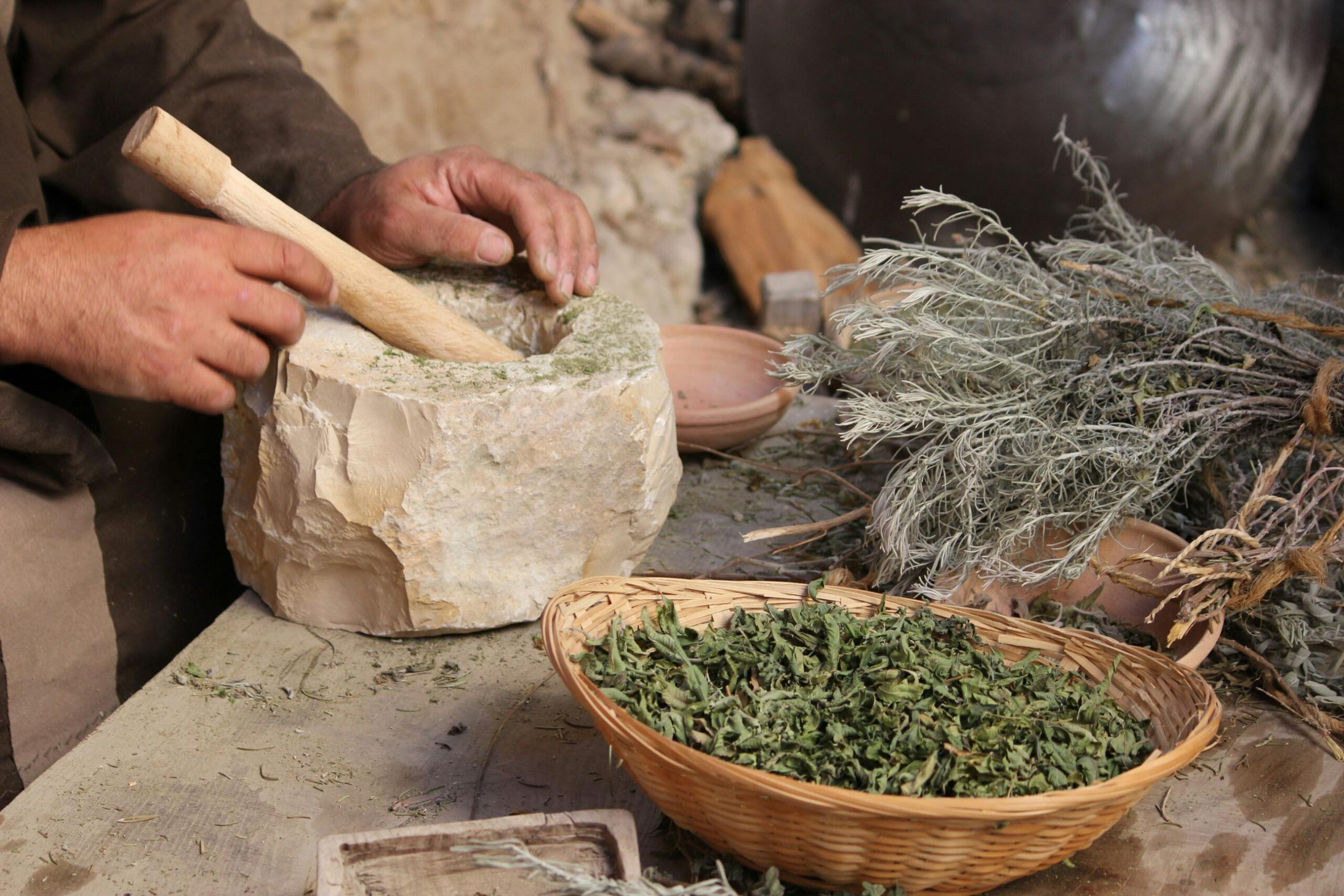
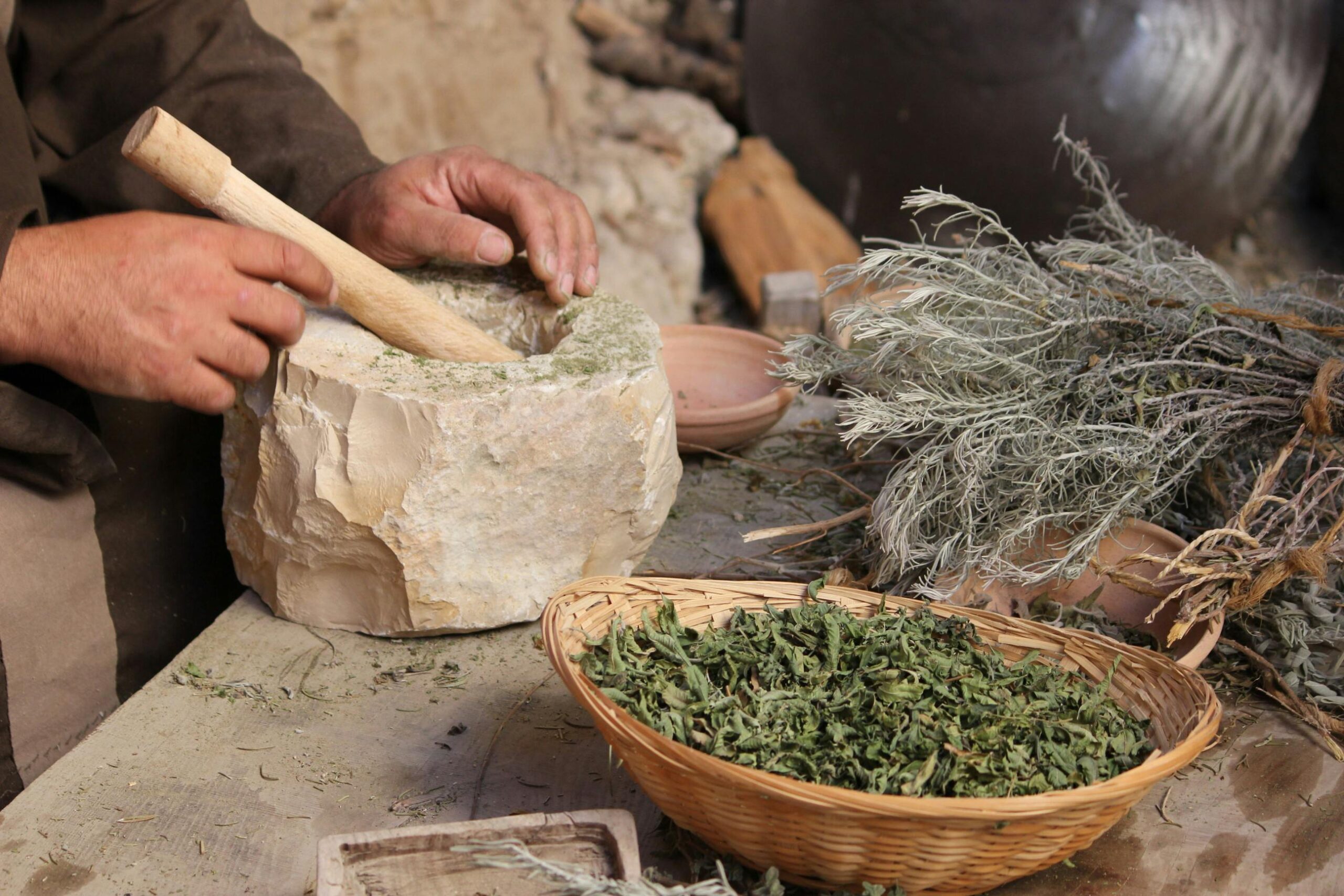
For thousands of years, civilizations across the globe have relied on the healing power of plants to treat ailments, promote wellness, and enhance quality of life. From the Ayurvedic traditions of India to Traditional Chinese Medicine and the indigenous healing practices of the Americas, botanical therapies have formed the backbone of healthcare systems long before synthetic pharmaceuticals emerged. Today, we’re witnessing an unprecedented revival of these ancient practices, supported by rigorous scientific research and real-world success stories that validate what our ancestors intuitively understood.
The World Health Organization estimates that approximately 80% of the global population still relies on herbal medicine for some aspect of primary healthcare. This statistic isn’t merely a reflection of tradition or lack of access to modern medicine—it represents a conscious choice by millions who recognize the profound effectiveness and holistic nature of botanical treatments.
Understanding the Science Behind Ancient Plant Medicine
Modern pharmacology owes an enormous debt to traditional botanical knowledge. Many of today’s most commonly prescribed medications originated from plant compounds that indigenous healers used for centuries. Aspirin derived from willow bark, digitalis from foxglove for heart conditions, and artemisinin from sweet wormwood for malaria treatment are just a few examples of how ancient botanical wisdom has directly informed contemporary medicine.
What makes botanical therapies particularly powerful is their complex phytochemical profiles. Unlike isolated pharmaceutical compounds, whole plant medicines contain hundreds of bioactive constituents that work synergistically. This phenomenon, known as the “entourage effect,” often produces therapeutic benefits that exceed what any single compound could achieve alone, while typically generating fewer adverse effects.
The Phytochemical Advantage
Plants produce secondary metabolites—compounds not directly involved in their growth and reproduction—as defense mechanisms against environmental stressors, pathogens, and predators. These same compounds often possess remarkable therapeutic properties for human health. Flavonoids, terpenoids, alkaloids, and polyphenols represent just a few categories of these bioactive molecules that have demonstrated anti-inflammatory, antimicrobial, antioxidant, and immune-modulating effects in clinical studies.
🏥 Real-World Applications Transforming Modern Healthcare
The integration of ancient botanical therapies into contemporary healthcare settings is accelerating, with hospitals, clinics, and wellness centers worldwide incorporating evidence-based herbal protocols alongside conventional treatments. This integrative approach recognizes that plant medicines can serve as primary treatments for certain conditions, supportive therapies for others, and preventive measures for maintaining optimal health.
Turmeric and Curcumin: The Golden Healer
Perhaps no botanical has received more scientific attention in recent decades than turmeric (Curcuma longa). Used for over 4,000 years in Ayurvedic medicine, this golden spice contains curcumin, a compound with extraordinary anti-inflammatory and antioxidant properties. Clinical trials have demonstrated turmeric’s effectiveness in managing conditions ranging from osteoarthritis and rheumatoid arthritis to metabolic syndrome and depression.
Dr. Sarah Mitchell, a rheumatologist at a leading integrative medicine center in California, shares: “I’ve witnessed patients with moderate osteoarthritis achieve significant pain reduction and improved mobility using standardized curcumin extracts, often allowing them to reduce their reliance on NSAIDs and their associated side effects. The key is using bioavailable formulations and appropriate dosing based on clinical evidence.”
Adaptogens: Ancient Stress Management for Modern Times
The concept of adaptogenic herbs—plants that help the body adapt to physical, chemical, and environmental stress—originated in traditional medicine systems but has gained tremendous traction in addressing contemporary health challenges. Herbs like ashwagandha, rhodiola, holy basil, and ginseng have been the subject of numerous clinical studies demonstrating their ability to modulate stress responses, enhance mental performance, and support overall resilience.
A groundbreaking study published in the Journal of Alternative and Complementary Medicine found that participants taking ashwagandha extract experienced a 44% reduction in stress levels compared to placebo, along with significant improvements in sleep quality and overall well-being. These findings validate centuries of traditional use while providing the scientific foundation for broader clinical adoption.
💚 Success Stories That Inspire and Validate
Beyond clinical trials and laboratory research, the most compelling evidence for botanical therapies comes from the lived experiences of individuals who have transformed their health through these ancient remedies.
Maria’s Journey with Chronic Inflammation
Maria Santos, a 52-year-old teacher from Brazil, struggled with chronic inflammatory conditions for years. After experiencing limited success and unpleasant side effects from conventional medications, she worked with an herbalist trained in both traditional and evidence-based botanical medicine. Through a carefully crafted protocol incorporating turmeric, ginger, boswellia, and anti-inflammatory dietary changes, Maria experienced a remarkable transformation within three months. Her inflammatory markers normalized, joint pain decreased by 80%, and she regained energy levels she hadn’t experienced in over a decade.
James’s Mental Health Breakthrough
James Chen, a software developer from Singapore, faced anxiety and burnout that conventional treatments hadn’t adequately addressed. Working with an integrative psychiatrist, he began incorporating adaptogenic herbs, specifically rhodiola rosea and holy basil, alongside mindfulness practices and lifestyle modifications. Within eight weeks, his anxiety scores decreased significantly, cognitive function improved, and he reported feeling more emotionally balanced than he had in years. His success prompted him to maintain this botanical protocol as a long-term wellness strategy.
🌍 Global Applications and Cultural Context
The beauty of botanical therapies lies in their diversity and cultural richness. Different regions of the world have developed unique herbal traditions based on locally available plants and specific health challenges faced by their populations.
Traditional Chinese Medicine in Cancer Support
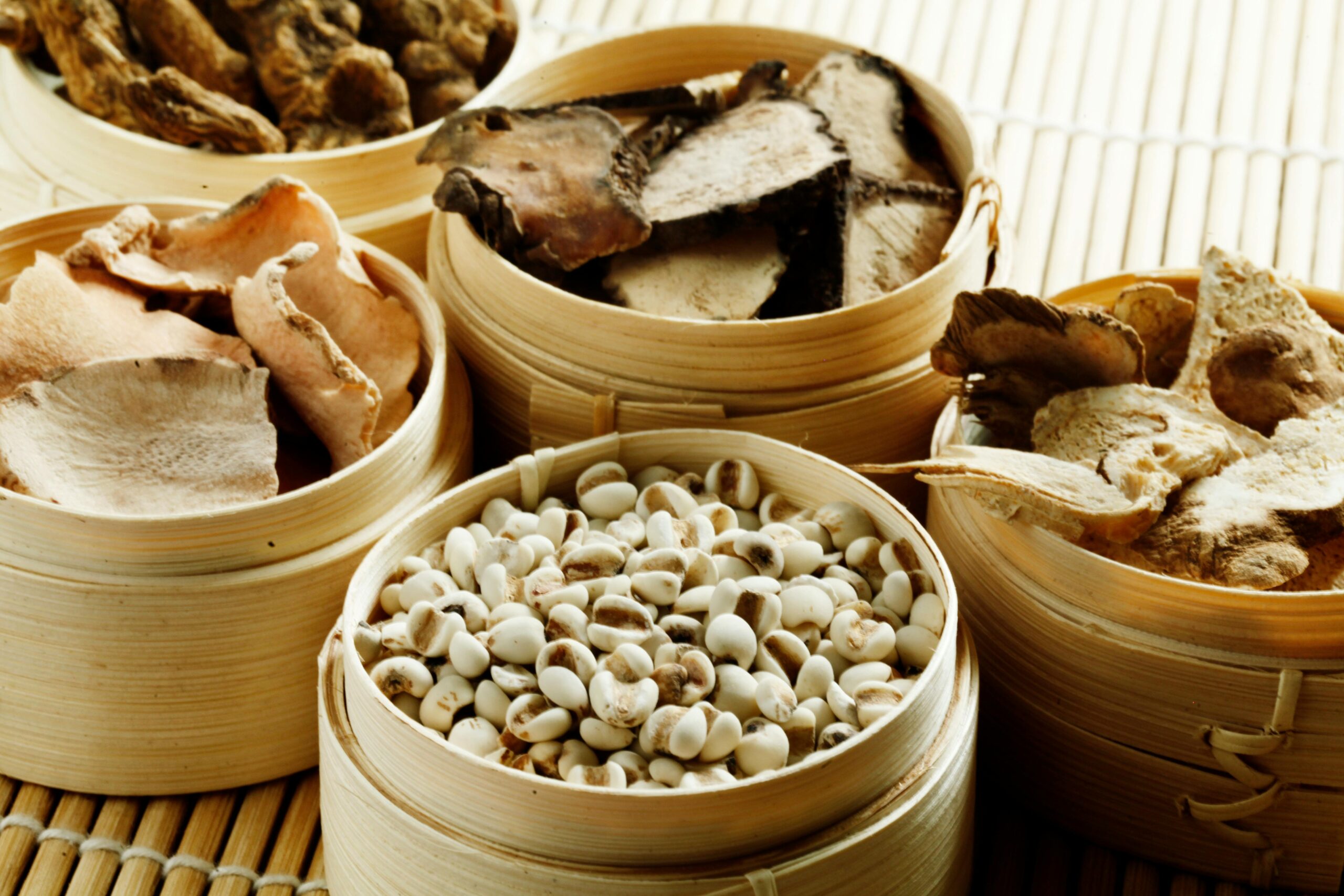
In China, botanical formulations have been integrated into oncology care for decades. Research from major cancer centers has demonstrated that specific herbal protocols can reduce chemotherapy side effects, support immune function, and potentially enhance treatment outcomes. Herbs like astragalus, reishi mushroom, and ginseng are commonly prescribed alongside conventional cancer treatments, representing a truly integrative approach that honors both ancient wisdom and modern science.
Amazonian Botanicals and Biodiversity
The Amazon rainforest, often called “the world’s pharmacy,” contains an estimated 80,000 plant species, many with documented medicinal properties used by indigenous peoples for generations. Plants like cat’s claw (Uncaria tomentosa) for immune support, dragon’s blood (Croton lechleri) for wound healing, and camu camu for vitamin C have gained international recognition. Ethical wildcrafting and cultivation projects are now ensuring these precious botanical resources remain available while supporting indigenous communities and conservation efforts.
📊 Evidence-Based Integration: What the Research Shows
The scientific validation of botanical therapies continues to expand, with thousands of peer-reviewed studies published annually examining the mechanisms, efficacy, and safety of various plant medicines.
Recent meta-analyses have confirmed the effectiveness of several botanical interventions:
- St. John’s Wort demonstrates efficacy comparable to selective serotonin reuptake inhibitors for mild to moderate depression, with fewer side effects
- Ginkgo biloba shows promise in supporting cognitive function and managing symptoms of dementia in early stages
- Milk thistle (silymarin) provides significant hepatoprotective benefits for various liver conditions
- Hawthorn extract effectively supports cardiovascular health and manages mild heart failure symptoms
- Valerian root offers safe and effective support for sleep quality without the dependency risks of pharmaceutical sleep aids
Understanding Quality and Standardization
One critical factor in the successful application of botanical therapies is ensuring product quality and appropriate standardization. Not all herbal products are created equal, and therapeutic outcomes depend significantly on factors including plant species authenticity, growing conditions, harvesting methods, extraction processes, and standardization of active constituents.
Reputable manufacturers employ rigorous quality control measures, including genetic authentication, heavy metal testing, pesticide screening, and standardization of key phytochemicals. Healthcare practitioners trained in botanical medicine understand these quality considerations and can guide patients toward therapeutic-grade products that deliver consistent, reliable results.
🔬 The Future of Botanical Medicine: Innovation Meets Tradition
The future of botanical therapies looks incredibly promising as technology enables deeper understanding and more sophisticated applications of plant medicines. Advanced analytical techniques allow researchers to identify previously unknown bioactive compounds, while computational biology helps predict therapeutic applications and optimize formulations.
Personalized Botanical Medicine
Emerging pharmacogenomic research suggests that genetic variations influence how individuals respond to specific botanical compounds. This knowledge paves the way for personalized herbal protocols tailored to individual genetic profiles, health histories, and therapeutic goals. Some integrative medicine centers are already incorporating genetic testing to optimize botanical treatment selection and dosing.
Novel Delivery Systems
Innovation in delivery systems is enhancing the bioavailability and therapeutic effectiveness of botanical medicines. Liposomal encapsulation, nanoparticle formulations, and advanced extraction techniques are allowing practitioners to achieve therapeutic benefits with lower doses and faster onset of action, making plant medicines more practical and appealing for modern consumers.
🌱 Practical Applications for Everyday Wellness
Beyond treating specific health conditions, ancient botanical therapies offer powerful tools for preventive healthcare and daily wellness optimization. Incorporating therapeutic herbs into regular routines can support immune function, manage stress, enhance cognitive performance, and promote longevity.
Kitchen Medicine: Culinary Herbs as Therapeutics
Many potent medicinal plants are already familiar culinary herbs. Garlic’s cardiovascular and antimicrobial benefits, rosemary’s cognitive enhancement properties, oregano’s powerful antimicrobial compounds, and cinnamon’s blood sugar regulation effects demonstrate that medicine and nutrition need not be separate domains. Traditional food cultures inherently understood this connection, seasoning dishes with herbs that not only enhanced flavor but also supported digestion and overall health.
Herbal Teas: Simple Yet Profound
The practice of drinking herbal teas represents one of the most accessible ways to incorporate botanical therapies into daily life. Chamomile for relaxation and digestive support, peppermint for digestive comfort, hibiscus for cardiovascular health, and green tea for antioxidant protection offer therapeutic benefits through a pleasant, time-honored ritual that also promotes hydration and mindfulness.
⚠️ Safety Considerations and Professional Guidance
While botanical therapies generally demonstrate excellent safety profiles, especially compared to many pharmaceutical interventions, they are not without potential risks. Herb-drug interactions, contraindications during pregnancy or with certain health conditions, and the possibility of allergic reactions require informed, cautious use.
Working with qualified healthcare practitioners trained in both conventional medicine and botanical therapeutics ensures safe, effective integration of plant medicines into comprehensive health strategies. Organizations like the American Herbalists Guild, the American Botanical Council, and various naturopathic and integrative medicine professional associations provide directories of qualified practitioners.
🌟 Embracing the Botanical Renaissance
We stand at a remarkable moment in healthcare history where ancient wisdom and modern science converge to offer expanded therapeutic options. Botanical therapies represent not a rejection of conventional medicine but rather an expansion of healing possibilities—one that honors the sophisticated knowledge systems developed by cultures worldwide over millennia.
The success stories, clinical evidence, and ongoing research all point toward a future where plant medicines occupy a rightful place alongside other evidence-based interventions. Whether addressing chronic inflammatory conditions, supporting mental health, enhancing resilience to stress, or simply optimizing daily wellness, ancient botanical therapies offer powerful, accessible, and often gentler alternatives or complements to conventional approaches.
As we continue unlocking the secrets encoded in the plant kingdom, we’re not discovering something entirely new—we’re remembering and validating knowledge that indigenous healers, traditional practitioners, and herbalists have preserved across generations. This botanical renaissance invites each of us to explore how these time-tested remedies might support our own health journeys, connecting us to healing traditions that have sustained humanity throughout our existence.
The power of ancient botanical therapies isn’t merely historical—it’s profoundly relevant, scientifically validated, and increasingly accessible. By embracing these plant medicines with both respect for tradition and appreciation for evidence-based practice, we open doors to healing possibilities that honor the complexity of human health and the remarkable wisdom of the natural world.