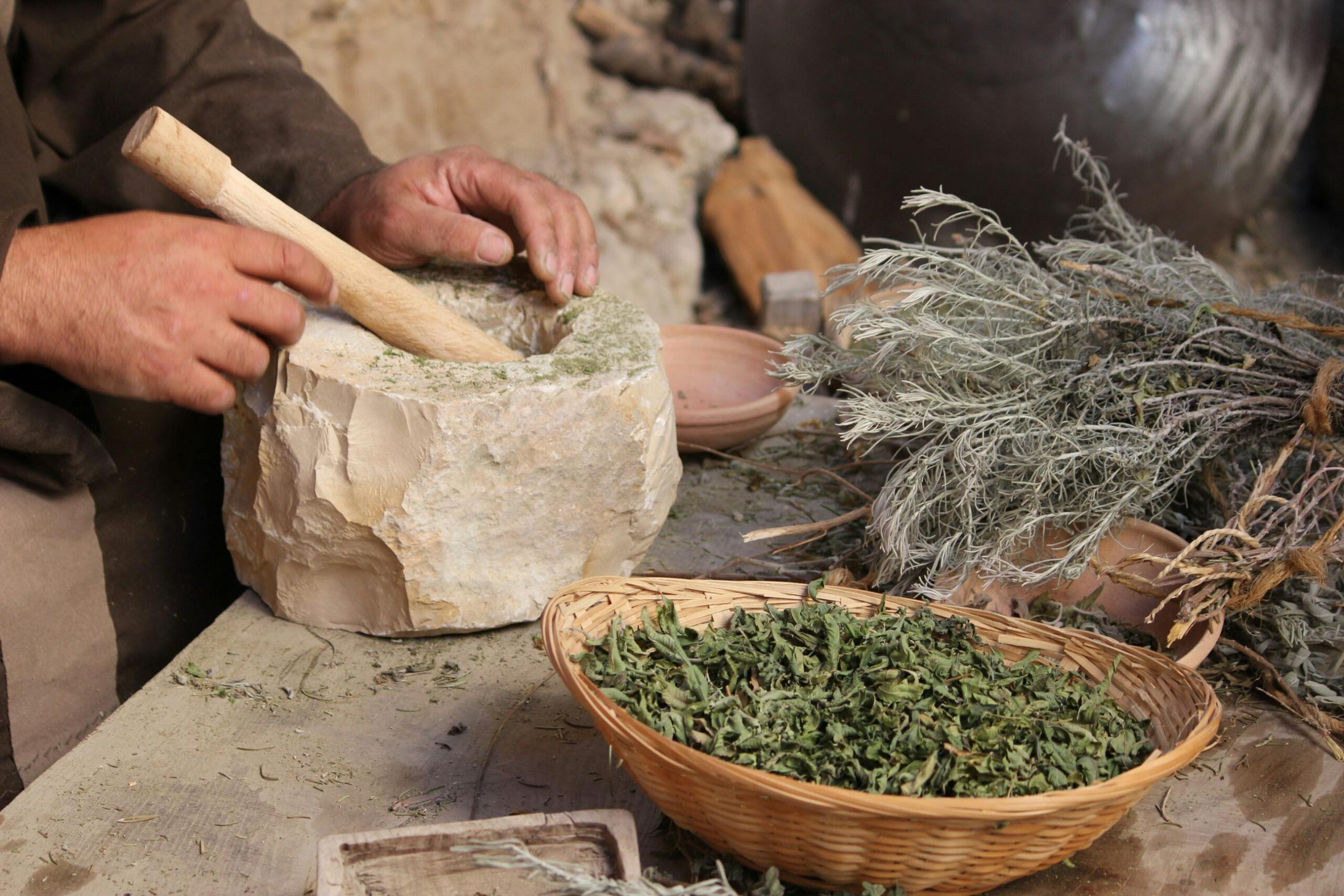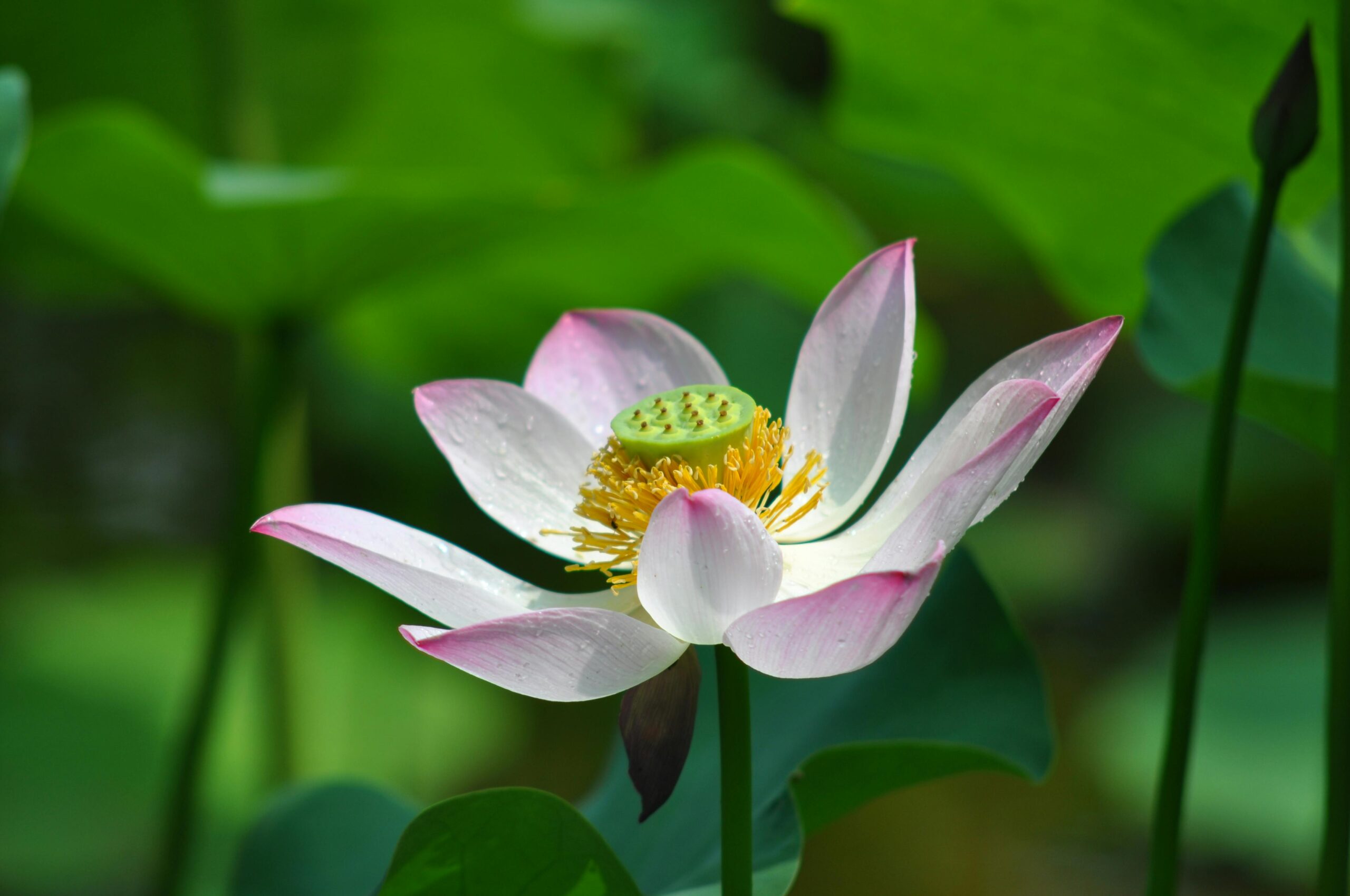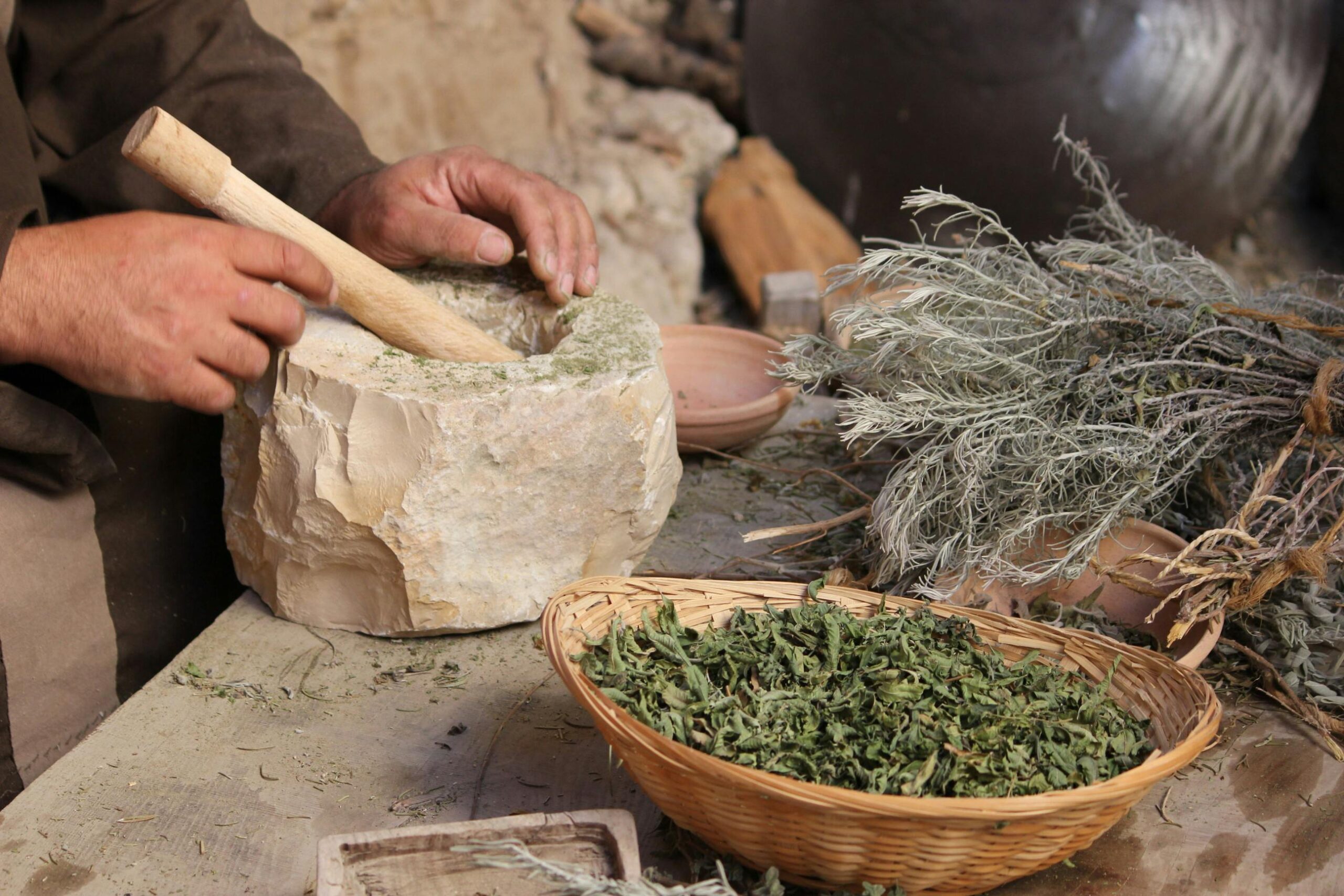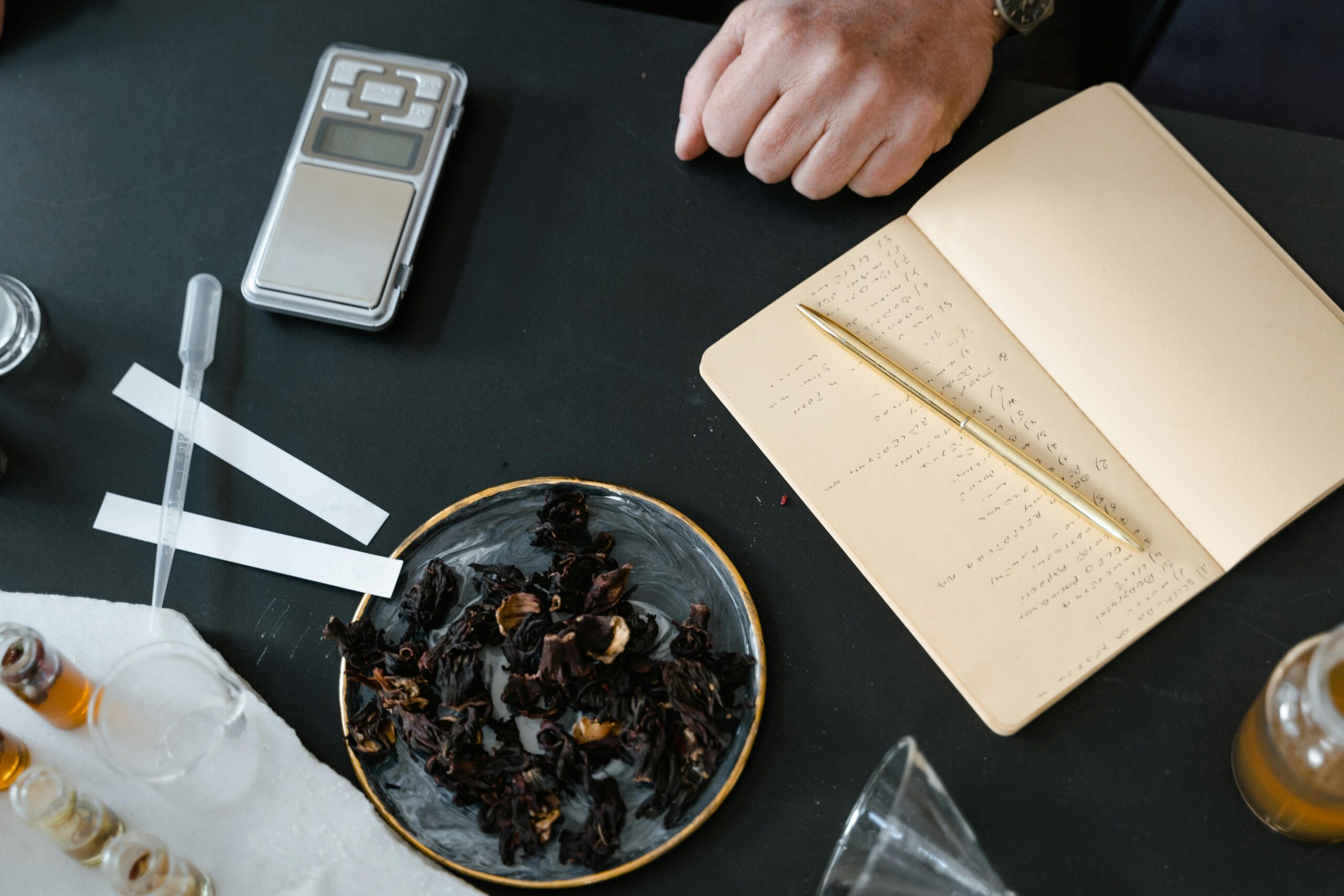
Ancient botanical therapies are experiencing a renaissance in modern medicine, as researchers meticulously map evidence connecting traditional plant-based remedies to contemporary healing practices.

🌿 The Ancient Wisdom Meeting Modern Science
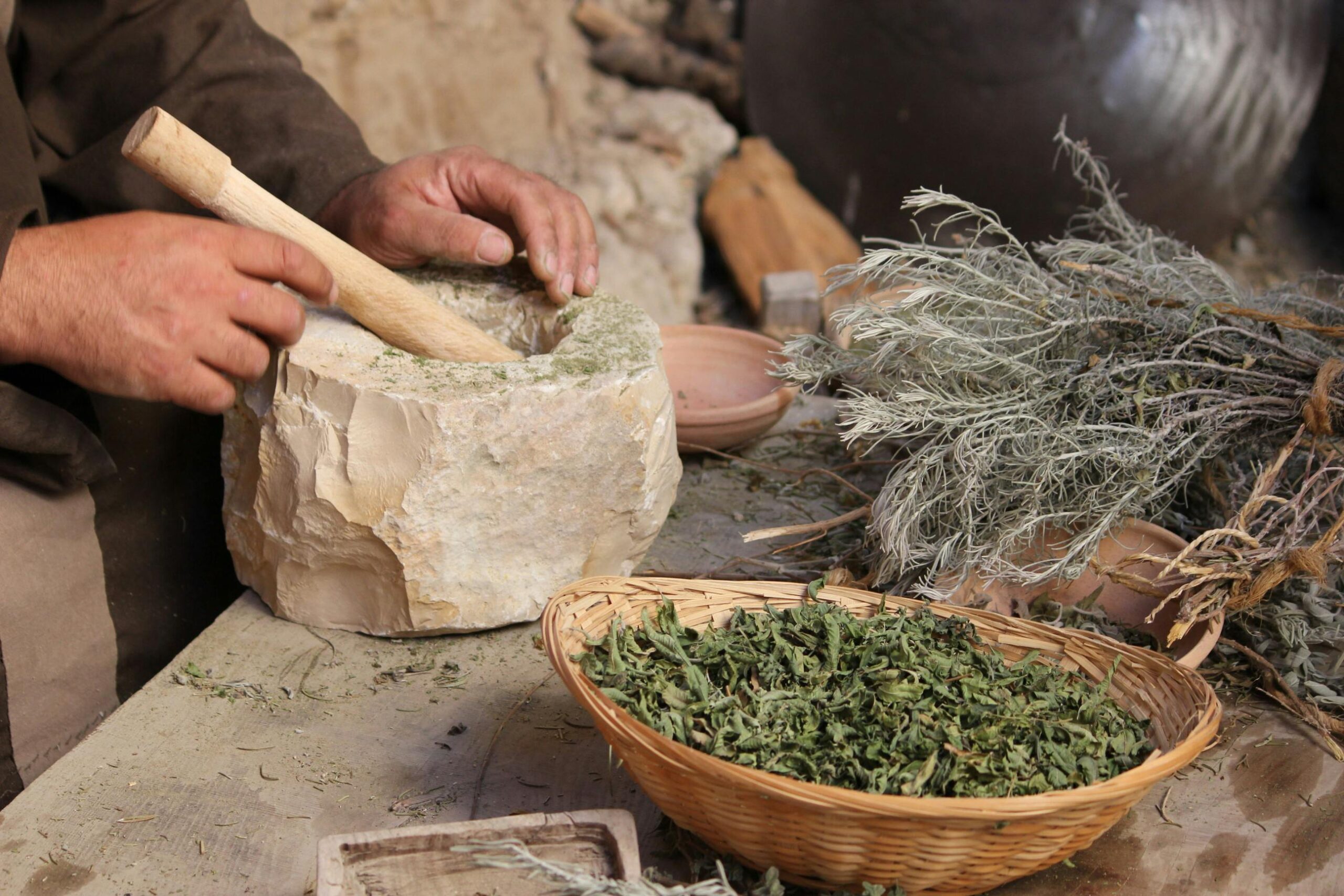
For thousands of years, civilizations across the globe have relied on botanical therapies to treat ailments, prevent disease, and promote overall wellness. From the Ayurvedic traditions of India to Traditional Chinese Medicine and the herbalism practices of indigenous cultures, plants have been humanity’s first pharmacy. Today, scientific evidence mapping is revealing that many of these ancient remedies contain powerful compounds that modern medicine is only beginning to understand.
Evidence mapping represents a systematic approach to documenting and analyzing the therapeutic properties of botanical remedies used throughout history. This methodology combines ethnobotanical research, phytochemical analysis, clinical trials, and historical documentation to create comprehensive databases of plant-based treatments. The results are nothing short of remarkable, validating centuries of traditional knowledge while opening new avenues for drug discovery and natural therapeutics.
📜 Historical Documentation: The Foundation of Botanical Evidence
The journey of evidence mapping begins with historical texts and traditional knowledge systems. Ancient medical manuscripts like the Ebers Papyrus from Egypt (circa 1550 BCE), the Shennong Ben Cao Jing from China, and the writings of Greek physicians such as Dioscorides provide detailed accounts of plant uses, preparation methods, and therapeutic applications.
These historical documents serve as roadmaps for modern researchers, identifying which plants were most valued by ancient healers and for which conditions. The consistency of certain botanical remedies across multiple cultures and time periods often indicates genuine therapeutic value, making these plants priority candidates for scientific investigation.
Cross-Cultural Botanical Convergence
One fascinating aspect of evidence mapping is discovering that different cultures independently arrived at similar botanical solutions. For example, willow bark was used for pain relief in ancient Egypt, Greece, and among Native American tribes. Modern science has validated this traditional use by isolating salicylic acid from willow bark—the precursor to aspirin. Such convergent evidence strengthens the case for a plant’s therapeutic legitimacy.
🔬 Modern Scientific Validation of Ancient Remedies
Contemporary research laboratories are now equipped with sophisticated tools to analyze the chemical composition of medicinal plants. Gas chromatography, mass spectrometry, and molecular biology techniques allow scientists to identify active compounds, understand their mechanisms of action, and evaluate their safety profiles.
Evidence mapping projects systematically document this scientific validation process. Researchers create detailed profiles for each botanical therapy, including:
- Identified bioactive compounds and their concentrations
- Pharmacological mechanisms and biological pathways affected
- Clinical trial results and efficacy data
- Safety profiles, contraindications, and potential drug interactions
- Traditional preparation methods versus modern extraction techniques
- Geographical variations in plant chemistry and potency
Notable Success Stories in Botanical Validation 🌟
Several ancient botanical therapies have successfully transitioned from traditional medicine to mainstream pharmaceutical applications. Artemisinin, derived from sweet wormwood (Artemisia annua), was used in Traditional Chinese Medicine for centuries before being identified as a powerful antimalarial compound. This discovery earned Chinese scientist Tu Youyou the Nobel Prize in Physiology or Medicine in 2015.
Similarly, the Pacific yew tree (Taxus brevifolia) was used by indigenous peoples of the Pacific Northwest for various ailments. Modern research isolated paclitaxel (Taxol) from this tree, which became one of the most important chemotherapy drugs for treating ovarian, breast, and lung cancers.
🗺️ Evidence Mapping Methodologies and Frameworks
The process of evidence mapping for botanical therapies follows rigorous scientific protocols. Researchers employ several complementary approaches to build comprehensive knowledge bases about medicinal plants.
Ethnobotanical Surveys and Field Research
Ethnobotanists work directly with traditional healers, indigenous communities, and cultural practitioners to document plant knowledge before it disappears. These field studies record plant identification, habitat information, harvesting practices, preparation methods, dosing guidelines, and traditional indications for use. This primary data collection is essential for preserving cultural heritage while providing leads for scientific investigation.
Systematic Literature Reviews and Meta-Analyses
Evidence mapping includes exhaustive reviews of existing scientific literature on medicinal plants. Researchers systematically search databases for published studies, extracting data on efficacy, safety, and mechanisms of action. Meta-analyses combine results from multiple studies to generate stronger statistical evidence about a botanical therapy’s effectiveness.
Phytochemical Profiling and Compound Libraries
Advanced analytical chemistry creates detailed phytochemical profiles for medicinal plants, identifying hundreds or thousands of compounds within a single botanical species. These compound libraries enable researchers to match bioactive molecules with therapeutic effects, understand synergistic interactions between plant compounds, and identify quality markers for standardization.
💊 From Garden to Medicine Cabinet: Promising Ancient Botanicals
Evidence mapping has highlighted numerous ancient botanical therapies with significant therapeutic potential. Here are some of the most promising examples currently being validated by modern science:
Turmeric (Curcuma longa)
Used in Ayurvedic medicine for over 4,000 years, turmeric contains curcumin, a compound with powerful anti-inflammatory and antioxidant properties. Evidence mapping has documented over 15,000 scientific papers on curcumin, with research supporting its potential in treating arthritis, metabolic syndrome, anxiety, and certain cancers. The challenge has been improving curcumin’s bioavailability, leading to innovative delivery systems based on traditional preparation methods like combining turmeric with black pepper.
Ginkgo Biloba
Traditional Chinese Medicine has used ginkgo leaves for cognitive support for millennia. Modern evidence mapping reveals that ginkgo extracts improve blood circulation, exhibit neuroprotective properties, and may help with cognitive decline, though results have been mixed in clinical trials. The standardization of ginkgo extracts has been crucial for obtaining consistent research results.
St. John’s Wort (Hypericum perforatum)
Used since ancient Greek times for mood disorders, St. John’s Wort has been extensively studied for treating mild to moderate depression. Evidence mapping shows it contains hypericin and hyperforin, compounds that affect neurotransmitter systems. Multiple meta-analyses confirm efficacy comparable to conventional antidepressants for mild depression, though herb-drug interactions require careful consideration.
Echinacea Species
Native American tribes used echinacea for infections and wounds long before European contact. Evidence mapping of this botanical reveals immunomodulatory effects, with mixed but generally positive results for reducing cold duration and severity. The variability in research outcomes has led to better understanding of which echinacea species, plant parts, and preparations are most effective.
⚖️ Challenges in Botanical Evidence Mapping
Despite remarkable progress, evidence mapping of ancient botanical therapies faces several significant challenges that researchers must navigate carefully.
Standardization and Quality Control
Unlike synthetic pharmaceuticals with defined molecular structures, botanical products contain hundreds of compounds that vary based on growing conditions, harvest timing, plant age, and processing methods. This natural variability makes standardization difficult but essential for reproducible research and consistent therapeutic outcomes.
Traditional Preparation Versus Modern Extraction
Ancient healing traditions often used specific preparation methods—decoctions, fermentations, or combinations with other ingredients—that may be crucial to efficacy. Modern extraction techniques that isolate single compounds may miss synergistic effects or alter bioavailability. Evidence mapping must consider both traditional and contemporary preparation methods.
Intellectual Property and Biopiracy Concerns
Indigenous communities and traditional knowledge holders have legitimate concerns about pharmaceutical companies profiting from their ancestral botanical knowledge without proper compensation or recognition. Ethical evidence mapping includes benefit-sharing agreements and respects the cultural context of traditional remedies.
🌍 Global Initiatives in Botanical Evidence Mapping
Several international organizations and research consortia are advancing the systematic documentation of botanical therapies through collaborative evidence mapping projects.
The World Health Organization maintains databases on traditional medicine, including botanical therapies, with monographs documenting safety and efficacy evidence. The National Center for Complementary and Integrative Health in the United States funds research on botanical supplements and maintains public databases of research findings.
Academic institutions worldwide have established centers dedicated to botanical medicine research, creating networks that share data, standardize methodologies, and coordinate multi-site clinical trials. These collaborative efforts accelerate evidence accumulation while reducing research duplication.
🔮 The Future of Ancient Botanical Therapies in Modern Healthcare
As evidence mapping continues to validate ancient botanical wisdom, we’re witnessing a paradigm shift in how modern healthcare views plant-based therapeutics. Rather than dismissing traditional remedies as folklore, the medical community increasingly recognizes botanicals as valuable sources of therapeutic compounds and adjunct treatments.
Integrative Medicine Models
Forward-thinking healthcare systems are incorporating evidence-based botanical therapies into integrative medicine programs. These models combine conventional treatments with validated complementary approaches, offering patients more comprehensive care options. Evidence mapping provides the scientific foundation needed for these integration efforts.
Personalized Botanical Medicine
Advances in genomics and metabolomics are enabling personalized approaches to botanical medicine. Evidence mapping combined with individual genetic and metabolic profiles may soon allow practitioners to predict which botanical therapies will be most effective for specific patients, optimizing outcomes while minimizing adverse reactions.
Sustainable Sourcing and Conservation
As demand for validated botanical therapies increases, evidence mapping must include sustainability assessments. Cultivation techniques, conservation strategies, and alternative sourcing methods are becoming integral components of botanical evidence databases, ensuring that healing plants remain available for future generations.
🎯 Practical Applications: Bringing Ancient Wisdom Home
For individuals interested in exploring evidence-based botanical therapies, several practical considerations can guide safe and effective use of these ancient remedies in modern contexts.
First, consult qualified healthcare practitioners knowledgeable about both conventional medicine and botanical therapeutics. Professional guidance helps navigate potential herb-drug interactions and ensures appropriate selection for individual health conditions.
Second, seek high-quality products from reputable suppliers who provide standardization information, third-party testing verification, and transparent sourcing practices. Evidence mapping databases often identify quality markers that can guide product selection.
Third, maintain realistic expectations. While many botanical therapies show impressive evidence, they typically work more gently than synthetic pharmaceuticals and may require consistent use over time for optimal benefits.
🌱 Preserving Traditional Knowledge While Advancing Science
The most successful evidence mapping projects recognize that scientific validation doesn’t diminish the value of traditional knowledge—it honors it. Indigenous healers and traditional practitioners possess nuanced understanding of botanical medicines that extends beyond chemical constituents to include cultural contexts, spiritual dimensions, and holistic healing philosophies.
Collaborative research models that position traditional knowledge holders as equal partners rather than merely information sources represent the ethical future of botanical evidence mapping. These partnerships ensure that both ancient wisdom and modern science contribute to humanity’s healing knowledge base.
✨ Unlocking Nature’s Pharmacy Through Evidence-Based Exploration
The systematic evidence mapping of ancient botanical therapies represents one of modern medicine’s most exciting frontiers. By rigorously documenting, analyzing, and validating traditional plant remedies, researchers are unlocking therapeutic treasures that have been hiding in plain sight for millennia.
This scientific validation doesn’t replace ancient healing traditions—it bridges them with contemporary medical practice, creating an expanded therapeutic toolkit that draws from both worlds. As evidence accumulates, more healthcare providers can confidently recommend botanical therapies, more patients can access effective natural treatments, and humanity’s collective healing wisdom continues to grow.
The healing secrets of the past are not merely historical curiosities but living resources with profound relevance for modern health challenges. Through careful evidence mapping, we’re rediscovering that the plants growing around us contain sophisticated chemical factories producing compounds that support human health in remarkably targeted ways.
As research continues and databases expand, the distinction between “ancient” and “modern” medicine becomes increasingly artificial. Instead, we’re witnessing the emergence of truly integrative healthcare that respects traditional knowledge while demanding scientific rigor—honoring the past while healing the future. The botanical pharmacy that sustained our ancestors remains available to us, now illuminated by the light of contemporary scientific understanding and ready to contribute to wellness for generations to come.