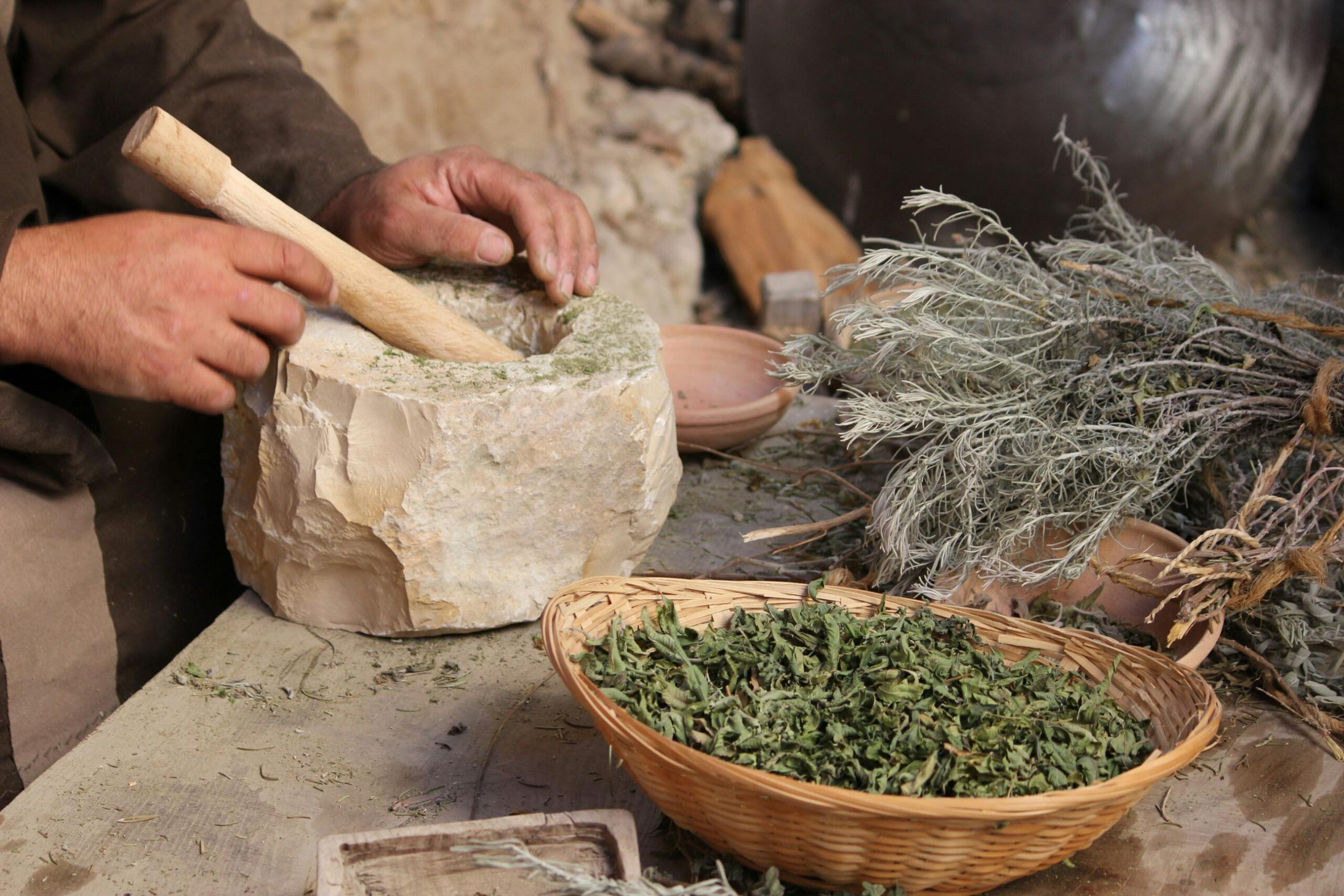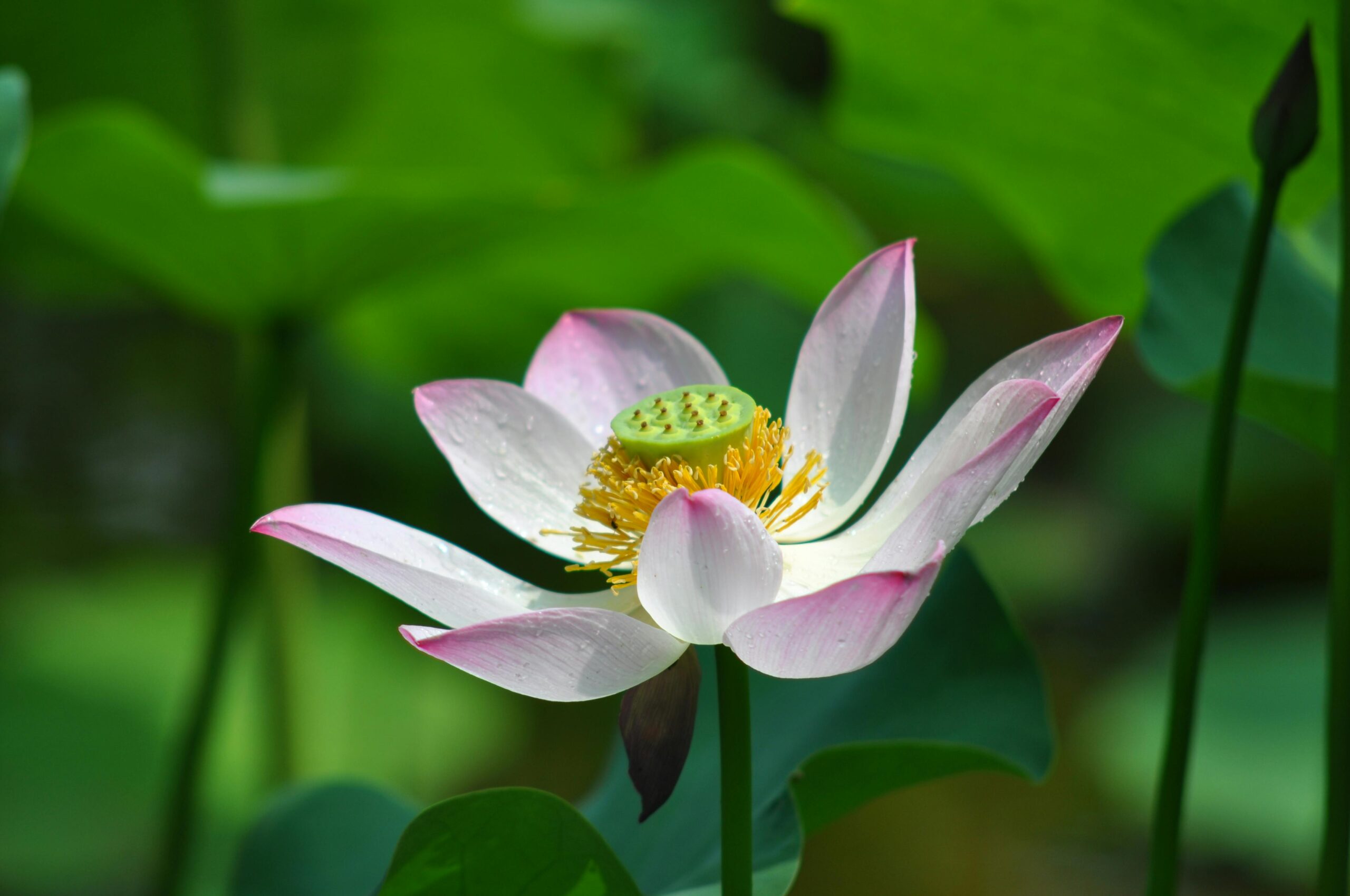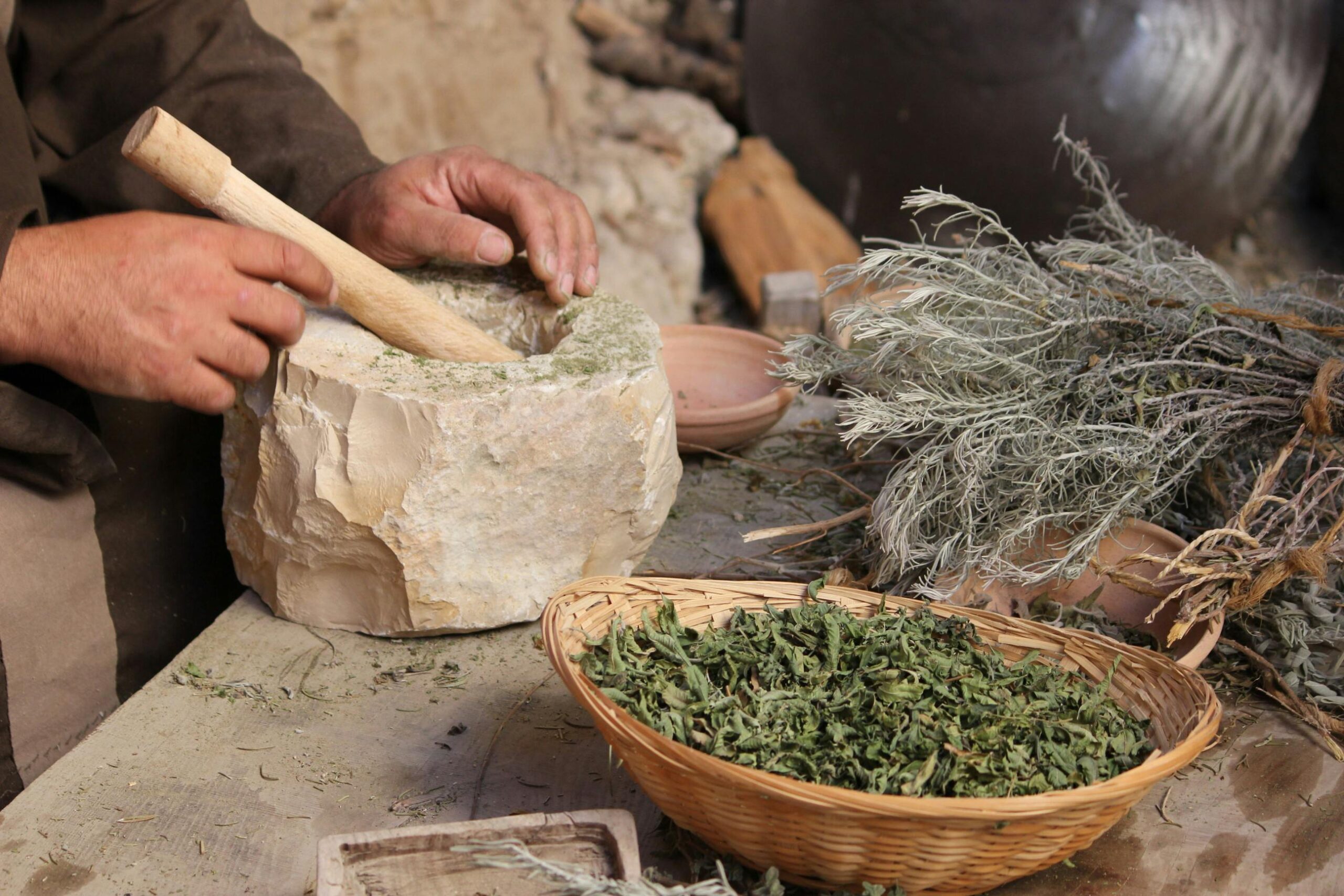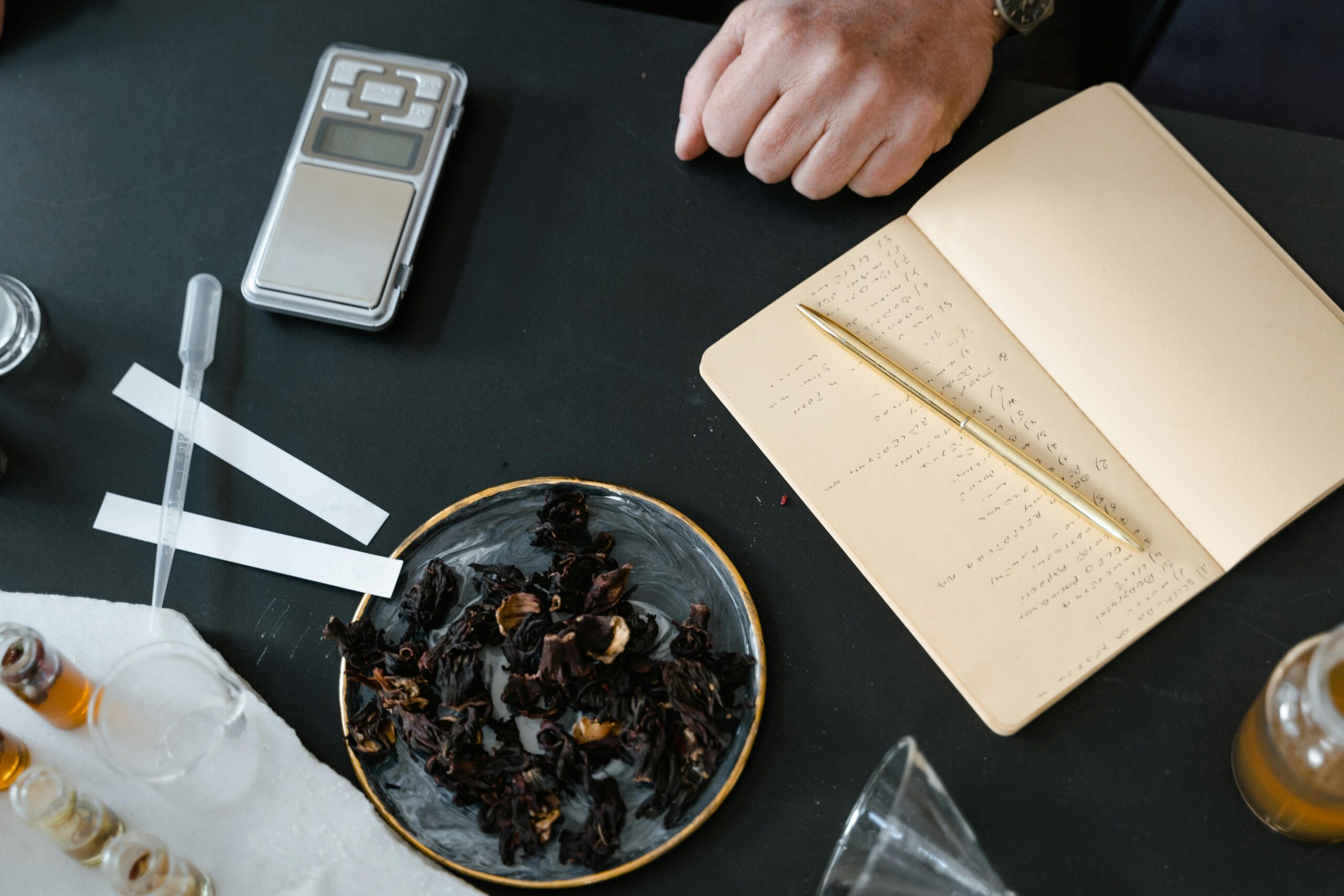
Ancient botanical wisdom meets modern technology, creating unprecedented opportunities to transform how we approach natural healing in our fast-paced digital age. 🌿

For thousands of years, humanity has relied on the healing properties of plants to treat ailments, restore balance, and promote wellness. From Traditional Chinese Medicine to Ayurveda, indigenous practices to European herbalism, botanical therapies have formed the foundation of healthcare across cultures and continents. Today, we stand at a fascinating crossroads where these time-honored traditions converge with cutting-edge digital innovation, opening new pathways for discovery, learning, and application of plant-based healing methods.
The resurgence of interest in natural medicine isn’t merely a trend—it’s a profound shift in consciousness. People are increasingly seeking alternatives to synthetic pharmaceuticals, looking for gentler approaches that work with the body’s innate healing mechanisms rather than against them. Simultaneously, technological advancements have made botanical knowledge more accessible than ever before, democratizing information that was once guarded by specialized practitioners or hidden in dusty volumes of herbal manuscripts.
The Digital Renaissance of Herbal Wisdom 🌺
The marriage between ancient botanical knowledge and modern digital tools represents nothing short of a renaissance in natural healing. Mobile applications, online databases, artificial intelligence, and augmented reality are revolutionizing how we identify, learn about, and utilize medicinal plants. This technological transformation doesn’t diminish the sacred nature of plant medicine—rather, it amplifies its reach and effectiveness.
Digital herbalism tools now allow users to identify plants through simple photograph uploads, access comprehensive databases of traditional uses and modern scientific research, track their own healing journeys, and connect with communities of fellow botanical enthusiasts worldwide. These innovations bridge the gap between ancestral wisdom and contemporary lifestyles, making it easier for busy individuals to incorporate plant-based healing into their daily routines.
Plant Identification Apps: Your Digital Herbarium
One of the most significant breakthroughs in botanical therapy accessibility comes from plant identification technology. Advanced image recognition algorithms can now identify thousands of plant species with remarkable accuracy, providing instant access to information about medicinal properties, traditional uses, preparation methods, and safety considerations.
These digital tools serve as portable field guides, enabling foragers, herbalists, and curious beginners to explore their natural surroundings with confidence. Applications like PlantNet, PictureThis, and Seek by iNaturalist have transformed smartphones into sophisticated botanical identification devices, reducing the learning curve for those interested in wildcrafting and herbal medicine.
The implications extend beyond mere identification. These applications often include extensive databases documenting ethnobotanical uses, chemical constituents, potential contraindications, and preparation techniques. Users can build personal collections, note locations where specific plants grow, and contribute to citizen science projects that map biodiversity and document traditional ecological knowledge.
Augmented Reality: Bringing Plant Medicine to Life 🔬
Augmented reality technology is pushing the boundaries of botanical education even further. Imagine pointing your device at a chamomile plant and seeing a three-dimensional overlay displaying its anatomical structure, active compounds, historical uses across different cultures, and step-by-step instructions for preparing a therapeutic tea. This immersive learning experience makes complex botanical information intuitive and memorable.
Educational institutions and herbal medicine schools are beginning to incorporate AR technology into their curricula, allowing students to virtually dissect plants, observe cellular structures, and witness the extraction processes of essential oils and tinctures without requiring expensive laboratory equipment or risking endangered plant populations.
Virtual Herbal Gardens and Digital Learning Platforms
The pandemic accelerated the development of comprehensive digital learning platforms dedicated to botanical therapies. Online courses, webinars, and virtual apprenticeships now provide access to master herbalists, indigenous plant knowledge holders, and scientific researchers from anywhere in the world. These platforms often combine video instruction, interactive quizzes, community forums, and digital libraries of historical texts and contemporary research.
Virtual herbal gardens allow users to explore medicinal plant collections from renowned institutions without geographical limitations. The Chelsea Physic Garden in London, the Royal Botanic Gardens at Kew, and numerous university herbaria have digitized their collections, offering high-resolution images, historical context, and detailed information about cultivation and medicinal applications.
Personalized Botanical Protocols Through AI 🤖
Artificial intelligence is transforming how we create personalized healing protocols using botanical therapies. Advanced algorithms can analyze individual health profiles, constitutional types, symptom patterns, and lifestyle factors to recommend customized herbal formulations. This technology mimics the diagnostic approach of traditional practitioners while incorporating vast databases of clinical research and traditional wisdom.
These AI-powered platforms don’t replace qualified practitioners but serve as valuable tools for education and preliminary exploration. They can suggest potential botanical allies, warn about contraindications based on existing medications or conditions, and track outcomes over time to refine recommendations. The ability to process millions of data points—from traditional formulas to contemporary clinical trials—gives these systems remarkable sophistication in matching plants to people.
Tracking Your Healing Journey
Digital journaling applications specifically designed for botanical therapy users allow detailed tracking of herbal protocols, symptom changes, energy levels, and overall wellness markers. These tools help users identify patterns, assess effectiveness, and maintain consistent practices. Many include reminder functions for taking herbs at optimal times, lunar cycle tracking for harvesting and preparation, and integration with wearable health devices to correlate botanical interventions with measurable physiological changes.
The data collected through these applications contributes to a growing body of real-world evidence about botanical therapy effectiveness. When anonymized and aggregated, this information provides valuable insights that complement formal clinical research, revealing patterns and applications that might otherwise remain hidden in individual experience.
Connecting Communities: The Social Dimension of Digital Herbalism 🌍
Perhaps one of the most powerful aspects of digital tools for botanical therapies is their ability to connect scattered communities of practitioners, enthusiasts, and knowledge holders. Social platforms dedicated to herbalism facilitate knowledge exchange across cultures, generations, and geographical boundaries. Indigenous elders can share traditional ecological knowledge with urban millennials; clinical herbalists can dialogue with wildcrafters; home gardeners can learn from ethnobotanists.
These digital communities serve multiple functions:
- Knowledge preservation: documenting disappearing traditional practices and rare plant knowledge
- Skill development: sharing techniques for cultivation, harvesting, and preparation
- Safety information: alerting members to misidentifications, contaminated sources, or dangerous interactions
- Resource sharing: connecting people with ethical suppliers, quality seeds, and educational opportunities
- Advocacy: organizing around conservation issues, sustainable harvesting practices, and access to plant medicine
Virtual Consultation Platforms
Telemedicine principles have been adapted for botanical therapy consultations, allowing qualified herbalists to serve clients remotely. These platforms typically include secure messaging, video consultations, digital intake forms, and electronic prescription systems for herbal formulations. While in-person assessment remains valuable for certain diagnostic techniques like pulse reading or tongue diagnosis, virtual consultations dramatically expand access to qualified practitioners, particularly for those in rural areas or regions without established herbal medicine infrastructure.
Ensuring Quality and Safety in the Digital Age ⚖️
With increased accessibility comes heightened responsibility for accuracy, safety, and ethical practice. The democratization of botanical knowledge through digital tools requires robust systems for verification, quality control, and harm reduction. Reputable applications and platforms incorporate multiple safeguards:
| Safety Feature | Implementation | Benefit |
|---|---|---|
| Expert verification | Content reviewed by certified herbalists and botanists | Ensures accuracy of identification and therapeutic information |
| Contraindication warnings | Automated alerts for drug interactions and health conditions | Reduces risk of adverse reactions |
| Source transparency | Citations to traditional sources and scientific research | Allows users to verify information independently |
| Community reporting | User feedback mechanisms for errors or concerns | Continuous improvement of databases |
| Professional disclaimers | Clear guidance on when to seek professional help | Prevents inappropriate self-treatment of serious conditions |
Users must develop digital literacy specific to botanical information, learning to distinguish between evidence-based resources and unreliable sources. Critical evaluation skills become essential when navigating the vast landscape of online herbal information, where ancestral wisdom, scientific research, commercial interests, and misinformation coexist.
Preserving Indigenous Knowledge Through Digital Archives 📚
Indigenous communities worldwide hold irreplaceable botanical knowledge accumulated through millennia of intimate relationship with their local ecosystems. Digital archiving projects are working with these communities to document and preserve this wisdom, always with appropriate permissions, cultural sensitivity, and benefit-sharing agreements.
These initiatives recognize that indigenous peoples are not merely sources of information to be extracted, but rights holders and partners in knowledge preservation. Digital platforms can serve indigenous communities by creating resources in native languages, supporting intergenerational transmission of knowledge, providing economic opportunities through ethical consultancy arrangements, and documenting intellectual property rights to prevent biopiracy.
Ethical Considerations in Digital Herbalism
The intersection of technology and traditional knowledge raises important ethical questions. Who owns botanical knowledge once it’s digitized? How do we prevent cultural appropriation while making healing information accessible? How can we ensure that commercialization benefits rather than exploits source communities? These questions require ongoing dialogue, clear ethical frameworks, and commitment to justice and reciprocity in knowledge sharing.
The Future Landscape of Digital Botanical Therapies 🚀
Emerging technologies promise even more sophisticated integration of botanical wisdom and digital innovation. Blockchain technology could create transparent supply chains for medicinal herbs, ensuring authenticity, sustainability, and fair compensation for growers and wildcrafters. Virtual reality might allow immersive experiences of ethnobotanical practices, enabling users to virtually participate in traditional ceremonies and preparation methods. Advanced biosensors could provide real-time feedback on how specific herbs affect individual physiology, creating unprecedented personalization of botanical protocols.
Machine learning algorithms analyzing vast datasets of traditional formulas, clinical outcomes, and phytochemical properties may reveal previously unknown therapeutic applications or synergistic combinations. These discoveries could bridge traditional and modern medicine, providing mechanistic explanations for ancestral wisdom and identifying new directions for research and application.
Practical Steps to Begin Your Digital Botanical Journey 🌱
For those inspired to explore the convergence of botanical therapies and digital tools, beginning can feel overwhelming given the abundance of resources available. Start with clear intentions about what you hope to learn or achieve. Are you interested in identifying wild edibles and medicinals in your local area? Do you want to create a home apothecary? Are you seeking alternatives for specific health concerns?
Begin with one or two reputable applications or platforms rather than trying to master everything simultaneously. Invest time in learning proper plant identification skills, as accurate identification is foundational to safe practice. Connect with local herbalists, botanical gardens, or plant walks to complement digital learning with embodied, experiential knowledge. Remember that technology serves as a tool to enhance—not replace—direct relationship with plants and qualified human guidance.
Document your journey through digital journals, noting what you learn, what you try, and how plants affect you personally. This personal database becomes increasingly valuable over time, revealing your unique constitution and responses. Share knowledge generously within communities while respecting boundaries around sacred or proprietary information. Approach both ancient wisdom and modern technology with humility, curiosity, and gratitude.
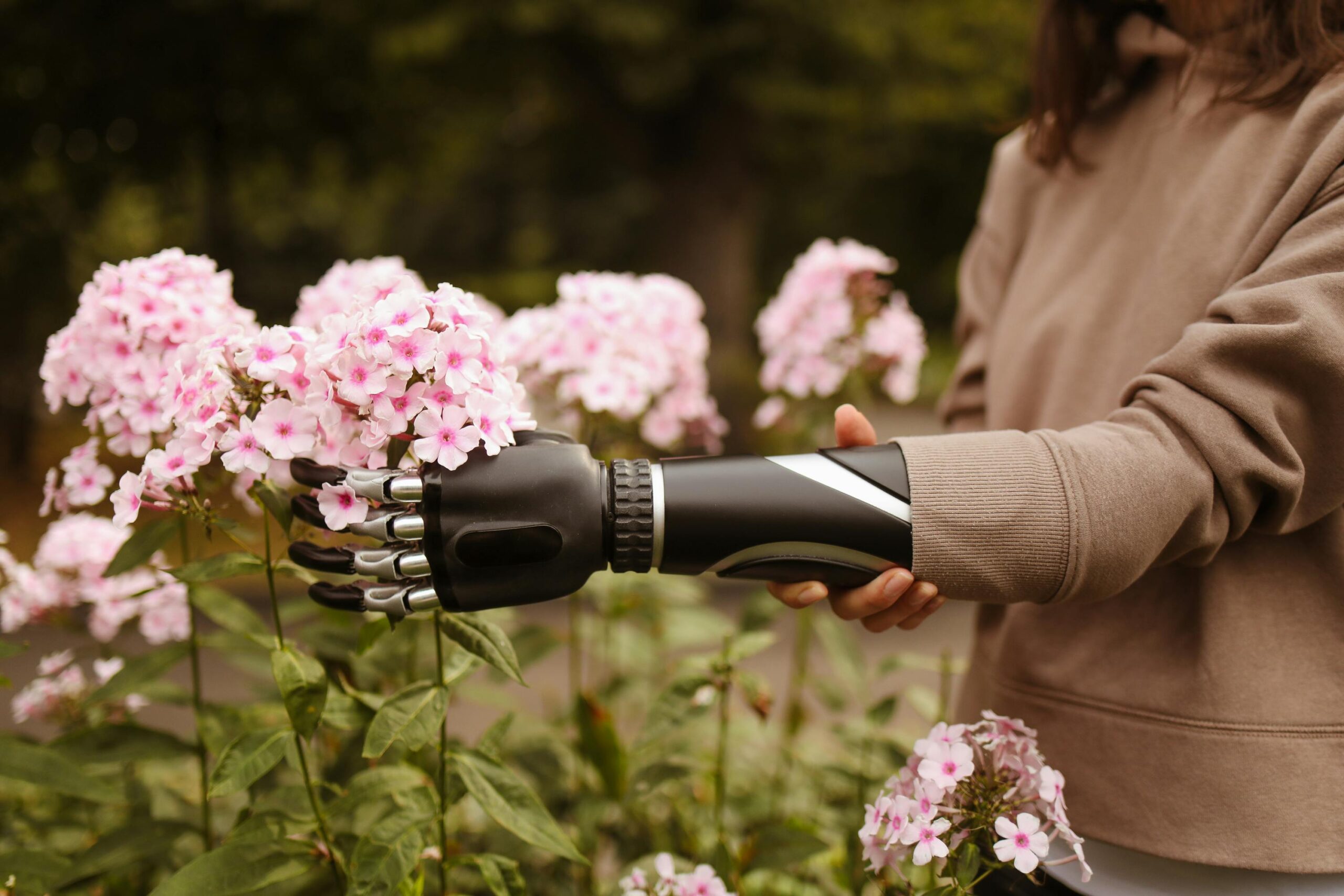
Bridging Past and Future in Plant Medicine 🌉
The revival of botanical therapies through digital tools represents far more than nostalgic return to the past or uncritical embrace of technological progress. It embodies a mature integration that honors ancestral wisdom while leveraging contemporary innovations to address modern challenges. This synthesis acknowledges that traditional knowledge and scientific method are not opposites but complementary ways of understanding the natural world and our place within it.
As environmental destruction threatens countless medicinal plant species and traditional knowledge systems, digital preservation and dissemination become acts of cultural and ecological conservation. Simultaneously, as people worldwide seek more sustainable, holistic approaches to health, botanical therapies informed by both tradition and technology offer powerful alternatives to unsustainable industrial medicine.
The power unleashed by combining digital tools with botanical wisdom ultimately serves a timeless purpose: helping people live in greater harmony with themselves, their communities, and the living Earth that sustains us all. Whether through an app that helps identify healing plants on a forest walk or a virtual community that connects isolated practitioners across continents, these tools facilitate the ancient human practice of learning from plants and allowing their wisdom to guide our healing.
The digital revolution in botanical therapies invites us to become both students and stewards—learning eagerly from the vast repository of plant knowledge while taking responsibility for how we gather, share, and apply this wisdom. As we navigate this exciting frontier, may we proceed with reverence for the plants themselves, respect for the cultures that have preserved botanical knowledge, and commitment to making these healing gifts accessible to all who seek them.