Ancient botanical therapies hold timeless wisdom that modern science is only beginning to fully understand and validate through rigorous research.

For thousands of years, civilizations across the globe have turned to plants, herbs, and natural remedies to heal the body, calm the mind, and restore balance to the spirit. From Traditional Chinese Medicine to Ayurveda, from Indigenous American practices to African herbal traditions, botanical therapies have been the foundation of healthcare long before pharmaceutical companies existed. Today, as we face increasing rates of chronic illness, stress, and disconnection from nature, many people are rediscovering these ancient healing practices and integrating them into modern lifestyles.
The beauty of traditional botanical therapies lies not only in their effectiveness but also in their holistic approach. Rather than simply treating symptoms, these practices address the root causes of imbalance, considering the whole person—body, mind, and spirit. This article will guide you through the most powerful ancient botanical therapies and provide practical ways to incorporate them into your daily routine, regardless of how busy or modern your lifestyle may be.
🌿 Understanding the Foundation of Ancient Botanical Medicine
Before diving into specific practices, it’s essential to understand the philosophical foundation that underlies traditional healing systems. Unlike modern Western medicine, which often focuses on isolated compounds and specific symptoms, ancient botanical therapies view health as a state of dynamic balance. Illness is understood as a disruption of this balance, influenced by lifestyle, environment, emotions, and spiritual well-being.
Traditional healing systems recognize that plants contain complex combinations of compounds that work synergistically—a concept modern science now confirms through research on phytochemicals, flavonoids, and other bioactive substances. When we extract single compounds from plants, we often lose the beneficial interactions that make whole-plant medicine so effective.
Another core principle is prevention. Ancient practitioners emphasized daily practices and dietary habits that maintain health rather than waiting for disease to develop. This preventive approach aligns perfectly with contemporary wellness movements and offers practical tools we can all use.
The Most Powerful Ancient Botanical Traditions Worth Exploring
Several major healing traditions have contributed to our understanding of botanical medicine, each offering unique insights and practices that remain relevant today.
Traditional Chinese Medicine and Herbal Formulas 🍃
Traditional Chinese Medicine (TCM) has used botanical therapies for over 3,000 years. TCM views health through the lens of qi (vital energy), yin and yang balance, and the five elements. Herbal formulas are carefully crafted combinations of multiple plants, each serving specific functions—some address the root cause, others manage symptoms, and still others harmonize the formula and protect digestion.
Common TCM botanicals that have gained global recognition include ginseng for energy and immune support, goji berries for longevity and eye health, and astragalus for immune strengthening. The practice of using warming herbs in winter and cooling herbs in summer reflects TCM’s emphasis on living in harmony with natural cycles.
Ayurveda: India’s Ancient Science of Life
Ayurveda, which translates to “science of life,” is India’s 5,000-year-old healing system. It categorizes individuals into three doshas—Vata, Pitta, and Kapha—each representing different combinations of elements and requiring different botanical approaches. Ayurvedic practitioners use herbs, spices, and plant-based oils both internally and externally.
Turmeric, ashwagandha, holy basil (tulsi), and triphala are among Ayurveda’s most celebrated botanicals. These herbs don’t just address physical symptoms; they’re considered rasayanas—rejuvenating substances that promote longevity, mental clarity, and spiritual awareness.
Indigenous American Plant Medicine
Native American healing traditions vary across tribes but share common principles of respect for plant spirits, sustainable harvesting, and the interconnection of all living things. Echinacea for immune support, white sage for cleansing, and sweetgrass for prayer are just a few examples of botanicals that originated in these traditions.
These practices emphasize ceremony and intention, recognizing that healing involves more than biochemistry—it includes our relationship with plants, gratitude, and spiritual connection.
Creating Your Morning Botanical Ritual ☀️
One of the easiest ways to incorporate ancient botanical therapies is through a consistent morning routine. This sets a healing tone for your entire day and provides cumulative benefits over time.
Start with tongue scraping, an Ayurvedic practice that removes toxins accumulated overnight and stimulates digestive organs. Follow this with oil pulling—swishing coconut or sesame oil in your mouth for 5-10 minutes to promote oral health and detoxification.
Next, prepare a medicinal morning beverage. Rather than jumping straight to coffee, consider golden milk (turmeric latte), tulsi tea, or a cup of hot water with lemon and ginger. These gentle stimulants provide energy without the crash while supporting immunity and digestion.
If you practice meditation or breathwork, incorporate calming botanicals like frankincense or sandalwood through essential oils or incense. The olfactory system connects directly to the limbic brain, making aromatic plants powerful tools for emotional regulation and mental clarity.
Adaptogenic Herbs: Your Modern Stress Solution from Ancient Wisdom
Perhaps no category of botanical medicine has gained more attention in recent years than adaptogens. These special plants help the body adapt to stress, whether physical, chemical, or biological. The term was coined in the 1940s, but the herbs themselves have been used for centuries in various traditions.
Ashwagandha, known as “Indian ginseng,” helps regulate cortisol levels and supports the nervous system during periods of stress. Research shows it can improve sleep quality, reduce anxiety, and enhance cognitive function. A typical dose is 300-500mg of standardized extract taken once or twice daily.
Rhodiola rosea, used in Siberian and Scandinavian folk medicine, enhances mental performance, reduces fatigue, and improves mood. It’s particularly helpful for people experiencing burnout or mental fog.
Holy basil (tulsi) is revered in Ayurveda as “the incomparable one.” It modulates the stress response while providing antioxidant protection and supporting respiratory health. Drinking tulsi tea daily is a simple, effective practice.
Reishi mushroom, while technically a fungus, functions as an adaptogen in Traditional Chinese Medicine. It supports immune function, promotes restful sleep, and has been called “the mushroom of immortality” for its longevity-promoting properties.
Digestive Health: The Root of Wellness in Traditional Medicine 🌱
Every major healing tradition emphasizes digestive health as foundational to overall wellness. Modern science now confirms this wisdom through research on the gut microbiome, the gut-brain axis, and the immune system’s connection to digestive function.
Incorporate bitter herbs before meals to stimulate digestive enzyme production. Dandelion root, gentian, and artichoke leaf are traditional digestive bitters. You can take them as tea, tincture, or capsules about 15 minutes before eating.
Ginger is perhaps the most universally used digestive botanical. It relieves nausea, reduces inflammation, and promotes healthy gut motility. Fresh ginger tea, crystallized ginger, or ginger capsules all provide benefits.
Peppermint soothes digestive discomfort, particularly bloating and gas. It also helps with symptoms of irritable bowel syndrome. Enjoy it as tea after meals or use enteric-coated peppermint oil capsules for targeted intestinal relief.
Triphala, an Ayurvedic formula combining three fruits, gently supports regular elimination while nourishing the digestive tract. Unlike harsh laxatives, it works with your body’s natural rhythms and can be used long-term.
Botanical Sleep Support: Ancient Remedies for Modern Insomnia 🌙
Sleep disturbances plague modern society, but traditional healing systems offer gentle, effective botanical solutions that support natural sleep cycles rather than forcing sedation.
Valerian root has been used since ancient Greek and Roman times for its calming properties. It increases GABA in the brain, promoting relaxation and sleep. Take it 30-60 minutes before bed, though be aware that about 10% of people experience the opposite effect.
Passionflower, used in both European and Native American traditions, reduces anxiety and quiets racing thoughts. It’s particularly helpful for people whose sleep problems stem from mental restlessness.
California poppy, despite its name, isn’t narcotic like its opium poppy cousin. It gently promotes sleep while also relieving pain that might interfere with rest. Native American tribes used it for both insomnia and anxiety.
Create an evening ritual that signals your body it’s time to wind down. Prepare a cup of sleep-supportive tea with chamomile, lemon balm, and lavender. The simple act of this nightly ceremony, combined with the botanicals themselves, creates powerful associations that support better sleep.
Topical Applications: Healing the Body from the Outside In
Ancient healing traditions recognized that botanical medicine doesn’t only work internally. Topical applications of plant medicines offer direct benefits for skin health, pain relief, and localized healing.
Ayurvedic self-massage (abhyanga) with herbal oils is a profound daily practice. Sesame oil infused with herbs like ashwagandha or brahmi nourishes the skin, calms the nervous system, and supports lymphatic drainage. Perform this massage before showering, allowing the oil to penetrate for 10-15 minutes.
Arnica, used traditionally in European herbal medicine, reduces bruising, inflammation, and muscle soreness. Apply arnica gel or cream to affected areas, but never on broken skin.
Calendula flowers create a gentle, healing oil or salve perfect for minor cuts, burns, rashes, and dry skin. This Mediterranean herb has been used since ancient Egyptian times for its wound-healing properties.
Comfrey, known as “knitbone,” accelerates healing of sprains, strains, and even bone injuries when applied topically. Its high allantoin content promotes cell proliferation and tissue repair.
Creating Your Home Apothecary: Practical Steps to Begin 🏺
Building a home collection of botanical medicines doesn’t require extensive training or a huge investment. Start with these practical steps to create your own healing sanctuary.
Begin with 5-10 versatile herbs that address your most common health concerns. Quality matters more than quantity—source organic herbs from reputable suppliers who test for purity and potency.
- Chamomile flowers for relaxation and digestive comfort
- Ginger root for digestion and inflammation
- Turmeric for anti-inflammatory support
- Peppermint for digestive issues and mental clarity
- Echinacea for immune support
- Lavender for stress relief and sleep
- Holy basil for adaptogenic stress support
- Nettle leaf for nutritive support and allergies
- Elderberry for immune health
- Lemon balm for calming nervous tension
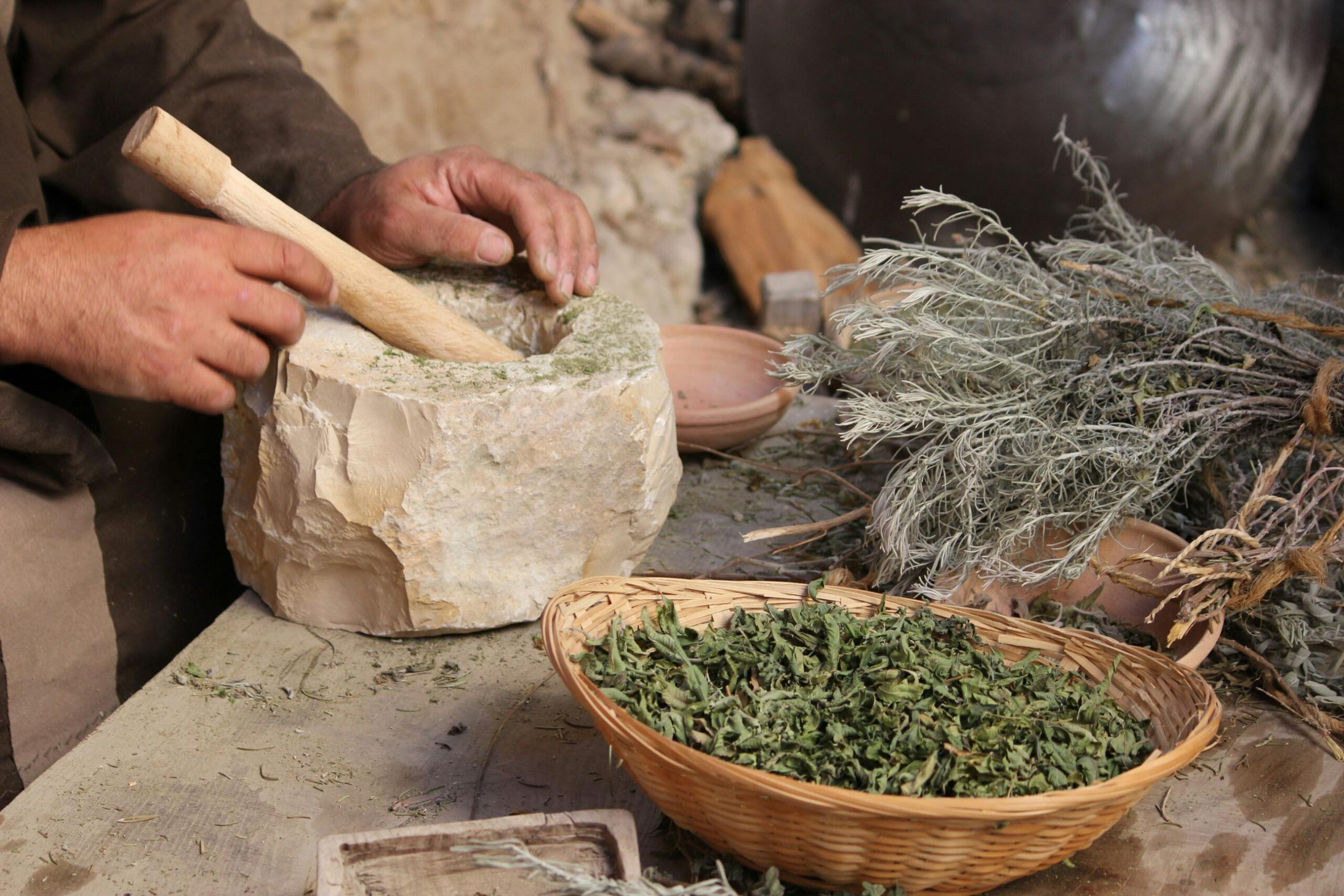
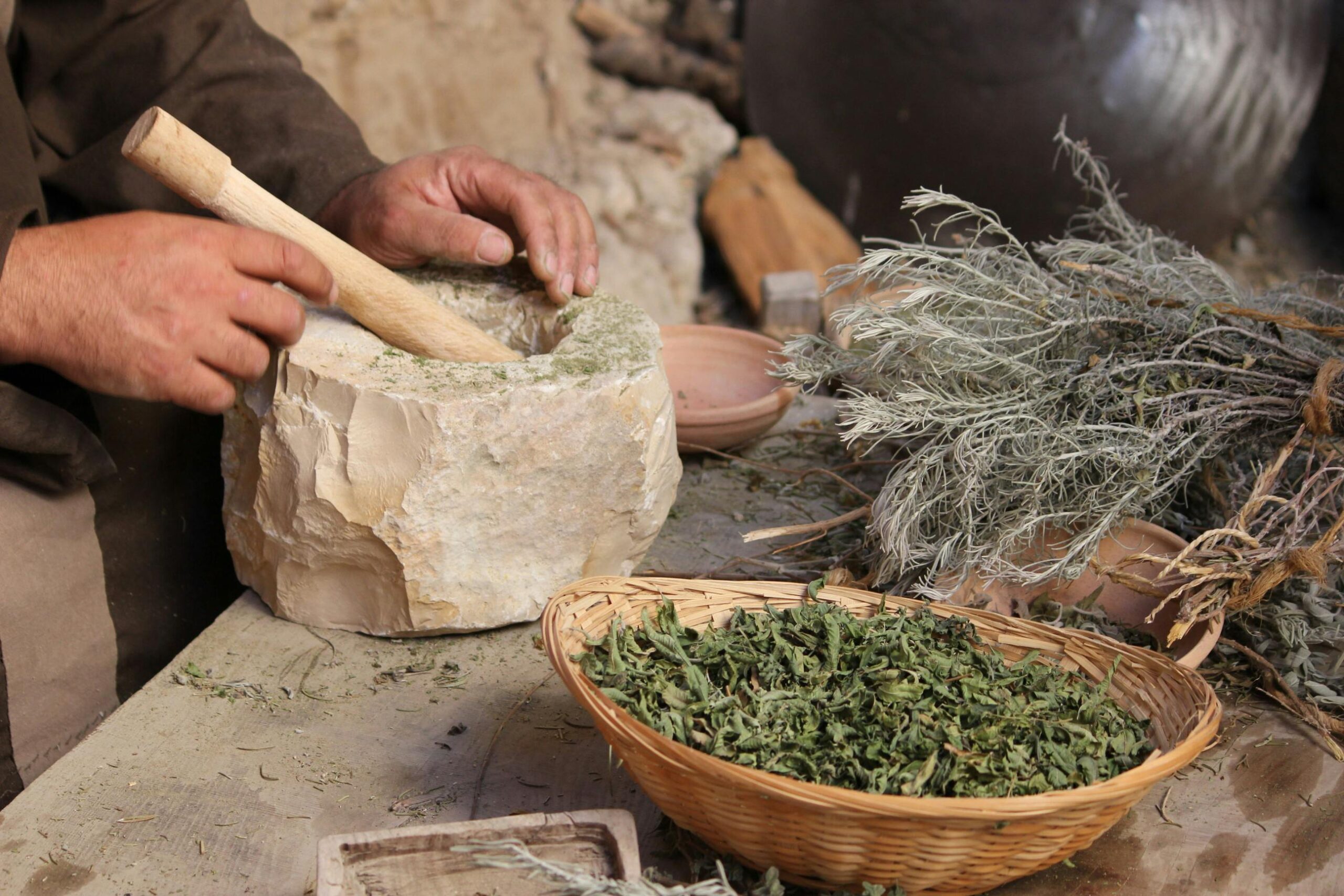
Learn basic preparation methods. Teas (infusions and decoctions) are the simplest approach. Infusions work for delicate parts like flowers and leaves—pour boiling water over the herb and steep for 10-15 minutes. Decoctions are for roots and bark—simmer in water for 20-30 minutes.
Tinctures are alcohol extracts that preserve herbs and make them easy to dose. You can make your own or purchase from herbalists. They’re convenient for travel and have a long shelf life.
Store herbs properly in airtight containers away from light, heat, and moisture. Label everything with the herb name, source, and date. Most dried herbs retain potency for about a year.
Seasonal Living: Aligning Your Botanical Practice with Nature’s Rhythms 🍂
Traditional healing systems emphasize living in harmony with seasonal changes, adjusting both diet and botanical practices as nature shifts. This approach prevents illness and maintains balance throughout the year.
Spring is nature’s cleansing season. Use gentle detoxifying herbs like dandelion, nettle, and cleavers to support the body’s natural elimination processes. These herbs support liver function and help clear winter stagnation.
Summer brings heat and activity. Cooling botanicals like mint, rose, and hibiscus prevent overheating and inflammation. Stay hydrated with herbal infusions and use lighter preparations.
Autumn transitions us toward rest. Adaptogenic herbs help manage increased stress as schedules intensify. Immune-supporting herbs like astragalus, reishi, and elderberry prepare the body for cold and flu season.
Winter calls for warming, nourishing botanicals. Ginger, cinnamon, and chai spices support circulation and warmth. Deeper rest is appropriate—use sleep-supporting herbs more liberally and honor your body’s need for restoration.
Safety Considerations and When to Seek Professional Guidance ⚠️
While botanical medicines are generally safer than pharmaceutical drugs, they’re not without potential risks, interactions, and contraindications. Responsible use requires education and sometimes professional guidance.
Pregnant and nursing women should consult with qualified practitioners before using most herbs, as some can affect hormones or uterine function. Children require different dosing and age-appropriate herbs.
If you take prescription medications, research potential interactions. St. John’s Wort, for example, interacts with numerous drugs. Herbs that affect blood clotting should be discontinued before surgery.
Start with small doses to assess your individual response. Some people have sensitivities or allergies to specific plants. Quality matters tremendously—contaminated or adulterated herbs can cause serious problems.
Work with qualified herbalists, naturopathic doctors, or practitioners of traditional medicine systems when addressing serious or chronic health conditions. These professionals can create personalized protocols and monitor your progress.
Deepening Your Connection: The Spiritual Dimension of Plant Medicine 🙏
Many traditional healing systems view plants as allies and teachers, not merely resources to exploit. Developing a respectful, reciprocal relationship with botanical medicine enhances both its effectiveness and your overall well-being.
Before harvesting or even purchasing herbs, offer gratitude. Recognize that a living being is offering itself for your healing. This simple practice shifts your relationship with plants from transactional to relational.
If possible, grow some of your own medicinal herbs. Even a small container garden with mint, lavender, and chamomile connects you directly to the plant’s life cycle. You’ll develop intuitive knowledge that no book can provide.
Spend time in nature regularly, observing wild plants in their natural habitats. This practice, sometimes called “sit spotting,” attunes you to plant intelligence and seasonal rhythms.
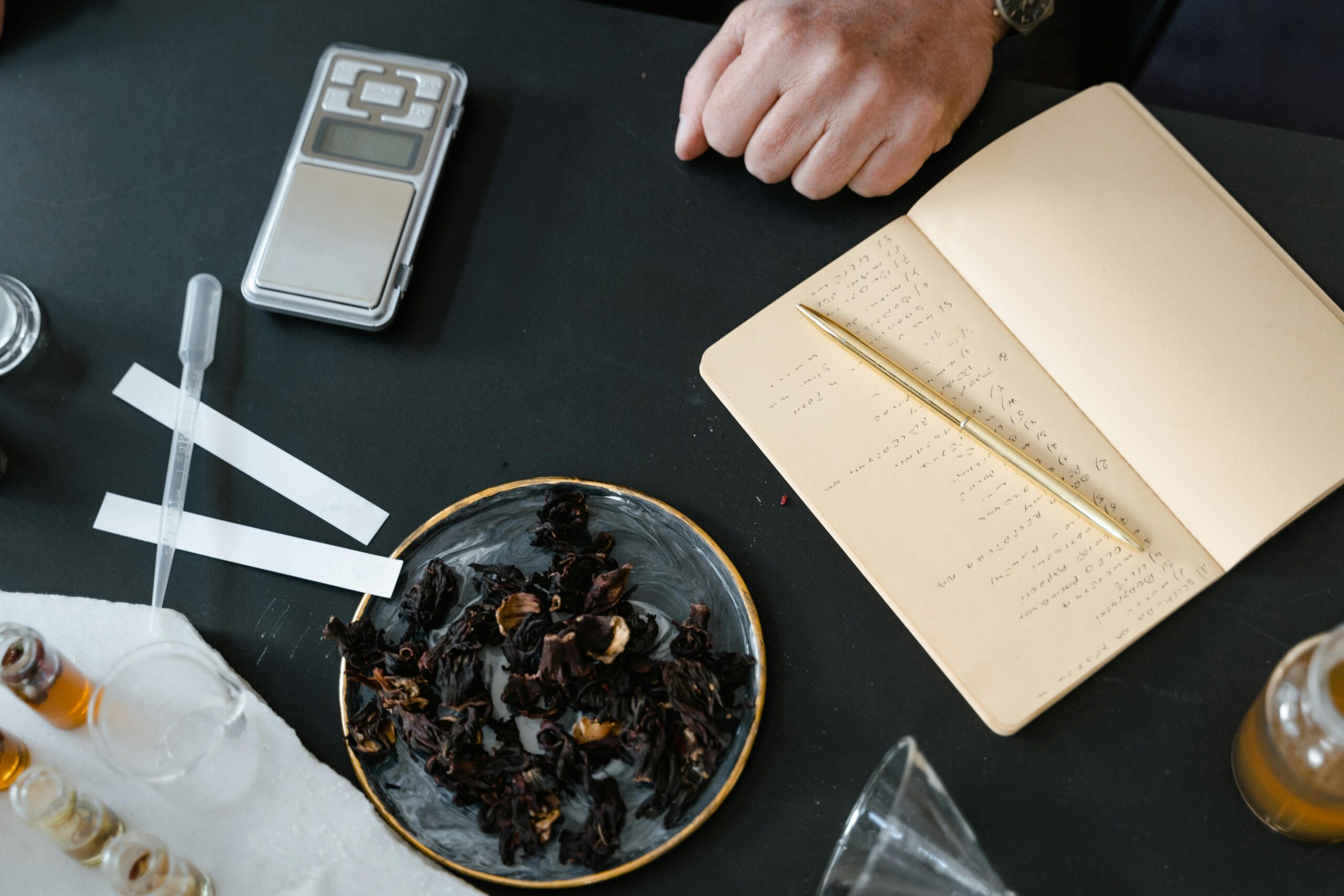
Consider keeping a botanical journal where you record your experiences with different herbs—how they make you feel, what conditions they help, and any insights that arise. Over time, this becomes a personalized guide to your unique constitution and needs.
Integrating Ancient Wisdom into Your Modern Life 💚
The true power of ancient botanical therapies emerges not from occasional use but from consistent integration into daily life. These practices work cumulatively, gently guiding your body toward greater balance and resilience.
Start small rather than overhauling your entire routine overnight. Choose one or two practices that resonate with you and commit to them for at least a month. Once they become habitual, add additional elements gradually.
Remember that traditional healing emphasizes the totality of lifestyle—diet, sleep, movement, stress management, and connection all contribute to health. Botanical medicines work most effectively within this holistic context.
Be patient with yourself and the process. Unlike pharmaceutical drugs that often work immediately by suppressing symptoms, botanical therapies typically work more gradually, supporting your body’s innate healing capacity rather than overriding it.
As you deepen your practice, you’ll likely notice subtle shifts—improved energy, better stress resilience, more regular digestion, sounder sleep. These changes reflect genuine healing rather than temporary symptom suppression.
The ancient wisdom of botanical medicine offers us a pathway back to balance in our increasingly disconnected world. By honoring these time-tested practices and adapting them to modern life, we reclaim agency over our health and reconnect with the natural world that sustains us. Your journey with plant medicine is uniquely yours—may it bring healing, wisdom, and renewed vitality to every aspect of your life.