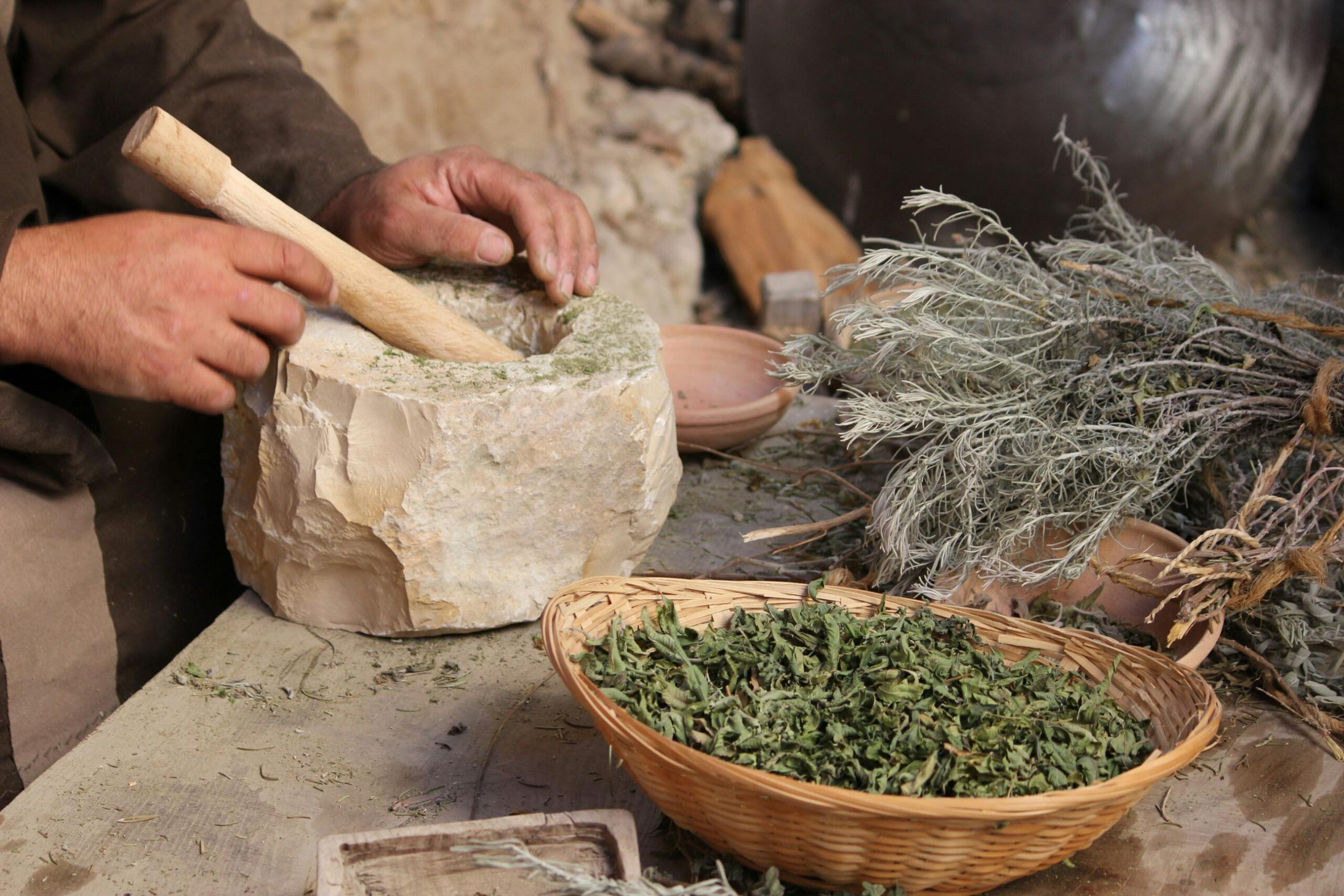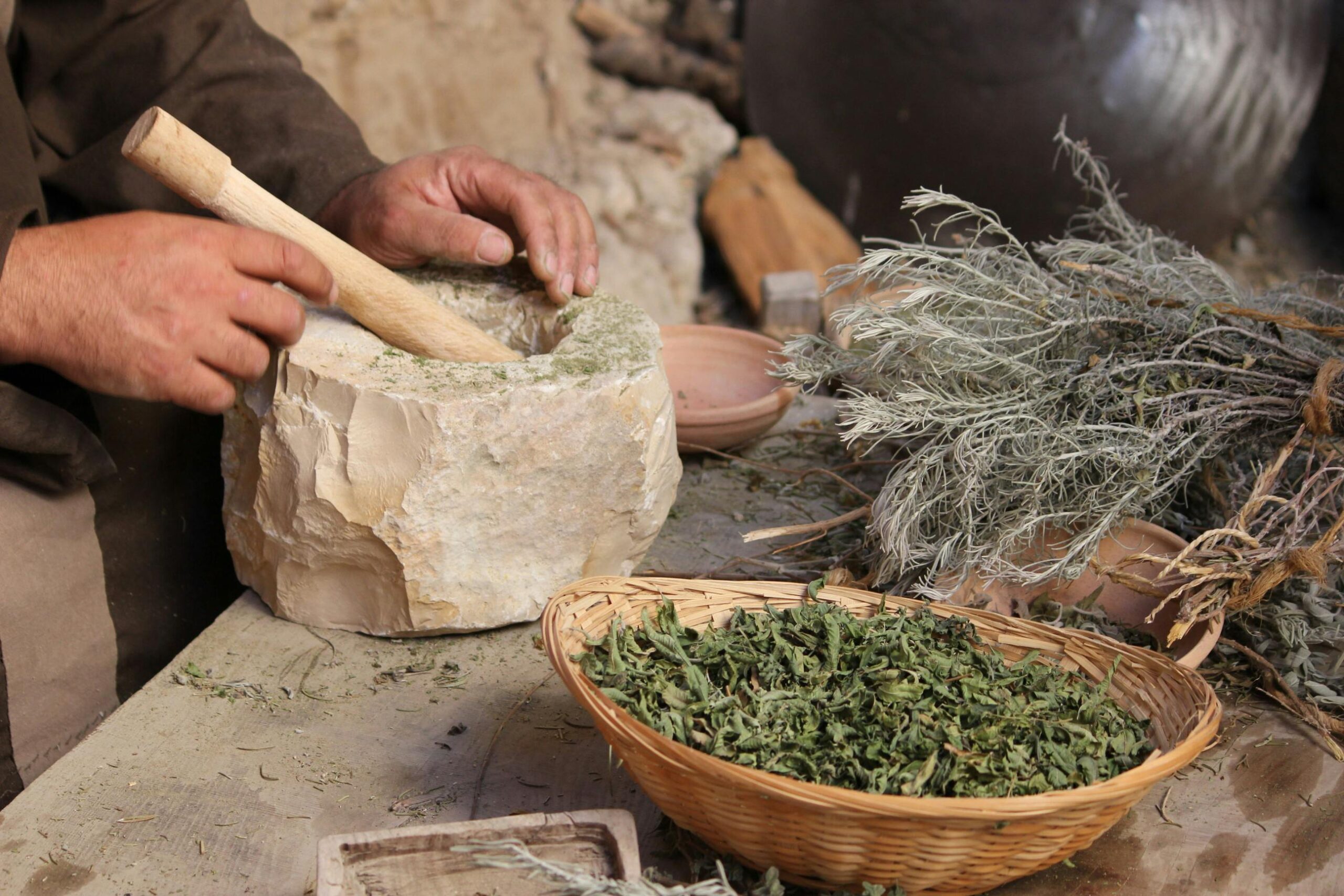
Ancient botanical therapies are experiencing a remarkable renaissance in modern healthcare, offering time-tested solutions that complement contemporary medical practices through natural, plant-based interventions.

🌿 The Evolution of Measuring Botanical Therapy Success
For millennia, healers and herbalists relied on observation and patient feedback to gauge the effectiveness of botanical treatments. Today, we stand at the intersection of ancient wisdom and modern analytics, where traditional plant medicine meets sophisticated measurement systems. Understanding how to track and optimize these healing modalities requires a comprehensive framework that honors both ancestral knowledge and scientific rigor.
The challenge lies not in dismissing traditional methods but in translating their effectiveness into quantifiable metrics that can guide practitioners, researchers, and patients toward optimal outcomes. This integration demands a nuanced approach that respects the holistic nature of botanical medicine while applying structured evaluation methods.
Understanding Key Performance Indicators in Botanical Healing
Key Performance Indicators (KPIs) in botanical therapy differ significantly from conventional pharmaceutical metrics. While pharmaceutical interventions often focus on isolated compounds targeting specific symptoms, botanical therapies work synergistically, addressing multiple body systems simultaneously. This complexity requires a multi-dimensional measurement approach.
The primary indicators for botanical therapy effectiveness include symptom reduction velocity, bioavailability markers, patient-reported outcome measures, and long-term wellness sustainability. Each of these dimensions provides crucial insights into how plant-based treatments interact with individual physiology and contribute to overall health optimization.
Symptom Resolution Tracking 📊
One of the most immediate indicators of botanical therapy effectiveness is the rate at which symptoms diminish. Unlike synthetic medications that may provide rapid but temporary relief, botanical interventions typically demonstrate a gradual yet sustainable improvement pattern. Tracking this progression requires consistent monitoring over extended periods, typically spanning four to twelve weeks for most chronic conditions.
Practitioners should establish baseline measurements before treatment initiation, documenting symptom severity, frequency, and impact on daily functioning. Regular assessments at predetermined intervals create a data trail that reveals treatment patterns and helps identify which botanical formulations deliver optimal results for specific conditions.
Biomarker Analysis and Botanical Interventions
Modern laboratory testing provides unprecedented insight into how botanical compounds influence physiological processes at the cellular level. Inflammation markers such as C-reactive protein, cytokine profiles, and oxidative stress indicators offer objective data about botanical therapy effectiveness beyond subjective symptom reports.
Blood glucose regulation, lipid panels, liver function tests, and hormone levels serve as valuable biomarkers when evaluating botanical interventions for metabolic conditions. These quantifiable measurements create accountability and allow practitioners to adjust formulations based on concrete physiological responses rather than relying solely on patient perception.
The Absorption and Utilization Factor
Bioavailability represents a critical yet often overlooked aspect of botanical therapy success. Even the most potent plant compounds provide minimal benefit if the body cannot effectively absorb and utilize them. Factors influencing bioavailability include preparation methods, delivery systems, timing of administration, and individual digestive capacity.
Measuring bioavailability may involve tracking specific plant compound levels in blood or urine samples. For instance, curcumin levels from turmeric, resveratrol from Japanese knotweed, or catechins from green tea can be quantified to determine whether therapeutic concentrations are being achieved. This information enables practitioners to optimize dosing protocols and delivery methods for maximum effectiveness.
Patient-Centered Outcome Measures 💚
While laboratory values provide objective data, patient experience remains the ultimate measure of botanical therapy success. Quality of life assessments, energy level tracking, sleep quality metrics, and emotional wellbeing indicators offer essential insights into how botanical interventions affect daily living.
Structured questionnaires administered at regular intervals capture these subjective but vital dimensions of healing. Tools such as visual analog scales for pain assessment, validated depression and anxiety inventories, and functional capacity evaluations create standardized methods for tracking patient-reported outcomes across diverse botanical therapy applications.
The Sustainability Principle
A distinguishing characteristic of effective botanical therapy is its ability to create lasting improvements rather than temporary symptom suppression. This sustainability factor serves as a crucial KPI that separates truly transformative interventions from those providing only short-term relief.
Measuring sustainability involves tracking health markers and symptom patterns for months or even years after treatment initiation. The ideal botanical therapy creates progressive improvement that continues even after treatment concludes or shifts to maintenance protocols. This pattern indicates genuine healing rather than dependency-creating symptom management.
Comparative Effectiveness Research in Botanical Medicine
Understanding how botanical therapies perform relative to conventional treatments provides valuable context for practitioners and patients making informed healthcare decisions. Comparative effectiveness research examines outcomes, side effect profiles, cost considerations, and long-term health impacts across different therapeutic approaches.
This research reveals that botanical interventions often demonstrate superior safety profiles with fewer adverse effects compared to pharmaceutical alternatives, though they may require longer timeframes to achieve comparable symptom relief. This trade-off between speed and safety represents a key consideration when establishing treatment expectations and measuring success.
Cost-Effectiveness Analysis 💰
Economic factors influence healthcare decisions for both individuals and systems. Cost-effectiveness analysis evaluates the financial investment required for botanical therapies relative to health outcomes achieved. This calculation includes direct costs such as botanical preparations and practitioner consultations, plus indirect factors like reduced need for expensive interventions or decreased work absence.
Research consistently demonstrates that botanical therapies often deliver superior cost-effectiveness for chronic conditions requiring long-term management. The lower cost of plant medicines combined with minimal side effects that might require additional treatment creates favorable economic profiles for many botanical interventions.
Safety Monitoring and Adverse Event Tracking
While botanical medicines generally demonstrate excellent safety profiles, comprehensive monitoring remains essential for optimal outcomes. Adverse event tracking serves as both a safety mechanism and a quality indicator, revealing potential herb-drug interactions, individual sensitivities, or inappropriate dosing protocols.
Practitioners should establish clear protocols for patients to report any unexpected symptoms, changes in existing conditions, or concerns about treatment responses. This feedback loop enables rapid adjustment of botanical protocols and contributes to the growing body of safety data surrounding plant medicine applications.
Interaction Monitoring Systems
As many individuals combine botanical therapies with conventional medications, interaction monitoring becomes increasingly important. Certain botanical compounds influence drug metabolism through cytochrome P450 enzyme systems, potentially altering pharmaceutical effectiveness or increasing side effect risk.
Comprehensive intake assessments documenting all medications, supplements, and botanical preparations enable practitioners to identify potential interactions before they manifest clinically. Regular reviews of this information, particularly when treatments change, serve as essential safety measures within botanical therapy protocols.
Optimizing Treatment Protocols Through Data Analysis 📈
The true power of KPIs emerges when data informs treatment optimization. By systematically tracking multiple indicators across patient populations, practitioners identify patterns revealing which botanical approaches deliver superior results for specific conditions, constitutional types, or demographic groups.
This data-driven approach transforms botanical medicine from an art based solely on tradition into a sophisticated healing system that honors ancestral wisdom while embracing modern analytical tools. The integration creates more predictable outcomes and accelerates the identification of optimal treatment strategies.
Personalization Through Pattern Recognition
Individual responses to botanical therapies vary considerably based on genetic factors, microbiome composition, lifestyle variables, and existing health conditions. Tracking comprehensive data sets enables practitioners to recognize patterns associated with optimal responses, allowing increasingly personalized treatment recommendations.
For example, analysis might reveal that individuals with specific inflammatory markers respond better to certain botanical combinations, or that particular preparation methods enhance effectiveness for digestive conditions. These insights enable precision botanical medicine that honors biochemical individuality.
Technology Integration for Enhanced Tracking
Digital health technologies offer unprecedented opportunities for comprehensive botanical therapy monitoring. Smartphone applications enable real-time symptom tracking, medication reminders, and progress visualization that empowers patients while providing practitioners with detailed treatment response data.
Wearable devices measuring sleep quality, heart rate variability, activity levels, and other physiological parameters create objective datasets complementing subjective reports. This technology integration bridges the gap between traditional botanical healing and modern evidence-based medicine.
Creating Actionable Dashboards
The volume of data generated through comprehensive tracking can overwhelm both practitioners and patients. Well-designed dashboards transform raw data into actionable insights through visualization tools that highlight trends, flag concerning patterns, and celebrate progress toward health goals.
These visual representations make complex information accessible, facilitating informed conversations between practitioners and patients about treatment effectiveness and necessary adjustments. The transparency created through shared data access strengthens therapeutic relationships and promotes collaborative decision-making.
Long-Term Health Trajectory Monitoring 🌱
Perhaps the most significant indicator of botanical therapy success extends beyond symptom resolution to encompass overall health trajectory. This broader perspective examines whether botanical interventions promote genuine vitality enhancement, resilience building, and disease prevention rather than merely addressing existing complaints.
Tracking this dimension requires longitudinal data collection spanning years rather than weeks or months. Indicators include reduced frequency of acute illness, maintenance of healthy physiological parameters, sustained energy and cognitive function, and subjective sense of wellbeing and life satisfaction.
Prevention Metrics and Early Intervention
One of botanical medicine’s greatest strengths lies in its preventive applications. Tracking markers associated with chronic disease development enables early intervention before conditions manifest clinically. This proactive approach shifts healthcare focus from disease management to health optimization.
Prevention-focused KPIs might include maintaining optimal inflammatory markers, supporting healthy methylation processes, preserving mitochondrial function, and sustaining balanced hormonal profiles. Regular monitoring of these indicators enables botanical interventions to address imbalances before they progress to diagnosable conditions.
Building Evidence Through Systematic Documentation
The future of botanical medicine depends on rigorous documentation that builds credibility within mainstream healthcare systems. Each practitioner who systematically tracks treatment outcomes contributes to the growing evidence base supporting plant medicine efficacy and safety.
This collective documentation effort gradually overcomes the historical lack of research funding for botanical therapies that cannot be patented. Real-world evidence from clinical practice complements formal research studies, creating a comprehensive picture of botanical medicine’s role in contemporary healthcare.

Integrating Ancient Wisdom with Modern Measurement ✨
The most effective approach to botanical therapy KPIs honors the holistic philosophy underlying traditional plant medicine while embracing analytical rigor. This integration acknowledges that healing encompasses physical, emotional, mental, and spiritual dimensions that cannot be captured through laboratory values alone.
Comprehensive measurement frameworks include both objective biomarkers and subjective quality of life assessments, recognizing that genuine healing transforms the whole person rather than merely correcting isolated physiological abnormalities. This balanced perspective creates space for botanical medicine’s multidimensional effects to be appropriately evaluated and appreciated.
As we continue developing sophisticated tools for measuring botanical therapy effectiveness, we must remain grounded in the fundamental wisdom that guided our ancestors: healing is a collaborative process between plant allies, skilled practitioners, and the innate intelligence of the human body. Our modern KPIs serve not to replace this relationship but to enhance our understanding of how to optimize these ancient partnerships for contemporary health challenges.
The botanical therapy revolution currently underway represents not a departure from modern medicine but an expansion of our healing toolkit. By applying rigorous measurement standards to time-tested plant medicines, we create bridges between traditional knowledge and evidence-based practice. This integration ultimately serves patients seeking safe, effective, and sustainable approaches to optimal health and vitality.