Throughout millennia, humanity has turned to plants for healing, crafting an intricate tapestry of botanical knowledge that continues to influence modern medicine today.

🌿 The Dawn of Plant-Based Healing
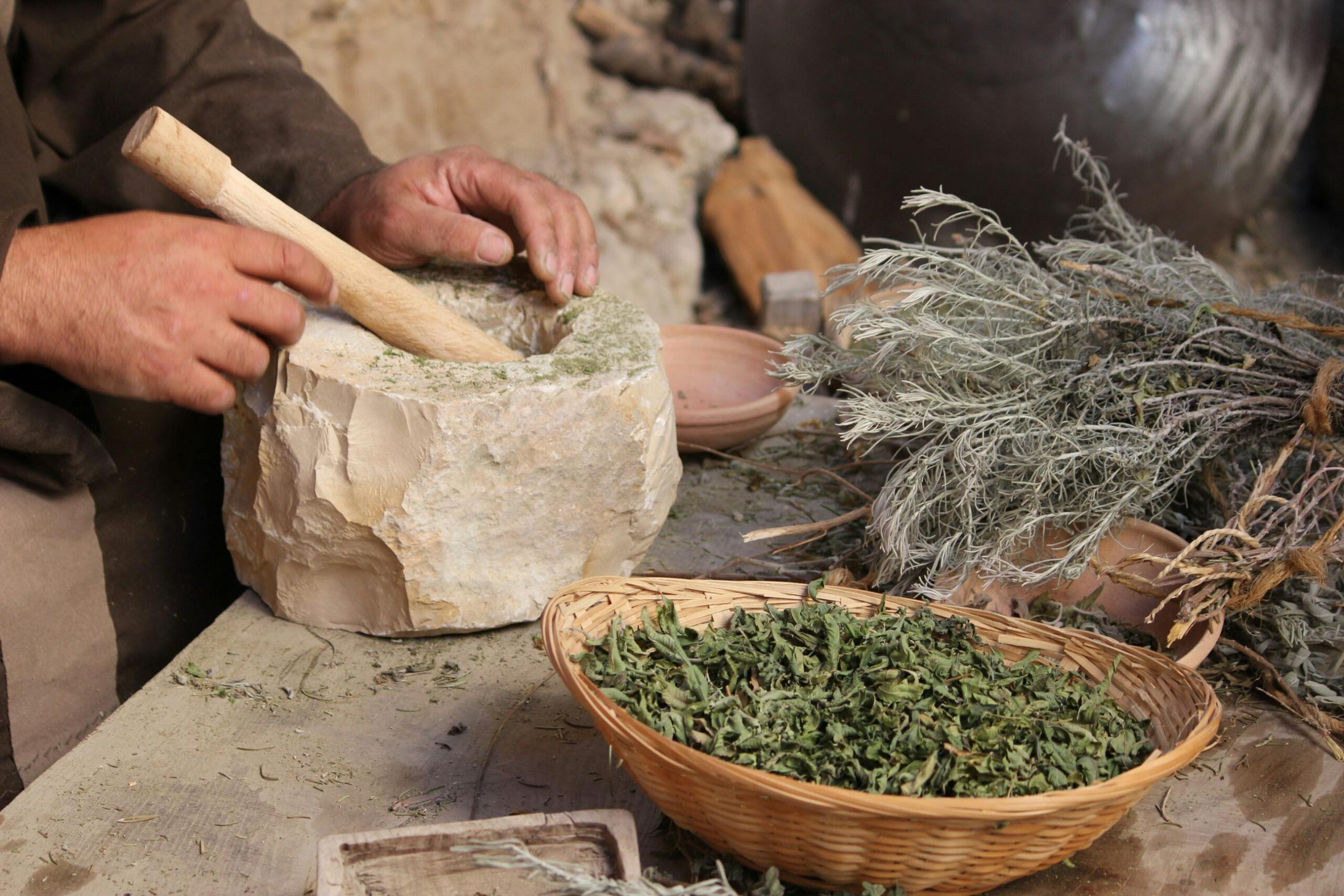
The relationship between humans and medicinal plants stretches back to the very origins of our species. Archaeological evidence suggests that even Neanderthals understood the therapeutic properties of certain plants, with fossilized dental plaque revealing traces of yarrow and chamomile—both plants with negligible nutritional value but significant medicinal properties. This discovery fundamentally challenged our understanding of ancient healing practices, proving that botanical medicine wasn’t merely accidental but intentional and sophisticated.
Early humans learned through observation, experimentation, and perhaps unfortunate trial and error which plants could soothe pain, reduce fever, or heal wounds. This accumulated wisdom became the foundation of every medical tradition across the globe, from Traditional Chinese Medicine to Ayurveda, from Indigenous American practices to African healing systems.
The Shanidar Cave in Iraq provided remarkable evidence of this ancient pharmaceutical knowledge. Dating back approximately 60,000 years, the site contained remains surrounded by pollen from eight different plant species, seven of which are still used medicinally today. This wasn’t random—it represented deliberate selection based on therapeutic understanding passed through generations.
Ancient Mesopotamia: The First Written Prescriptions
The Sumerians of ancient Mesopotamia created what many scholars consider the oldest recorded pharmacopeia around 3000 BCE. These clay tablets, inscribed in cuneiform script, documented over 250 plants used for medicinal purposes, including thyme, mustard, and caraway. The texts didn’t merely list plants; they provided detailed preparation instructions, dosages, and specific ailments each remedy addressed.
One particularly fascinating aspect of Mesopotamian botanical medicine was its integration with spiritual practices. Healers believed that illness resulted from both physical and supernatural causes, so treatments combined herbal remedies with incantations and rituals. This holistic approach recognized what modern medicine is only now rediscovering—that healing involves more than just physical intervention.
The famous Code of Hammurabi, while primarily a legal document, also contained regulations governing medical practice, including the use of botanical remedies. This legal framework demonstrates how seriously ancient societies took their healing traditions, establishing standards of care and accountability for practitioners.
Egyptian Botanical Mastery: Gardens of the Gods
Ancient Egyptian civilization elevated botanical medicine to an art form. The Ebers Papyrus, dating to approximately 1550 BCE, remains one of the most comprehensive medical documents from antiquity. This remarkable 110-page scroll catalogs over 700 magical formulas and remedies using more than 800 substances, predominantly plant-based.
Egyptian physicians prescribed garlic for circulatory issues and general health—a practice validated by modern research showing garlic’s cardiovascular benefits. They used aloe vera for skin conditions and burns, willow bark (containing salicylic acid, the precursor to aspirin) for pain relief, and frankincense for inflammation. The sophistication of their pharmaceutical knowledge astounds contemporary researchers.
Temple gardens served as living pharmacies where priests cultivated medicinal plants. These sacred spaces weren’t merely functional—they represented the connection between the divine, nature, and healing. The Egyptians understood that plant cultivation required knowledge of seasons, soil conditions, and proper harvesting techniques to maximize therapeutic properties.
Traditional Chinese Medicine: The Philosophy of Balance 🏮
Chinese botanical medicine developed along distinctly different philosophical lines than Western traditions. Rather than viewing illness as something to attack and eliminate, Traditional Chinese Medicine (TCM) conceptualized disease as imbalance requiring restoration of harmony between opposing forces—yin and yang, hot and cold, excess and deficiency.
The Shennong Ben Cao Jing (Divine Farmer’s Materia Medica), compiled around 200 CE but based on much older oral traditions, classified 365 medicines—most of them botanical. This foundational text organized herbs into three categories:
- Superior herbs: non-toxic substances for long-term health maintenance
- Middle herbs: substances with some toxicity, used for specific conditions
- Inferior herbs: toxic substances used carefully for serious illnesses
This classification system demonstrated remarkable pharmaceutical insight, recognizing that dosage and application determine whether a substance heals or harms. TCM practitioners didn’t typically prescribe single herbs but created complex formulas containing multiple plants working synergistically—a concept modern pharmacology calls “polypharmacy” and increasingly validates.
Ginseng, astragalus, ginger, and licorice root became cornerstone remedies in the Chinese pharmacopeia, each with specific energetic properties and therapeutic indications. The detailed observation required to develop this knowledge—noting subtle effects on energy, digestion, sleep, and emotion—represents thousands of years of systematic clinical experience.
Ayurvedic Wisdom: The Science of Life
Ayurveda, India’s ancient medical system, approaches botanical therapy through the lens of constitutional medicine. Developed over 5,000 years ago, Ayurveda recognizes that individuals have unique constitutions (doshas) requiring personalized treatment approaches. This individualized methodology contrasts sharply with one-size-fits-all approaches, anticipating modern precision medicine by millennia.
The Charaka Samhita and Sushruta Samhita, comprehensive medical texts compiled between 800 and 600 BCE, documented thousands of plant-based remedies. These texts didn’t simply list medicinal plants—they provided detailed descriptions of plant identification, optimal harvesting times, preparation methods, and therapeutic applications based on constitutional type.
Turmeric, ashwagandha, holy basil (tulsi), neem, and brahmi became foundational Ayurvedic botanicals, each with multiple therapeutic applications. Modern research has validated many traditional uses, discovering that turmeric’s active compound curcumin possesses powerful anti-inflammatory and antioxidant properties, while ashwagandha demonstrates significant adaptogenic effects, helping the body manage stress.
Ayurvedic practitioners understood the importance of digestive health thousands of years before modern medicine recognized the gut-brain connection. They developed sophisticated herbal formulations specifically targeting digestive function, recognizing it as foundational to overall health—a principle contemporary research increasingly supports.
Greek and Roman Contributions: Systematizing Botanical Knowledge 🏛️
The ancient Greeks transformed botanical medicine from empirical tradition into systematic science. Hippocrates, the “Father of Medicine,” cataloged approximately 400 herbal remedies in the 5th century BCE. His approach emphasized careful observation, detailed record-keeping, and rational analysis rather than supernatural explanations—principles that remain fundamental to scientific medicine.
Theophrastus, Aristotle’s successor, wrote “Historia Plantarum” (Enquiry into Plants), establishing botanical science as a discipline. His work classified plants systematically, described their growth patterns, and documented medicinal properties based on empirical observation rather than mythological attribution.
Dioscorides, a Greek physician serving in the Roman army during the 1st century CE, created “De Materia Medica,” arguably the most influential pharmaceutical text in Western history. This five-volume work described approximately 600 plants and 1,000 medicines, remaining the primary pharmacological reference in Europe and the Middle East for over 1,500 years.
Roman civilization expanded Greek botanical knowledge throughout their empire. They established medicinal plant gardens across conquered territories, standardizing cultivation practices and ensuring reliable supply of therapeutic herbs. Roman military camps included hospital gardens where medics grew plants for treating battle injuries—an early form of battlefield medicine.
Indigenous American Botanical Traditions
Long before European contact, Indigenous peoples across the Americas developed sophisticated botanical pharmacopeias adapted to their local ecosystems. These traditions demonstrate remarkable ecological knowledge and therapeutic innovation, with many remedies later adopted into mainstream medicine.
North American tribes used echinacea for infections and immune support, willow bark for pain and fever, and goldenseal as an antimicrobial—all substances whose efficacy modern research has confirmed. The Iroquois created detailed botanical classifications, recognizing over 300 medicinal plants and understanding their seasonal variations in potency.
South American Indigenous peoples contributed some of the world’s most significant medicines. Quinine, derived from cinchona bark and used to treat malaria, saved countless lives worldwide. Coca leaves, used traditionally for altitude sickness and energy, led to the development of local anesthetics. Curare, employed as arrow poison, became a crucial muscle relaxant in modern surgery.
The sophistication of Amazonian ethnobotany continues to amaze researchers. Indigenous shamans can identify hundreds of plants in dense rainforest environments, understanding not only individual plant properties but complex interactions when plants are combined. This represents encyclopedic knowledge passed through oral tradition across countless generations.
Medieval Monasteries: Preserving Ancient Wisdom 📚
During Europe’s medieval period, monasteries became repositories of botanical medical knowledge. Monastic gardens cultivated medicinal herbs, and monks meticulously copied and preserved ancient Greek and Roman texts that might otherwise have been lost. The famous plan of Saint Gall monastery in Switzerland, dating to 820 CE, included detailed layouts for both a physic garden (for medicinal plants) and an infirmary garden.
Hildegard of Bingen, a 12th-century Benedictine abbess, wrote “Physica,” documenting the medicinal properties of 230 plants along with detailed therapeutic applications. Her work combined classical knowledge with original observations, representing sophisticated clinical thinking far ahead of her time. Modern research has validated many of her recommendations, including the use of fennel for digestive issues and lavender for nervous system support.
The Crusades, despite their violence, facilitated significant knowledge transfer. European crusaders encountered Arabic medical texts preserving and expanding upon Greek botanical knowledge. This cross-cultural exchange reintroduced sophisticated pharmaceutical concepts to Western Europe, helping catalyze the medical renaissance.
The Doctrine of Signatures: Pattern Recognition in Nature 🔍
Medieval and Renaissance herbalists developed the “Doctrine of Signatures,” believing that plants’ physical appearance provided clues to their medicinal uses. While this theory lacked scientific validity, it represented an attempt to systematize botanical knowledge through pattern recognition.
According to this doctrine, walnuts (resembling the brain) treated head ailments, while plants with heart-shaped leaves addressed cardiac issues. Interestingly, some signature-based associations proved therapeutically valid—though through biochemical mechanisms rather than sympathetic magic. For instance, liverwort (liver-shaped leaves) does contain compounds supporting liver function, and bloodroot (red sap) does contain alkaloids affecting circulation.
This approach demonstrates how humans naturally seek patterns and meaning, sometimes stumbling upon genuine therapeutic relationships through intuitive rather than analytical reasoning. It reminds us that scientific understanding often builds upon pre-scientific observation, even when the explanatory framework proves incorrect.
From Ancient Remedies to Modern Pharmaceuticals
Contemporary pharmaceutical science owes an enormous debt to ancient botanical traditions. Approximately 25% of modern drugs derive directly from plants, while many others use plant compounds as templates for synthetic modifications. This represents thousands of years of human experimentation distilled into contemporary therapeutic agents.
Aspirin originated from willow bark, used for millennia across multiple cultures for pain and fever. Digoxin, crucial for heart failure treatment, comes from foxglove, a plant with documented medicinal use dating to ancient times. Morphine derives from opium poppy, used therapeutically (and problematically) since Sumerian civilization. Taxol, one of the most effective cancer treatments, comes from Pacific yew tree bark.
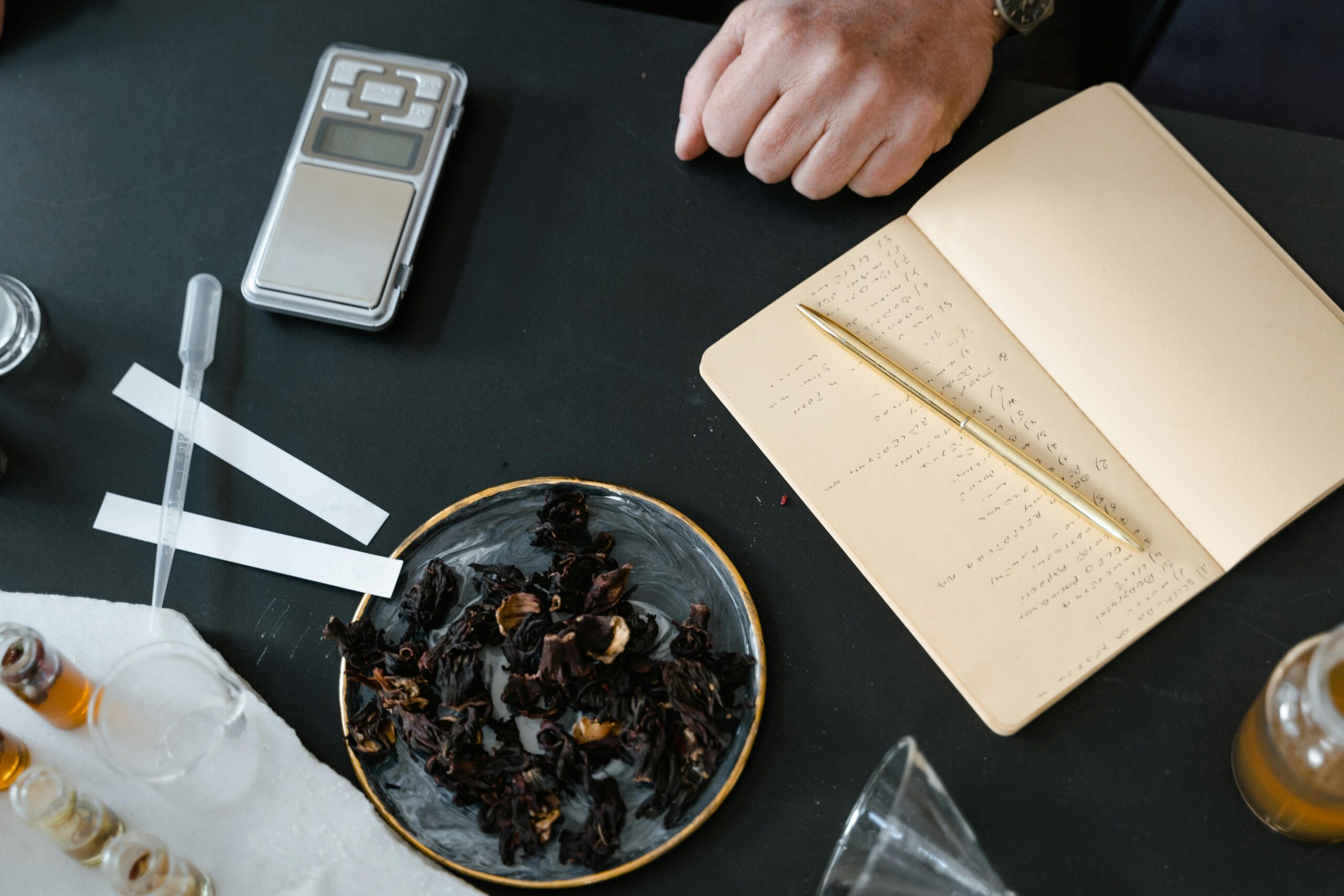
The development pathway from traditional botanical remedy to modern pharmaceutical typically follows this pattern: ethnobotanical documentation, isolation of active compounds, mechanism of action research, clinical trials, and finally drug approval. This process validates ancient wisdom through modern methodology, creating a bridge between traditional and scientific medicine.
However, pharmaceutical isolation of single compounds often eliminates beneficial synergies present in whole plant medicines. Modern research increasingly recognizes that complex plant preparations may offer advantages over isolated compounds, with multiple constituents working together to enhance effectiveness and reduce side effects—exactly what traditional herbalists always maintained.
Rediscovering Ancient Wisdom in the Modern Era 🌍
Contemporary medicine faces challenges that invite reconsideration of ancient botanical approaches. Antibiotic resistance, chronic disease epidemics, and the limitations of reductionist single-drug approaches have prompted renewed interest in traditional plant medicines and holistic healing philosophies.
The World Health Organization estimates that 80% of the global population relies primarily on traditional plant-based medicine—not from choice but from necessity and cultural continuity. This massive ongoing human experiment provides valuable data about safety, effectiveness, and appropriate applications of botanical therapies.
Integrative medicine approaches now combine conventional treatments with validated botanical therapies, recognizing that both traditions offer value. Research institutions worldwide investigate traditional medicines using modern scientific methodology, discovering novel compounds and validating ancient therapeutic claims.
The emerging field of network pharmacology examines how multiple plant compounds interact with multiple biological targets simultaneously—precisely how traditional botanical medicines function. This represents a philosophical shift from the “one drug, one target” model toward more systemic, holistic therapeutic approaches that ancient healers would recognize.
Preserving Ethnobotanical Knowledge Before It Disappears
Tragically, traditional botanical knowledge disappears rapidly as indigenous languages die, elders pass without transmitting oral traditions, and younger generations urbanize. Each lost tradition represents thousands of years of accumulated therapeutic wisdom that can never be recovered.
Ethnobotanists race against time to document traditional plant knowledge before it vanishes. These efforts involve respectful collaboration with indigenous communities, proper attribution and benefit-sharing, and recognition that this knowledge represents intellectual property deserving legal protection and economic compensation.
Digital databases now preserve traditional botanical knowledge, making it accessible to researchers while protecting indigenous rights. These repositories ensure that ancient wisdom informs future medical discoveries, maintaining the continuous thread connecting contemporary medicine to its botanical roots.
The Living Legacy of Ancient Botanical Healing
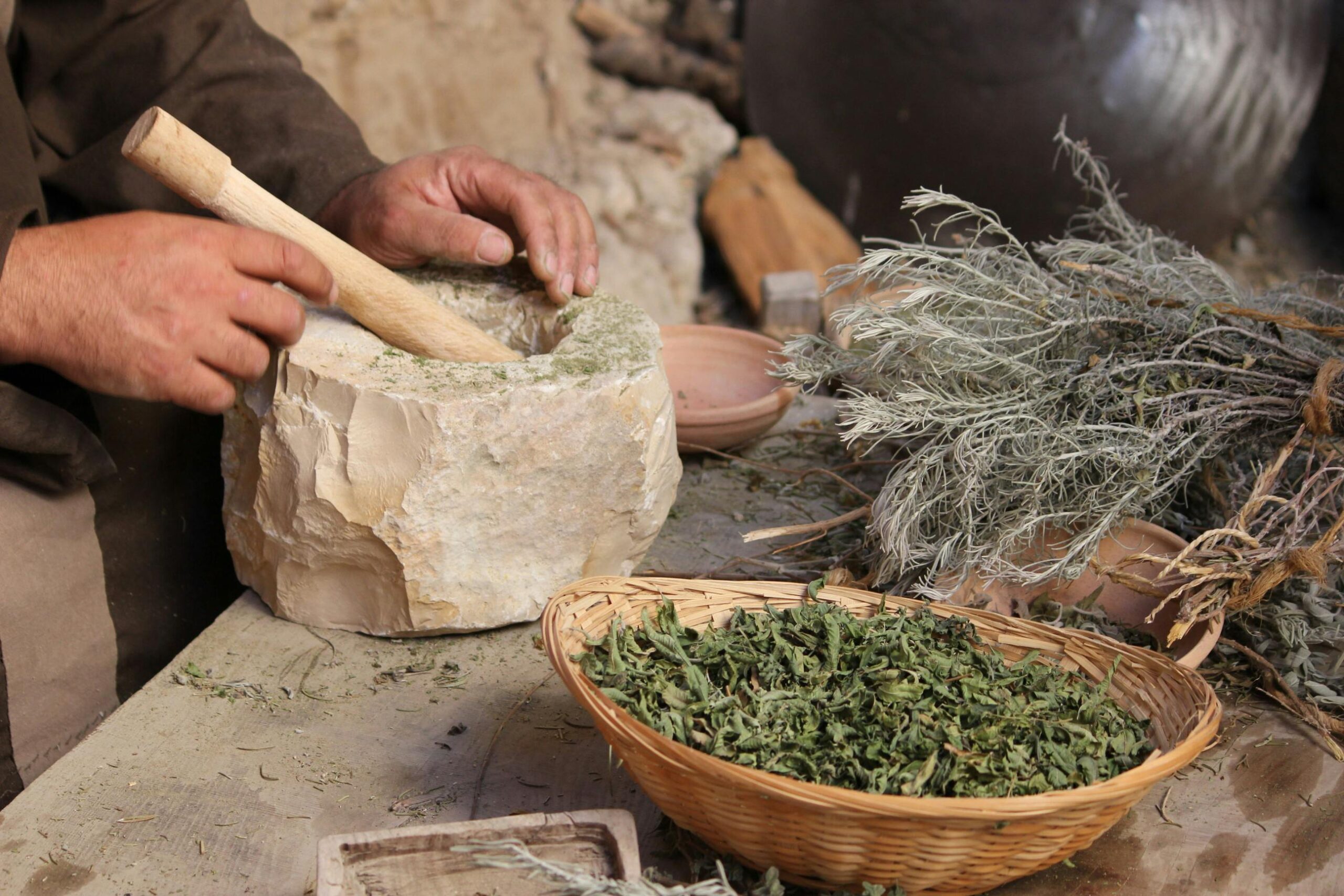
Ancient botanical therapies represent far more than historical curiosities—they constitute a living, evolving tradition connecting humanity across time and culture. The herbal tea you drink, the spices flavoring your food, the supplements in your cabinet, and potentially the medications prescribed by your doctor all trace lineage to ancient healers who observed, experimented, and passed their knowledge forward.
This botanical heritage reminds us that healing involves more than biochemistry—it encompasses relationship with the natural world, respect for accumulated wisdom, and recognition that wellness springs from harmony rather than warfare against disease. As modern medicine grapples with its limitations and unintended consequences, these ancient insights offer guidance for developing more sustainable, holistic, and effective approaches to health.
The evolution of botanical medicine from ancient empiricism to modern pharmacology demonstrates humanity’s persistent creativity in alleviating suffering. By honoring this history while advancing scientific understanding, we create medicine that integrates the best of ancient wisdom with contemporary innovation, rooted firmly in both tradition and evidence.