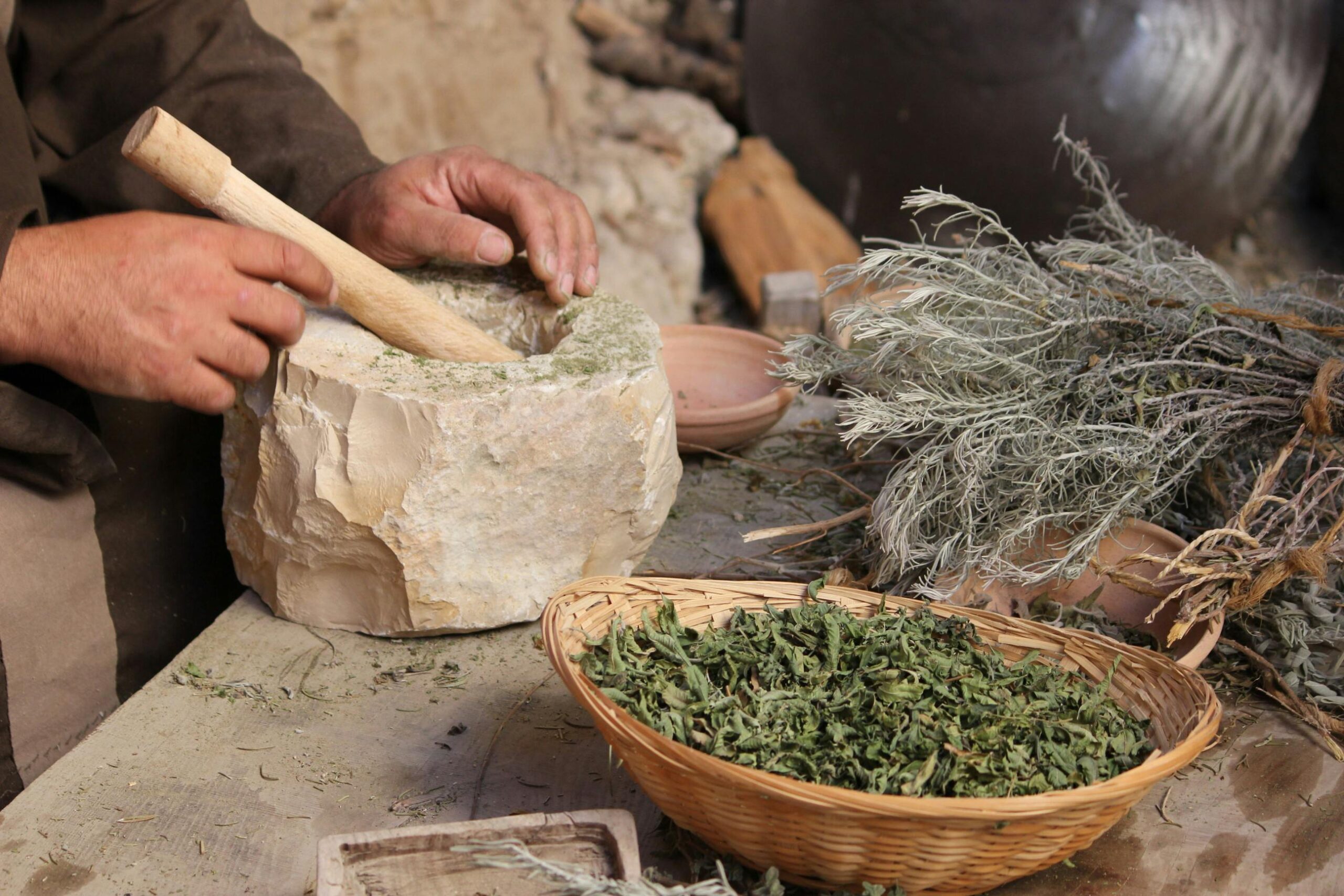
For thousands of years, humanity has turned to nature’s pharmacy for healing, discovering powerful botanical remedies that form the cornerstone of modern medicine.

Ancient civilizations across the globe developed sophisticated systems of plant-based healing that continue to influence contemporary healthcare practices. From the rain forests of the Amazon to the mountainous regions of China, indigenous cultures cultivated deep knowledge about medicinal plants, passing down their wisdom through generations. This ancestral understanding represents not merely folklore, but a scientifically valid foundation for natural therapies that modern researchers are only beginning to fully appreciate.
The resurgence of interest in botanical medicine reflects a growing recognition that synthetic pharmaceuticals, while valuable, cannot entirely replace the complex healing compounds found in nature. Today’s integrative approach combines ancient wisdom with cutting-edge scientific validation, creating a bridge between traditional knowledge and evidence-based medicine that offers promising solutions for contemporary health challenges.
🌿 The Historical Roots of Botanical Medicine
The practice of using plants for healing predates recorded history, with archaeological evidence suggesting that Neanderthals used medicinal herbs over 60,000 years ago. Ancient Egyptian papyri document hundreds of plant remedies, while Traditional Chinese Medicine and Ayurveda developed comprehensive pharmacopeias that remain relevant today.
The Ebers Papyrus, dating to approximately 1550 BCE, lists over 700 medicinal formulas and describes the therapeutic properties of plants like aloe vera, garlic, and juniper. Meanwhile, the Shennong Ben Cao Jing, China’s oldest known herbal text, classified 365 medicinal substances according to their properties and effects on the human body.
Indigenous cultures across the Americas developed extensive botanical knowledge systems. The Aztecs maintained elaborate medicinal gardens, while Amazon tribes identified thousands of healing plants in the rainforest’s biodiversity. This traditional ecological knowledge represents millennia of empirical observation and experimentation—a living laboratory that continues to yield valuable insights for modern pharmacology.
Understanding Phytochemistry: Nature’s Complex Formulas
What makes botanical therapies so effective is their chemical complexity. Unlike isolated pharmaceutical compounds, medicinal plants contain hundreds or thousands of bioactive constituents that work synergistically to produce therapeutic effects. This phenomenon, known as the “entourage effect,” explains why whole plant extracts often demonstrate greater efficacy than isolated compounds.
Plants produce these compounds primarily as defense mechanisms against pathogens, herbivores, and environmental stressors. Coincidentally, many of these same molecules interact beneficially with human biochemistry. Alkaloids, flavonoids, terpenes, and phenolic compounds represent just a few categories of phytochemicals with documented medicinal properties.
Modern analytical techniques have enabled scientists to identify and study these compounds with unprecedented precision. Research reveals that plants like turmeric contain over 300 distinct molecules, with curcumin being merely the most studied. This complexity challenges the reductionist pharmaceutical model while validating the holistic approach inherent in traditional botanical medicine.
🔬 Scientific Validation of Ancient Remedies
Contemporary research increasingly validates what traditional healers have known for centuries. Rigorous clinical trials have confirmed the efficacy of numerous botanical therapies for conditions ranging from inflammation to cognitive decline.
St. John’s Wort, used traditionally for melancholy, has demonstrated effectiveness comparable to conventional antidepressants in multiple meta-analyses. Ginkgo biloba, prescribed in Traditional Chinese Medicine for thousands of years, shows promise for supporting cognitive function and circulation. Willow bark, the original source of aspirin’s active ingredient, continues to offer anti-inflammatory benefits with potentially fewer side effects than synthetic alternatives.
The pharmaceutical industry itself owes an enormous debt to botanical sources. Approximately 25% of prescription drugs derive directly from plant compounds, while another 25% are chemically modified versions of plant molecules. Aspirin, morphine, digoxin, and taxol represent just a few examples of plant-derived medications that revolutionized modern medicine.
Adaptogens: Ancient Solutions for Modern Stress
Among the most fascinating categories of botanical medicine are adaptogens—plants that help the body resist various stressors while promoting homeostasis. This concept, formally defined by Soviet scientist Nikolai Lazarev in 1947, describes herbs used for centuries in Ayurvedic and Chinese medicine to enhance resilience and vitality.
Adaptogens work primarily through the hypothalamic-pituitary-adrenal (HPA) axis, modulating stress hormone production and supporting balanced cortisol rhythms. Research on adaptogenic herbs like ashwagandha, rhodiola, and holy basil reveals their capacity to reduce anxiety, improve cognitive performance, and enhance physical endurance without the overstimulation associated with caffeine or other stimulants.
Ashwagandha, known in Sanskrit as “smell of horse” for its distinctive odor and traditional association with strength, has demonstrated remarkable stress-reducing properties in clinical trials. Studies show significant reductions in cortisol levels and anxiety scores among participants taking standardized ashwagandha extracts compared to placebo groups.
🌱 Anti-Inflammatory Botanicals and Chronic Disease
Chronic inflammation underlies numerous modern health conditions, from cardiovascular disease to autoimmune disorders. Ancient healing systems recognized inflammatory processes long before modern medicine defined them scientifically, developing botanical protocols that remain remarkably effective.
Turmeric stands as perhaps the most researched anti-inflammatory botanical, with over 13,000 peer-reviewed studies examining its effects. Curcumin, its primary active compound, modulates multiple inflammatory pathways simultaneously, offering broad-spectrum anti-inflammatory activity. Traditional Ayurvedic formulations often combine turmeric with black pepper, which contains piperine—a compound that enhances curcumin absorption by up to 2000%.
Ginger, another ancient remedy, demonstrates powerful anti-inflammatory and analgesic properties through its gingerol compounds. Research confirms its effectiveness for conditions ranging from osteoarthritis to exercise-induced muscle soreness. Traditional preparations often utilize fresh ginger root, which contains different active compounds than dried forms, illustrating the sophistication of ancestral herbal knowledge.
Digestive Healing Through Botanical Wisdom
Traditional medicine systems placed enormous emphasis on digestive health, recognizing what modern science now confirms: gut health profoundly influences overall wellness. Ancient botanical digestive remedies address multiple aspects of gastrointestinal function, from enzyme production to microbiome balance.
Bitter herbs like dandelion, gentian, and artichoke stimulate digestive secretions, a principle central to European and Ayurvedic traditions. Modern research validates that bitter compounds activate taste receptors throughout the digestive tract, triggering beneficial physiological responses including increased bile production and improved nutrient absorption.
Demulcent herbs—plants containing mucilaginous compounds that soothe irritated tissues—represent another ancient therapeutic category with contemporary relevance. Marshmallow root, slippery elm, and licorice create protective barriers along the digestive lining while reducing inflammation, offering gentle yet effective support for conditions like gastritis and inflammatory bowel disease.
💚 Cardiovascular Support from Nature’s Pharmacy
Heart disease remains the leading cause of death globally, yet many ancient cultures developed botanical protocols for cardiovascular support that modern science increasingly validates. These plant medicines work through diverse mechanisms, from improving circulation to reducing oxidative stress.
Hawthorn, used in Traditional Chinese Medicine and European herbalism for centuries, demonstrates remarkable cardiovascular benefits. Clinical studies show hawthorn extracts improve heart function, reduce symptoms of congestive heart failure, and enhance exercise tolerance. Its flavonoid compounds strengthen heart muscle contractions while dilating coronary blood vessels.
Garlic represents another ancient remedy with robust scientific support for cardiovascular health. Beyond its antimicrobial properties, garlic reduces blood pressure, improves cholesterol profiles, and inhibits platelet aggregation. Meta-analyses consistently demonstrate that regular garlic consumption significantly reduces cardiovascular disease risk factors.
Immune Modulation Through Plant Intelligence
The immune system’s complexity requires nuanced support rather than simple stimulation, a principle ancient healers understood intuitively. Traditional botanical immune therapies aim for balance, enhancing response to genuine threats while preventing overreaction that characterizes autoimmune conditions.
Echinacea, used by Native American tribes for various ailments, has become one of the most studied immunomodulatory herbs. Research reveals it doesn’t simply “boost” immunity but rather enhances specific immune cell activity and cytokine production. Multiple meta-analyses confirm echinacea’s effectiveness for reducing cold duration and severity when taken at symptom onset.
Medicinal mushrooms like reishi, cordyceps, and turkey tail contain beta-glucans and other polysaccharides that profoundly influence immune function. Traditional Chinese Medicine classified these fungi as “superior herbs” for promoting longevity and vitality. Contemporary immunology research confirms their capacity to modulate both innate and adaptive immune responses.
🧠 Cognitive Enhancement and Neuroprotection
Ancient cultures recognized certain plants as brain tonics, supporting memory, clarity, and mental longevity. Modern neuroscience increasingly validates these traditional applications while uncovering the mechanisms behind botanical neuroprotection.
Bacopa monnieri, a staple of Ayurvedic medicine for enhancing cognition, has demonstrated memory-enhancing properties in numerous clinical trials. Its bacosides compounds protect neurons from oxidative damage while supporting neurotransmitter function and promoting neuroplasticity. Traditional texts recommend consistent use over months, an approach confirmed by research showing optimal benefits with long-term supplementation.
Gotu kola, another Ayurvedic brain tonic, shows promise for supporting cognitive function and potentially protecting against neurodegenerative conditions. Its triterpenoid compounds enhance circulation to the brain while reducing neuroinflammation and promoting nerve growth factor production.
Sustainable Harvesting and Ethical Considerations
As interest in botanical medicine grows, sustainability becomes increasingly critical. Many medicinal plants face overharvesting pressures, threatening both wild populations and the indigenous communities who depend on them. Ethical engagement with botanical medicine requires mindful sourcing and respect for traditional knowledge.
Several once-common medicinal plants now face conservation concerns. Goldenseal, slippery elm, and American ginseng have experienced significant population declines due to commercial harvesting. Supporting certified organic cultivation, fair-trade practices, and companies committed to regenerative agriculture helps ensure these healing plants remain available for future generations.
The issue of biopiracy—commercial exploitation of traditional botanical knowledge without compensation to indigenous communities—raises important ethical questions. Respectful engagement with botanical medicine acknowledges the cultural origins of this wisdom and supports equitable benefit-sharing arrangements.
🌍 Integrating Ancient Wisdom with Modern Practice
The future of healthcare likely involves sophisticated integration of botanical therapies with conventional medicine. This integrative approach honors the strengths of both systems—the holistic, individualized focus of traditional herbalism alongside the diagnostic precision and acute care capabilities of modern medicine.
Progressive healthcare institutions increasingly incorporate botanical medicine into treatment protocols. Academic medical centers now offer integrative medicine departments where licensed herbalists work alongside physicians, creating comprehensive care plans that address root causes while managing symptoms.
Education represents a crucial element of this integration. As botanical medicine gains legitimacy, professional training standards evolve to ensure practitioners possess both deep traditional knowledge and understanding of contemporary pharmacology, contraindications, and herb-drug interactions.
Practical Application: Starting Your Botanical Journey
For those interested in exploring botanical therapies, beginning with common, well-researched herbs offers a safe entry point. Simple preparations like herbal teas provide gentle introduction to plant medicine’s sensory and therapeutic dimensions.
Quality matters significantly in botanical medicine. Look for organic products from reputable companies that provide third-party testing results and transparent sourcing information. Standardized extracts ensure consistent active compound levels, while whole plant preparations preserve the natural synergy of multiple constituents.
Working with qualified practitioners—clinical herbalists, naturopathic physicians, or integrative medicine doctors—provides personalized guidance suited to individual constitutions and health conditions. These professionals understand the nuances of botanical therapeutics, including proper dosing, preparation methods, and potential interactions with medications.
✨ The Living Legacy of Plant Wisdom
Ancient botanical therapies represent humanity’s longest-running clinical trial, spanning thousands of years and countless cultures. This accumulated wisdom offers proven, sophisticated approaches to supporting health and treating disease. As modern science validates traditional applications while uncovering new therapeutic possibilities, plant medicine claims its rightful place alongside conventional treatments.
The renaissance of interest in botanical healing reflects deeper cultural shifts toward preventive care, holistic wellness, and sustainable living. These ancient remedies connect us to natural rhythms, ancestral knowledge, and the fundamental relationship between human health and plant diversity.
Looking forward, the integration of traditional botanical wisdom with contemporary scientific understanding promises expanded therapeutic options for addressing modern health challenges. This synthesis honors the past while embracing the future, recognizing that nature’s pharmacy contains solutions we’re only beginning to fully comprehend.
The healing power of plants continues to inspire wonder and scientific inquiry. Each botanical remedy tells a story of human observation, cultural knowledge, and nature’s generous provision. By unearthing and applying these ancient therapies with respect, discernment, and scientific rigor, we access timeless healing wisdom perfectly suited for contemporary needs.