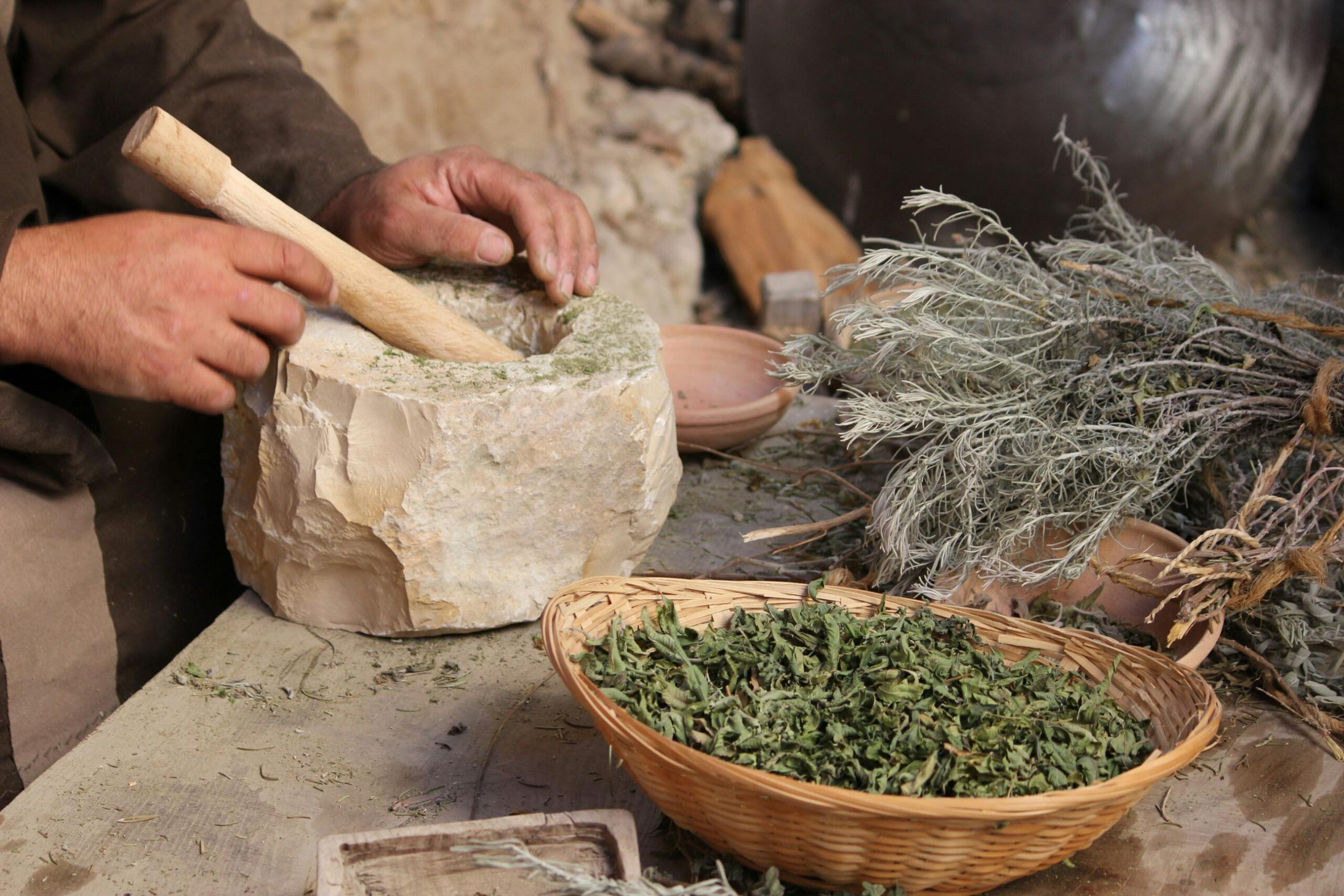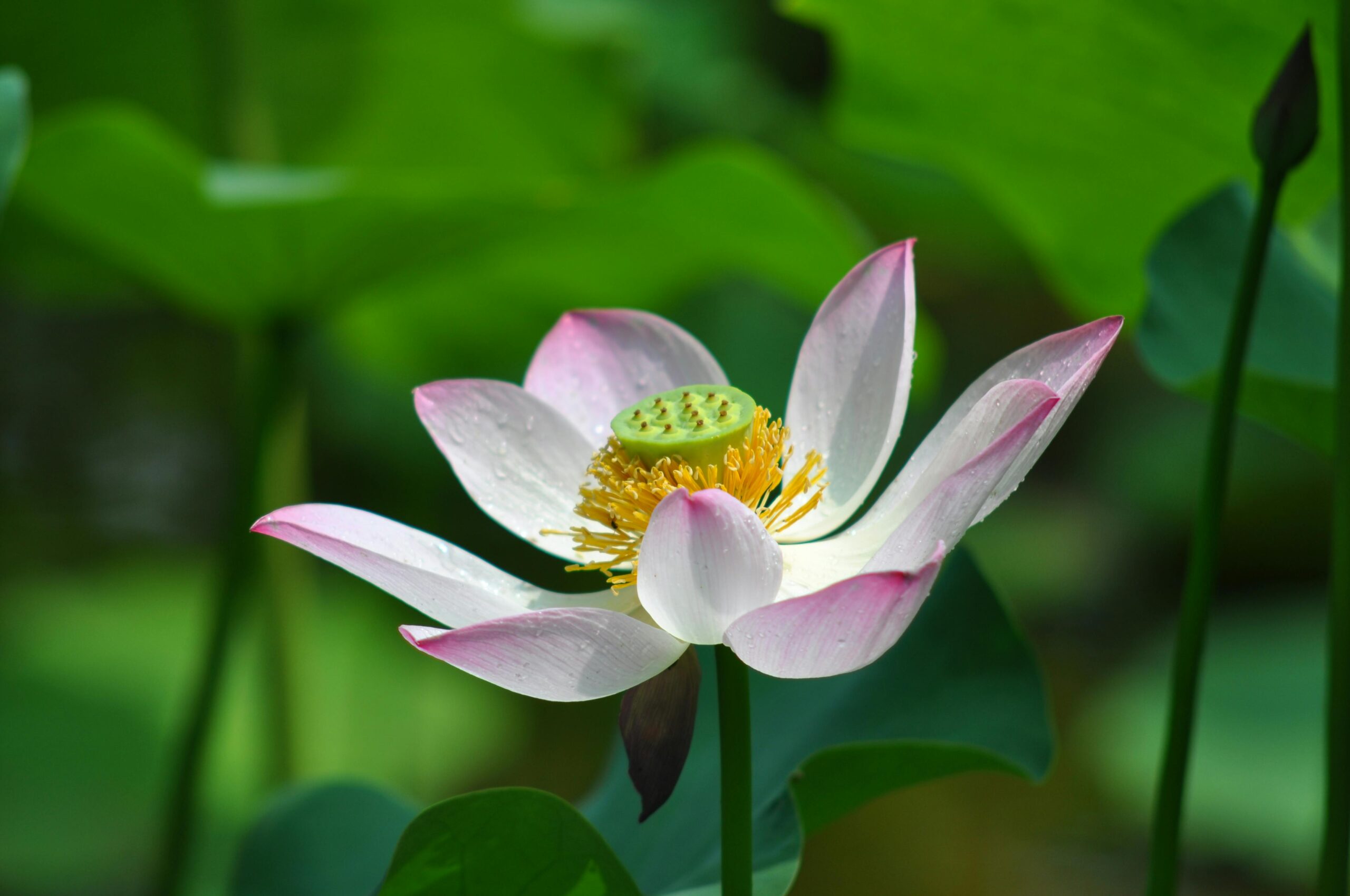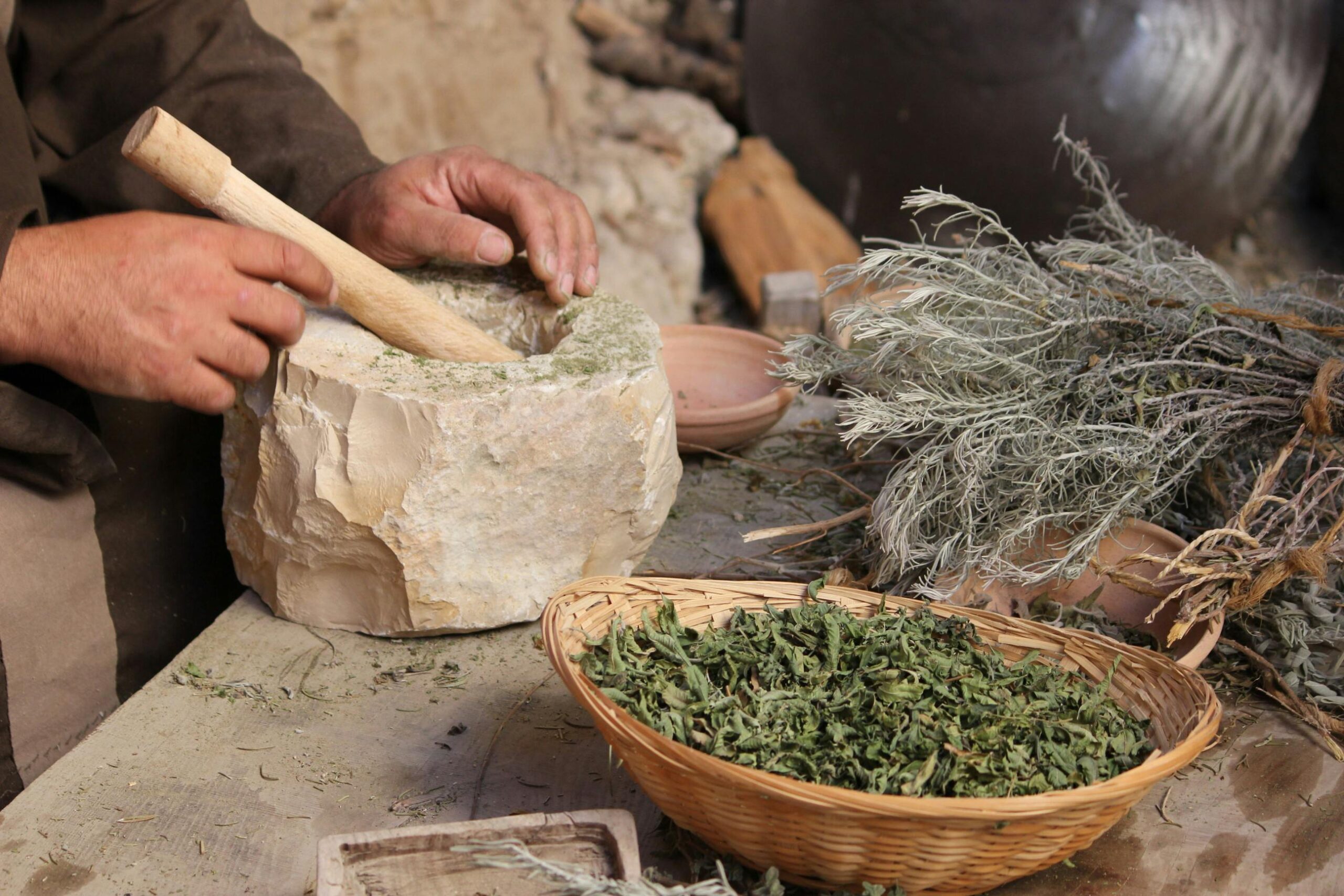
The intersection of traditional herbal medicine and modern pharmacology presents complex social, ethical, and scientific challenges that demand careful examination in today’s healthcare landscape.

🌿 The Renaissance of Traditional Plant-Based Medicine
Herbal healing has experienced a remarkable resurgence in recent decades, transforming from folklore into a multi-billion dollar global industry. This revival isn’t merely nostalgic—it represents a fundamental shift in how societies approach health, wellness, and the relationship between nature and medicine. As pharmaceutical companies face increasing scrutiny over pricing, accessibility, and side effects, millions of people worldwide are rediscovering the therapeutic potential of plants that have served humanity for millennia.
The World Health Organization estimates that approximately 80% of the global population relies on herbal medicine for some aspect of primary healthcare. This statistic reveals a profound truth: for much of humanity, herbal healing isn’t an alternative—it’s the primary option. Yet in industrialized nations, herbal remedies occupy an ambiguous space between food supplements and pharmaceutical drugs, creating regulatory confusion and ethical dilemmas.
Modern pharmacology owes an enormous debt to traditional plant knowledge. Aspirin derives from willow bark, digoxin from foxglove, and artemisinin—a crucial antimalarial drug—from sweet wormwood used in Chinese medicine for centuries. These success stories demonstrate that herbal healing and modern science need not be adversaries but rather complementary approaches to understanding therapeutic compounds.
💊 The Pharmaceutical Industry’s Complex Relationship with Nature
The pharmaceutical industry’s approach to natural compounds reveals fascinating tensions between profit motives, scientific innovation, and ethical responsibility. When companies isolate active ingredients from traditional remedies, patent the extraction processes, and market them at premium prices, questions arise about intellectual property rights, biopiracy, and fair compensation to indigenous communities who preserved this knowledge.
Consider the case of the rosy periwinkle from Madagascar, which yielded vincristine and vinblastine—powerful chemotherapy agents. While these drugs have saved countless lives and generated billions in revenue, the communities that traditionally used this plant received minimal compensation. This pattern repeats across continents, raising fundamental questions about who owns traditional knowledge and how benefits should be shared.
Modern pharmacological research increasingly recognizes that whole plant extracts sometimes demonstrate greater efficacy than isolated compounds—a phenomenon called the “entourage effect.” This validates what traditional healers have long understood: plants contain complex chemical cocktails that work synergistically. Yet regulatory frameworks struggle to accommodate this complexity, designed as they are for single-molecule drugs with predictable pharmacokinetics.
🔬 Scientific Validation: Bridging Traditional Wisdom and Clinical Evidence
The demand for evidence-based medicine creates unique challenges for herbal healing. Traditional remedies developed through centuries of empirical observation and cultural transmission, but modern healthcare systems require randomized controlled trials, standardized dosing, and documented mechanisms of action. This clash of epistemologies—traditional knowledge versus scientific validation—generates both productive dialogue and frustrating impasses.
Several herbal remedies have successfully crossed this bridge. St. John’s Wort for mild depression, ginger for nausea, and echinacea for immune support have substantial clinical evidence supporting their use. However, the research process itself raises ethical questions: Who funds studies on non-patentable plant medicines? How do we design trials that respect traditional preparation methods? What constitutes sufficient evidence for remedies used safely for generations?
The standardization required for clinical trials presents another dilemma. Herbal medicines vary in potency based on growing conditions, harvest timing, and preparation methods. Traditional healers often adjusted remedies for individual patients—personalized medicine before the term existed. Modern pharmacology demands consistency and reproducibility, potentially removing the very flexibility that made herbal healing effective across diverse populations and conditions.
⚖️ Regulatory Frameworks: Protecting Consumers or Restricting Access?
Regulatory approaches to herbal medicine vary dramatically worldwide, reflecting different cultural attitudes, economic priorities, and healthcare philosophies. In Germany, herbal medicines undergo rigorous evaluation and doctors routinely prescribe them. In the United States, they’re classified as dietary supplements with minimal regulatory oversight. In China, traditional medicine integrates fully with conventional healthcare systems.
Each approach involves trade-offs. Stringent regulation may ensure safety and quality but can restrict access and increase costs, particularly burdening communities that have relied on affordable herbal remedies. Minimal regulation keeps products accessible but exposes consumers to contamination, adulteration, and misleading claims. Finding the ethical balance remains contentious.
The supplement industry’s explosive growth has introduced new challenges. Products claiming to contain exotic herbs flood the market, many with questionable provenance and efficacy. DNA testing has revealed that many herbal supplements contain little or none of the advertised ingredients, instead filled with cheap substitutes or even harmful contaminants. This crisis of authenticity undermines legitimate herbal medicine and endangers public health.
🌍 Environmental and Sustainability Concerns
The growing demand for herbal medicines creates significant environmental pressures. Overharvesting threatens numerous medicinal plant species, particularly slow-growing varieties like ginseng, goldenseal, and various tree barks. This botanical depletion represents not just ecological loss but erosion of therapeutic options for future generations.
Sustainable cultivation offers solutions but introduces complications. Cultivated herbs may lack the potency of wild-harvested plants, according to some traditional practitioners. Agricultural production requires land, water, and resources, potentially competing with food crops. Certification schemes for sustainably harvested herbs exist but remain voluntary and inconsistently applied.
Climate change adds another layer of complexity. As temperatures shift and precipitation patterns change, the geographical ranges of medicinal plants alter, affecting both wild populations and cultivation possibilities. Indigenous communities that depend on specific plants for healing and economic survival face disruption of knowledge systems developed over countless generations.
💰 Economic Justice and Access to Healing
The commercialization of herbal medicine raises profound questions about economic justice. When multinational corporations profit from traditional knowledge developed by marginalized communities, without meaningful compensation or recognition, exploitation occurs. The Nagoya Protocol attempts to address this through Access and Benefit-Sharing agreements, but implementation remains inconsistent.
Pricing presents ethical dilemmas. Should herbal remedies remain affordable, honoring their traditional role as accessible medicine for common people? Or can premium pricing be justified when products undergo quality testing, sustainable sourcing, and fair-trade practices? The answer likely depends on context, but market forces often prioritize profit over accessibility.
Pharmaceutical companies increasingly patent extraction processes, delivery mechanisms, and even traditional combinations of herbs, effectively monopolizing remedies that were once common knowledge. While patents theoretically encourage innovation by protecting investments in research, they can also restrict access to healing knowledge that many argue should belong to humanity as a collective inheritance.
👥 Cultural Appropriation and Knowledge Sovereignty
The adoption of traditional healing practices by dominant cultures while marginalizing the originating communities constitutes a form of cultural appropriation with real consequences. When yoga studios in wealthy neighborhoods sell “adaptogenic” herbal blends without acknowledging Ayurvedic origins, or when shamanic traditions become commodified wellness trends, indigenous knowledge systems are simultaneously exploited and decontextualized.
Knowledge sovereignty—the right of communities to control their traditional knowledge—has gained recognition in international forums, but practical protection remains elusive. Digital databases documenting traditional remedies aim to prevent biopiracy by establishing prior art, yet also make this knowledge more accessible to those who might exploit it commercially.
Respectful engagement with traditional healing requires more than citation. It demands meaningful collaboration, equitable benefit-sharing, and recognition that medical knowledge is often inseparable from cultural identity, spiritual practice, and community relationships. The reductionist approach of extracting active compounds while discarding the cultural context may capture molecules but lose wisdom.
🏥 Integration with Conventional Medicine: Challenges and Opportunities
The concept of integrative medicine—combining conventional treatments with evidence-based complementary approaches including herbal remedies—offers promising possibilities but faces significant obstacles. Medical education typically provides minimal training in herbal medicine, leaving practitioners ill-equipped to advise patients who increasingly use these products.
Herb-drug interactions present real clinical concerns. St. John’s Wort, for example, can reduce the effectiveness of numerous medications including birth control pills, anticoagulants, and immunosuppressants. Without open communication between patients and providers about herbal use, dangerous interactions may go unrecognized. Yet many patients fear judgment or dismissal if they mention using herbal remedies.
Creating healthcare systems that honor multiple healing traditions while maintaining safety and efficacy standards requires humility from all parties. Conventional practitioners must recognize the limits of pharmaceutical medicine and the value of time-tested natural remedies. Herbal practitioners must acknowledge when conditions require pharmaceutical interventions and understand basic pharmacology. Patients need reliable information to make informed choices.
🔮 The Future of Herbal Healing in a Technological Age
Emerging technologies offer unprecedented opportunities to understand and apply herbal medicine. Advanced analytical chemistry can identify previously unknown compounds in traditional remedies. Artificial intelligence can analyze vast databases of ethnobotanical knowledge to identify promising therapeutic leads. Genomic testing may eventually allow personalized herbal protocols based on individual metabolism.
Yet technology also enables new forms of exploitation and misinformation. Social media influencers promote unproven herbal products to millions with no accountability. Online marketplaces sell counterfeit and contaminated herbs with sophisticated deception. The same tools that democratize access to healing knowledge also spread dangerous pseudoscience.
Blockchain technology has been proposed to track herbal products from harvest to consumer, ensuring authenticity and fair compensation for collectors. Mobile applications could help users identify medicinal plants, access preparation instructions, and report adverse effects, creating crowd-sourced pharmacovigilance systems. These innovations hold promise but require thoughtful implementation that prioritizes public health over profit.
🤝 Building Ethical Frameworks for the Future
Navigating the social and ethical complexities of herbal healing in the age of modern pharmacology requires multifaceted approaches. Healthcare policies must balance access with safety, respecting traditional knowledge while ensuring product quality. Research funding should support clinical studies of promising herbal remedies, particularly for conditions where conventional treatments prove inadequate or inaccessible.
Education represents a crucial intervention point. Medical professionals need training in herbal medicine basics, potential interactions, and cultural competency around traditional healing practices. The public needs reliable information to distinguish evidence-based herbal medicine from marketing hype. Traditional knowledge holders deserve recognition and platforms to share wisdom on their own terms.
International cooperation is essential for addressing biopiracy, ensuring sustainable harvesting, and protecting endangered medicinal plants. Legal frameworks must evolve to recognize community ownership of traditional knowledge while facilitating beneficial research. Fair-trade and ethical sourcing certifications need strengthening and broader adoption throughout the herbal products industry.

🌱 Cultivating Wisdom for Holistic Healing
The path forward requires embracing both ancient wisdom and modern science, recognizing that these approaches complement rather than contradict each other. Herbal healing offers valuable therapeutic options, particularly for chronic conditions, prevention, and situations where pharmaceutical access is limited. Modern pharmacology provides life-saving interventions for acute conditions, evidence-based protocols, and quality control standards.
The social and ethical dimensions of this integration extend beyond individual health choices to questions of environmental stewardship, economic justice, cultural respect, and collective well-being. A truly ethical approach to herbal healing in the modern world must consider sustainability, ensure equitable access, honor traditional knowledge, demand rigorous safety standards, and resist commercialization that exploits either consumers or communities.
As chronic diseases proliferate in aging populations and healthcare costs spiral beyond affordability for many, the renewed interest in herbal medicine reflects not mere nostalgia but pragmatic necessity. Plants offer affordable, often effective remedies with generally favorable safety profiles compared to many pharmaceuticals. However, realizing this potential requires moving beyond simplistic narratives that romanticize all things “natural” or dismiss traditional knowledge as superstition.
The conversation about herbal healing and modern pharmacology ultimately reflects broader questions about how we relate to nature, knowledge, health, and each other. Do we view the natural world primarily as a resource to exploit for profit, or as a source of wisdom and healing to steward responsibly? Do we treat traditional knowledge as primitive folklore to appropriate, or as sophisticated understanding deserving respect and protection? Do we conceive of health as absence of disease to be managed with pills, or as holistic well-being requiring attention to body, mind, community, and environment?
These questions have no simple answers, but grappling with them seriously is essential for creating healthcare systems that serve all people equitably while preserving the botanical and cultural diversity that makes healing possible. The future of medicine likely lies not in choosing between herbal traditions and pharmaceutical innovation, but in thoughtfully integrating the best of both—guided by evidence, ethics, and genuine care for human and planetary health.