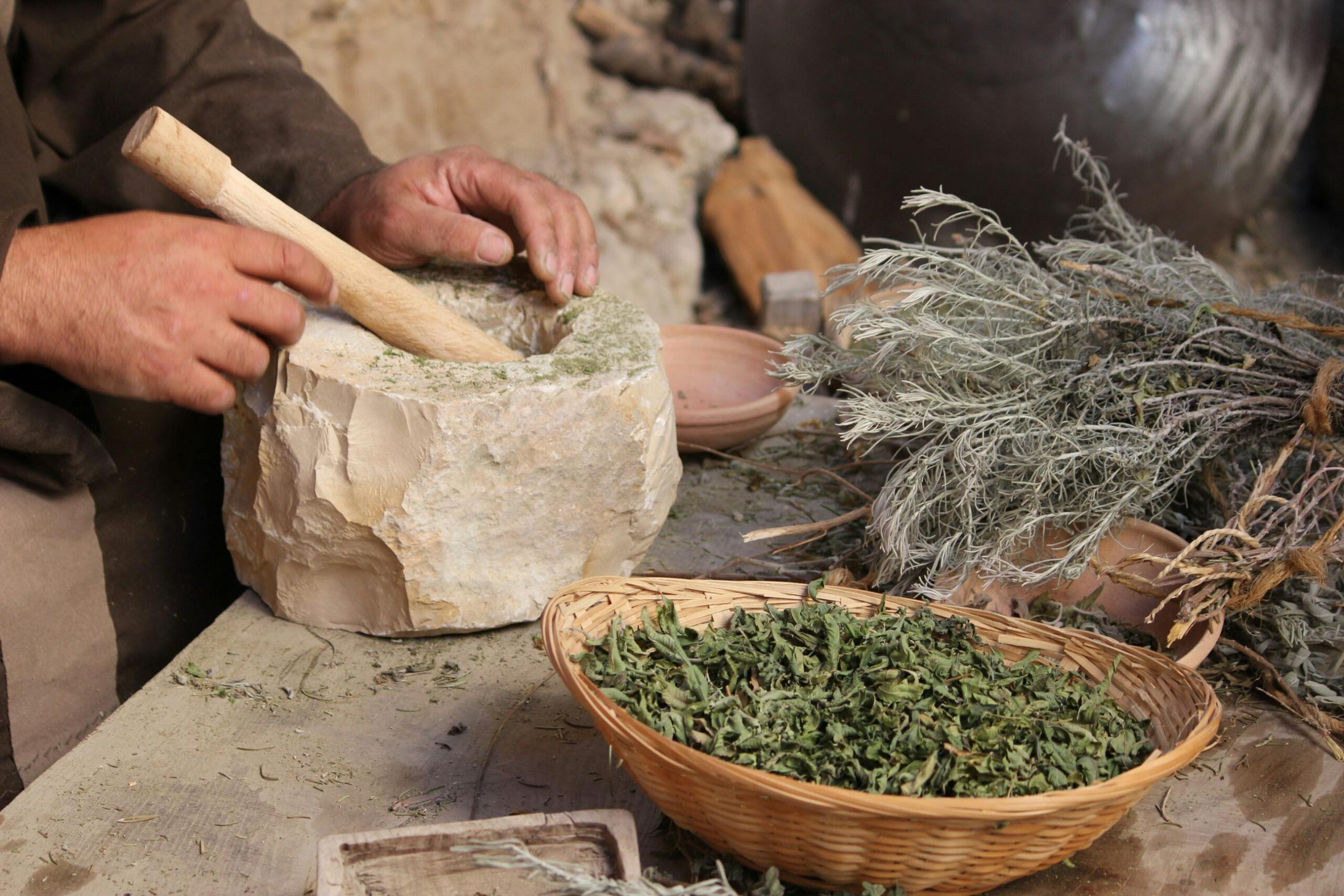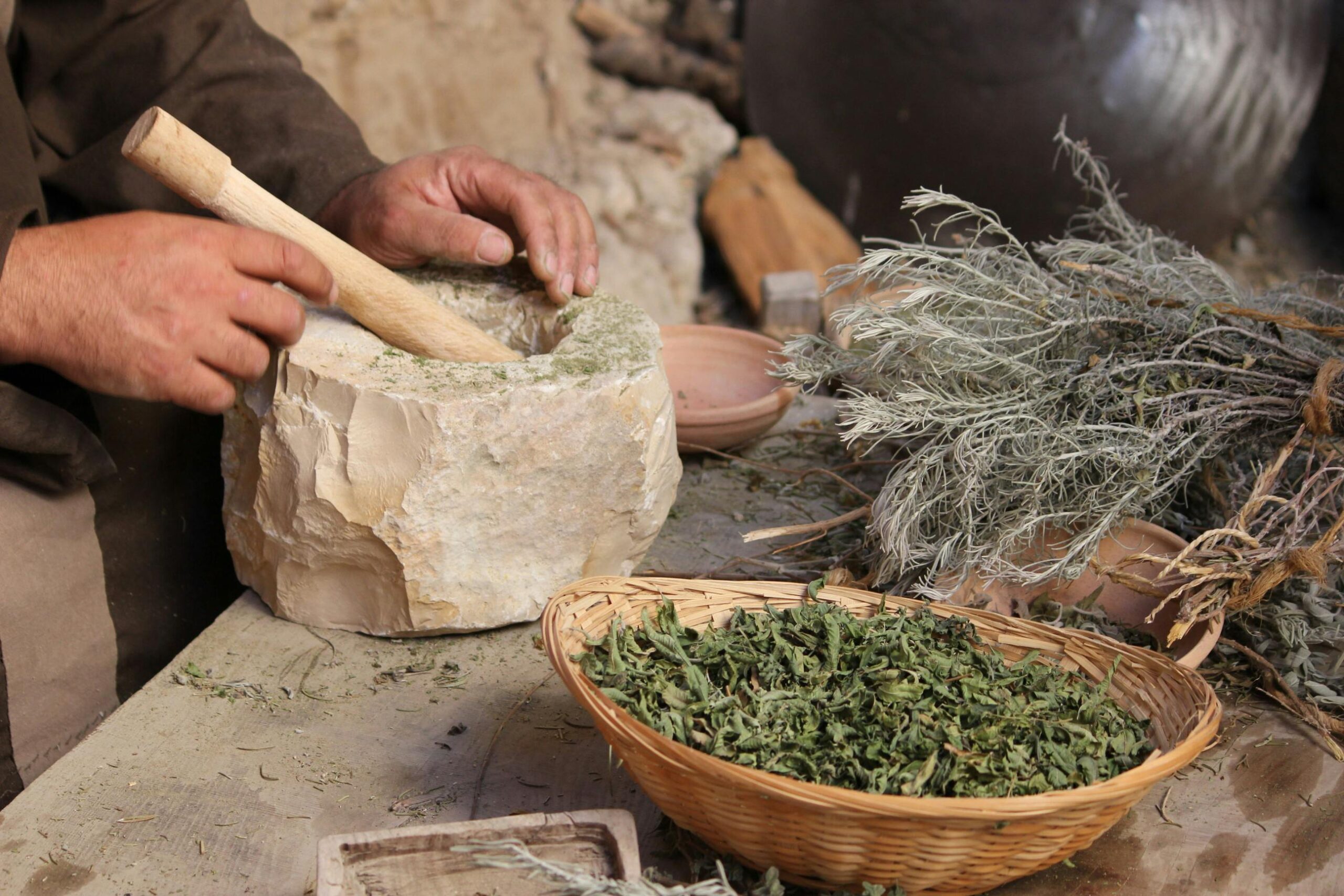
Modern herbal pharmacology stands at the intersection of ancient wisdom and cutting-edge science, revolutionizing how we understand and utilize natural medicine in contemporary healthcare settings.

🔬 The Renaissance of Plant-Based Medicine in the 21st Century
The global pharmaceutical landscape is witnessing an unprecedented resurgence of interest in herbal medicine. This renewed focus isn’t simply nostalgia for traditional remedies; it’s driven by sophisticated research methodologies that can validate, quantify, and optimize the therapeutic potential of botanical compounds. Modern herbal pharmacology employs advanced analytical techniques, molecular biology, and computational modeling to unlock secrets that traditional healers intuitively understood for millennia.
Today’s researchers possess tools their predecessors could only dream of. High-performance liquid chromatography, mass spectrometry, and genomic sequencing allow scientists to identify and isolate active compounds with extraordinary precision. These technologies transform herbal medicine from an empirical practice into an evidence-based discipline, bridging the gap between traditional knowledge and modern clinical requirements.
The pharmaceutical industry increasingly recognizes that nature’s chemical diversity far exceeds what synthetic chemistry can produce. Plants have evolved complex secondary metabolites over millions of years, creating sophisticated molecular architectures that interact with human physiology in nuanced ways. This biological wisdom represents an invaluable resource for drug discovery and development.
Revolutionary Research Methodologies Transforming Natural Medicine
Metabolomics and Chemical Profiling
Metabolomics represents one of the most powerful tools in modern herbal pharmacology. This comprehensive analytical approach simultaneously identifies and quantifies hundreds or thousands of metabolites within a plant sample. Unlike traditional methods that focused on single compounds, metabolomics captures the full chemical complexity of herbal preparations, revealing how multiple constituents work synergistically.
Advanced mass spectrometry coupled with nuclear magnetic resonance spectroscopy enables researchers to create detailed chemical fingerprints of medicinal plants. These profiles serve multiple purposes: quality control, authentication, standardization, and discovery of novel bioactive compounds. By comparing metabolic profiles across different growing conditions, harvest times, and processing methods, scientists can optimize therapeutic efficacy.
The integration of artificial intelligence and machine learning with metabolomics data is accelerating discovery exponentially. Algorithms can identify patterns and correlations invisible to human analysis, predicting which chemical combinations produce optimal therapeutic outcomes. This computational power transforms vast datasets into actionable insights for pharmaceutical development.
🧬 Genomics and Molecular Biology Applications
Genomic technologies have revolutionized our understanding of how herbal medicines interact with human biology at the molecular level. Transcriptomics reveals which genes are activated or suppressed when cells are exposed to botanical compounds. This information illuminates mechanisms of action, identifies potential therapeutic targets, and predicts side effects or drug interactions.
Pharmacogenomics adds another dimension by explaining why individuals respond differently to the same herbal treatment. Genetic variations affect how people metabolize and respond to plant compounds. By understanding these genetic factors, researchers can move toward personalized herbal medicine, tailoring treatments to individual genetic profiles for maximum efficacy and safety.
CRISPR gene editing technology is now being applied to medicinal plant research itself. Scientists can enhance the production of therapeutic compounds, reduce toxic constituents, and create plant varieties optimized for specific medical applications. This biotechnological approach promises to improve consistency and potency while maintaining the natural origin of medicines.
Network Pharmacology: Understanding Complex Interactions
Traditional pharmaceutical research typically follows a “one drug, one target” paradigm. Herbal medicines, however, contain multiple active compounds that interact with numerous biological targets simultaneously. Network pharmacology provides the conceptual framework and computational tools to understand these complex, multi-target interactions.
This systems biology approach constructs networks showing relationships between herbal compounds, protein targets, signaling pathways, and disease processes. By mapping these intricate connections, researchers can predict therapeutic effects, understand synergistic mechanisms, and identify unexpected applications for traditional remedies.
Network pharmacology has already yielded remarkable insights. For example, research on traditional Chinese medicine formulas revealed that seemingly unrelated herbs in a prescription work together to modulate interconnected pathways, producing therapeutic effects greater than any single component. This validates the traditional practice of combining multiple herbs and provides scientific rationale for complex formulations.
Systems Biology Integration
Systems biology takes network pharmacology further by incorporating dynamic temporal data. Living organisms are not static networks but constantly changing systems responding to internal and external stimuli. Advanced modeling techniques simulate how herbal compounds affect biological systems over time, predicting both immediate and long-term effects.
These dynamic models account for feedback loops, compensatory mechanisms, and emergent properties that simple reductionist approaches miss. They help explain phenomena like tolerance development, delayed therapeutic effects, and why herbal medicines sometimes produce benefits not immediately apparent in short-term studies.
🎯 In Vitro and In Vivo Advanced Testing Platforms
Modern herbal pharmacology employs sophisticated experimental platforms that more accurately model human physiology than traditional methods. Three-dimensional cell culture systems, organ-on-chip technologies, and patient-derived organoids provide realistic environments for testing herbal compounds without immediately involving human subjects or animals.
These advanced in vitro models preserve the complexity of tissue architecture, cell-cell interactions, and microenvironmental factors that influence drug responses. Researchers can observe how herbal extracts affect cancer cells within a three-dimensional tumor-like structure, or how they influence the gut-brain axis using interconnected intestinal and neuronal tissue chips.
Animal models remain important but are being refined through precision techniques. Humanized mice carrying human genes, cells, or tissues provide more relevant data for predicting human responses. Imaging technologies like positron emission tomography and magnetic resonance imaging allow non-invasive, real-time monitoring of herbal medicine effects in living animals, reducing the number of subjects needed.
Clinical Translation and Human Studies
Translating laboratory discoveries into human clinical benefits requires rigorous trial design. Modern herbal pharmacology applies gold-standard randomized controlled trial methodologies, but adapts them to accommodate the unique characteristics of herbal medicines. This includes accounting for quality variation in plant materials, synergistic effects of multiple compounds, and traditional preparation methods.
Pragmatic clinical trials test herbal medicines as they’re actually used in real-world settings, rather than under artificial laboratory conditions. These studies provide evidence relevant to practicing clinicians and patients making treatment decisions. Real-world evidence from electronic health records and patient registries supplements traditional clinical trials, providing larger datasets and longer-term outcome information.
Quality Control and Standardization Innovations
One historical challenge facing herbal medicine has been inconsistency in product quality. Modern analytical chemistry addresses this through sophisticated authentication and standardization methods. DNA barcoding verifies plant species identity, preventing substitution or adulteration. Chemical fingerprinting ensures consistent composition across different batches of the same product.
Good agricultural and collection practices have been developed specifically for medicinal plants, optimizing growing conditions, harvest timing, and post-harvest processing to maximize therapeutic compound content. These protocols transform herbal medicine production from a cottage industry into a precision operation meeting pharmaceutical standards.
Nanotechnology applications are improving herbal medicine delivery and bioavailability. Many beneficial plant compounds have poor water solubility or are degraded in the digestive system before absorption. Nanoencapsulation protects these sensitive molecules and enhances their ability to reach target tissues, significantly improving therapeutic efficacy.
⚗️ Synthetic Biology and Semi-Synthesis Approaches
When valuable medicinal compounds exist in plants at low concentrations or come from endangered species, synthetic biology offers sustainable alternatives. Researchers engineer microorganisms like yeast or bacteria to produce plant compounds through fermentation. This approach has successfully produced artemisinin for malaria treatment and promises to make many other plant medicines more accessible.
Semi-synthesis starts with abundant plant compounds and chemically modifies them to create improved derivatives. This combines nature’s molecular scaffolds with human innovation, potentially creating medicines with enhanced potency, reduced side effects, or better pharmacokinetic properties than the natural compounds.
Toxicology and Safety Assessment Modernization
The misconception that “natural equals safe” has been dispelled by rigorous modern toxicology. Advanced testing protocols identify potential toxic compounds, determine safe dosage ranges, and reveal interactions with conventional medications. In silico toxicology uses computational models to predict toxicity based on molecular structure, screening compounds before expensive laboratory testing.
Pharmacovigilance systems now monitor herbal medicine safety in real-time, collecting adverse event reports from healthcare providers and consumers worldwide. Big data analytics identify safety signals that might not emerge in limited clinical trials, ensuring ongoing product safety monitoring.
Herb-Drug Interaction Research
As patients increasingly combine herbal and conventional medicines, understanding potential interactions becomes critical. Cytochrome P450 enzyme studies reveal how herbs affect drug metabolism, potentially increasing or decreasing blood levels of medications. Transporter protein research shows how herbs influence drug absorption and elimination.
Clinical databases now document known herb-drug interactions, providing healthcare professionals with evidence-based guidance. Decision support systems integrated into electronic prescribing platforms alert clinicians to potential problems when patients use both herbal and pharmaceutical medicines.
🌿 Ethnobotany and Traditional Knowledge Integration
Modern herbal pharmacology doesn’t abandon traditional wisdom; it validates and builds upon it. Ethnobotanical research systematically documents traditional plant uses across cultures, providing leads for pharmaceutical investigation. Many of today’s most successful drugs originated from ethnobotanical observations that guided researchers toward promising plant species.
Collaborative research partnerships with indigenous communities ensure ethical access to traditional knowledge while providing benefits to knowledge holders. These partnerships recognize intellectual property rights and share research benefits, creating sustainable models for natural product discovery that respect cultural heritage.
Regulatory Science and Global Harmonization Efforts
Different countries have varying regulatory frameworks for herbal medicines, creating challenges for research and commerce. International organizations work toward harmonized standards that ensure quality and safety while facilitating cross-border research collaboration and product availability. These efforts balance access to traditional medicines with consumer protection requirements.
Regulatory science develops the tools and methods needed to assess herbal medicine quality, safety, and efficacy according to modern standards. This includes creating appropriate guidelines for clinical trials, establishing marker compounds for standardization, and developing reference materials for analytical testing.
💡 Future Directions and Emerging Technologies
Artificial intelligence and machine learning will increasingly drive herbal pharmacology research. AI algorithms can predict biological activities from chemical structures, design optimal extraction methods, and even suggest novel therapeutic applications by analyzing vast scientific literature databases faster than any human researcher.
Quantum computing promises to revolutionize molecular modeling, enabling accurate simulation of how complex herbal compounds interact with biological targets at the atomic level. This computational power could dramatically accelerate drug discovery from natural sources.
Personalized medicine approaches will incorporate traditional constitutional concepts with modern biomarkers and genetic information. Diagnostic tools might someday predict which herbal treatments will work best for individual patients based on their unique biological profiles, optimizing outcomes while minimizing trial-and-error prescribing.
Interdisciplinary Collaboration: The Key to Progress
Modern herbal pharmacology thrives on collaboration between diverse disciplines. Botanists, chemists, pharmacologists, clinicians, anthropologists, and data scientists must work together to fully understand and optimize natural medicines. This interdisciplinary approach combines different perspectives and methodologies, creating insights impossible within single disciplines.
Academic institutions increasingly establish integrative research centers dedicated to natural products. These hubs facilitate collaboration, share expensive equipment, and create training programs producing the next generation of researchers skilled in both traditional knowledge and cutting-edge technologies.
🌍 Global Health Impact and Accessibility
Research methodologies in herbal pharmacology have particular importance for global health. Many populations rely primarily on herbal medicines for healthcare, especially in resource-limited settings. Scientific validation ensures these communities access effective, safe treatments while opening possibilities for economic development through sustainable cultivation of medicinal plants.
Technology transfer initiatives help developing countries establish their own research and quality control capabilities for herbal medicines. This builds local capacity, creates employment, and ensures that research benefits flow to the communities providing traditional knowledge and plant resources.
Sustainable Sourcing and Conservation Biology
As demand for herbal medicines grows globally, sustainable sourcing becomes critical. Research methodologies now include conservation biology, assessing wild plant populations and developing cultivation protocols for previously wild-harvested species. Chemical ecology studies help understand what environmental factors influence medicinal compound production, enabling cultivation that maintains therapeutic quality.
Biotechnology offers conservation tools through cryopreservation of plant genetic material and in vitro propagation of endangered medicinal species. These approaches preserve biodiversity while ensuring continued availability of valuable medicines.

Bridging Ancient Wisdom and Modern Innovation
The future of herbal pharmacology lies not in choosing between tradition and science but in intelligently integrating both. Ancient healing systems contain empirical observations from thousands of years of human experimentation—invaluable data that modern science can now explain, validate, and optimize. Simultaneously, cutting-edge technologies reveal therapeutic potentials unknown to traditional practitioners.
This synthesis creates a new paradigm in medicine: evidence-based natural therapeutics that honor traditional wisdom while meeting contemporary standards for safety, efficacy, and quality. As research methodologies continue advancing, the distinction between “conventional” and “herbal” medicine may blur, with treatment decisions based simply on what works best for each patient.
The secrets of modern herbal pharmacology are being unveiled through persistent research, technological innovation, and collaborative effort across disciplines and cultures. These advances promise a future where natural medicines take their rightful place in the therapeutic arsenal, validated by science and accessible to all who need them. 🌱