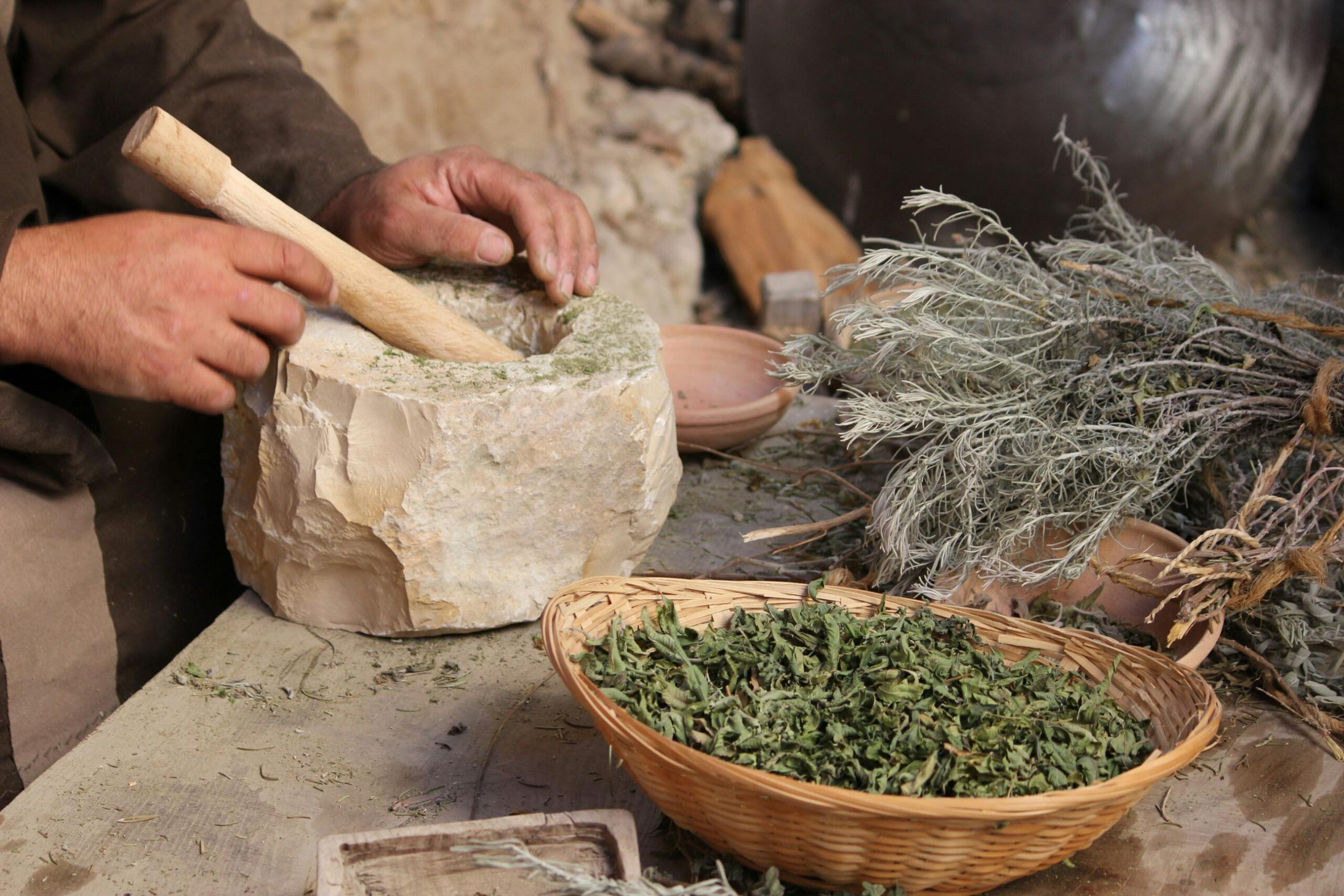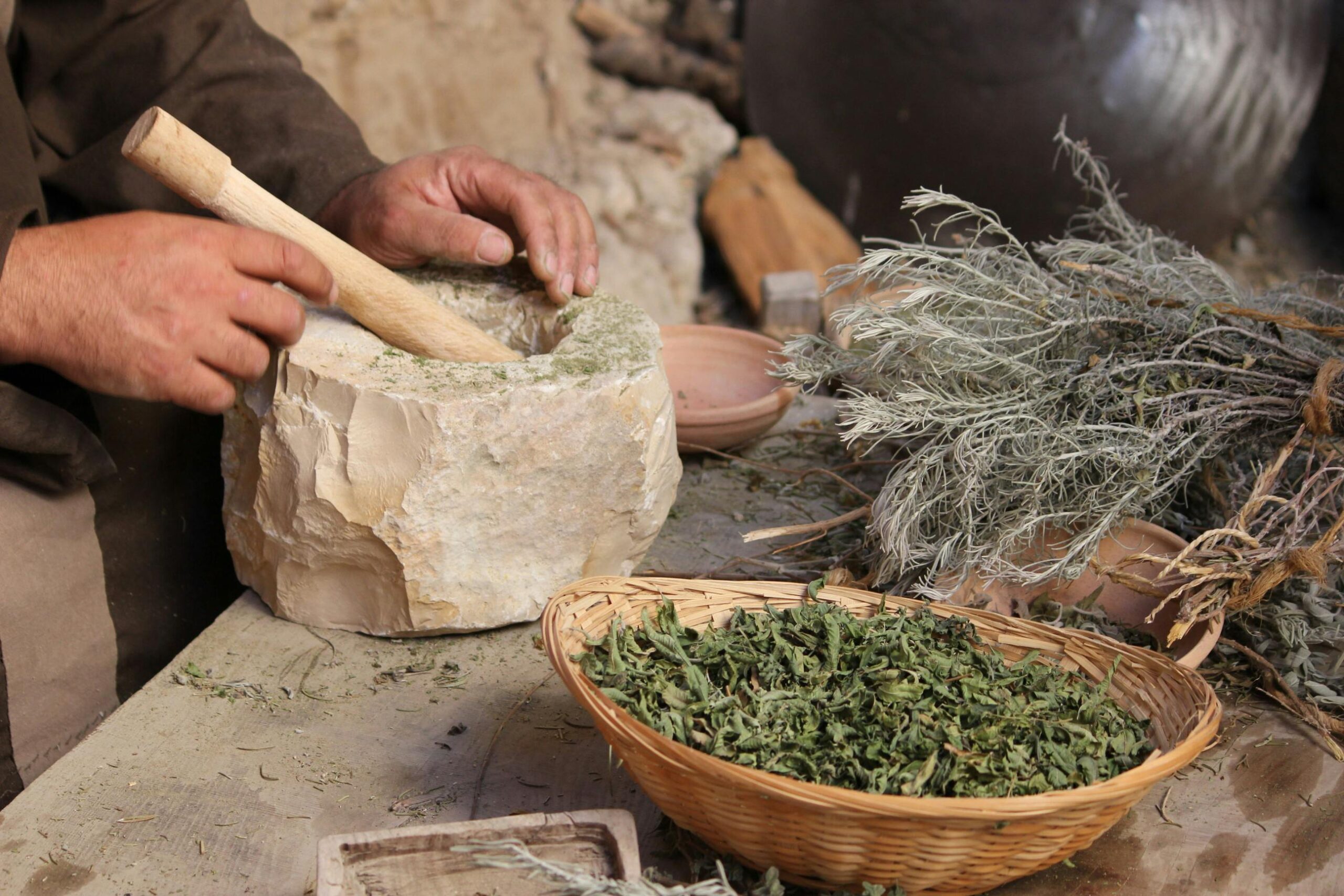
The herbal pharmacology industry is experiencing a renaissance, merging ancient wisdom with cutting-edge science to create unprecedented business opportunities in healthcare.

🌿 The Evolution of Herbal Medicine in the Digital Age
Modern herbal pharmacology stands at a fascinating crossroads where traditional botanical knowledge meets advanced scientific research and innovative business strategies. The global herbal medicine market has surged to over $150 billion annually, driven by consumer demand for natural remedies, preventive healthcare solutions, and holistic wellness approaches. This remarkable growth reflects a fundamental shift in how people perceive and engage with plant-based therapeutics.
The contemporary herbal pharmacology landscape differs dramatically from its historical counterpart. Today’s practitioners leverage sophisticated extraction techniques, standardized dosing protocols, and evidence-based research to validate traditional uses of medicinal plants. This scientific rigor has transformed herbal medicine from a fringe alternative therapy into a respected component of integrative healthcare systems worldwide.
Technological advancements have revolutionized how we discover, develop, and deliver herbal products. High-performance liquid chromatography (HPLC), mass spectrometry, and genomic analysis enable researchers to identify active compounds, understand mechanisms of action, and ensure quality control with unprecedented precision. These tools provide the scientific foundation necessary for building credible, scalable herbal pharmacology businesses.
💡 Innovative Business Models Transforming the Industry
Successful herbal pharmacology ventures today employ diverse business models that capitalize on unique market opportunities while addressing contemporary consumer needs. Understanding these models provides essential insights for entrepreneurs seeking to enter this dynamic sector.
Direct-to-Consumer Digital Platforms
The direct-to-consumer (DTC) model has emerged as a dominant force in herbal product distribution. Companies bypass traditional retail channels, connecting directly with customers through e-commerce platforms, subscription services, and social media marketing. This approach offers several distinct advantages: higher profit margins, direct customer relationships, rapid feedback loops, and the ability to educate consumers about product benefits and proper usage.
Successful DTC herbal businesses invest heavily in content marketing, creating educational resources that position their brands as trusted authorities. Blog posts, video tutorials, podcast appearances, and social media engagement build community while establishing credibility. The subscription model, where customers receive regular shipments of personalized herbal formulations, creates predictable revenue streams and enhances customer lifetime value.
Professional Practitioner Partnerships
Another thriving model involves partnering with healthcare practitioners—naturopaths, functional medicine doctors, integrative physicians, and licensed herbalists. These professionals prescribe or recommend specific herbal formulations to their patients, creating a trusted pathway to market. Companies supporting this model provide professional-grade products, continuing education resources, and clinical support to practitioners.
This business-to-business (B2B) approach requires different capabilities than DTC operations. Product quality must meet rigorous standards, formulations need clinical validation, and companies must provide comprehensive practitioner education. The payoff comes in the form of professional endorsements, higher-value orders, and customers who arrive with existing health conditions and clear therapeutic goals.
White Label and Private Label Manufacturing
Manufacturing services represent another lucrative opportunity in herbal pharmacology. Companies with specialized extraction capabilities, quality control systems, and regulatory expertise can produce formulations for other brands. This model leverages existing infrastructure while minimizing marketing costs and customer acquisition challenges.
White label manufacturers provide ready-made formulations that retailers can brand as their own, while private label services create custom formulations based on client specifications. Both approaches serve the growing number of wellness brands, health food stores, and online retailers seeking to offer herbal products without investing in manufacturing capabilities.
🔬 Scientific Validation as a Competitive Advantage
The most successful herbal pharmacology businesses distinguish themselves through rigorous scientific validation. Clinical trials, peer-reviewed publications, and transparent quality testing build consumer confidence and differentiate products in an increasingly crowded marketplace.
Conducting clinical research on herbal formulations requires significant investment but yields substantial returns. Published studies provide marketing content, enhance credibility with healthcare professionals, and may even support health claims that competitors cannot make. Companies like Gaia Herbs, Standard Process, and Integrative Therapeutics have built strong market positions partly through their commitment to research and transparency.
Third-party testing and certification offer another pathway to credibility. Organizations like NSF International, USP, and ConsumerLab.com verify product purity, potency, and quality. Displaying these certifications prominently communicates a commitment to excellence that resonates with informed consumers and healthcare practitioners alike.
📊 Understanding Market Segmentation and Target Audiences
Effective herbal pharmacology businesses identify specific market segments and tailor their offerings accordingly. The herbal medicine consumer base is remarkably diverse, encompassing different demographics, health concerns, and purchasing behaviors.
The wellness enthusiast segment seeks preventive health solutions and performance optimization. These consumers typically range from millennials to Gen X, maintain active lifestyles, and willingly invest in premium products backed by science. They respond well to clean labeling, sustainability messaging, and innovative delivery formats like liposomal formulations or time-release capsules.
Chronic condition management represents another significant segment. Individuals dealing with digestive issues, sleep disorders, anxiety, inflammatory conditions, or hormonal imbalances often turn to herbal solutions after disappointing experiences with conventional medicine. This audience values therapeutic efficacy above all else and appreciates detailed information about mechanisms of action, appropriate dosing, and potential interactions.
The aging population presents expanding opportunities in herbal pharmacology. Older adults seek natural solutions for cognitive function, joint health, cardiovascular support, and general vitality. This demographic often has greater purchasing power and higher health consciousness, making them valuable long-term customers when products deliver genuine benefits.
🌍 Sustainable Sourcing and Ethical Supply Chains
Modern consumers increasingly demand transparency about product origins and environmental impact. Building ethical, sustainable supply chains represents both a moral imperative and a competitive differentiator in herbal pharmacology.
Sustainable wildcrafting practices ensure medicinal plant populations remain viable for future generations. Companies committed to conservation work with botanists and local communities to harvest plants at appropriate times, in appropriate quantities, and from healthy ecosystems. Some businesses invest in cultivation projects, growing herbs organically rather than relying solely on wild populations.
Fair trade relationships with farmers and wildcrafters in developing regions create social value while securing quality ingredients. Direct trade arrangements that pay above-market prices enable farming families to invest in sustainable practices, organic certification, and community development. These relationships also provide greater supply chain security and traceability—increasingly important as regulatory scrutiny intensifies.
Carbon-neutral operations and eco-friendly packaging address environmental concerns throughout the business operation. Biodegradable packaging, renewable energy use in manufacturing facilities, and carbon offset programs demonstrate environmental commitment that resonates with environmentally conscious consumers.
💻 Technology Integration in Modern Herbal Practice
Digital tools are transforming how herbal pharmacology businesses operate, from product development through customer service. Companies that effectively integrate technology gain significant operational advantages and enhanced customer experiences.
Artificial intelligence and machine learning algorithms analyze vast databases of traditional herbal knowledge, phytochemical research, and clinical outcomes to identify promising formulation combinations. These technologies accelerate product development by predicting synergistic effects between botanical compounds and optimizing extraction parameters for maximum bioavailability.
Customer relationship management (CRM) systems enable personalized marketing and product recommendations. By tracking purchase history, health goals, and engagement patterns, companies can suggest relevant products, provide timely educational content, and create customized wellness protocols that increase customer satisfaction and lifetime value.
Mobile applications represent an emerging frontier in herbal pharmacology business models. Apps that help users identify medicinal plants, track symptom changes, receive dosing reminders, and access expert consultations create additional touchpoints with customers while generating valuable data about product effectiveness and usage patterns.
⚖️ Navigating Regulatory Landscapes Successfully
Regulatory compliance represents one of the most challenging aspects of building an herbal pharmacology business. Requirements vary dramatically across jurisdictions, and violations can result in costly recalls, legal action, and reputational damage.
In the United States, the FDA regulates herbal products as dietary supplements under the Dietary Supplement Health and Education Act (DSHEA). This framework allows companies to make structure-function claims but prohibits disease claims without approved drug status. Successful companies carefully craft marketing language that communicates benefits while remaining compliant with FDA guidelines.
Good Manufacturing Practice (GMP) compliance ensures product quality and consistency. FDA-registered facilities following GMP protocols implement rigorous quality control testing, maintain detailed production records, and establish robust contamination prevention systems. While GMP compliance requires investment, it provides essential risk management and competitive differentiation.
International expansion requires understanding diverse regulatory frameworks. The European Union treats many herbal products as traditional medicines with specific registration requirements. China, India, and other Asian markets have their own regulatory systems reflecting different cultural attitudes toward botanical medicine. Companies with global ambitions must either develop regional expertise or partner with local distributors who understand regulatory landscapes.
📈 Financial Strategies for Scaling Herbal Businesses
Building a successful herbal pharmacology venture requires careful financial planning and appropriate capitalization strategies. The path from startup to scale-up involves distinct phases, each with unique funding requirements and financial considerations.
Bootstrap financing works well for initial product development and market testing. Many successful herbal companies started with founders investing personal savings, pre-selling products, or operating on lean budgets while building proof of concept. This approach maintains control and validates business models before seeking external capital.
Angel investors and venture capital become relevant when businesses demonstrate market traction and need capital for scaling operations. The wellness sector has attracted significant investment interest, with specialized funds focusing on natural products companies. Investors typically seek businesses with differentiated products, demonstrated customer acquisition economics, and clear paths to profitability.
Strategic partnerships with larger wellness companies or retailers provide alternative growth capital. Distribution agreements, licensing arrangements, or co-development projects can accelerate market access while preserving equity. These relationships work best when both parties bring complementary capabilities and aligned strategic visions.
🎯 Marketing Strategies That Drive Growth
Effective marketing in herbal pharmacology requires educating consumers while building trust and credibility. The most successful companies employ multi-channel strategies that meet customers where they are in their wellness journeys.
Content marketing establishes thought leadership and drives organic search traffic. Comprehensive blog posts addressing specific health concerns, ingredient spotlights explaining botanical benefits, and research summaries translating scientific findings into accessible language all attract potential customers while supporting search engine optimization efforts.
Influencer partnerships extend reach to engaged wellness communities. Collaborating with herbalists, nutritionists, yoga instructors, and wellness bloggers provides authentic product endorsements that carry more weight than traditional advertising. Micro-influencers with highly engaged niche audiences often deliver better return on investment than celebrity partnerships.
Email marketing nurtures customer relationships and drives repeat purchases. Educational sequences that help customers understand how to use products effectively, seasonal wellness tips aligned with herbal traditions, and exclusive offers for loyal customers all strengthen brand connection while generating revenue.
🔮 Future Trends Shaping Herbal Pharmacology Business
The herbal pharmacology industry continues evolving rapidly, with several emerging trends creating new business opportunities for forward-thinking entrepreneurs.
Personalized herbal medicine represents a significant frontier. Genetic testing, microbiome analysis, and artificial intelligence algorithms enable customized formulations tailored to individual biochemistry. Companies developing platforms for personalized herbal protocols position themselves at the intersection of precision medicine and natural therapeutics.
Novel delivery systems enhance bioavailability and convenience. Liposomal encapsulation, nanoparticle technology, and transdermal patches improve how botanical compounds are absorbed and utilized by the body. These innovations allow companies to create premium products with demonstrably superior efficacy.
Integration with telemedicine platforms expands access to herbal consultations. As virtual healthcare becomes mainstream, opportunities emerge for connecting herbalists, naturopaths, and integrative practitioners with patients seeking natural treatment options. Companies that facilitate these connections while supplying practitioner-recommended products create valuable ecosystems.

🚀 Building Resilient Organizations for Long-Term Success
Sustainable success in herbal pharmacology requires more than innovative products and effective marketing. Building organizational capabilities and culture that support long-term resilience is equally important.
Investing in team education creates competitive advantage. Companies that support continuing education for staff, whether in herbalism, nutrition science, or business operations, develop deeper expertise and more engaged employees. This knowledge translates into better customer service, more innovative product development, and stronger operational execution.
Diversified product portfolios reduce risk. While focused specialization helps establish market position initially, successful companies eventually expand into complementary categories. A business starting with sleep support formulas might logically extend into stress management, cognitive function, or foundational wellness products.
Community building fosters brand loyalty and word-of-mouth marketing. Companies that create spaces—whether physical or digital—where customers can connect, share experiences, and learn together build powerful brand ecosystems. These communities become valuable assets that support customer retention and acquisition.
The herbal pharmacology sector offers tremendous opportunities for entrepreneurs who combine respect for traditional knowledge with modern business acumen and scientific rigor. By implementing innovative business models, maintaining unwavering quality standards, building ethical supply chains, and genuinely serving customer needs, companies can achieve both commercial success and meaningful positive impact on human health and wellness.
The most successful ventures in this space recognize that they’re not merely selling products—they’re participating in a broader movement toward preventive healthcare, environmental sustainability, and the democratization of wellness knowledge. This purpose-driven approach attracts passionate customers, dedicated employees, and supportive partners, creating virtuous cycles that fuel growth while contributing to the larger goal of making effective natural medicine accessible to all who seek it.