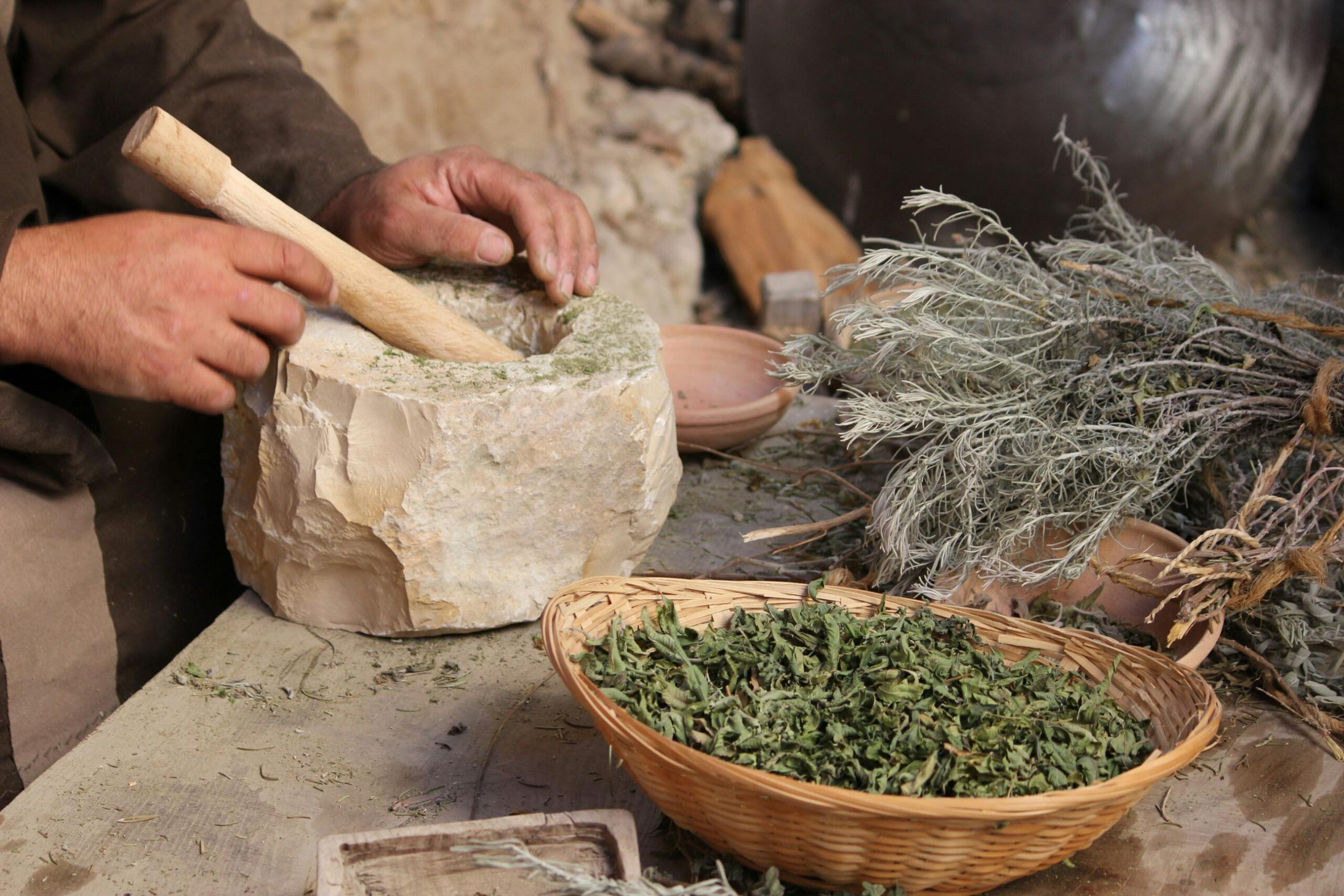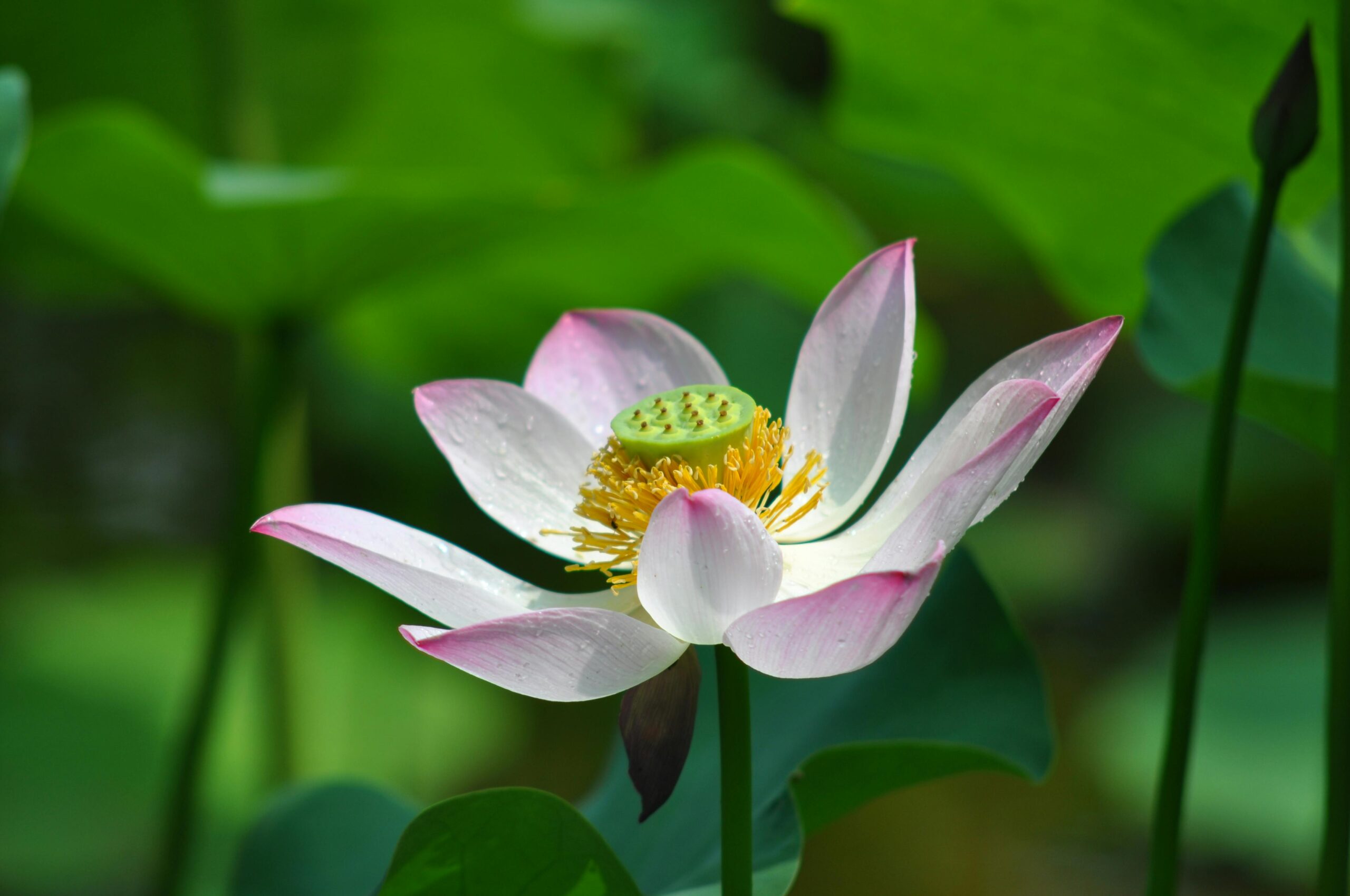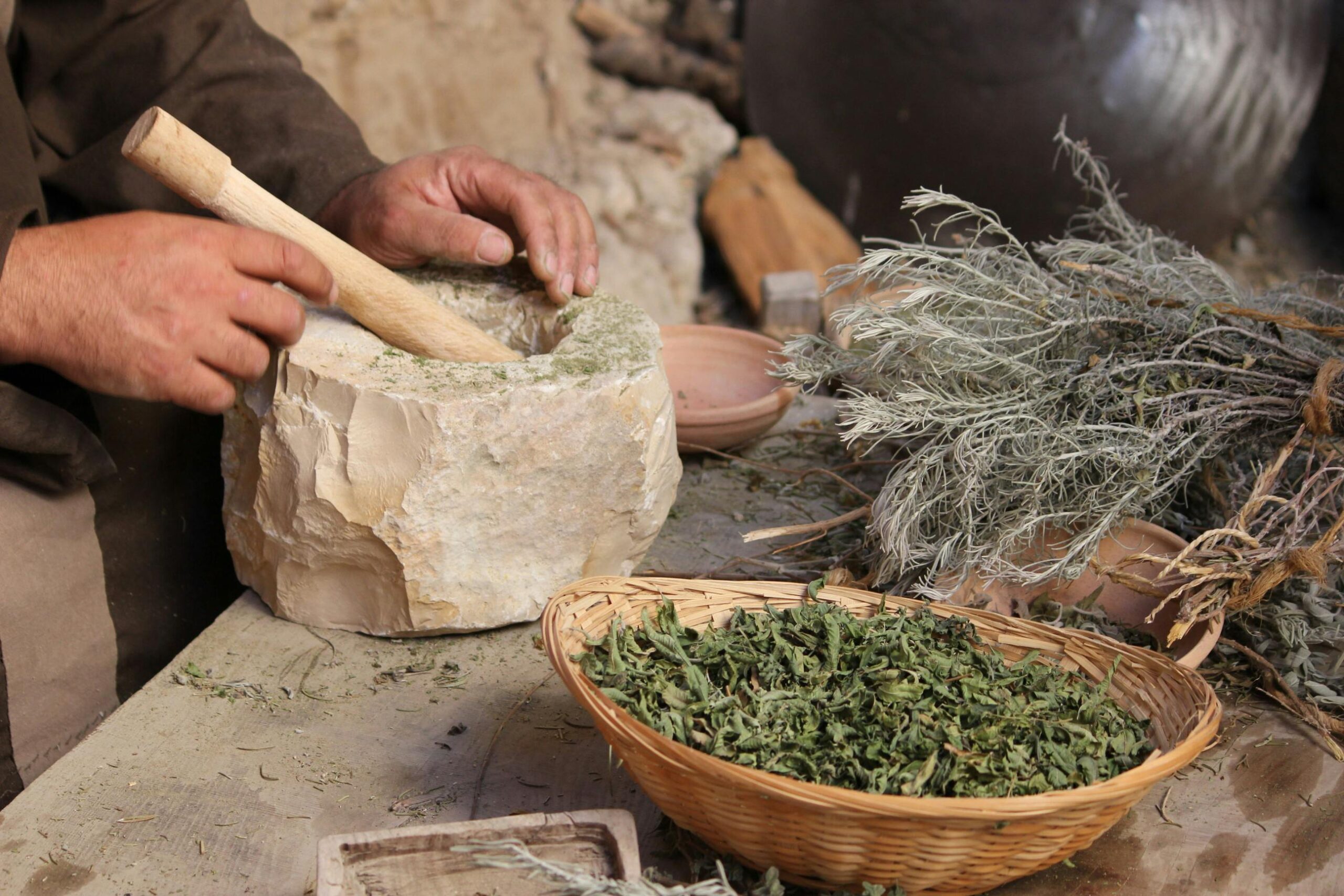
Modern herbal pharmacology bridges ancient botanical wisdom with contemporary scientific validation, transforming traditional plant remedies into evidence-based therapeutic interventions that address today’s most pressing health challenges.

🌿 The Renaissance of Plant-Based Medicine in Clinical Practice
The global healthcare landscape is experiencing a profound shift as researchers, clinicians, and patients increasingly recognize the therapeutic potential of herbal pharmacology. Unlike the reductionist approach of isolating single compounds, modern herbal medicine embraces the synergistic complexity of whole plant extracts, where multiple bioactive constituents work in concert to produce therapeutic effects that often surpass individual components.
This paradigm represents more than nostalgia for traditional remedies. Sophisticated analytical techniques including high-performance liquid chromatography, mass spectrometry, and genomic profiling now allow scientists to identify active compounds, understand mechanisms of action, and validate therapeutic claims that herbalists have made for centuries. The convergence of traditional knowledge and cutting-edge research has created a robust framework for developing safe, effective botanical interventions.
Clinical integration of herbal pharmacology addresses a critical gap in conventional medicine. While pharmaceutical drugs excel at acute interventions, many chronic conditions require gentler, more holistic approaches that support the body’s inherent healing capacity rather than simply suppressing symptoms. Herbal medicines, with their multi-targeted mechanisms and generally favorable safety profiles, offer compelling solutions for long-term health management.
📊 Case Study: Turmeric and Curcumin in Inflammatory Disorders
Perhaps no botanical exemplifies modern herbal pharmacology’s success better than turmeric (Curcuma longa). This golden-hued rhizome, central to Ayurvedic medicine for millennia, has become one of the most extensively researched medicinal plants, with over 15,000 published studies exploring its therapeutic applications.
A landmark 2019 clinical trial published in the Journal of Medicinal Food examined 139 patients with knee osteoarthritis over twelve weeks. Participants receiving standardized curcumin extract demonstrated statistically significant improvements in pain scores, physical function, and quality of life compared to placebo groups. Remarkably, the curcumin group showed reductions in inflammatory biomarkers including C-reactive protein and interleukin-6, confirming the mechanism behind symptomatic relief.
The real-world application extends beyond controlled trials. Dr. Sarah Mitchell, a rheumatologist practicing integrative medicine in Portland, reports incorporating turmeric-based protocols for approximately 40% of her inflammatory arthritis patients. “What impressed me most was the sustained benefit over time,” she explains. “Patients using curcumin formulations with enhanced bioavailability reported not just pain reduction, but improved energy levels, better sleep quality, and reduced need for NSAIDs with their associated gastric side effects.”
Understanding Bioavailability Challenges and Solutions
The turmeric case study illuminates a critical consideration in herbal pharmacology: bioavailability. Pure curcumin exhibits poor absorption and rapid metabolism, limiting therapeutic potential. Modern formulation strategies have addressed this limitation through several innovations:
- Piperine combination: Black pepper extract increases curcumin absorption by up to 2000%
- Liposomal encapsulation: Phospholipid carriers protect curcumin through digestive processes
- Nanoparticle technology: Reduced particle size dramatically enhances cellular uptake
- Phytosome complexation: Binding curcumin to phosphatidylcholine improves bioavailability sevenfold
These pharmaceutical advances transform traditional remedies into precision therapeutics, ensuring patients receive clinically meaningful doses of active constituents. The progression from traditional turmeric powder to scientifically optimized extracts demonstrates how modern pharmacology elevates herbal medicine without abandoning its botanical origins.
🧠 Adaptogens: From Folk Medicine to Stress Management Protocols
Adaptogenic herbs represent another frontier where traditional use meets scientific validation. These remarkable plants help organisms adapt to various stressors, modulating the hypothalamic-pituitary-adrenal axis and supporting homeostasis during physical, chemical, or biological challenges.
Rhodiola rosea, traditionally used by Scandinavian cultures to enhance endurance in harsh climates, has demonstrated impressive results in modern stress research. A double-blind, randomized trial involving 101 individuals with life-stress symptoms showed that Rhodiola extract significantly improved attention, cognitive function, and cortisol response after just four weeks of supplementation.
Corporate wellness programs are increasingly incorporating adaptogenic protocols. Tech giant employees at a Silicon Valley campus participated in a pilot program providing standardized adaptogen formulations containing Rhodiola, Ashwagandha, and Holy Basil. Over six months, participants reported 34% reduction in perceived stress levels, 28% improvement in sleep quality scores, and notably, 19% fewer sick days compared to the previous year.
Ashwagandha: Ancient Rasayana Meets Modern Anxiolytic
Withania somnifera, known as Ashwagandha in Ayurvedic tradition, exemplifies evidence-based adaptogenic therapy. Multiple randomized controlled trials confirm its anxiolytic and stress-reducing properties, with mechanisms including GABAergic modulation and cortisol regulation.
A particularly compelling case involves Jennifer, a 42-year-old executive experiencing chronic stress, insomnia, and anxiety. After conventional approaches provided limited relief with unwanted side effects, her integrative physician recommended a standardized Ashwagandha extract (300mg twice daily). Within three weeks, her Hamilton Anxiety Scale scores decreased from 22 to 11, sleep quality improved measurably on actigraphy monitoring, and morning cortisol levels normalized from previously elevated readings.
“What surprised me wasn’t just anxiety reduction,” Jennifer reports, “but an overall sense of resilience. Stressful situations still occurred, but my response felt more balanced, less reactive. I could think clearly during challenges rather than becoming overwhelmed.”
💚 Cardiovascular Support: Hawthorn’s Evidence-Based Applications
Cardiovascular disease remains the leading cause of mortality globally, making evidence-based preventive strategies essential. Crataegus species (hawthorn) have demonstrated remarkable cardiovascular benefits, particularly for early-stage heart failure and circulatory support.
The SPICE trial, a landmark European study involving 2,681 patients with NYHA class II heart failure, examined hawthorn extract as adjunctive therapy. Results showed significant improvements in exercise tolerance, symptom scores, and quality of life measures. Importantly, the safety profile proved excellent, with adverse events comparable to placebo groups.
Cardiologist Dr. Michael Chen integrates hawthorn protocols for selected patients with early systolic dysfunction. “For patients not yet requiring aggressive pharmaceutical intervention, standardized hawthorn extract offers meaningful support,” he explains. “We see improvements in ejection fraction, exercise capacity, and subjective wellbeing. It’s particularly valuable for patients who cannot tolerate ACE inhibitors or prefer botanical approaches when clinically appropriate.”
Mechanisms Behind Cardiovascular Benefits
Scientific investigation reveals hawthorn’s multi-targeted cardiovascular effects. Oligomeric procyanidins and flavonoids contribute to positive inotropic effects, improving myocardial contractility without increasing oxygen demand—a significant advantage over conventional inotropes. Additional mechanisms include:
- Coronary vasodilation improving myocardial perfusion
- Antioxidant activity protecting against oxidative stress
- ACE inhibition providing mild blood pressure support
- Anti-inflammatory effects reducing vascular inflammation
- Endothelial function enhancement improving vascular health
This polypharmacological profile exemplifies why whole plant extracts sometimes outperform isolated constituents—multiple mechanisms synergize to produce comprehensive therapeutic effects addressing the complexity of cardiovascular pathophysiology.
🌸 Women’s Health: Black Cohosh and Evidence-Based Menopause Management
Menopausal transition presents significant quality-of-life challenges for millions of women annually. While hormone replacement therapy offers relief, concerns about risks have driven interest in evidence-based botanical alternatives. Black cohosh (Actaea racemosa) has emerged as a well-researched option for managing vasomotor symptoms.
A systematic review analyzing 16 randomized controlled trials found that black cohosh significantly reduced hot flash frequency and severity compared to placebo, with effects comparable to low-dose hormone therapy in some studies. The mechanism appears to involve serotonergic pathways rather than direct estrogenic activity, offering relief without hormonal effects.
Clinical nutritionist Amanda Rodriguez shares a representative case: “Maria, 51, experienced 12-15 severe hot flashes daily, disrupting sleep and work performance. Within six weeks of starting standardized black cohosh extract, her hot flashes decreased to 3-4 daily, with reduced intensity. Sleep quality improved dramatically, and she reported feeling ‘like myself again.’ The transformation was remarkable.”
🔬 Standardization and Quality Control: Critical Considerations
The efficacy of herbal pharmacology depends entirely on quality, standardization, and appropriate sourcing. Unlike pharmaceutical drugs with defined chemical structures, botanical products contain complex mixtures requiring sophisticated quality assurance.
Reputable manufacturers implement comprehensive quality protocols including:
- Botanical identity verification through DNA barcoding
- Standardization to specific marker compounds ensuring consistency
- Contamination testing for heavy metals, pesticides, and microbial agents
- Stability testing confirming shelf-life and potency maintenance
- Third-party certification through independent laboratories
Consumers and practitioners should prioritize products with transparent sourcing, published certificates of analysis, and adherence to Good Manufacturing Practices. The quality differential between premium standardized extracts and commodity herbal products is substantial and directly impacts therapeutic outcomes.
⚖️ Safety Profile and Drug-Herb Interactions
While herbal medicines generally demonstrate favorable safety profiles, “natural” does not automatically mean “safe.” Responsible herbal pharmacology requires understanding potential interactions, contraindications, and individual variability in response.
St. John’s Wort (Hypericum perforatum), effective for mild-to-moderate depression, exemplifies the importance of interaction awareness. This botanical induces cytochrome P450 enzymes and P-glycoprotein transporters, potentially reducing levels of numerous medications including oral contraceptives, anticoagulants, immunosuppressants, and chemotherapy agents.
Healthcare providers integrating herbal pharmacology must maintain comprehensive medication histories, understand pharmacokinetic interactions, and monitor patients appropriately. Resources like the Natural Medicines database provide evidence-based interaction checking essential for safe clinical practice.
🎯 Personalized Herbal Protocols: Moving Beyond One-Size-Fits-All
Modern herbal pharmacology increasingly embraces personalization, recognizing that genetic variability, microbiome composition, lifestyle factors, and individual biochemistry influence therapeutic response. This precision approach maximizes benefits while minimizing risks.
Pharmacogenomic considerations affect herbal metabolism. For example, CYP2D6 polymorphisms influence how individuals metabolize certain plant alkaloids. Microbiome composition affects the biotransformation of herbal compounds; gut bacteria convert soy isoflavones into more bioactive equol, but only 30-50% of individuals possess the necessary bacterial strains.
Integrative practitioners are developing sophisticated assessment protocols combining traditional diagnostic approaches with modern biomarker analysis. Comprehensive metabolic panels, inflammatory markers, hormone profiles, and genetic testing inform individualized herbal prescriptions optimized for each patient’s unique physiology.
🌍 Global Integration and Future Directions
The World Health Organization recognizes that approximately 80% of the global population relies on herbal medicines for some aspect of primary healthcare. This reality, combined with growing scientific validation, is driving integration of herbal pharmacology into mainstream medical systems worldwide.
Germany’s Commission E monographs provide regulatory approval for numerous herbal medicines based on safety and efficacy evidence. China’s integration of Traditional Chinese Medicine with Western medicine creates collaborative treatment protocols. India’s AYUSH ministry promotes research validating Ayurvedic interventions. These initiatives reflect recognition that botanical medicine offers valuable therapeutic tools when properly researched and applied.
Future directions include advanced extraction technologies yielding more bioavailable compounds, combination formulas targeting complex pathophysiology, and artificial intelligence applications identifying optimal herbal protocols for specific conditions and patient profiles. Phytomedicine is entering an exciting era where traditional wisdom meets technological innovation.
💡 Implementing Evidence-Based Herbal Protocols
For practitioners considering herbal pharmacology integration, systematic approaches ensure safety and efficacy. Start with well-researched botanicals having robust clinical evidence. Utilize standardized extracts from reputable manufacturers with transparent quality documentation. Begin with conservative dosing, monitoring patient response and adjusting protocols based on individual outcomes.
Education remains paramount. Numerous professional organizations offer herbal pharmacology training for healthcare providers, including the American Herbalists Guild, American Botanical Council, and various naturopathic and integrative medicine institutions. Evidence-based resources like the Natural Standard database, PubMed’s botanical medicine publications, and peer-reviewed herbal pharmacology journals provide ongoing education.
Patient education enhances outcomes and compliance. Explaining mechanisms of action, expected timelines for response, proper administration, and potential interactions empowers patients as active participants in their healing journey. Setting realistic expectations—herbal medicines typically require longer treatment durations than pharmaceutical drugs but offer gentler, more sustainable benefits—prevents premature discontinuation.
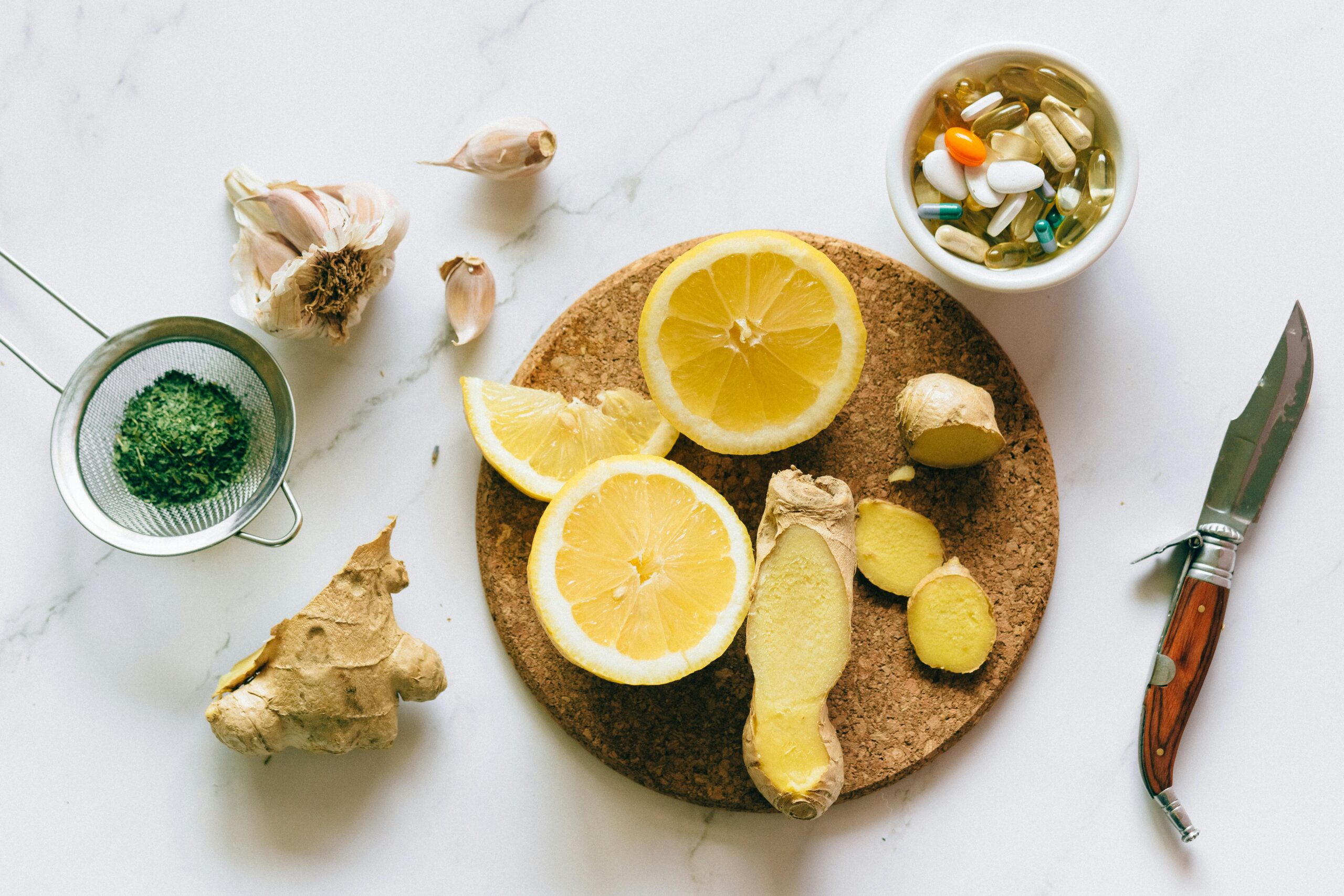
🌟 Transforming Healthcare Through Botanical Wisdom
The convergence of traditional botanical knowledge with modern scientific methodology is revolutionizing how we approach health and wellness. Real-world case studies consistently demonstrate that properly selected, standardized herbal medicines offer meaningful therapeutic benefits for diverse conditions, from inflammatory disorders and stress-related conditions to cardiovascular support and hormonal balance.
This is not about replacing conventional medicine but expanding therapeutic options, providing patients with evidence-based choices aligned with their values and health goals. The most sophisticated healthcare model integrates the best of all medical traditions—pharmaceutical interventions when needed, botanical medicines where appropriate, lifestyle modifications always, and patient-centered care that honors individual preferences and circumstances.
As research continues illuminating the complex pharmacology of medicinal plants, as quality standards improve ensuring consistency and safety, and as healthcare providers gain competency in evidence-based herbal applications, botanical medicine will increasingly occupy its rightful place as a legitimate, valuable component of comprehensive healthcare delivery.
The power of modern herbal pharmacology lies not in rejecting scientific progress but in applying rigorous methodology to nature’s pharmacy, unlocking therapeutic potential that has sustained human health for millennia. By bridging ancient wisdom with contemporary validation, we create a healthcare paradigm that is both evidence-based and holistically oriented—precisely what patients deserve and increasingly demand.