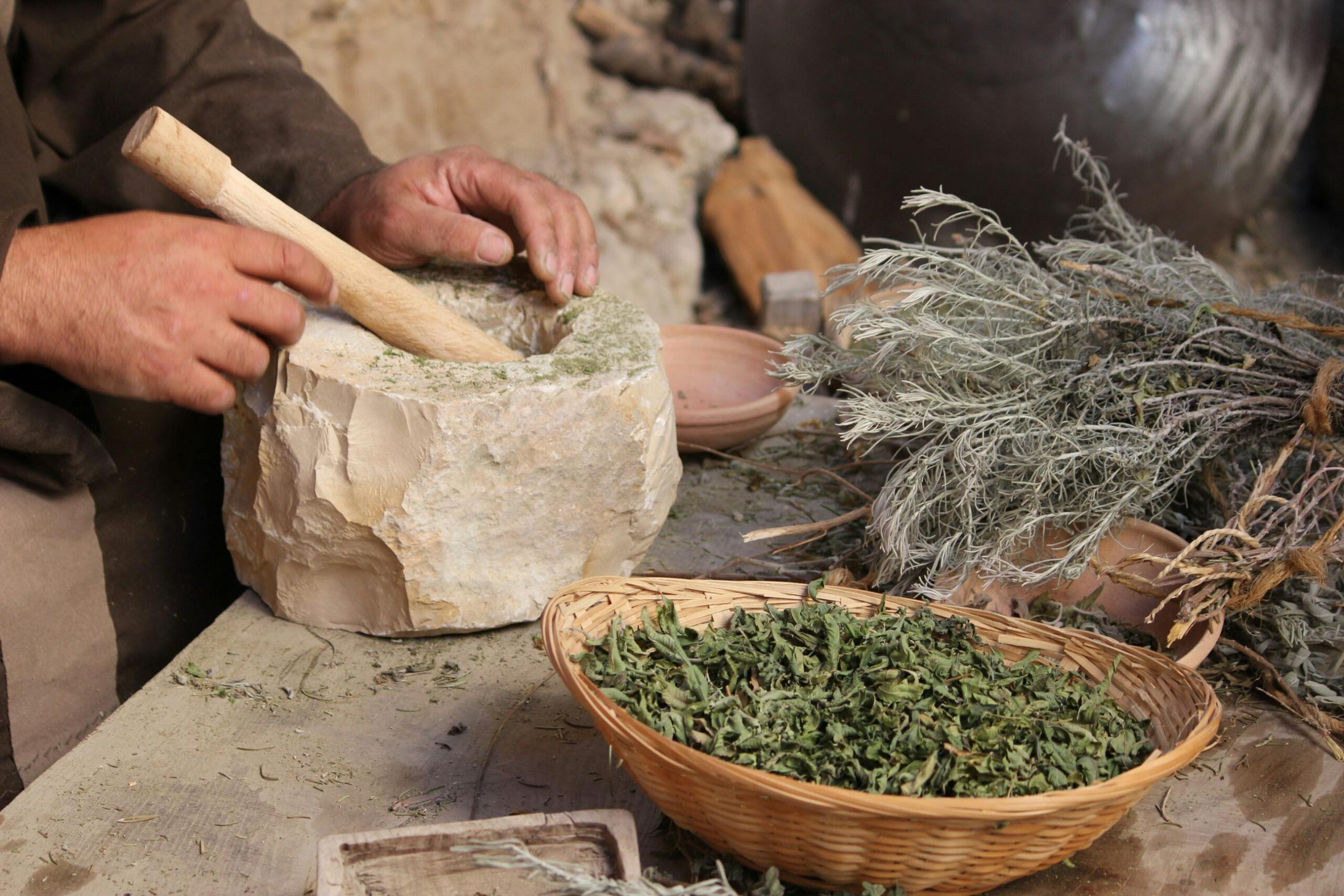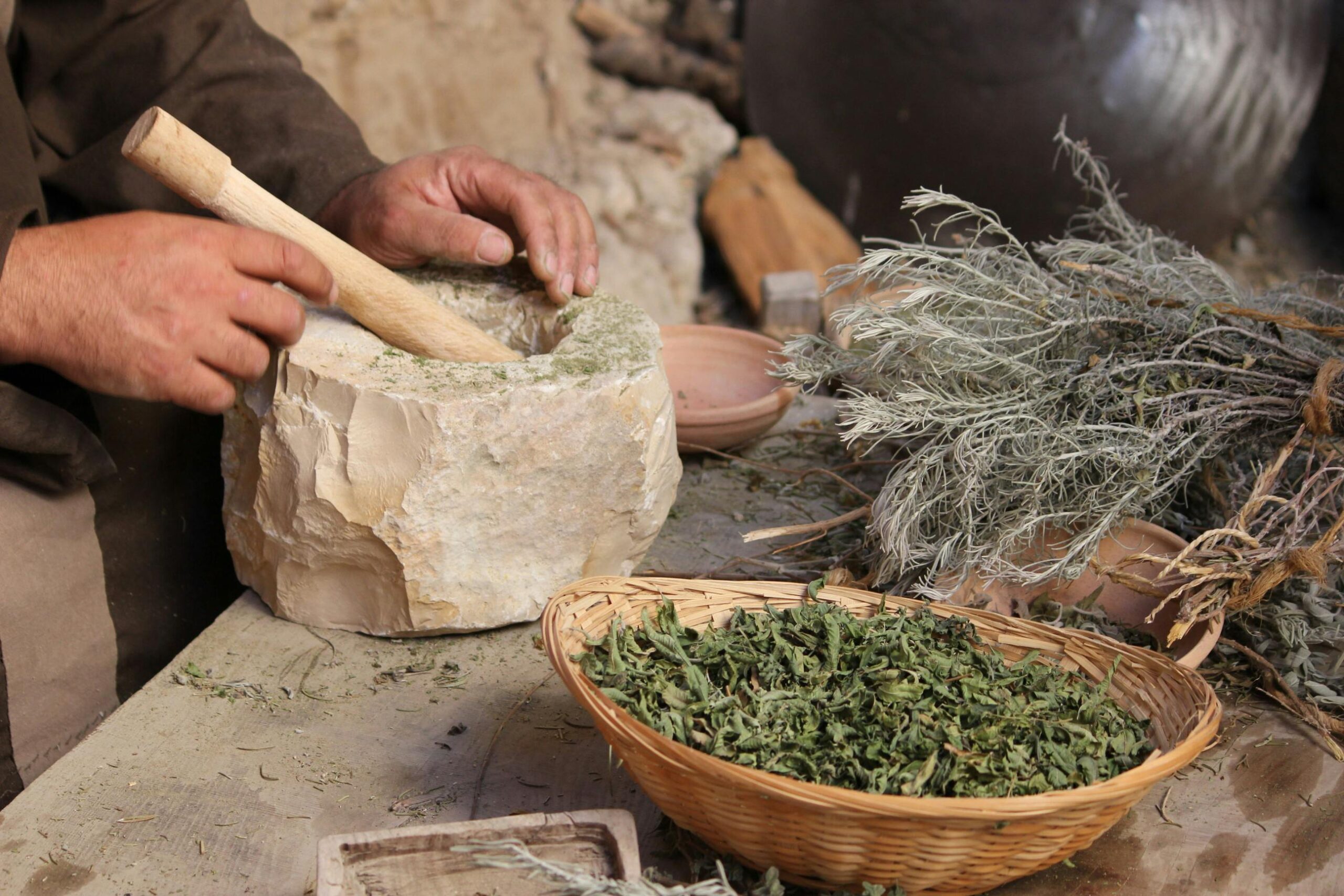
The fusion of ancient herbal wisdom with cutting-edge digital technology is transforming how we discover, develop, and distribute botanical medicines worldwide.

🌿 The Digital Renaissance of Traditional Herbal Knowledge
For millennia, herbal medicine has been humanity’s primary healthcare resource, with knowledge passed down through generations via oral traditions and handwritten manuscripts. Today, we’re witnessing an unprecedented transformation as digital tools breathe new life into these ancient practices. The convergence of pharmacology, information technology, and traditional botanical knowledge is creating opportunities that our ancestors could never have imagined.
Modern pharmacologists are now equipped with computational power that can analyze thousands of plant compounds in minutes—a task that would have taken decades using conventional laboratory methods. This technological leap is not replacing traditional knowledge; rather, it’s amplifying and validating centuries-old wisdom with scientific precision.
The pharmaceutical industry has recognized that approximately 25% of modern drugs are derived from plants, yet we’ve only scientifically investigated a fraction of the world’s botanical diversity. Digital tools are accelerating this exploration, helping researchers identify promising candidates for drug development faster than ever before.
🔬 Machine Learning: The New Herbalist’s Companion
Artificial intelligence and machine learning algorithms have emerged as powerful allies in herbal medicine research. These sophisticated systems can predict which plant compounds might be effective against specific diseases by analyzing vast datasets of chemical structures, biological activities, and clinical outcomes.
One of the most exciting applications involves predictive modeling of herb-drug interactions. Traditional pharmacological testing of every possible combination would be impossibly time-consuming and expensive. Machine learning models can now screen thousands of potential interactions virtually, flagging concerns that warrant further investigation and identifying synergistic combinations that might enhance therapeutic effects.
Deep learning neural networks are being trained on historical texts from traditional Chinese medicine, Ayurvedic practices, and indigenous healing systems. These AI systems can identify patterns in symptom descriptions, herbal formulations, and treatment outcomes that might escape human observation, bridging ancient knowledge with modern diagnostic categories.
Molecular Docking and Virtual Screening
Digital molecular docking software allows researchers to simulate how plant compounds interact with specific proteins and receptors in the human body. This virtual screening process helps identify promising herbal candidates before investing in expensive laboratory testing. Researchers can now test thousands of phytochemicals against disease targets in silico, dramatically reducing the time and cost of drug discovery.
These computational approaches have already led to breakthrough discoveries. Several anti-cancer compounds, anti-viral agents, and anti-inflammatory molecules from plants have been identified through virtual screening and later validated in laboratory and clinical studies.
📱 Mobile Applications Democratizing Herbal Knowledge
Smartphone applications are placing comprehensive herbal medicine databases in the pockets of practitioners, students, and enthusiasts worldwide. These apps provide instant access to information about plant identification, traditional uses, active compounds, dosage recommendations, and safety considerations.
Modern herbal medicine apps incorporate features like image recognition for plant identification, interactive symptom checkers that suggest appropriate botanical remedies, and personalized recommendation systems based on individual health profiles. Some applications even allow users to track their symptoms and herbal interventions, creating valuable real-world data for researchers.
For healthcare practitioners integrating herbal medicine into their practice, clinical decision support apps provide evidence-based information at the point of care. These tools help practitioners navigate the complex landscape of herb-drug interactions, contraindications, and appropriate dosing for different patient populations.
🗄️ Big Data Analytics Revealing Hidden Patterns
The era of big data has arrived in herbal pharmacology, and the implications are profound. Researchers can now analyze millions of patient records, clinical trials, social media discussions, and traditional medicine texts to uncover patterns and correlations that would be impossible to detect through conventional methods.
Network pharmacology represents a paradigm shift in understanding how herbal medicines work. Unlike synthetic drugs that typically target single molecules, herbal preparations contain dozens or hundreds of active compounds that interact with multiple biological pathways simultaneously. Network analysis tools help visualize and understand these complex multi-target, multi-pathway effects.
Data mining techniques are being applied to electronic health records to identify real-world effectiveness of herbal interventions. These observational studies complement traditional randomized controlled trials, providing evidence about how herbal medicines perform in diverse populations under everyday clinical conditions.
Pharmacovigilance and Safety Monitoring
Digital surveillance systems are improving the safety profile of herbal medicines by detecting adverse effects and interactions more quickly than traditional reporting methods. Social media monitoring, online forum analysis, and electronic health record screening can identify emerging safety signals that warrant investigation.
These proactive monitoring systems are particularly valuable given that herbal products are often sold with less regulatory oversight than pharmaceutical drugs. Early detection of safety issues protects consumers and helps maintain confidence in legitimate herbal medicine practices.
🧬 Genomics and Personalized Herbal Medicine
The convergence of genomics and digital health is enabling personalized approaches to herbal medicine. Genetic variations affect how individuals metabolize both pharmaceutical drugs and herbal compounds. Digital platforms can now integrate genetic information with herbal medicine knowledge to provide personalized recommendations.
Pharmacogenomic databases are being expanded to include information about genetic variants that affect responses to herbal medicines. This knowledge helps practitioners understand why certain patients respond well to specific herbs while others experience minimal benefits or adverse effects.
Digital health platforms are beginning to incorporate this personalized information, suggesting herbal interventions tailored to individual genetic profiles, health histories, and current medication regimens. This precision medicine approach maximizes therapeutic benefits while minimizing risks.
🌍 Global Collaboration Through Digital Platforms
Digital connectivity is fostering unprecedented collaboration among herbal medicine researchers, practitioners, and traditional knowledge holders worldwide. Online platforms enable rapid sharing of research findings, clinical experiences, and traditional knowledge across geographical and cultural boundaries.
Crowdsourcing initiatives are documenting traditional herbal knowledge that might otherwise be lost as elder practitioners pass away without successors. Digital ethnobotanical databases preserve this wisdom while making it accessible to researchers who can validate and develop it further.
International research collaborations are accelerated by cloud-based laboratory information management systems that allow teams across continents to share data, protocols, and results in real-time. This global cooperation is essential for addressing worldwide health challenges where herbal medicines might offer solutions.
🔍 Quality Control Through Advanced Analytics
Ensuring the quality, purity, and consistency of herbal products has long been a challenge in botanical medicine. Digital tools are revolutionizing quality control through sophisticated analytical techniques coupled with data management systems.
Spectroscopic fingerprinting using techniques like high-performance liquid chromatography (HPLC) generates digital signatures for herbal products. These fingerprints can be compared against reference standards to verify authenticity and detect adulteration. Machine learning algorithms can identify subtle variations that might indicate quality issues or botanical misidentification.
Blockchain technology is being implemented in herbal medicine supply chains to provide transparent tracking from cultivation through processing to final product. This digital ledger system helps combat counterfeiting and ensures that products contain what their labels claim.
DNA Barcoding and Authentication
Digital DNA sequencing technologies enable rapid and accurate identification of plant species in herbal products. This molecular authentication is particularly important for expensive herbs where economic adulteration is common, and for toxic plants that might be mistaken for beneficial species.
Portable DNA sequencing devices are now available that can perform authentication testing in the field or at points of sale. These tools help regulators, retailers, and consumers verify product authenticity without requiring specialized laboratory facilities.
💊 Clinical Trials Transformed by Digital Technology
Conducting rigorous clinical trials of herbal medicines has been hampered by challenges including complex mixtures of active ingredients, traditional formulations that are difficult to standardize, and limited research funding. Digital technologies are addressing many of these obstacles.
Virtual clinical trials, also called decentralized trials, use digital tools to recruit participants, collect data, and monitor outcomes remotely. This approach reduces costs, expands participant diversity, and makes trials more convenient for volunteers. For herbal medicine research, which often struggles with limited budgets, these efficiencies are particularly valuable.
Wearable sensors and smartphone apps enable continuous monitoring of physiological parameters, providing richer data than traditional clinical trials that rely on periodic clinic visits. This continuous data collection is especially useful for evaluating herbal interventions that may have subtle or gradual effects.
Digital platforms also facilitate pragmatic trials that evaluate herbal medicines under real-world conditions rather than tightly controlled laboratory settings. These studies provide evidence about how herbs perform in typical clinical practice, complementing traditional efficacy trials.
🎓 Education and Training in the Digital Age
Digital platforms are transforming how herbalists, pharmacologists, and healthcare practitioners learn about botanical medicine. Online courses, virtual reality simulations, and interactive databases provide accessible, engaging educational experiences that were previously available only through in-person apprenticeships or university programs.
Virtual reality applications allow students to explore three-dimensional molecular structures of plant compounds, visualize their interactions with biological targets, and even take virtual field trips to botanical gardens and wild plant habitats. These immersive experiences enhance understanding and retention of complex pharmacological concepts.
Massive open online courses (MOOCs) are democratizing access to expert instruction in herbal medicine and pharmacology. Students worldwide can learn from leading researchers and practitioners without the barriers of geographic location or financial constraints.
⚖️ Navigating Regulatory Challenges with Digital Solutions
The regulatory landscape for herbal medicines is complex and varies significantly across countries. Digital tools are helping manufacturers, researchers, and regulators navigate these challenges more effectively.
Regulatory intelligence platforms aggregate information about herbal medicine regulations worldwide, helping companies understand requirements for different markets. These systems track regulatory changes, clinical trial requirements, and quality standards, providing alerts when relevant updates occur.
Digital submission systems streamline the process of applying for approvals and registrations, reducing paperwork burdens and processing times. Standardized electronic formats facilitate review by regulatory agencies and improve transparency in the approval process.
🌱 Sustainable Cultivation Through Precision Agriculture
Digital technologies are supporting sustainable cultivation of medicinal plants through precision agriculture techniques. Sensors, drones, and satellite imagery provide detailed information about soil conditions, moisture levels, and plant health, enabling optimized growing conditions that maximize the production of therapeutic compounds.
Data analytics help growers predict optimal harvest times when active ingredient concentrations peak, ensuring maximum potency of herbal materials. This precision reduces waste and improves the economic viability of medicinal plant farming.
Climate modeling and geographic information systems help identify suitable growing regions for endangered or difficult-to-cultivate medicinal species. This capability supports conservation efforts and reduces pressure on wild populations of threatened medicinal plants.
🔮 The Future Landscape of Digital Herbal Pharmacology
As we look ahead, the integration of digital tools with herbal medicine will only deepen and expand. Emerging technologies like quantum computing may enable even more sophisticated molecular simulations, while advances in artificial intelligence could lead to autonomous systems that design novel herbal formulations optimized for specific therapeutic goals.
The Internet of Things is connecting cultivation, processing, distribution, and consumption of herbal medicines into integrated digital ecosystems. Smart packaging might soon inform consumers about proper storage, usage, and even monitor compliance with dosing recommendations.
Augmented reality applications could overlay digital information onto physical plants during field identification, displaying traditional uses, active compounds, and harvesting guidelines. These tools would make botanical knowledge more accessible to new generations of practitioners and enthusiasts.
The continued growth of digital health records and interoperability standards will enable large-scale observational studies of herbal medicine effectiveness across diverse populations and healthcare settings. This real-world evidence will complement traditional research methods and inform clinical practice guidelines.

🤝 Bridging Ancient Wisdom and Modern Innovation
The digital revolution in herbal medicine is not about replacing traditional knowledge with technology—it’s about creating synergies that honor ancient wisdom while embracing modern capabilities. Indigenous practitioners and traditional healers bring irreplaceable insights based on centuries of observation and experimentation. Digital tools can validate, preserve, and extend this knowledge without diminishing its cultural significance.
Successful integration requires respectful collaboration that acknowledges intellectual property rights, ensures benefit-sharing with source communities, and maintains cultural context for traditional practices. Digital platforms can facilitate these ethical partnerships when designed with appropriate safeguards and community involvement.
The pharmaceutical potential of the world’s estimated 400,000 plant species remains largely unexplored. Digital tools are accelerating our ability to investigate this botanical diversity systematically, potentially uncovering solutions to currently untreatable diseases while validating remedies that traditional practitioners have used for generations.
As chronic diseases proliferate worldwide and antibiotic resistance threatens modern medicine’s foundation, the combination of herbal medicine and digital innovation offers promising alternatives and complements to conventional pharmaceuticals. This convergence is not a futuristic fantasy—it’s happening now in laboratories, clinics, and communities around the globe.
The revolution in herbal pharmacology powered by digital tools represents one of the most exciting frontiers in healthcare. By thoughtfully integrating technological capabilities with traditional botanical knowledge, we’re creating a new paradigm that respects the past while embracing the future. This synthesis has the potential to deliver safer, more effective, and more personalized healthcare solutions that benefit patients worldwide while supporting sustainable use of our planet’s precious botanical resources.