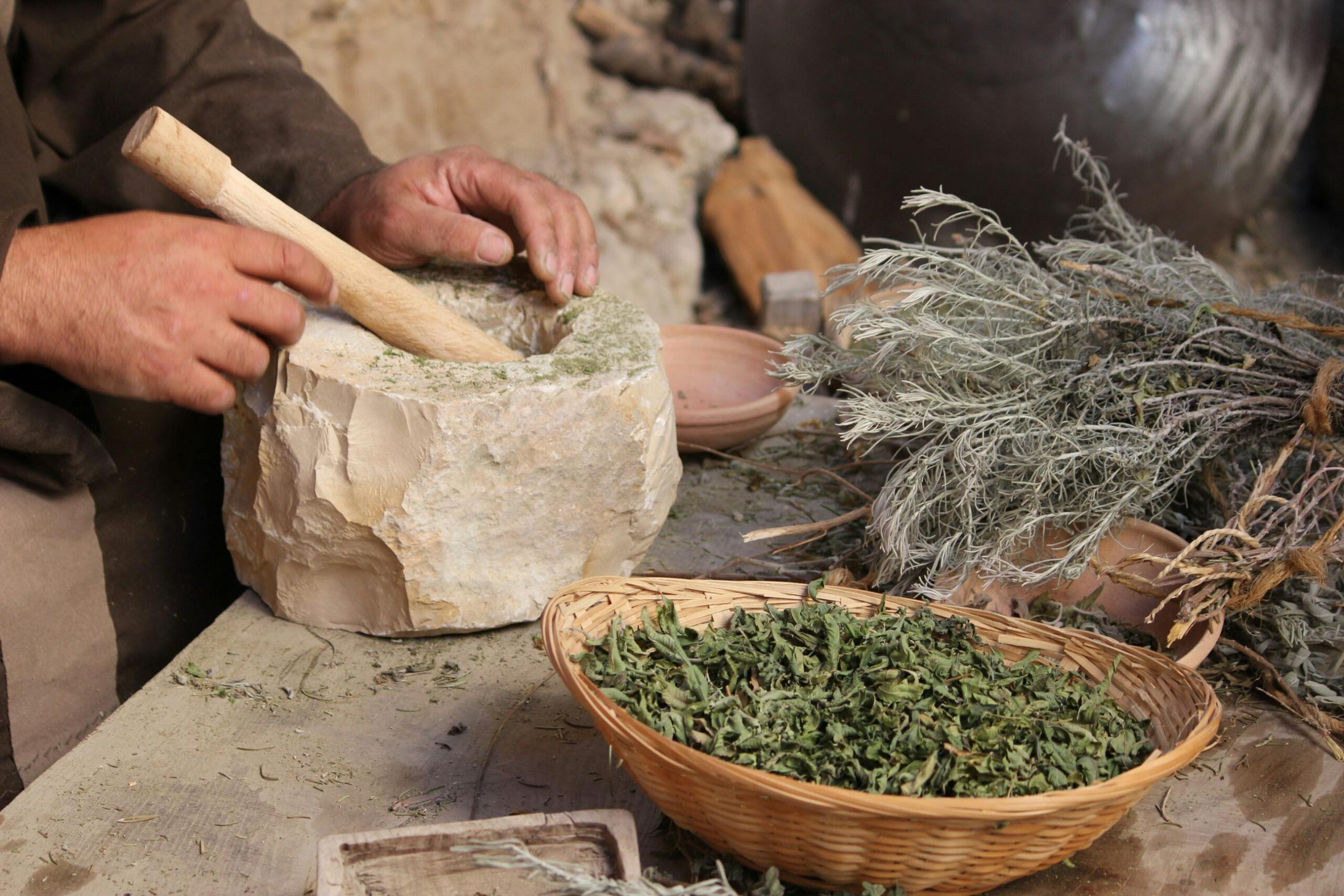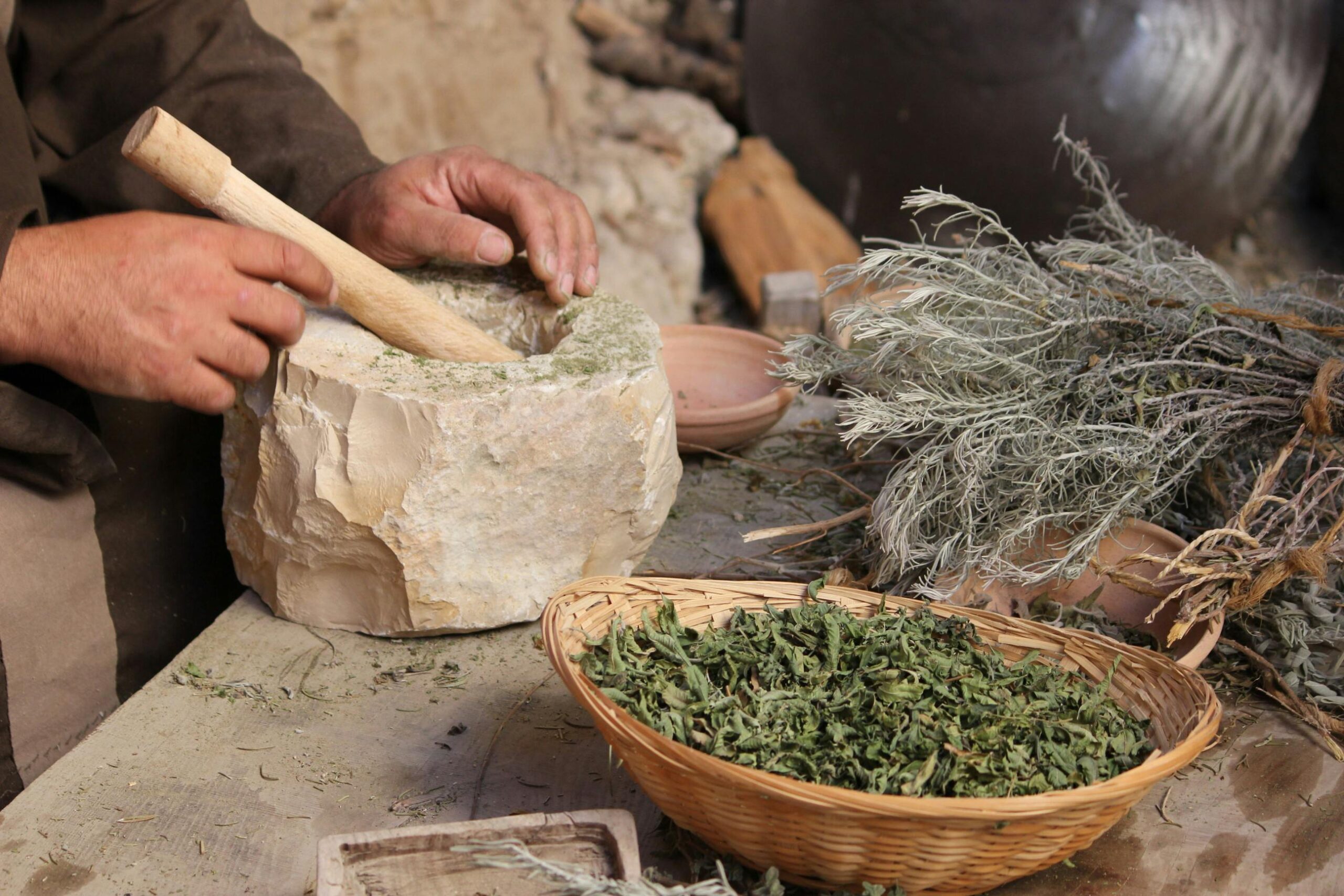
Modern herbal pharmacology bridges ancient wisdom with contemporary science, offering accessible solutions for maintaining daily wellness through natural plant-based remedies that support your body’s inherent healing capabilities.

🌿 The Renaissance of Herbal Medicine in Contemporary Healthcare
We’re witnessing an unprecedented resurgence in herbal medicine as people worldwide seek alternatives to conventional pharmaceuticals. This movement isn’t about rejecting modern medicine but rather integrating time-tested botanical remedies with scientific understanding. Today’s herbal pharmacology combines millennia of traditional knowledge with rigorous clinical research, creating a powerful toolkit for preventive health care.
The global herbal supplements market has experienced exponential growth, reflecting a fundamental shift in how we approach wellness. People are increasingly recognizing that optimal health isn’t merely the absence of disease but a dynamic state of physical, mental, and emotional balance. Herbal remedies excel in this preventive paradigm, offering gentle yet effective support for our body’s natural regulatory systems.
What distinguishes modern herbal pharmacology from historical herbalism is the scientific validation of traditional uses. Researchers are identifying active compounds, understanding mechanisms of action, and conducting clinical trials that demonstrate efficacy. This evidence-based approach gives us confidence in using herbs not as alternatives to medicine, but as complementary tools for maintaining wellness.
Understanding How Herbal Medicines Work in Your Body
Unlike synthetic pharmaceuticals that typically target single pathways with concentrated doses, herbal medicines work through synergistic actions of multiple compounds. This complexity is actually their strength—plants contain hundreds of phytochemicals that work together, often with fewer side effects than isolated compounds.
The human body has evolved alongside plants for millions of years, developing receptors and metabolic pathways that recognize and utilize plant compounds. This biological compatibility explains why herbal remedies often feel gentler and more harmonious with our physiology. Many herbs work by modulating rather than forcing biological processes, supporting the body’s natural tendency toward homeostasis.
The Concept of Adaptogenic Support
Adaptogens represent one of the most fascinating categories in herbal pharmacology. These remarkable plants help your body adapt to stress, whether physical, chemical, or biological. Rather than pushing your system in one direction, adaptogens normalize function—raising what’s low and lowering what’s high.
Classic adaptogens like ashwagandha, rhodiola, and holy basil have demonstrated their ability to modulate cortisol levels, support energy production, and enhance mental clarity. They’re particularly valuable in our modern world, where chronic stress undermines health at every level.
Building Your Daily Herbal Wellness Routine ☕
Incorporating herbal solutions into your daily life doesn’t require dramatic lifestyle changes. The key is consistency and choosing herbs that align with your specific needs and constitution. Start with one or two herbs, observe their effects over several weeks, then adjust your protocol accordingly.
Morning Energizers: Natural Alternatives to Excessive Caffeine
While coffee has its place, relying solely on caffeine creates an energy rollercoaster. Herbal energizers work differently, supporting your body’s natural vitality without the crash. Green tea provides gentle caffeine alongside L-theanine, which promotes calm focus. Matcha amplifies these benefits with concentrated antioxidants.
For caffeine-free energy, consider yerba mate or guayusa, which contain gentle stimulants alongside nutrients that support sustained energy. Ginseng varieties offer non-stimulant energy enhancement by improving cellular energy production and oxygen utilization. Many people find that rotating these options prevents tolerance while maintaining consistent energy levels.
Digestive Support Throughout Your Day
Digestive health forms the foundation of overall wellness, influencing everything from immunity to mood. Simple herbal strategies can transform your digestive experience. Ginger tea before meals stimulates digestive enzyme production, while peppermint tea after meals reduces bloating and supports comfortable digestion.
Bitter herbs like dandelion root and gentian, taken 15-20 minutes before eating, trigger the entire digestive cascade. This ancient practice, nearly forgotten in modern culture, profoundly impacts nutrient absorption and elimination. Fennel seeds, chewed after meals, provide carminative action that releases trapped gas and soothes intestinal spasms.
Herbal Solutions for Stress Management and Mental Clarity 🧠
The mental health crisis plaguing modern society demands accessible solutions. While herbal remedies aren’t substitutes for professional mental health care in serious conditions, they offer valuable support for everyday stress, mild anxiety, and cognitive function.
Calming the Nervous System Naturally
Chamomile isn’t just your grandmother’s bedtime tea—it’s a scientifically validated nervine with compounds that bind to the same brain receptors as anti-anxiety medications, but without dependency risks. Regular consumption can reduce general anxiety and improve sleep quality.
Lemon balm offers similar calming effects while also supporting cognitive function and mood. Studies show it reduces anxiety-related restlessness and promotes calm alertness. Passionflower provides stronger anxiolytic effects, particularly helpful for anxiety that manifests as physical tension or racing thoughts.
Skullcap and milky oats are lesser-known but profoundly effective nervines. Skullcap addresses the “wired and tired” state many experience from chronic stress, while milky oats nourish depleted nervous systems, building resilience over time.
Enhancing Focus and Cognitive Performance
Nootropic herbs support brain function without the jittery overstimulation of conventional stimulants. Bacopa monnieri, used in Ayurvedic medicine for centuries, enhances memory formation and recall while reducing anxiety. Research confirms it improves information processing and learning speed with consistent use over 8-12 weeks.
Gotu kola supports cerebral circulation and appears to enhance the integrity of blood vessels in the brain. Lion’s mane mushroom stimulates nerve growth factor production, potentially supporting brain plasticity and cognitive longevity. Rosemary contains compounds that inhibit the breakdown of acetylcholine, a neurotransmitter essential for memory and learning.
Immune System Support Through Botanical Allies 🛡️
Rather than waiting until you’re sick, herbal immune support focuses on maintaining robust defenses year-round. Different herbs work at different stages of immune response, from prevention to active fighting to recovery.
Building Immune Resilience
Astragalus stands out as a supreme immune tonic, particularly when taken preventively during cold and flu season. It increases white blood cell production and enhances the activity of natural killer cells. Unlike stimulating immune herbs, astragalus can be taken long-term to build foundational immune strength.
Medicinal mushrooms—reishi, turkey tail, cordyceps, and chaga—contain beta-glucans that train immune cells to respond appropriately to threats. These immunomodulators don’t simply boost immunity; they help it function more intelligently, which is crucial for those with autoimmune tendencies.
Acute Immune Response Herbs
When you feel something coming on, elderberry syrup can reduce the duration and severity of viral infections. Its compounds prevent viruses from entering cells and have direct antiviral effects. Echinacea, despite conflicting studies, shows benefits when taken at the first sign of illness rather than preventively.
Andrographis, less known in Western herbalism, demonstrates impressive results for upper respiratory infections. Research shows it reduces symptom severity and duration comparably to conventional medications. Combining it with eleuthero enhances both effectiveness and recovery speed.
Sleep Optimization Through Herbal Wisdom 😴
Quality sleep determines the success of every other health practice. Herbal sleep support addresses different aspects of the sleep cycle, from falling asleep to staying asleep to achieving restorative deep sleep stages.
Creating Your Evening Wind-Down Protocol
Effective sleep herbalism begins 2-3 hours before bed. California poppy provides gentle sedation without morning grogginess, while addressing pain or physical discomfort that interferes with sleep. Magnolia bark reduces cortisol and anxiety while promoting sleepiness.
Valerian root remains one of the most researched sleep herbs, though it doesn’t work for everyone. Those who respond well experience deeper sleep and wake feeling more refreshed. Combining valerian with hops creates synergistic effects, as these herbs historically grew together and were traditionally paired.
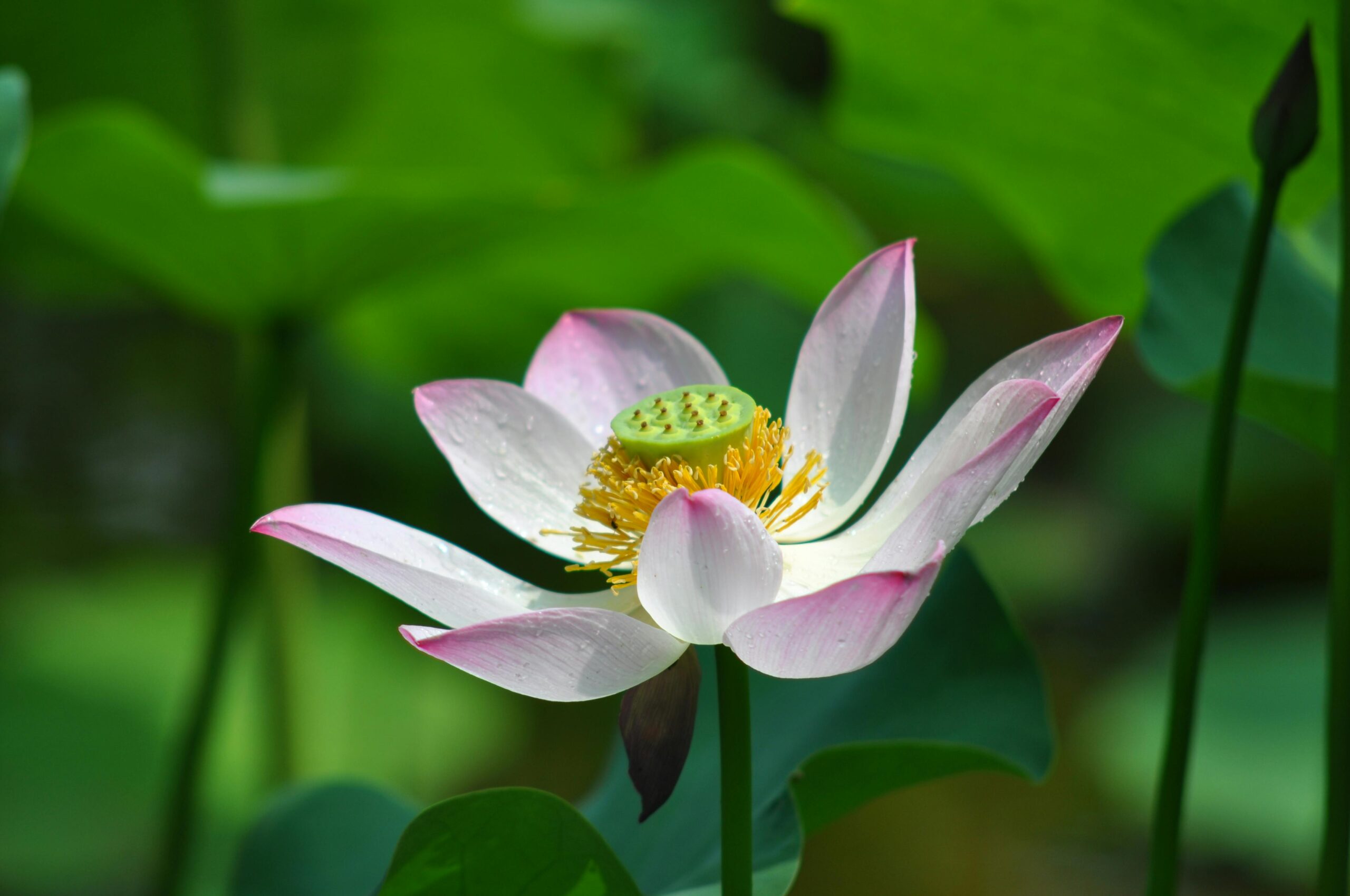
For those with racing thoughts preventing sleep, holy basil taken in the evening reduces mental chatter while supporting healthy cortisol rhythms. Blue lotus creates a gentle euphoric relaxation that many find helpful for transitioning from active mind to sleep state.
Anti-Inflammatory Herbs for Daily Maintenance 🔥
Chronic low-grade inflammation underlies most modern chronic diseases. While acute inflammation is necessary for healing, persistent inflammation accelerates aging and disease progression. Herbal anti-inflammatories offer sustained support without the gastric side effects of NSAIDs.
Turmeric: Beyond the Hype
Turmeric’s active compound curcumin has been exhaustively studied, showing effects on over 700 genes and multiple inflammatory pathways. However, curcumin alone is poorly absorbed. Traditional preparation methods using black pepper (which contains piperine) or fats dramatically enhance bioavailability.
Golden milk—turmeric mixed with warm milk, black pepper, and healthy fats—represents ancient wisdom validated by modern science. For therapeutic doses, standardized extracts with enhanced absorption technologies may be necessary, but culinary use of turmeric still provides meaningful benefits.
Other Powerful Anti-Inflammatory Botanicals
Boswellia, derived from frankincense resin, inhibits inflammatory enzymes without damaging the stomach lining. It’s particularly effective for inflammatory joint conditions and inflammatory bowel conditions. Ginger provides both immediate and cumulative anti-inflammatory effects, working through multiple mechanisms.
White willow bark contains salicin, which the body converts to salicylic acid—the natural precursor to aspirin. It provides pain relief and anti-inflammatory action with less gastric irritation than synthetic aspirin. Devil’s claw, though less known, demonstrates remarkable efficacy for inflammatory pain, particularly in the musculoskeletal system.
Cardiovascular Support Through Plant Medicine ❤️
Heart health begins with daily choices, and herbal cardiovascular support offers gentle yet effective maintenance. These herbs work through various mechanisms—improving lipid profiles, supporting healthy blood pressure, strengthening vessel walls, and reducing oxidative stress.
Herbs for Healthy Circulation
Hawthorn berry stands as the premier cardiovascular tonic in Western herbalism. It strengthens heart muscle contractions, improves blood flow to the heart, and provides antioxidant protection to cardiovascular tissues. Research supports its use for mild heart failure and as preventive support for those with cardiovascular risk factors.
Garlic’s cardiovascular benefits extend beyond cholesterol reduction. It improves arterial flexibility, reduces platelet aggregation, and provides antimicrobial effects. While cooking reduces some benefits, consuming one raw clove daily or taking aged garlic extract provides therapeutic effects.
Hibiscus tea, enjoyed for its tart flavor, clinically reduces blood pressure comparably to some medications in mild cases. Regular consumption also improves cholesterol ratios. Ginkgo biloba enhances peripheral circulation, particularly beneficial for cold extremities and cognitive function related to reduced cerebral blood flow.
Practical Integration: Making Herbs Work in Real Life 🏡
Understanding herbs theoretically means little without practical implementation. Success comes from creating systems that fit your lifestyle rather than requiring complete life restructuring.
Choosing Your Delivery Methods
Teas provide ritual and hydration alongside herbal benefits. They’re ideal for herbs you want to consume regularly in moderate amounts. Tinctures offer convenience and concentrated doses in small volumes, perfect for busy schedules. Capsules remove taste barriers and provide standardized dosing.
Powders mixed into smoothies, golden milk, or food integrate herbs seamlessly into meals. This works particularly well for adaptogens and nutritive herbs like maca, ashwagandha, and medicinal mushrooms. Fresh herbs in cooking—rosemary, thyme, oregano, garlic—provide both flavor and medicine.
Creating Personalized Herbal Formulas
Single herbs have their place, but combining herbs often produces superior results. Traditional herbal systems use formulation principles that balance primary therapeutic herbs with supporting herbs that enhance absorption, reduce potential side effects, and broaden effects.
A basic immune formula might combine astragalus as the foundational immune tonic, elderberry for antiviral effects, and ginger to enhance circulation and absorption. A sleep formula could pair valerian for sedation, passionflower for anxiety, and chamomile for gentle nervine support.
Safety Considerations and Quality Matters 🔍
Natural doesn’t automatically mean safe. While herbal medicines generally have wider safety margins than pharmaceuticals, respect and knowledge are essential. Drug-herb interactions exist, particularly with blood thinners, diabetes medications, and psychiatric drugs.
Quality varies dramatically among herbal products. Look for companies that provide third-party testing for identity, purity, and potency. Certifications like USP, NSF, or certified organic indicate higher standards. Understanding whether you need organic versus wildcrafted versus conventionally grown depends on the specific herb and how it’s used.
Proper identification is critical—some toxic plants closely resemble medicinal ones. Purchase from reputable sources rather than foraging unless you have expert-level identification skills. Start with lower doses and increase gradually, observing your body’s response.

Transforming Daily Life Through Plant Wisdom 🌱
The journey into herbal wellness isn’t about perfection or completely replacing modern medicine. It’s about reclaiming agency over your health through accessible, time-tested remedies supported by growing scientific evidence. Each cup of herbal tea, each capsule of adaptogens, each spoonful of medicinal honey represents a choice to support your body’s innate healing wisdom.
Modern herbal pharmacology empowers us to address health at its roots—literally and figuratively. Rather than waiting until disease manifests, we can provide our bodies with daily support that maintains balance, strengthens resilience, and optimizes function. The herbs discussed here represent just a fraction of the botanical pharmacy available to us.
As you integrate these practices, remember that herbs work best within a holistic lifestyle framework. They amplify the benefits of good nutrition, adequate sleep, stress management, and regular movement. No herb can compensate for fundamentally unhealthy lifestyle patterns, but when combined with solid foundations, they provide the edge that transforms good health into optimal wellness.
Start where you are, with one or two herbs that address your most pressing needs. Observe, adjust, and expand your herbal toolkit gradually. Trust the process—plants work with subtle intelligence, and benefits often emerge over weeks rather than hours. Your relationship with herbal medicine deepens over time, becoming more intuitive and personalized as you learn your body’s unique responses.
The power of plants has sustained humanity throughout our existence. By combining ancestral wisdom with contemporary understanding, we create a sustainable approach to wellness that honors both tradition and science. Your daily herbal practice becomes not just health maintenance but a meaningful connection to the natural world and the wisdom it freely offers.