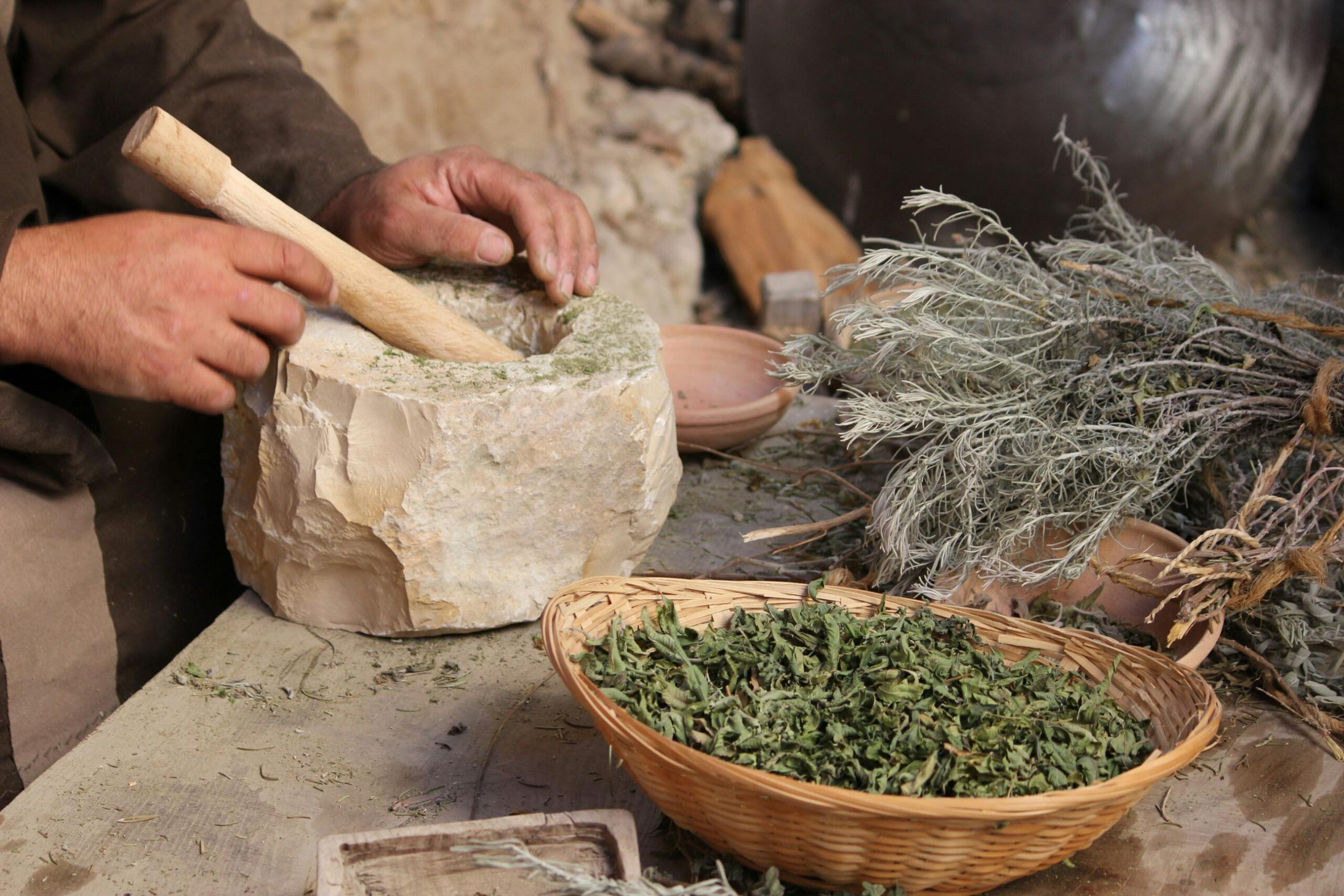
Modern herbal pharmacology stands at a fascinating crossroads where ancient botanical wisdom meets cutting-edge scientific measurement, demanding sophisticated metrics to validate therapeutic efficacy.

🌿 The Evolution of Herbal Medicine Assessment
The transformation of herbal pharmacology from traditional practice to evidence-based science has revolutionized how we understand plant-based therapeutics. Contemporary researchers now employ rigorous quantitative methods to decode the complex mechanisms underlying herbal remedies that have been used for millennia. This scientific validation doesn’t diminish traditional knowledge but rather amplifies it through measurable, reproducible data.
Herbal pharmacology indicators have become increasingly sophisticated, incorporating biochemical markers, clinical outcomes, and quality control parameters. These metrics bridge the gap between ethnobotanical knowledge and pharmaceutical-grade standards, creating a framework that respects traditional use while demanding scientific accountability. The integration of key performance indicators (KPIs) has transformed how practitioners, researchers, and regulatory bodies evaluate herbal medicines.
Understanding the Core Metrics Framework
The foundation of modern herbal pharmacology assessment rests on multiple interconnected measurement systems. Unlike synthetic pharmaceuticals with single active compounds, herbal medicines contain complex phytochemical matrices requiring multidimensional evaluation approaches. This complexity necessitates indicators that capture both the holistic nature of botanical therapeutics and their specific bioactive components.
Primary metrics in herbal pharmacology encompass chemical composition analysis, biological activity measurements, safety profiles, and clinical effectiveness parameters. Each category contains numerous subcategories that provide granular insights into how herbal preparations function within biological systems. These comprehensive assessment tools have become indispensable for quality assurance and therapeutic optimization.
Phytochemical Composition Indicators
Chemical fingerprinting represents one of the most critical metrics in contemporary herbal analysis. High-performance liquid chromatography (HPLC), gas chromatography-mass spectrometry (GC-MS), and nuclear magnetic resonance (NMR) spectroscopy generate detailed phytochemical profiles that serve as quality benchmarks. These analytical techniques identify and quantify active constituents, ensuring batch-to-batch consistency.
Standardization markers have emerged as essential KPIs for herbal products. Whether measuring hypericin content in St. John’s Wort or ginsenosides in ginseng preparations, these specific compound concentrations provide reliable quality indicators. The pharmaceutical industry increasingly demands these standardization metrics to ensure therapeutic reproducibility and regulatory compliance.
📊 Bioactivity and Efficacy Measurements
In vitro assays form the preliminary testing ground for herbal efficacy evaluation. Antioxidant capacity measurements using DPPH, ABTS, and ORAC methods quantify free radical scavenging abilities—a fundamental mechanism underlying many herbal benefits. Enzyme inhibition assays measure how botanical extracts affect specific biological pathways, from anti-inflammatory cyclooxygenase inhibition to antimicrobial activity against pathogenic organisms.
Cell-based assays provide more sophisticated bioactivity indicators by examining herbal effects on living cells. Cytotoxicity measurements determine therapeutic windows, while cell proliferation assays evaluate potential regenerative properties. These cellular KPIs offer insights into mechanisms of action that bridge molecular interactions and whole-organism responses.
Animal Model Performance Indicators
Preclinical animal studies generate critical efficacy data before human trials. Behavioral assessments, biochemical marker analysis, and histopathological examinations create comprehensive efficacy profiles. For cognitive-enhancing herbs, maze performance and memory tests serve as key behavioral indicators. Anti-inflammatory botanicals are assessed through edema reduction measurements and inflammatory cytokine quantification.
Pharmacokinetic parameters in animal models reveal absorption, distribution, metabolism, and excretion (ADME) characteristics. These metrics determine bioavailability—a crucial KPI indicating how much active compound reaches systemic circulation. Understanding these pharmacokinetic indicators helps optimize dosing strategies and delivery systems for herbal formulations.
Clinical Trial Endpoints as Primary KPIs
Human clinical trials represent the gold standard for herbal efficacy validation. Primary endpoints vary according to therapeutic application but typically include objectively measurable health outcomes. For cardiovascular herbs, blood pressure reduction, lipid profile improvements, and endothelial function measurements serve as primary KPIs. Pain management botanicals are evaluated through validated pain scales and analgesic consumption reduction.
Quality of life assessments have become increasingly important clinical indicators for herbal interventions. Standardized questionnaires like the SF-36 Health Survey quantify subjective wellbeing improvements that may not appear in biochemical markers alone. These patient-reported outcomes capture the holistic benefits often associated with botanical therapeutics.
Safety and Tolerability Metrics
Adverse event monitoring forms a critical safety KPI framework. Systematic collection of side effect data, severity grading, and causality assessment ensure comprehensive safety profiles. Liver function tests, kidney function parameters, and complete blood counts serve as objective safety indicators during extended herbal supplementation.
The therapeutic index—the ratio between toxic and therapeutic doses—provides a crucial safety metric. Herbs with wide therapeutic indices demonstrate greater safety margins, while those with narrow windows require more careful monitoring and dosing precision. This KPI influences regulatory decisions and clinical usage guidelines.
🔬 Quality Control and Manufacturing Indicators
Good Manufacturing Practice (GMP) compliance metrics ensure consistent product quality. Environmental controls during cultivation, including soil quality indicators, pesticide residue testing, and heavy metal contamination screening, establish raw material quality standards. These agricultural KPIs directly impact final product safety and efficacy.
Extraction efficiency measurements optimize manufacturing processes. Yield percentages, marker compound recovery rates, and solvent purity indicators guide production optimization. Modern extraction technologies employ real-time monitoring systems that track these KPIs continuously, enabling immediate quality adjustments.
Stability and Shelf-Life Parameters
Accelerated stability testing generates critical longevity indicators. Temperature and humidity stress conditions reveal degradation patterns, guiding expiration date determinations. Active compound retention percentages over time serve as key stability KPIs, ensuring products maintain therapeutic potency throughout their shelf life.
Microbial contamination limits represent essential quality benchmarks. Total aerobic counts, yeast and mold quantities, and pathogen absence verification protect consumer safety. These microbiological indicators align with pharmacopeial standards, ensuring herbal products meet pharmaceutical-grade requirements.
Emerging Metabolomic and Proteomic Indicators
Advanced omics technologies are revolutionizing herbal pharmacology assessment. Metabolomics identifies comprehensive metabolite profiles, revealing how herbal interventions alter systemic biochemistry. These global metabolic signatures provide holistic efficacy indicators that capture the multi-target nature of botanical therapeutics.
Proteomics and genomics unveil molecular mechanisms underlying herbal actions. Gene expression changes, protein modification patterns, and signaling pathway alterations serve as mechanistic KPIs. These molecular indicators bridge traditional use observations with modern molecular pharmacology understanding.
Systems Biology Integration Metrics
Network pharmacology approaches generate interconnected KPI systems. Rather than isolated measurements, these integrated metrics assess how multiple herbal compounds interact with numerous biological targets. Network density, hub protein identification, and pathway enrichment scores provide systems-level efficacy indicators.
Multi-target activity indices quantify the synergistic effects characteristic of herbal formulations. These composite KPIs capture how botanical combinations produce effects exceeding individual component activities—a phenomenon central to traditional herbal formulation principles.
💊 Regulatory Compliance Indicators
Registration and approval metrics vary globally but consistently demand rigorous documentation. The European Medicines Agency’s Traditional Herbal Medicinal Products Directive requires 30-year usage documentation—a historical KPI validating traditional use. The United States Pharmacopeia (USP) verification program provides third-party quality certification based on comprehensive testing indicators.
Post-market surveillance KPIs monitor real-world performance. Pharmacovigilance systems track adverse events, drug-herb interactions, and long-term safety outcomes. These population-level indicators complement controlled trial data, providing comprehensive safety and efficacy profiles.
Sustainability and Ethical Sourcing Metrics
Environmental impact indicators are becoming essential quality parameters. Carbon footprint measurements, water usage efficiency, and biodiversity impact assessments reflect growing sustainability concerns. Ethical sourcing certifications, including fair trade compliance and indigenous rights recognition, represent social responsibility KPIs increasingly valued by conscious consumers.
Conservation status indicators alert stakeholders to endangered medicinal species. Red List classifications and wild-harvest sustainability assessments guide responsible sourcing decisions. These ecological KPIs ensure herbal medicine’s future viability while protecting vulnerable plant populations.
Patient-Centered Outcome Measures
Beyond biochemical markers, patient experience metrics capture real-world therapeutic value. Symptom diary analyses, treatment adherence rates, and satisfaction scores provide practical efficacy indicators. These patient-centered KPIs acknowledge that objective improvements must translate into subjective wellbeing enhancements.
Cost-effectiveness analyses compare herbal interventions with conventional treatments. Quality-adjusted life years (QALYs) and disability-adjusted life years (DALYs) provide economic health outcome indicators. These pharmacoeconomic KPIs influence healthcare policy decisions and insurance coverage determinations.
🎯 Implementation Strategies for Practitioners
Clinical practitioners require accessible KPI dashboards translating complex metrics into actionable insights. Decision support systems integrate multiple indicators—patient symptoms, herbal product quality certifications, interaction risk scores, and evidence strength ratings—guiding personalized treatment selections.
Continuous monitoring protocols establish baseline measurements and track therapeutic progress. Regular assessment using relevant KPIs enables timely intervention adjustments, optimizing individual patient outcomes. Digital health technologies increasingly facilitate this systematic monitoring approach.
Integrating Traditional and Modern Indicators
Respecting traditional diagnostic methods while incorporating modern metrics creates comprehensive assessment frameworks. Pulse diagnosis findings, tongue examination observations, and constitutional assessments complement laboratory values and symptom scales. This integrative KPI approach honors herbal medicine’s holistic foundations while meeting contemporary evidence standards.
Practitioner experience documentation generates valuable real-world evidence. Systematic case series, practice-based research networks, and observational studies contribute pragmatic effectiveness indicators. These grassroots data sources complement formal trials, capturing diverse patient populations and extended treatment durations.
Future Directions in Herbal Pharmacology Metrics
Artificial intelligence and machine learning are transforming indicator development and interpretation. Predictive algorithms identify novel biomarkers, optimize formulation combinations, and personalize treatment approaches based on individual metabolic profiles. These computational KPIs promise unprecedented precision in herbal therapeutics.
Wearable biosensor technologies enable continuous physiological monitoring. Real-time glucose measurements, heart rate variability tracking, and sleep quality indicators provide dynamic efficacy assessments. These continuous KPIs capture therapeutic effects with temporal resolution impossible through periodic clinic visits.
Personalized Medicine Integration
Pharmacogenomic indicators guide individualized herbal selections based on genetic variations affecting metabolism and response. Cytochrome P450 polymorphism screening predicts herb-drug interaction risks and optimal dosing. These precision medicine KPIs herald a new era where herbal prescriptions match individual biological characteristics.
Microbiome profiling emerges as a crucial personalization metric. Gut bacterial composition influences herbal compound metabolism and therapeutic responses. Microbiome-based KPIs will increasingly guide prebiotic herb selections and probiotic combinations, optimizing gastrointestinal and systemic benefits.
Building Robust Measurement Ecosystems
Standardization across research institutions, manufacturers, and regulatory bodies requires harmonized KPI frameworks. International collaboration initiatives develop consensus measurement protocols, enabling global data comparison and meta-analyses. These standardized indicators accelerate knowledge accumulation and evidence synthesis.
Open-access databases consolidating herbal pharmacology metrics democratize information access. Comprehensive repositories containing chemical profiles, bioactivity data, clinical trial results, and safety information empower researchers, practitioners, and consumers. These knowledge-sharing platforms transform isolated data points into collective intelligence.
Educational integration ensures next-generation practitioners understand and apply modern metrics appropriately. Curriculum development incorporating statistics, research methodology, and critical appraisal skills alongside botanical knowledge creates competent evidence-based herbalists. This educational KPI—practitioner competency in metric interpretation—ultimately determines successful knowledge translation.

🌟 Maximizing Metric Utility in Practice
Effective metric application requires understanding indicator limitations alongside strengths. Single biomarkers rarely capture complex herbal effects comprehensively. Practitioners must interpret multiple KPIs synergistically, recognizing that elevated liver enzymes may reflect detoxification processes rather than toxicity, or that absence of immediate symptom relief doesn’t negate long-term adaptogenic benefits.
Context-sensitive interpretation acknowledges that optimal indicator values vary across populations and conditions. Reference ranges established in Western populations may not apply universally. Cultural, genetic, and environmental factors influence baseline measurements and therapeutic targets, demanding flexible, individualized KPI application.
The journey from traditional botanical knowledge to evidence-based herbal pharmacology represents one of medicine’s most exciting contemporary developments. Sophisticated metrics and KPIs provide the scientific language translating empirical wisdom into validated therapeutics. By embracing comprehensive measurement frameworks that honor both reductionist precision and holistic complexity, modern herbal pharmacology achieves unprecedented therapeutic optimization while maintaining the time-tested principles that have sustained botanical medicine across millennia. These potent metrics illuminate pathways forward, ensuring herbal therapeutics claim their rightful place in contemporary healthcare’s evidence-based landscape.