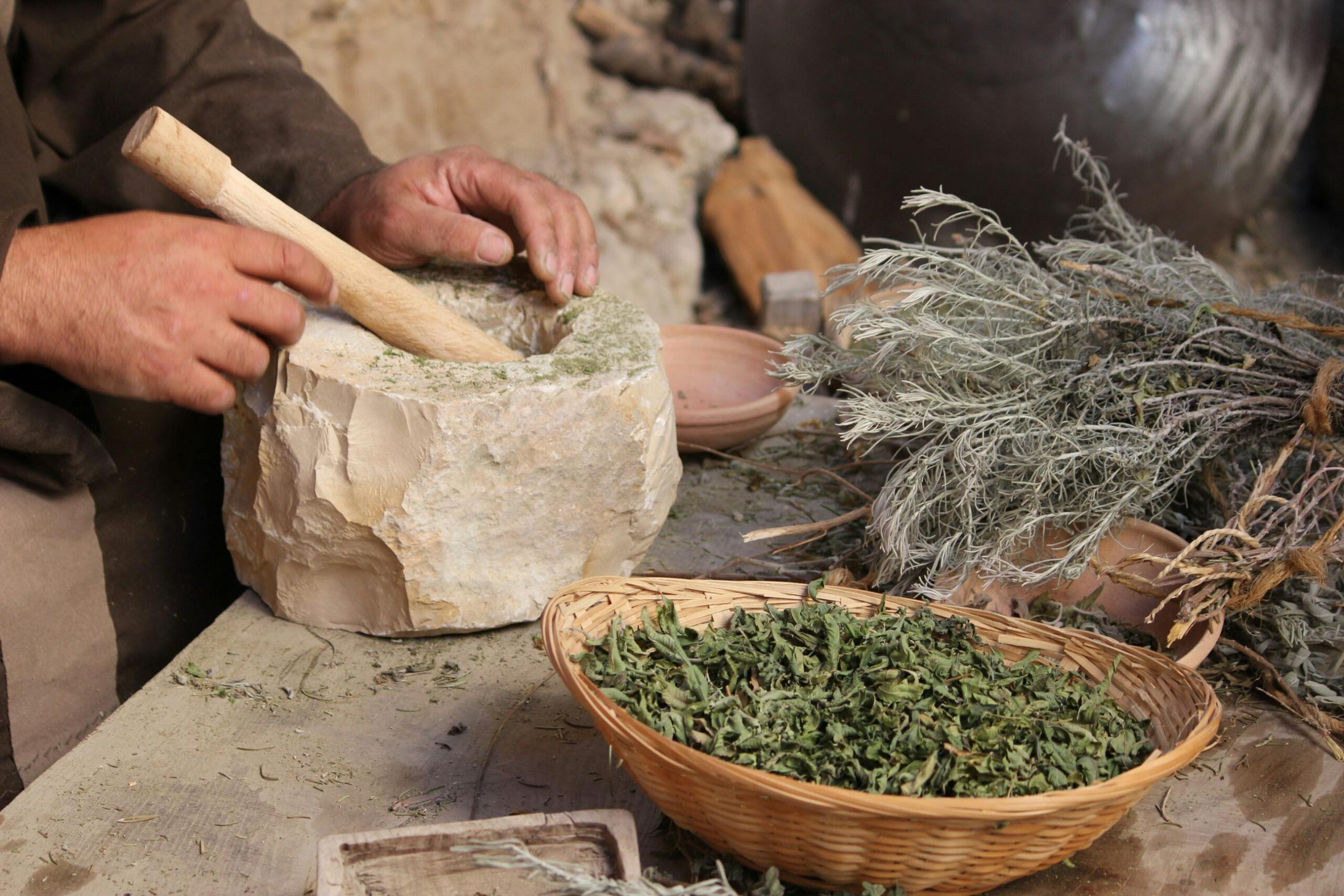
Modern herbal pharmacology stands at an exciting crossroads where ancient wisdom meets cutting-edge science, promising revolutionary approaches to health and wellness.

The global pharmaceutical industry is experiencing a profound shift as researchers, healthcare professionals, and consumers increasingly recognize the untapped potential of plant-based medicines. This renaissance in herbal pharmacology isn’t merely a nostalgic return to traditional remedies—it represents a sophisticated integration of time-tested botanical knowledge with advanced scientific methodologies, molecular biology, and precision medicine.
The World Health Organization estimates that approximately 80% of the world’s population relies on herbal medicines for some aspect of primary healthcare. This statistic alone underscores the enduring relevance of botanical therapeutics in our modern medical landscape. Yet what’s particularly exciting is how contemporary research is validating, refining, and expanding our understanding of these natural compounds in ways our ancestors could never have imagined.
🌿 The Scientific Revolution in Plant-Based Medicine
The transformation of herbal pharmacology from folklore to rigorous science has accelerated dramatically over the past two decades. Advanced analytical techniques such as high-performance liquid chromatography (HPLC), mass spectrometry, and genomic sequencing now allow researchers to identify and isolate the precise bioactive compounds responsible for therapeutic effects.
This molecular-level understanding has opened new frontiers in drug discovery. Pharmaceutical companies are increasingly turning to ethnobotanical knowledge as a starting point for developing novel medications. The anticancer drug paclitaxel (Taxol), originally derived from Pacific yew tree bark, exemplifies how botanical sources continue to yield breakthrough treatments. Today’s researchers are employing artificial intelligence and machine learning algorithms to predict which plant compounds might interact with specific disease targets, exponentially accelerating the discovery process.
Metabolomics—the comprehensive study of small molecules within biological systems—has emerged as a game-changing tool in herbal research. This approach allows scientists to understand not just individual compounds but the synergistic interactions between multiple plant constituents, a concept traditional herbalists have long recognized as the “whole plant effect.”
Personalized Herbal Medicine: The Pharmacogenomics Connection
One of the most promising trends in modern herbal pharmacology is the integration with pharmacogenomics—the study of how genetic variations affect individual responses to medications. This convergence is paving the way for truly personalized herbal treatments tailored to each person’s unique genetic profile.
Research has demonstrated that genetic polymorphisms in cytochrome P450 enzymes, which metabolize many plant compounds, can significantly influence how effectively someone responds to particular herbs. For instance, variations in the CYP2D6 gene affect how individuals process compounds in St. John’s Wort, potentially explaining why some people experience robust antidepressant effects while others see minimal benefit.
This knowledge is leading to the development of genetic testing panels specifically designed to guide herbal medicine selection. Within the next decade, practitioners may routinely use genetic information to predict which botanical formulations will be most effective for individual patients, minimizing trial-and-error approaches and optimizing therapeutic outcomes.
🔬 Nanotechnology: Enhancing Bioavailability and Delivery
A persistent challenge in herbal pharmacology has been the poor bioavailability of many beneficial plant compounds. Curcumin from turmeric, for example, possesses remarkable anti-inflammatory and antioxidant properties, but the body absorbs only a small fraction when consumed in standard form.
Nanotechnology is revolutionizing this landscape by creating nano-formulations that dramatically enhance absorption and targeted delivery of herbal compounds. Nanoparticles, liposomes, and phytosomes encapsulate active botanical ingredients, protecting them from degradation in the digestive system and facilitating their transport across cellular membranes.
Recent innovations include:
- Nano-emulsions: Creating ultra-fine droplets that increase the surface area of lipophilic compounds, improving absorption rates by up to 500%
- Solid lipid nanoparticles: Providing controlled release of herbal actives over extended periods, reducing dosing frequency
- Polymeric nanoparticles: Enabling targeted delivery to specific tissues or organs, minimizing side effects and maximizing efficacy
- Quantum dots: Allowing real-time tracking of herbal compounds within the body for research purposes
These technological advances are transforming traditionally “difficult” herbs into highly effective therapeutic agents with predictable pharmacokinetics and enhanced safety profiles.
Adaptogens and Stress Resilience: Modern Science Validates Ancient Wisdom 💪
The concept of adaptogenic herbs—plants that help the body adapt to stress and maintain homeostasis—has gained tremendous scientific validation in recent years. Researchers have identified specific molecular mechanisms through which adaptogens like Rhodiola rosea, Ashwagandha, and Schisandra chinensis modulate the hypothalamic-pituitary-adrenal (HPA) axis and reduce cortisol dysregulation.
Clinical trials have demonstrated measurable benefits including improved cognitive performance under stress, enhanced athletic recovery, better sleep quality, and reduced anxiety symptoms. The global adaptogen market is projected to exceed $15 billion by 2028, reflecting growing consumer demand for natural stress management solutions.
Particularly exciting is research into how adaptogens influence gene expression through epigenetic mechanisms. Studies show that regular consumption of certain adaptogenic herbs can upregulate genes associated with antioxidant production, mitochondrial function, and cellular repair while downregulating pro-inflammatory pathways. This suggests that adaptogens don’t merely provide symptomatic relief but may actually enhance fundamental resilience at the cellular level.
The Microbiome Connection: Herbs as Prebiotic Powerhouses
The explosion of microbiome research has revealed an unexpected dimension of herbal pharmacology: many therapeutic plants exert their effects partially through modulation of gut bacteria. This discovery is reshaping our understanding of how herbal medicines work and opening new avenues for treatment development.
Polyphenol-rich herbs like green tea, berberine-containing plants, and traditional bitters influence the composition and metabolic activity of intestinal microbiota. These gut bacteria, in turn, biotransform plant compounds into more bioactive metabolites, creating a sophisticated interplay between botanical chemistry and microbial ecology.
Research has shown that the anti-diabetic effects of berberine, for instance, depend significantly on gut bacteria converting it into specific metabolites. Similarly, the cardiovascular benefits of pomegranate appear linked to microbial transformation of ellagitannins into urolithins. This understanding is leading to the development of “synbiotic” herbal formulations that combine specific plants with probiotic strains to maximize therapeutic effects.
🌍 Sustainable Sourcing and Biotechnology Solutions
As demand for herbal medicines grows, sustainability concerns have become paramount. Overharvesting threatens numerous medicinal plant species, while climate change alters the geographical distribution and chemical composition of botanical resources.
Innovative solutions are emerging from biotechnology laboratories worldwide. Plant cell culture technology now allows production of valuable phytochemicals without harvesting wild plants. Researchers can grow plant cells in bioreactors, stimulating them to produce desired compounds in controlled environments. This approach has successfully produced artemisinin (antimalarial), paclitaxel (anticancer), and various other therapeutically important molecules.
Vertical farming and controlled environment agriculture are enabling year-round cultivation of medicinal herbs with standardized chemical profiles, reducing variability that has historically complicated herbal medicine quality control. LED lighting systems tuned to specific wavelengths can even enhance production of particular bioactive compounds beyond what occurs in natural conditions.
CRISPR gene editing technology, while controversial, offers potential to develop medicinal plant varieties with enhanced therapeutic compound concentrations, improved disease resistance, and better adaptability to changing climate conditions. These innovations promise to secure the supply chain for herbal medicines while protecting wild populations from unsustainable exploitation.
Artificial Intelligence: Predicting Synergies and Drug Interactions ⚡
Artificial intelligence and machine learning are transforming how researchers approach the complexity inherent in herbal pharmacology. Traditional herbs typically contain hundreds of bioactive compounds with overlapping mechanisms of action—a complexity that has historically made rigorous scientific study challenging.
AI algorithms can now analyze vast datasets encompassing chemical composition, traditional use patterns, clinical trial results, and molecular interaction data to identify promising therapeutic applications and predict potential drug-herb interactions. These systems can model how multiple compounds might work synergistically, providing insights that would be impossible to derive through conventional analytical approaches.
Several pharmaceutical companies and research institutions are developing AI-powered platforms specifically for natural product drug discovery. These systems scan ethnobotanical databases, chemical libraries, and biological target information to identify plant species worthy of detailed investigation. Early results suggest this approach could reduce the time and cost of bringing plant-based medicines from discovery to clinical application by more than 50%.
Regulatory Evolution and Quality Standardization
The herbal medicine industry has historically struggled with quality control inconsistencies and regulatory ambiguity. However, significant progress is being made toward establishing robust standards that protect consumers while facilitating innovation.
DNA barcoding technology now allows precise identification of plant species in raw materials and finished products, combating the persistent problem of adulteration and mislabeling. Blockchain technology is being implemented to create transparent supply chains, allowing consumers to trace products from cultivation through processing to final packaging.
Regulatory frameworks are evolving to accommodate the unique characteristics of herbal medicines. The European Union’s Traditional Herbal Medicinal Products Directive and similar legislation in various countries provide pathways for marketing authorization based on traditional use evidence combined with safety documentation. Meanwhile, organizations like the American Herbal Pharmacopoeia and the United States Pharmacopeia continue developing comprehensive monographs that establish identity, purity, and quality standards for individual herbs.
🧬 The Future: Synthetic Biology and Beyond
Looking ahead, synthetic biology promises to revolutionize herbal pharmacology by enabling creation of entirely novel plant-inspired compounds. Researchers can now engineer microorganisms to produce complex plant molecules through biosynthetic pathways reconstructed in yeast or bacteria. This approach has already yielded commercial production of vanillin, resveratrol, and various other high-value compounds.
The next frontier involves designing synthetic pathways to produce modified versions of natural compounds with enhanced therapeutic properties or reduced side effects. Scientists envision libraries of plant-inspired molecules that retain the beneficial characteristics of botanical medicines while offering improved pharmacological profiles tailored to specific medical conditions.
Organoid technology—the cultivation of miniaturized, simplified organ structures—is accelerating safety and efficacy testing of herbal compounds. Researchers can expose human liver, kidney, or intestinal organoids to botanical extracts, observing effects in tissue that closely mimics actual human physiology without requiring animal testing or premature human trials.
Integrative Medicine: Bridging Conventional and Botanical Therapeutics
Perhaps the most significant trend is the growing acceptance of herbal pharmacology within mainstream healthcare systems. Major medical centers now operate integrative medicine departments that combine conventional treatments with evidence-based botanical therapies. This represents a fundamental shift from the historical divide between pharmaceutical and herbal approaches.
Clinical research increasingly focuses on combination protocols that leverage synergies between conventional drugs and herbal medicines. Studies have shown that certain botanical compounds can enhance the efficacy of chemotherapy while reducing side effects, improve outcomes in metabolic disorders when combined with standard medications, and provide adjunctive support for mental health conditions.
Medical education is gradually incorporating herbal pharmacology into curricula, preparing future healthcare providers to knowledgeably discuss botanical options with patients and recognize potential interactions. This educational evolution is essential for safe, effective integration of herbal medicines into comprehensive treatment plans.
🌟 Empowering Consumers Through Technology and Education
Digital health technologies are democratizing access to herbal medicine knowledge and personalized guidance. Smartphone applications now offer comprehensive databases of herb-drug interactions, dosing information, and quality product recommendations based on individual health profiles.
Telemedicine platforms connecting patients with herbalists and integrative medicine practitioners have expanded access to professional guidance, particularly for individuals in underserved areas. These virtual consultations, combined with direct-to-consumer testing for nutritional deficiencies and genetic markers, enable more informed herbal medicine selection than ever before.
Online communities and educational platforms have created spaces for sharing experiences, learning about botanical therapeutics, and staying informed about emerging research. This democratization of knowledge empowers individuals to make informed decisions about incorporating herbal medicines into their wellness strategies while understanding when professional guidance is necessary.
Navigating Challenges and Ensuring Responsible Innovation
Despite remarkable progress, significant challenges remain in modern herbal pharmacology. Standardization of complex botanical extracts continues to present technical difficulties, as the “active principle” often depends on multiple compounds working in concert rather than a single isolatable molecule.
The tension between traditional knowledge holders—often indigenous communities—and commercial interests requires careful ethical navigation. Bioprospecting agreements must ensure fair benefit-sharing and respect intellectual property rights of communities who have preserved botanical knowledge across generations.
Misinformation and exaggerated marketing claims persist in the herbal products marketplace, necessitating continued consumer education and regulatory vigilance. The challenge lies in protecting consumers from false promises while not stifling innovation or access to legitimate botanical therapeutics.
Climate change poses existential threats to medicinal plant biodiversity, with shifting growing zones and extreme weather events affecting both wild and cultivated populations. Conservation efforts must intensify to preserve this irreplaceable biological heritage for future generations.

The Road Ahead: A New Paradigm in Healthcare 🚀
Modern herbal pharmacology represents far more than simply validating traditional remedies through contemporary science. It embodies a fundamental reimagining of therapeutic possibilities—one that recognizes the sophisticated molecular complexity of botanical medicines as a feature rather than a limitation.
The convergence of ancient botanical wisdom with genomics, nanotechnology, artificial intelligence, and systems biology is creating unprecedented opportunities to develop safer, more effective treatments for conditions ranging from chronic inflammation to metabolic disorders, cognitive decline to immune dysfunction.
As research continues revealing the remarkable capabilities of plant-based compounds to modulate human physiology at multiple levels simultaneously, the artificial distinction between “natural” and “pharmaceutical” medicine becomes increasingly obsolete. The future belongs to an integrated approach that draws on the best of both traditions, personalized to individual needs and grounded in rigorous scientific evidence.
The power of nature, when unlocked through modern scientific understanding and technological innovation, offers solutions to some of healthcare’s most pressing challenges. From addressing antibiotic resistance through antimicrobial botanicals to supporting healthy aging through neuroprotective herbs, the potential applications seem limited only by our imagination and research capacity.
For healthcare practitioners, researchers, entrepreneurs, and informed consumers, this represents an extraordinarily exciting moment in medical history. The botanical pharmacy that sustained humanity for millennia is being rediscovered, refined, and reimagined through 21st-century science—promising a future where the healing wisdom of plants is fully realized through the tools of modern medicine. The journey of unlocking nature’s pharmacy has only just begun, and the innovations ahead promise to transform how we approach health, disease, and human wellbeing for generations to come.