Modern herbal pharmacology bridges ancient wisdom with cutting-edge science, revealing how plants heal and transform human health through powerful natural compounds.

🌿 The Ancient Roots of Contemporary Botanical Medicine
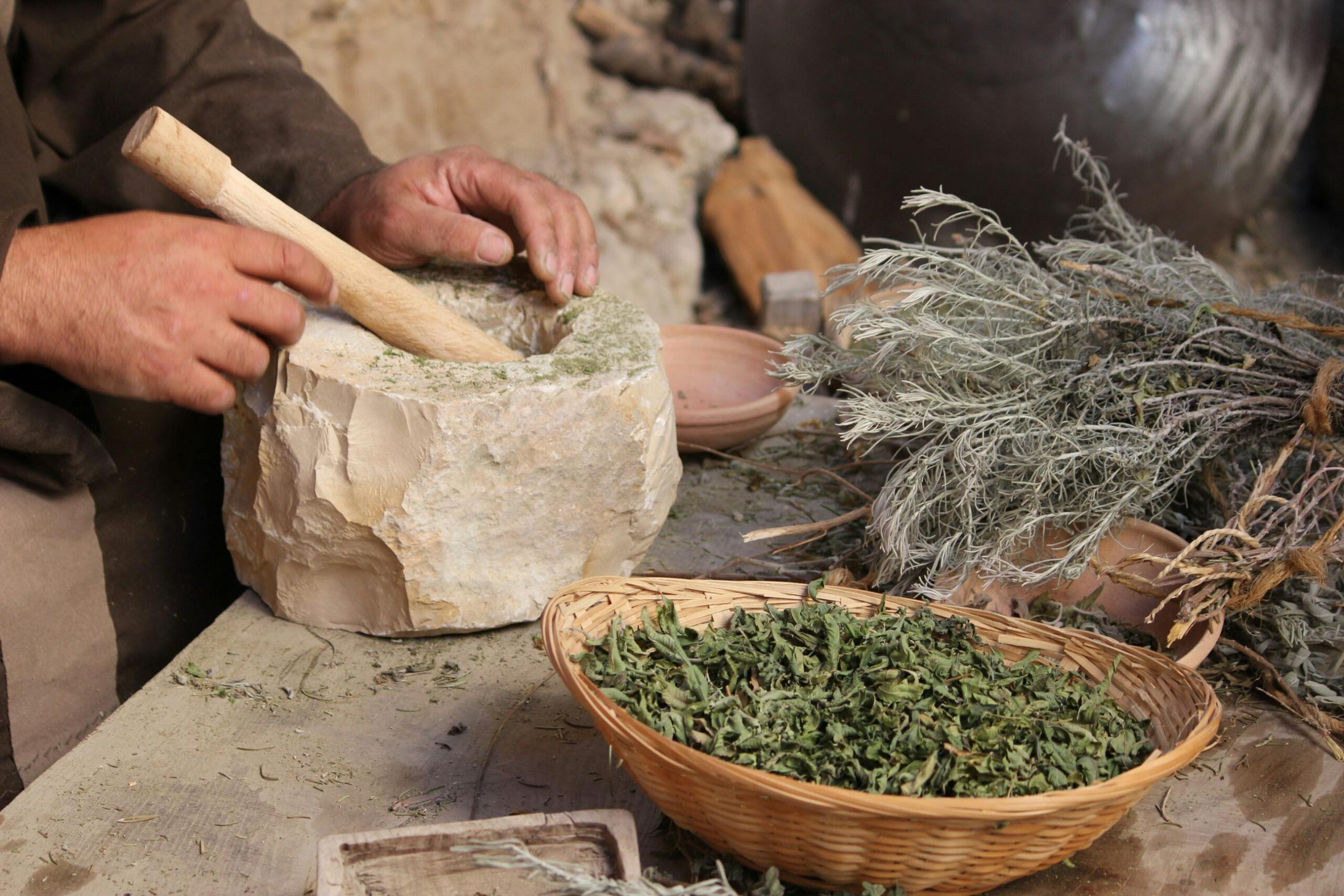
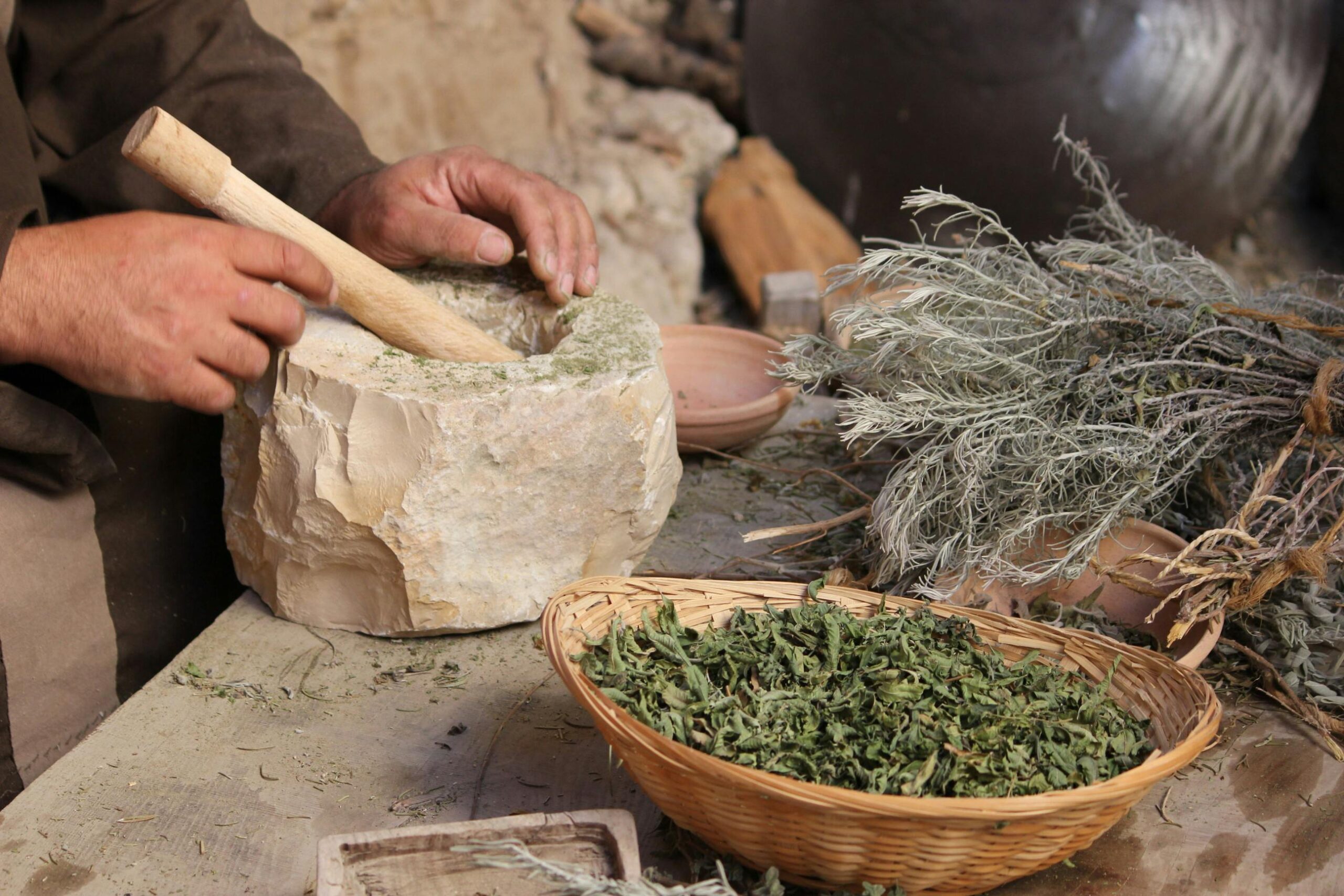
The story of herbal pharmacology stretches back millennia, long before pharmaceutical laboratories and clinical trials. Ancient civilizations from China to Egypt, from India to the Americas, developed sophisticated systems of plant-based medicine that modern science is only beginning to fully understand. These traditional healing practices weren’t mere folklore—they represented accumulated knowledge passed down through generations of careful observation and experimentation.
Today’s herbal pharmacology stands at a fascinating crossroads where traditional wisdom meets molecular biology. Researchers are discovering that many plants used by indigenous healers contain complex compounds that interact with human physiology in remarkably precise ways. This convergence has sparked a renaissance in natural medicine, with scientists racing to unlock the therapeutic potential hidden within nature’s pharmacy.
The global pharmaceutical industry has taken notice. Approximately 25% of modern drugs are derived directly from plant sources, while another 25% are chemically modified versions of plant compounds. From aspirin’s origins in willow bark to the cancer-fighting properties of the Pacific yew tree, plants have proven to be invaluable sources of life-saving medicines.
Understanding Phytochemistry: Nature’s Molecular Arsenal
At the heart of herbal pharmacology lies phytochemistry—the study of chemicals derived from plants. These natural compounds, known as phytochemicals or secondary metabolites, represent plants’ evolutionary responses to environmental challenges. They serve as defense mechanisms against predators, protection from UV radiation, and chemical signals for reproduction.
The diversity of phytochemicals is staggering. Scientists have identified over 100,000 different plant compounds, with new discoveries happening regularly. These molecules fall into several major categories, each with distinct properties and therapeutic applications.
Key Classes of Therapeutic Plant Compounds
Alkaloids represent one of the most pharmacologically active groups of plant chemicals. These nitrogen-containing compounds include familiar substances like caffeine, morphine, and quinine. Their structural similarity to neurotransmitters allows them to interact powerfully with the human nervous system, making them valuable for pain management, mental health, and various other medical applications.
Flavonoids are another crucial class, comprising over 6,000 different compounds. These polyphenolic molecules give many fruits and vegetables their vibrant colors while providing potent antioxidant and anti-inflammatory effects. Research suggests flavonoids support cardiovascular health, cognitive function, and immune system regulation.
Terpenoids, the largest class of phytochemicals, include essential oils and aromatic compounds. These molecules demonstrate antimicrobial properties, anti-cancer potential, and immune-modulating effects. The familiar scents of lavender, eucalyptus, and pine come from terpenoids that also possess therapeutic benefits.
🔬 The Science Behind Plant-Based Healing
Modern research methods have revolutionized our understanding of how herbal medicines work. Advanced analytical techniques like high-performance liquid chromatography, mass spectrometry, and nuclear magnetic resonance allow scientists to identify and quantify the active compounds in medicinal plants with unprecedented precision.
Clinical pharmacology studies reveal that plant medicines often work through multiple mechanisms simultaneously—a concept known as polyvalent activity. Unlike synthetic drugs designed to target a single pathway, herbal preparations contain dozens or even hundreds of bioactive compounds that work synergistically. This complexity can make standardization challenging but also provides therapeutic advantages in treating multifaceted diseases.
Bioavailability and Absorption: The Key to Effectiveness
Understanding how the body absorbs and utilizes plant compounds is crucial for effective herbal pharmacology. Bioavailability refers to the proportion of an administered substance that enters circulation and can have an active effect. Many beneficial plant compounds face absorption challenges due to their chemical structure or poor water solubility.
Researchers have discovered that certain plant combinations enhance bioavailability naturally. For example, piperine from black pepper increases the absorption of curcumin from turmeric by up to 2,000%. These synergistic relationships explain why traditional herbal formulas often combine multiple plants—ancient practitioners intuitively recognized interactions that science is now validating.
Evidence-Based Herbal Medicine: From Laboratory to Clinic
The transformation of herbal pharmacology into a rigorous scientific discipline requires robust clinical evidence. Randomized controlled trials, systematic reviews, and meta-analyses now evaluate herbal medicines with the same scrutiny applied to conventional pharmaceuticals. This evidence-based approach has vindicated many traditional uses while revealing new applications for familiar plants.
St. John’s Wort exemplifies this evidence-based evolution. Multiple large-scale studies have demonstrated its effectiveness for mild to moderate depression, comparable to standard antidepressant medications but with fewer side effects. The active compounds—hypericin and hyperforin—modulate neurotransmitter systems through well-characterized mechanisms.
Ginkgo biloba represents another success story in modern herbal pharmacology. Clinical trials support its use for cognitive enhancement and peripheral circulation, while revealing the flavonoids and terpenoids responsible for these effects. The standardization of ginkgo extracts to specific concentrations of active compounds has made it one of the most prescribed herbal medicines worldwide.
🌍 Global Perspectives on Plant Medicine Systems
Different cultures have developed unique frameworks for understanding and applying herbal medicine. These diverse perspectives enrich modern herbal pharmacology by providing alternative conceptual models and expanding the repertoire of therapeutic plants under investigation.
Traditional Chinese Medicine and Its Pharmacological Insights
Traditional Chinese Medicine (TCM) operates on principles of energetic balance and holistic treatment. Modern pharmacological analysis of TCM formulas has revealed sophisticated multi-target approaches to disease management. Complex prescriptions like Si Wu Tang contain compounds that work synergistically to regulate inflammatory pathways, hormone balance, and cellular repair mechanisms.
The concept of “herbal pairs” in TCM—specific plant combinations that enhance each other’s effects—has inspired research into synergistic drug interactions. Scientists are discovering that these traditional combinations often reduce side effects while improving therapeutic outcomes through complementary mechanisms of action.
Ayurvedic Wisdom Meets Modern Science
India’s ancient Ayurvedic system categorizes herbs according to energetic properties and constitutional types. Modern research is finding biochemical correlations to these traditional classifications. Adaptogens—a concept originating from Ayurvedic “rasayana” herbs—have gained scientific recognition for their ability to help the body resist stress and maintain homeostasis.
Ashwagandha, a cornerstone Ayurvedic herb, demonstrates the integration of traditional use with contemporary research. Clinical studies confirm its stress-reducing, immune-modulating, and neuroprotective properties. The withanolides responsible for these effects are now isolated and studied for potential pharmaceutical development.
Safety, Quality, and Standardization Challenges
As herbal medicine moves into mainstream healthcare, ensuring product quality and patient safety becomes paramount. The natural variability of plant materials presents unique challenges compared to synthetic pharmaceuticals. Growing conditions, harvest timing, processing methods, and storage all affect the concentration of active compounds.
Good Agricultural and Collection Practices (GACP) and Good Manufacturing Practices (GMP) have been developed specifically for herbal products. These standards ensure consistent quality from cultivation through finished product. Advanced analytical methods verify identity, purity, and potency, protecting consumers from adulteration and contamination.
Herb-Drug Interactions: An Important Consideration
The powerful biological activity of medicinal plants means they can interact with conventional medications. St. John’s Wort, for instance, induces liver enzymes that metabolize numerous drugs, potentially reducing their effectiveness. Healthcare providers need comprehensive knowledge of these interactions to safely integrate herbal and conventional treatments.
Pharmacovigilance systems now monitor adverse events related to herbal products, building databases that help identify safety concerns. This systematic approach treats herbal medicines with the same seriousness as pharmaceutical drugs, acknowledging both their therapeutic potential and risks.
💊 The Future of Herbal Pharmacology: Innovation and Integration
Cutting-edge technologies are opening new frontiers in plant-based medicine. Metabolomics allows researchers to profile thousands of compounds in a single herbal extract, revealing hidden bioactive molecules. Artificial intelligence and machine learning analyze traditional medicine databases to predict therapeutic applications and identify promising candidates for drug development.
Nanotechnology offers solutions to bioavailability challenges. Nanoencapsulation of poorly absorbed plant compounds dramatically improves their delivery to target tissues. These innovations bridge the gap between traditional whole-plant preparations and modern pharmaceutical expectations for precision and consistency.
Synthetic Biology and Plant Medicines
Genetic engineering and synthetic biology are revolutionizing how we produce medicinal plant compounds. Scientists can now transfer biosynthetic pathways from rare plants into easily cultivated organisms like yeast, producing valuable compounds without harvesting endangered species. This approach has made artemisinin—a critical antimalarial drug from sweet wormwood—more accessible and affordable.
CRISPR gene editing enables the enhancement of medicinal properties in cultivated plants. Researchers are developing varieties with higher concentrations of therapeutic compounds or improved growing characteristics. These technologies promise sustainable production of plant medicines while preserving wild populations.
Personalized Herbal Medicine: The Next Frontier
Pharmacogenomics—the study of how genes affect drug response—is being applied to herbal medicines. Genetic variations influence how individuals metabolize plant compounds, explaining why the same herb might work brilliantly for one person but poorly for another. Understanding these genetic factors will enable truly personalized herbal prescriptions optimized for individual biochemistry.
Advanced diagnostic tools combined with artificial intelligence could match patients with optimal herbal treatments based on their genetic profile, microbiome composition, and specific disease characteristics. This precision approach represents the ultimate integration of ancient plant wisdom with contemporary personalized medicine.
🌱 Sustainable Sourcing and Conservation
The growing demand for medicinal plants threatens many species with overharvesting and extinction. Sustainable wildcrafting practices, cultivation programs, and conservation initiatives are essential to preserve both biodiversity and traditional medicine systems. Organizations like the International Union for Conservation of Nature monitor threatened medicinal plant species and promote sustainable use.
Ethnobotanical research plays a crucial role in documentation and preservation. By recording traditional knowledge before it disappears, scientists create repositories that future generations can access. This work respects indigenous intellectual property while ensuring valuable therapeutic information isn’t lost.
Empowering Health Through Plant Knowledge
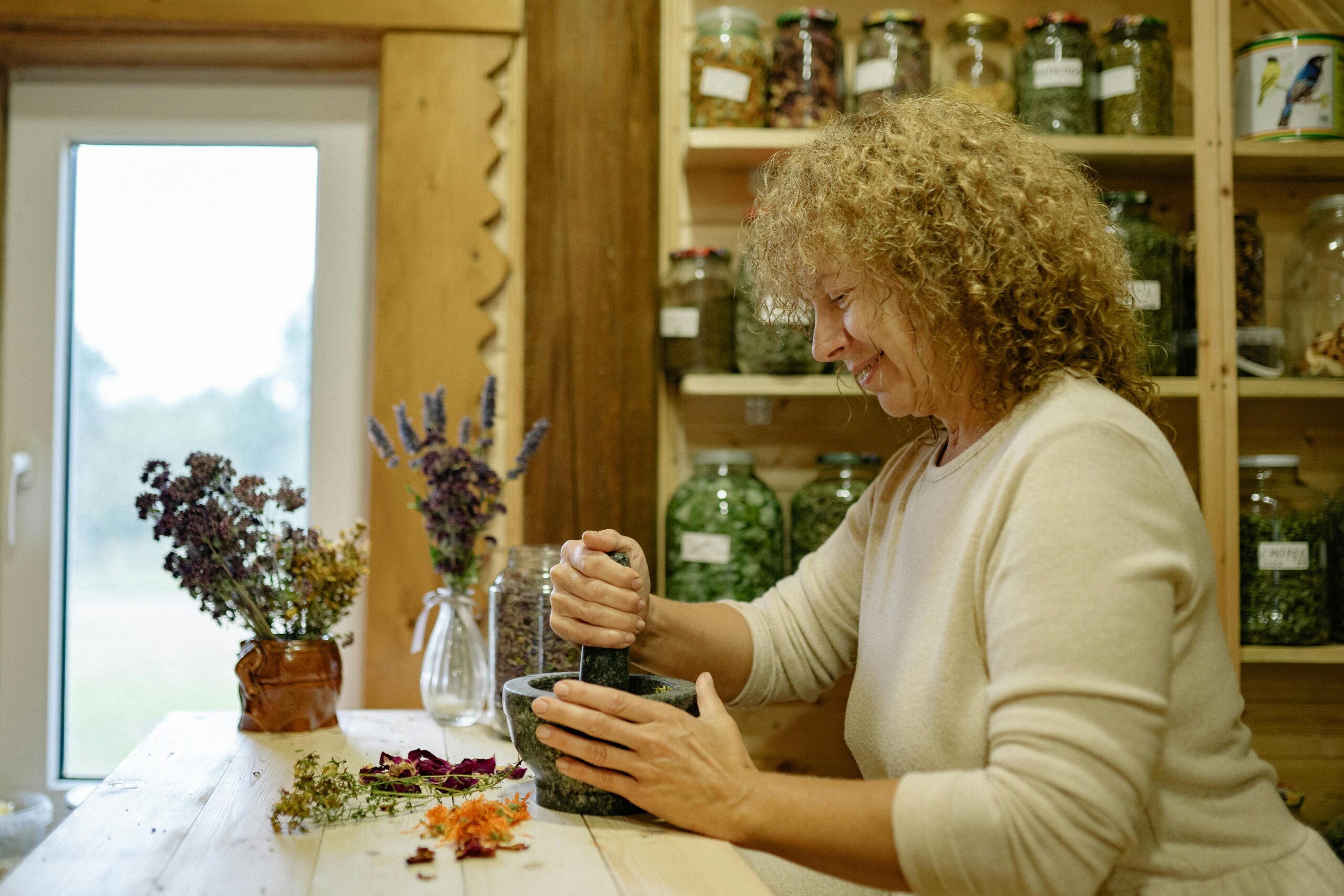
The renaissance of herbal pharmacology represents more than scientific advancement—it offers individuals greater agency in their health management. Understanding the evidence-based applications of medicinal plants empowers people to make informed decisions about natural health approaches. Education bridges the gap between traditional use and modern evidence, creating confident, knowledgeable consumers.
Healthcare systems increasingly recognize the value of integrative approaches that combine conventional and herbal medicine. This collaboration leverages the strengths of both systems: the precision and emergency intervention capacity of modern medicine with the holistic, preventive focus of plant-based therapies.
The journey from ancient herbal remedies to modern pharmacological understanding reveals nature’s extraordinary pharmaceutical sophistication. Plants have evolved molecular solutions to biological challenges over millions of years, creating a vast library of therapeutic compounds. As research continues to unlock these secrets, herbal pharmacology stands poised to make even greater contributions to human health, offering natural, effective, and sustainable approaches to wellness that honor both traditional wisdom and scientific rigor.