The modern world is rediscovering what ancient civilizations always knew: plants hold extraordinary healing power that science is only beginning to fully comprehend and validate.

🌿 Ancient Wisdom Meets Contemporary Science
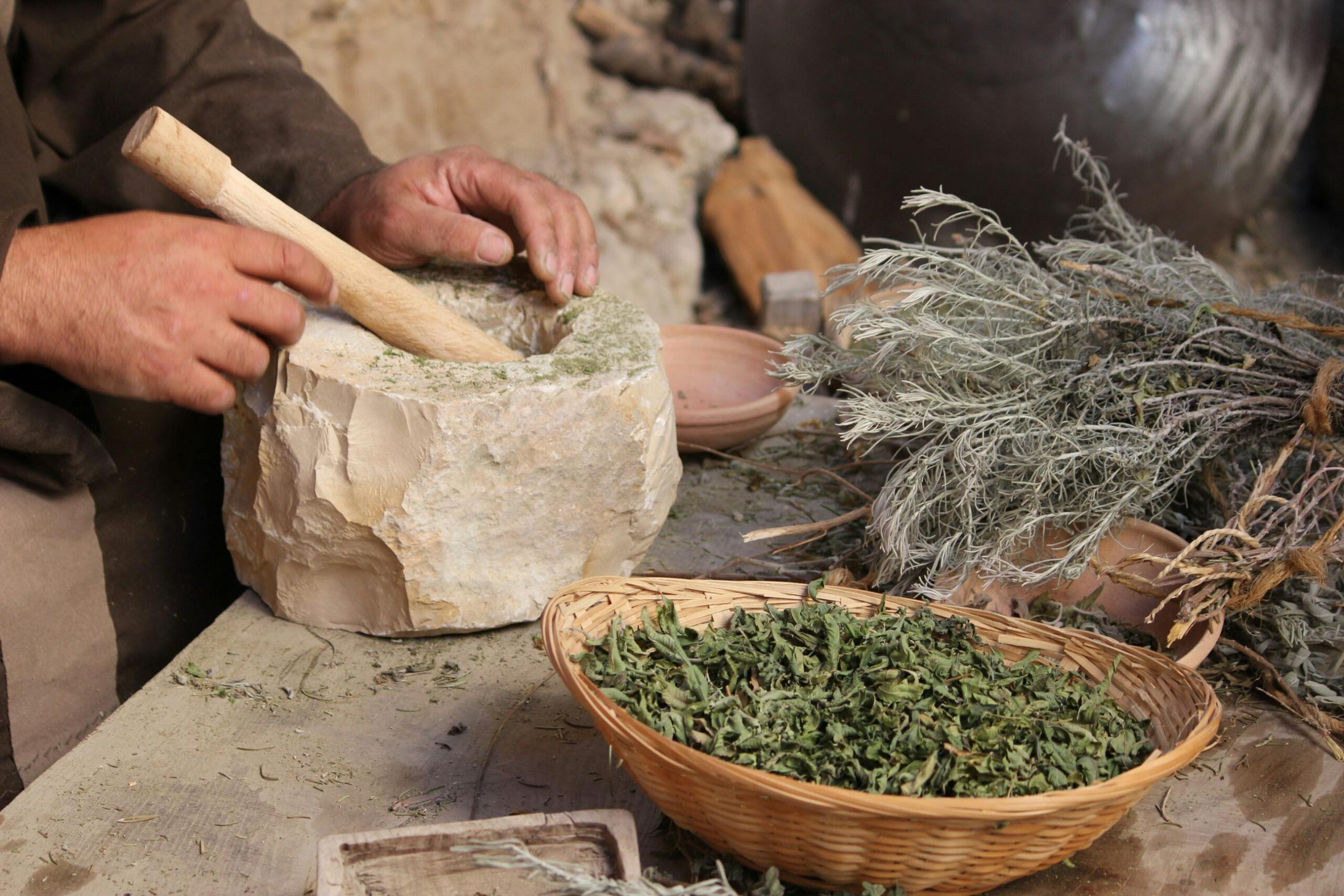
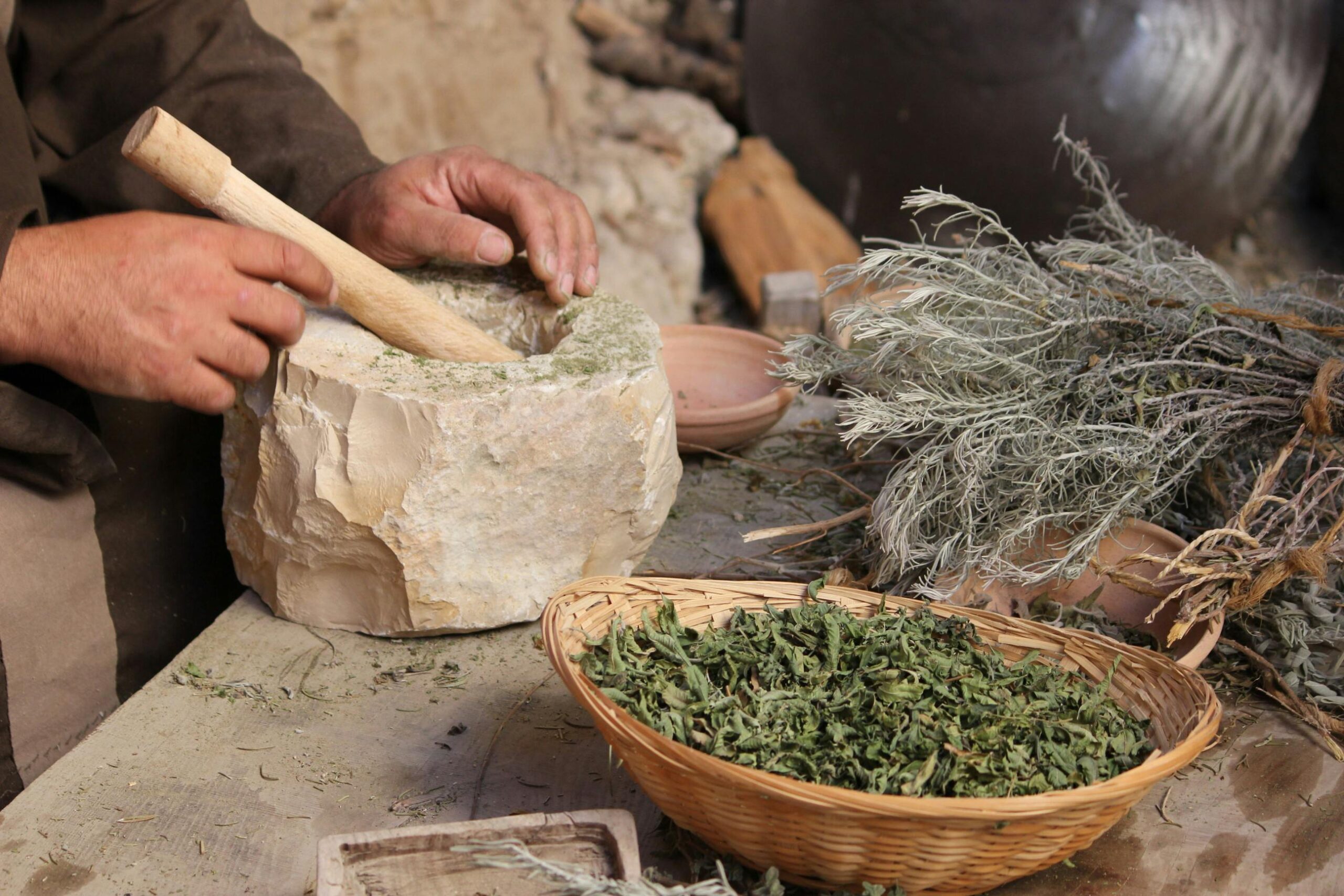
For thousands of years, humanity has turned to the natural world for remedies to ailments, comfort for pain, and solutions to diseases that threatened survival. From the poppy fields of ancient Mesopotamia to the ginseng roots of traditional Chinese medicine, herbal pharmacology has been an integral thread woven through the fabric of human civilization. What we are witnessing today isn’t merely a nostalgic return to old practices, but rather a sophisticated renaissance where traditional botanical knowledge converges with cutting-edge scientific methodology.
This herbal renaissance represents far more than a trend or passing fascination with natural remedies. It embodies a fundamental shift in how we approach healthcare, wellness, and our relationship with the natural world. Modern researchers are now equipped with advanced analytical tools that can identify, isolate, and validate the active compounds within medicinal plants that our ancestors used intuitively. This marriage of empirical wisdom and evidence-based science is reshaping pharmacology as we know it.
The Historical Roots of Plant Medicine 🏛️
The story of herbal pharmacology begins long before written records existed. Archaeological evidence suggests that Neanderthals used medicinal plants over 60,000 years ago, with traces of yarrow and chamomile found in ancient burial sites. These weren’t food sources, indicating our distant relatives recognized their therapeutic properties.
The Sumerians documented their herbal knowledge on clay tablets dating back to 3000 BCE, creating what many consider the first pharmacopoeia. They recorded remedies using myrrh, thyme, and opium poppy, establishing a tradition of documenting botanical medicine that would echo through millennia.
Egyptian Pharmaceutical Pioneering
Ancient Egypt elevated herbal medicine to an art form. The Ebers Papyrus, dating to approximately 1550 BCE, contains over 700 medicinal formulas and remedies. Egyptian physicians used aloe vera for burns, willow bark for pain relief (the precursor to modern aspirin), and garlic as an antibiotic. Their sophisticated understanding of plant properties influenced Greek and Roman medicine, creating a knowledge transfer that would shape Western medical tradition.
Eastern Herbal Systems: A Different Paradigm
While Western herbal traditions were developing, Eastern civilizations were crafting their own comprehensive systems. Traditional Chinese Medicine (TCM), with documented history spanning over 2,500 years, approached herbal pharmacology through the lens of energy balance and holistic wellness. The Shennong Ben Cao Jing, attributed to the legendary Emperor Shennong, classified 365 medicinal substances and established principles still used today.
Ayurveda, India’s traditional medicine system dating back over 3,000 years, similarly developed an intricate understanding of botanical therapeutics. The Charaka Samhita and Sushruta Samhita documented hundreds of medicinal plants and their applications, creating a sophisticated pharmacological framework that modern science is now validating.
The Medieval Period: Monasteries as Pharmaceutical Centers 📚
During Europe’s Middle Ages, monasteries became repositories of herbal knowledge. Monks meticulously cultivated medicinal gardens and transcribed ancient texts, preserving knowledge that might otherwise have been lost. Hildegard of Bingen, a 12th-century abbess, wrote extensively about the healing properties of plants, combining spiritual wisdom with practical medicinal advice.
The Arabic world made tremendous contributions during this period. Scholars like Avicenna (Ibn Sina) synthesized Greek, Roman, and Eastern knowledge in works like “The Canon of Medicine,” which remained a medical textbook in Europe until the 17th century. This cross-cultural exchange enriched herbal pharmacology immeasurably.
The Age of Exploration: Global Botanical Exchange 🌍
The 15th and 16th centuries brought unprecedented botanical exchange. European explorers encountered entirely new medicinal plants in the Americas, Africa, and Asia. Cinchona bark from South America provided quinine for malaria treatment. Coca leaves, used by Andean peoples for centuries, would eventually contribute to modern anesthetic development.
This period also saw the beginning of systematic botanical classification. Herbalists like Nicholas Culpeper democratized herbal medicine with publications in vernacular languages rather than Latin, making botanical knowledge accessible beyond academic circles.
The Scientific Revolution: Isolation and Synthesis ⚗️
The 19th century marked a pivotal transformation in herbal pharmacology. Scientists began isolating active compounds from medicinal plants, fundamentally changing how we understood and utilized botanical medicine. In 1804, Friedrich Sertürner isolated morphine from opium poppies, demonstrating that specific molecules were responsible for therapeutic effects.
This discovery catalyzed a cascade of pharmaceutical breakthroughs. Scientists extracted salicin from willow bark, leading to aspirin development. Digoxin came from foxglove, atropine from deadly nightshade, and quinine from cinchona bark. Each discovery validated traditional uses while enabling standardized dosing and therapeutic precision.
The Synthetic Turn
As chemistry advanced, pharmaceutical companies began synthesizing plant-derived compounds in laboratories. This offered advantages: consistent potency, scalability, and patent protection. However, it also initiated a gradual disconnection from whole-plant medicine, with many practitioners favoring isolated compounds over traditional herbal preparations.
The Modern Herbal Renaissance: Return and Innovation 🔬
The late 20th and early 21st centuries have witnessed a remarkable resurgence of interest in herbal medicine, driven by multiple converging factors. Concerns about pharmaceutical side effects, rising healthcare costs, and growing interest in preventive wellness have prompted millions to explore botanical alternatives.
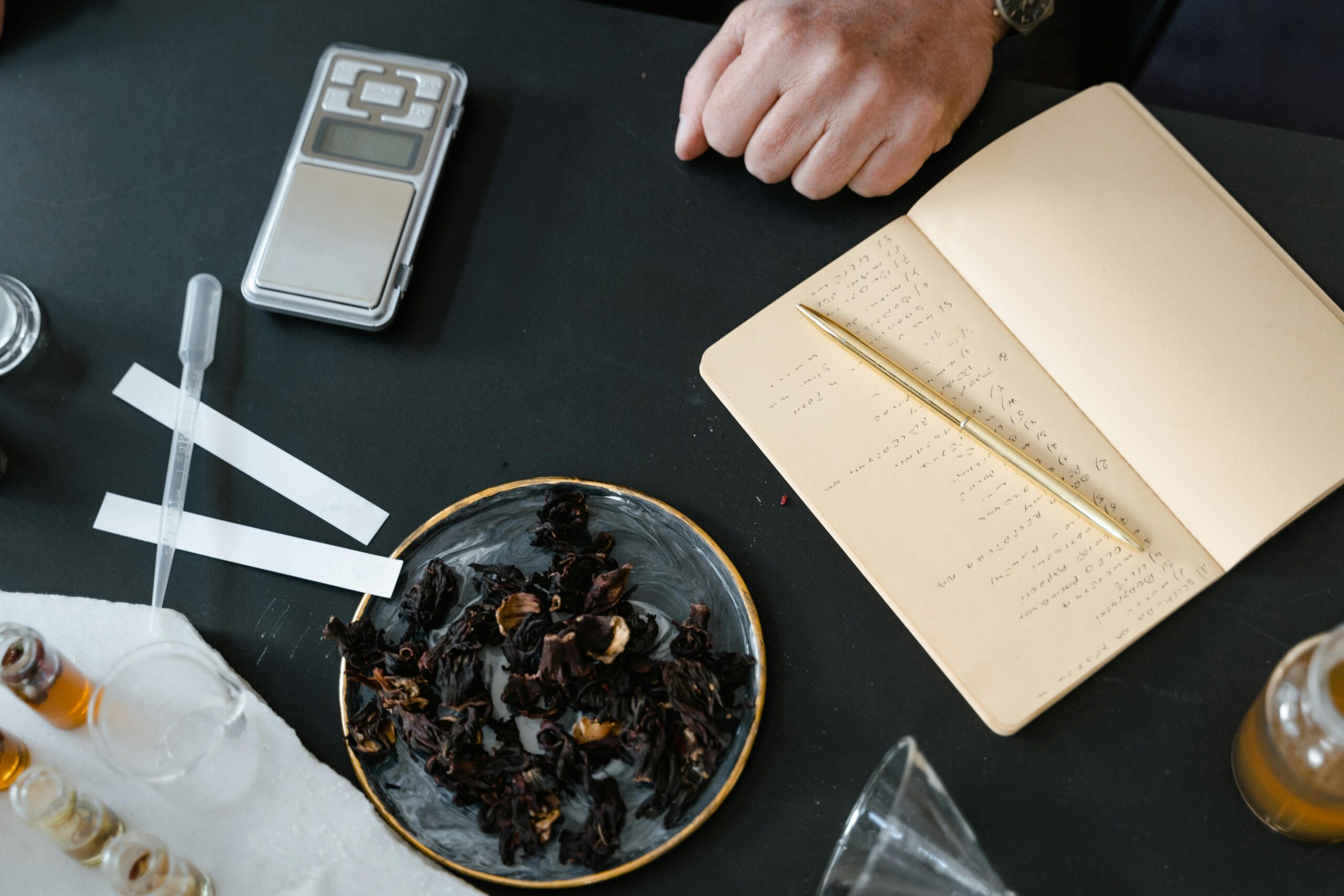
However, today’s herbal renaissance differs fundamentally from simple nostalgia. Modern herbal pharmacology employs sophisticated scientific methodologies to validate traditional uses and discover new applications. Researchers use high-performance liquid chromatography, mass spectrometry, and genomic analysis to understand exactly how medicinal plants work at molecular and cellular levels.
Evidence-Based Herbal Medicine
Contemporary research has validated numerous traditional remedies while revealing surprising mechanisms of action. Studies confirm that turmeric’s curcumin possesses potent anti-inflammatory properties through multiple biochemical pathways. Research validates St. John’s Wort’s effectiveness for mild to moderate depression, though it also reveals important drug interactions traditional practitioners couldn’t have known.
Clinical trials now subject herbal remedies to the same rigorous testing as pharmaceutical drugs. Systematic reviews and meta-analyses examine evidence across multiple studies, providing robust data about efficacy and safety. This evidence-based approach elevates herbal medicine from folklore to legitimate therapeutic modality.
Phytochemistry: Understanding Plant Complexity 🧬
One of the most important insights from modern research is understanding that medicinal plants contain hundreds or thousands of compounds working synergistically. This complexity often explains why whole plant extracts sometimes outperform isolated compounds.
The concept of the “entourage effect” has gained recognition, particularly in cannabis research. Individual cannabinoids have therapeutic properties, but the full spectrum of compounds in the plant—including terpenes, flavonoids, and minor cannabinoids—work together more effectively than isolated molecules.
This understanding is prompting a reevaluation of the reductionist approach that dominated 20th-century pharmacology. Rather than assuming the single most active compound represents the best therapeutic option, researchers are exploring how to harness the full complexity of medicinal plants.
Integration with Modern Healthcare Systems 🏥
The herbal renaissance has prompted institutional changes across healthcare systems. Many medical schools now offer courses in integrative medicine that include herbal pharmacology. The National Center for Complementary and Integrative Health, part of the U.S. National Institutes of Health, funds research into botanical medicine.
Several countries have developed regulatory frameworks for herbal medicines. Germany’s Commission E monographs provide evidence-based guidelines for herbal product use. The European Medicines Agency maintains a Committee on Herbal Medicinal Products that evaluates safety and efficacy. These regulatory structures provide quality standards while acknowledging herbal medicine’s unique characteristics.
Challenges in Integration
Despite progress, significant challenges remain. Standardization proves difficult when dealing with natural products whose composition varies based on growing conditions, harvest timing, and preparation methods. Quality control issues plague the herbal supplement industry, with studies revealing that some products don’t contain advertised ingredients or are contaminated with adulterants.
The lack of patent protection for traditional plants creates financial disincentives for large-scale clinical research. Pharmaceutical companies prefer developing patentable synthetic compounds over researching herbs that anyone can grow. This funding gap means many traditional remedies lack the robust clinical evidence that would facilitate mainstream acceptance.
Technological Advances Driving Discovery 💻
Cutting-edge technology is accelerating herbal pharmacology research in unprecedented ways. Artificial intelligence analyzes vast databases of traditional medicine knowledge, identifying patterns and potential therapeutic compounds. Machine learning algorithms predict which plant compounds might target specific diseases, dramatically reducing research timelines.
Genomic sequencing enables researchers to understand exactly which genes medicinal compounds affect and how. Metabolomics provides comprehensive analysis of all metabolites in a plant extract, revealing the full spectrum of bioactive substances. These technologies transform herbal pharmacology from an empirical practice into a precise, predictive science.
Sustainability and Ethical Considerations 🌱
The herbal renaissance has created new pressures on plant populations. Overharvesting threatens numerous medicinal species with extinction. American ginseng, goldenseal, and many other traditional medicinals face population declines due to commercial demand exceeding sustainable harvest levels.
Ethical issues around biopiracy have emerged as pharmaceutical companies patent compounds derived from traditional knowledge without compensating indigenous communities. The Nagoya Protocol attempts to ensure fair and equitable sharing of benefits arising from genetic resources, but enforcement remains challenging.
Sustainable cultivation practices, ethical wildcrafting guidelines, and fair-trade sourcing have become essential components of responsible herbal medicine. Forward-thinking companies are partnering with indigenous communities, supporting conservation efforts, and investing in cultivation techniques that protect wild populations.
The Future Landscape of Herbal Pharmacology 🔮
The trajectory of herbal pharmacology points toward increasingly sophisticated integration of traditional wisdom and modern science. Personalized herbal medicine, guided by genetic testing and biomarker analysis, may soon enable practitioners to predict which botanical remedies will work best for individual patients.
Nanotechnology offers possibilities for enhanced delivery of herbal compounds, potentially improving bioavailability and therapeutic effectiveness. Researchers are developing nanoformulations of curcumin, resveratrol, and other plant compounds that overcome absorption limitations.
The rise of digital health platforms is making herbal knowledge more accessible while raising quality concerns. Apps and online resources provide information about medicinal plants, but distinguishing evidence-based content from misinformation remains challenging for consumers.
Bridging Traditional and Modern Paradigms
Perhaps the most exciting aspect of the herbal renaissance is the potential for genuine integration rather than competition between traditional and modern approaches. Progressive practitioners recognize that indigenous healing systems offer insights that Western science alone cannot provide, while traditional practitioners increasingly embrace scientific validation and quality standards.
This synthesis represents not a rejection of modern medicine but an expansion of therapeutic possibilities. Chemotherapy patients use ginger to manage nausea. Surgery patients take arnica for bruising. Anxiety sufferers find relief with passionflower alongside or instead of pharmaceutical anxiolytics. Each approach has value; the wisdom lies in knowing when and how to apply them.
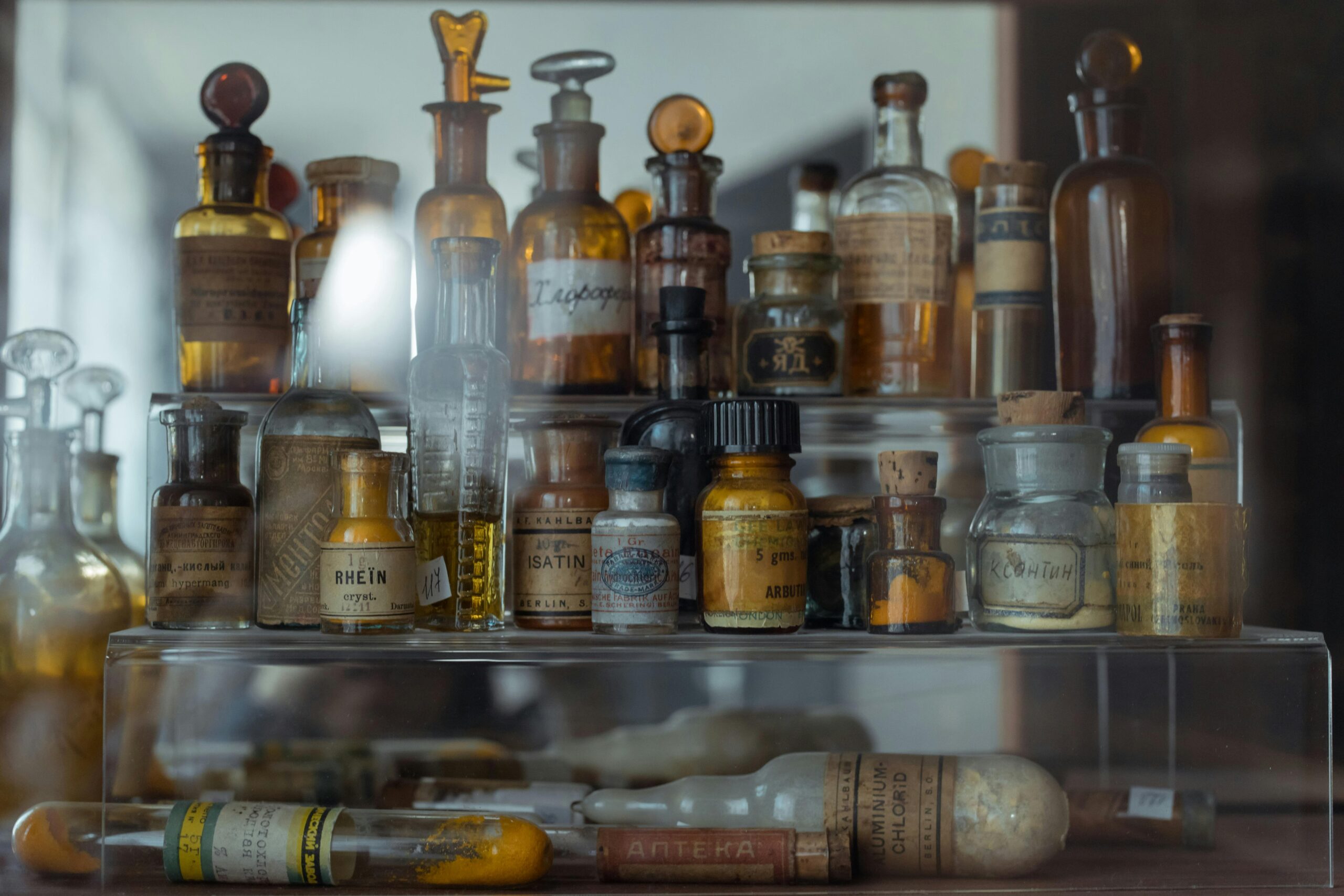
Cultivating Herbal Wisdom for Tomorrow’s World 🌺
As we navigate the 21st century’s complex health challenges—antibiotic resistance, chronic disease epidemics, mental health crises—medicinal plants offer not just therapeutic compounds but a different way of understanding wellness. The herbal renaissance reminds us that healing involves more than eliminating symptoms; it encompasses supporting the body’s innate capacity for balance and regeneration.
The evolution of modern herbal pharmacology through history teaches us that knowledge advances not by abandoning tradition but by examining it through new lenses. Every ancient remedy validated by modern research represents a bridge between past and future, between intuition and evidence, between nature and technology.
Educational initiatives are crucial for this renaissance to fulfill its potential. Medical professionals need training in herbal pharmacology, including drug-herb interactions and evidence-based applications. Consumers need access to reliable information that empowers informed decisions. Researchers need funding to conduct rigorous studies that expand our understanding of botanical medicine.
The herbal renaissance is ultimately about more than medicine—it’s about reimagining our relationship with the natural world and recognizing that the same evolutionary forces that shaped human biology also created chemical compounds in plants that interact with our physiology in profound ways. This co-evolution offers a pharmaceutical library of extraordinary richness that we’ve only begun to explore.
As climate change threatens plant diversity and habitat destruction eliminates species before we’ve studied their properties, the urgency of this work intensifies. Every medicinal plant represents millions of years of evolutionary experimentation, a unique chemical signature that may hold solutions to health challenges we haven’t yet encountered. Preserving botanical diversity isn’t just an environmental imperative; it’s a medical necessity.
The story of herbal pharmacology is far from complete. Each generation adds new chapters, combining inherited wisdom with contemporary insights. Today’s herbal renaissance, grounded in respect for tradition and empowered by scientific rigor, writes perhaps the most exciting chapter yet—one where ancient knowledge and modern innovation create healing possibilities our ancestors could only imagine, using the same plants they cultivated with reverence centuries ago.