Integrative medicine is transforming how we approach health and wellness, merging conventional treatments with evidence-based complementary therapies to create comprehensive, patient-centered care that addresses mind, body, and spirit.

🌿 Understanding the Integrative Medicine Paradigm Shift
The healthcare landscape is experiencing a profound transformation as integrative medicine gains momentum worldwide. This approach represents far more than simply combining different treatment modalities; it embodies a fundamental reimagining of how we understand health, disease, and healing. Integrative medicine recognizes that optimal health extends beyond the absence of disease, encompassing physical vitality, emotional balance, mental clarity, and spiritual fulfillment.
Traditional Western medicine has excelled at acute care interventions, emergency treatments, and managing severe illnesses. However, the integrative approach acknowledges that many chronic conditions require a broader perspective that considers lifestyle factors, environmental influences, genetic predispositions, and psychological well-being. By bringing together the best of conventional medicine with validated complementary therapies, integrative medicine creates a synergistic effect that often produces superior outcomes compared to either approach alone.
Healthcare institutions ranging from major academic medical centers to community clinics are now establishing integrative medicine departments. This institutional acceptance reflects growing recognition that patients deserve access to the full spectrum of safe, effective healing modalities, not just pharmaceutical and surgical interventions.
💡 Core Principles Driving Integrative Healthcare Innovation
Several foundational principles distinguish integrative medicine from conventional healthcare models. Understanding these principles helps explain why this approach resonates so powerfully with both practitioners and patients seeking more comprehensive care options.
Patient-Practitioner Partnership
Integrative medicine fundamentally repositions the patient from passive recipient to active participant in their healing journey. Practitioners spend significantly more time with patients, typically 60-90 minutes for initial consultations compared to the standard 15-minute conventional appointment. This extended interaction allows for deeper exploration of health concerns, lifestyle factors, personal goals, and treatment preferences.
The relationship becomes truly collaborative, with practitioners serving as educators, guides, and partners rather than authoritarian figures dispensing instructions. Patients learn to understand their bodies, recognize early warning signs, and make informed decisions about their care. This empowerment often proves therapeutic in itself, as patients regain a sense of control over their health destiny.
Whole-Person Orientation
Rather than focusing exclusively on symptoms or isolated body systems, integrative practitioners assess the complete individual. They recognize that physical symptoms often reflect deeper imbalances involving nutrition, stress levels, sleep quality, relationship dynamics, life purpose, and environmental exposures. A patient presenting with digestive issues might receive recommendations addressing not just diet but also stress management, exercise, sleep hygiene, and emotional processing.
This holistic perspective acknowledges the intricate interconnections between body systems. The gut-brain axis, the immune-inflammation connection, the hormone-mood relationship, and countless other biological networks demonstrate that isolated interventions often miss crucial contributing factors. Integrative medicine works with these natural systems rather than against them.
🔬 Evidence-Based Innovations Reshaping Treatment Protocols
Integrative medicine increasingly relies on rigorous scientific validation rather than anecdotal reports or tradition alone. Research institutions worldwide are investigating complementary therapies with the same methodological rigor applied to pharmaceutical studies. These investigations are yielding compelling evidence for numerous integrative approaches.
Mind-Body Medicine Breakthroughs
The scientific understanding of mind-body connections has advanced dramatically in recent years. Neuroimaging studies reveal how meditation physically alters brain structure, increasing gray matter density in regions associated with emotional regulation, self-awareness, and perspective-taking. Research demonstrates that mindfulness-based stress reduction significantly reduces anxiety, depression, chronic pain, and inflammatory markers.
Biofeedback technologies now allow patients to observe real-time physiological responses, learning to consciously regulate heart rate variability, muscle tension, skin temperature, and brainwave patterns. These skills translate into reduced medication requirements for conditions ranging from hypertension to migraine headaches. The evidence base has grown sufficiently robust that many insurance providers now cover mind-body interventions for specific conditions.
Nutritional Psychiatry and Metabolic Healing
The emerging field of nutritional psychiatry examines how dietary patterns influence mental health outcomes. Research reveals that Mediterranean-style diets rich in vegetables, fruits, whole grains, legumes, nuts, fish, and olive oil significantly reduce depression risk. Conversely, highly processed foods, refined sugars, and industrial seed oils correlate with increased rates of anxiety, depression, and cognitive decline.
Functional medicine practitioners utilize advanced nutritional testing to identify deficiencies, food sensitivities, and metabolic imbalances contributing to chronic conditions. Targeted nutritional interventions often produce remarkable improvements in conditions previously considered medication-dependent, including autoimmune disorders, metabolic syndrome, and mood disturbances.
Herbal Medicine and Phytotherapy Advances
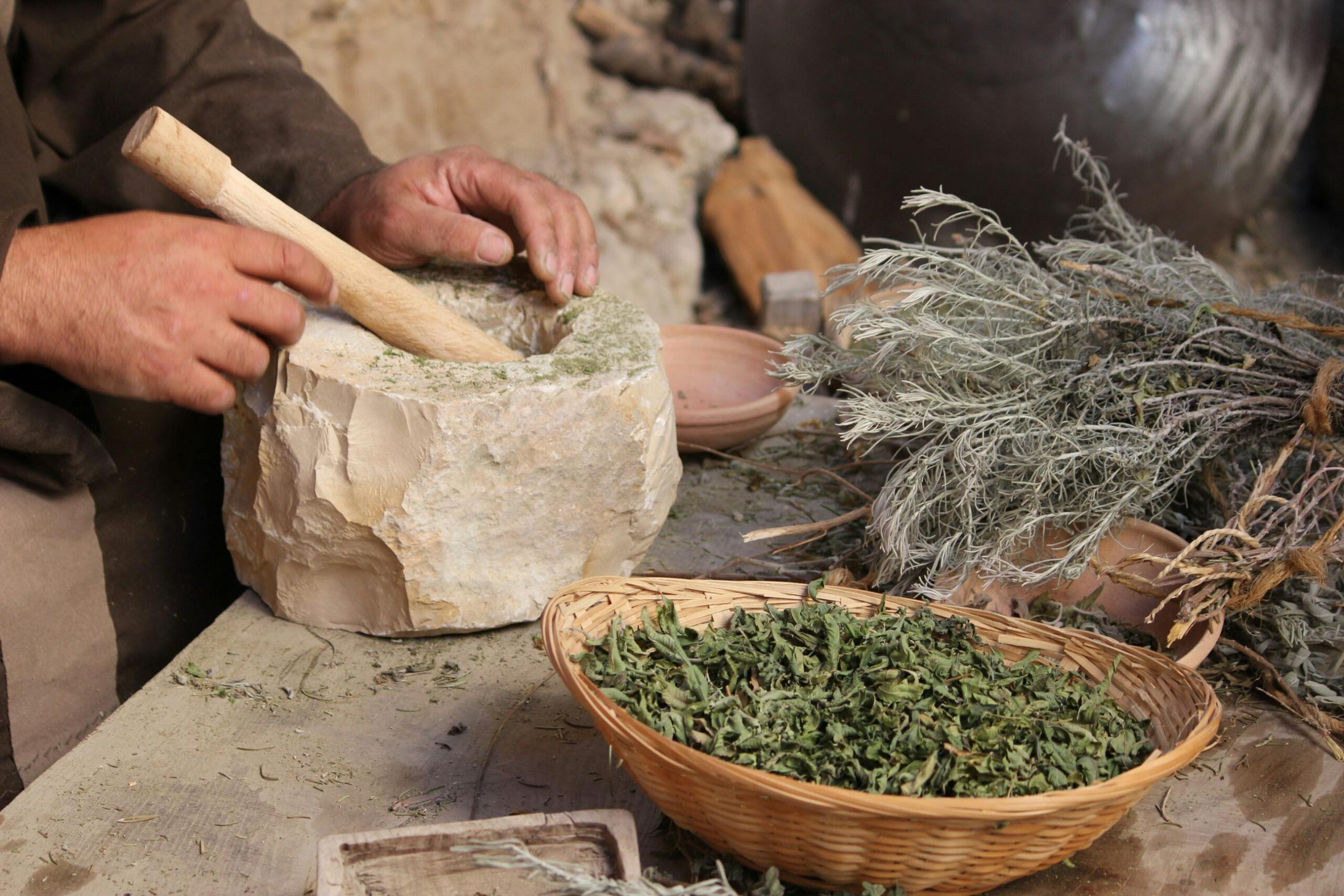
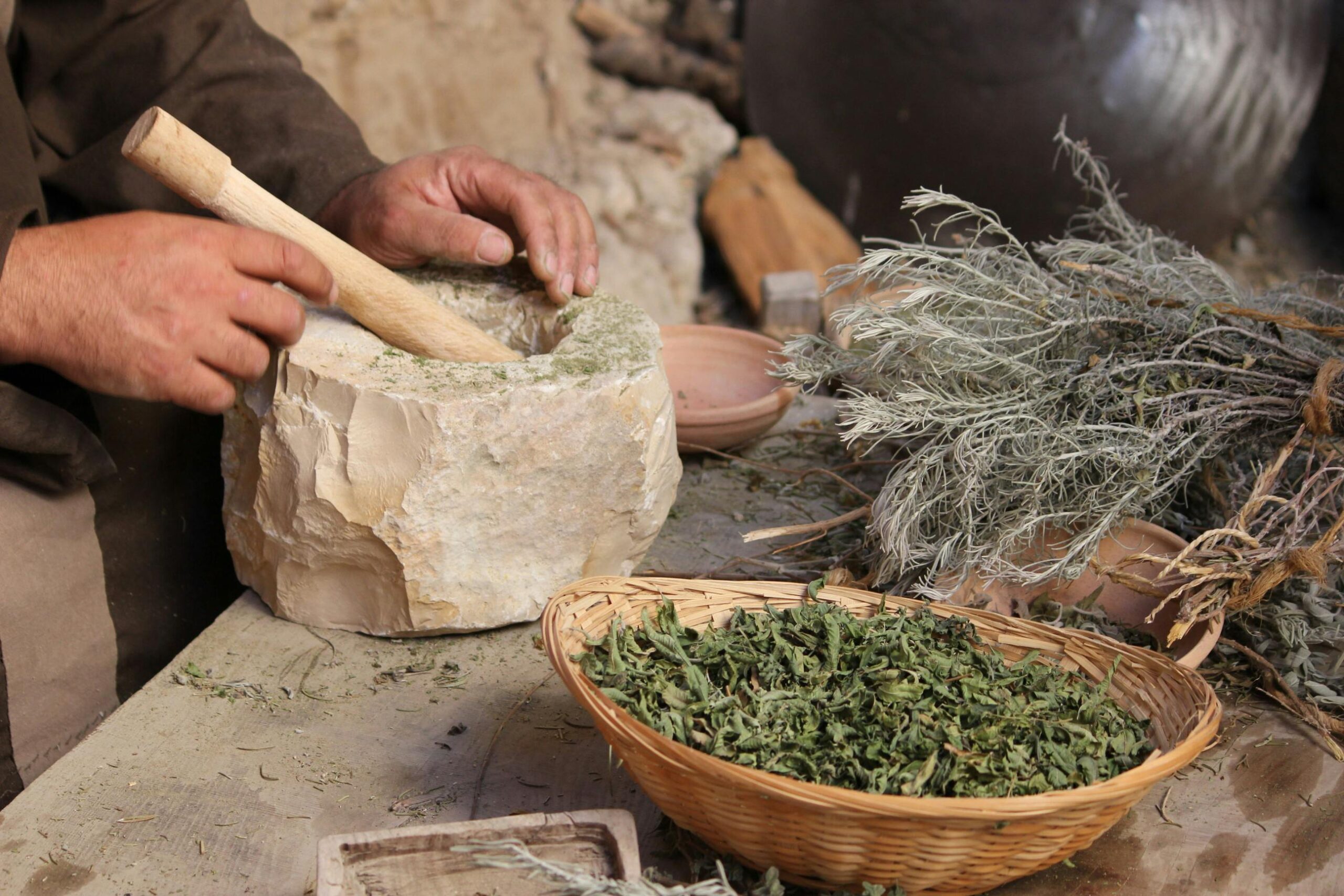
Modern research is validating many traditional herbal remedies while also revealing their mechanisms of action at molecular levels. Curcumin from turmeric demonstrates powerful anti-inflammatory effects through multiple biochemical pathways. Adaptogenic herbs like ashwagandha and rhodiola help regulate the stress response system, improving resilience to physical and emotional demands.
Standardized herbal extracts now undergo rigorous quality testing for purity, potency, and absence of contaminants. Clinical trials compare herbal interventions directly against pharmaceutical options, often revealing comparable efficacy with fewer side effects. For conditions like mild to moderate depression, anxiety, and insomnia, herbal options frequently provide effective alternatives or adjuncts to conventional medications.
🏥 Implementing Integrative Models in Clinical Settings
Translating integrative medicine principles into practical healthcare delivery requires thoughtful planning, interdisciplinary collaboration, and organizational commitment. Successful integrative medicine centers share common characteristics that contribute to positive patient outcomes and sustainable operations.
Building Collaborative Care Teams
Effective integrative medicine relies on teams that include physicians, nurse practitioners, nutritionists, acupuncturists, massage therapists, mental health counselors, health coaches, and other specialists. These professionals collaborate regularly, sharing insights and coordinating treatment plans rather than working in isolation.
Weekly or biweekly case conferences allow team members to discuss complex patients, combining their diverse perspectives to develop comprehensive strategies. A patient with chronic fatigue syndrome might benefit from coordinated interventions including nutritional optimization, acupuncture, cognitive behavioral therapy, gentle movement practices, and targeted supplementation, with each team member contributing their unique expertise.
Creating Healing Environments
The physical environment significantly influences healing outcomes. Integrative medicine centers intentionally design spaces that promote relaxation, inspiration, and wellbeing. Natural lighting, living plants, comfortable furnishings, soothing colors, and minimal clinical aesthetics help patients feel welcomed rather than intimidated.
Many centers incorporate meditation rooms, movement studios, teaching kitchens, and outdoor healing gardens. These spaces facilitate group programs, educational workshops, and individual practices that extend beyond traditional examination rooms. The environment itself becomes therapeutic, supporting patients in envisioning and experiencing wellness rather than remaining focused solely on illness.
📊 Measuring Outcomes and Demonstrating Value
For integrative medicine to achieve mainstream acceptance and insurance coverage, demonstrating measurable outcomes becomes essential. Progressive programs implement comprehensive tracking systems that document clinical improvements, patient satisfaction, quality of life enhancements, and cost-effectiveness.
Validated assessment tools measure symptom severity, functional capacity, emotional wellbeing, and overall health status at regular intervals throughout treatment. These metrics reveal not just whether symptoms improved but whether patients experienced meaningful enhancements in their ability to work, engage in relationships, pursue activities they value, and experience life satisfaction.
Economic analyses increasingly demonstrate that integrative approaches often reduce overall healthcare costs despite higher upfront investments in practitioner time and complementary therapies. Patients frequently reduce medication requirements, avoid surgeries, require fewer emergency visits, and miss fewer work days. The preventive orientation characteristic of integrative medicine helps patients avoid expensive complications and disease progression.
🌍 Addressing Health Disparities Through Integrative Approaches
Integrative medicine holds particular promise for underserved populations who experience disproportionate burdens of chronic disease yet often receive fragmented, inadequate care. Community-based integrative programs are demonstrating how this approach can address social determinants of health while providing culturally responsive care.
Group medical visits combine clinical care with peer support and health education in formats that reduce per-person costs while providing extended practitioner access. These shared appointments work particularly well for diabetes management, weight loss programs, chronic pain support, and prenatal care. Participants benefit from learning they’re not alone in their struggles while gaining practical skills and community connections.
Mobile health technologies are extending integrative medicine access to remote and underserved areas. Telemedicine consultations, smartphone apps for meditation and health tracking, online educational resources, and virtual support groups help overcome geographic and transportation barriers that previously limited access to comprehensive care.
🎯 Best Practices for Patients Exploring Integrative Options
Individuals interested in integrative medicine benefit from approaching this healthcare model strategically. Several best practices help patients maximize benefits while minimizing risks and avoiding common pitfalls.
Selecting Qualified Practitioners
Credentials matter significantly in integrative medicine. Board certification in integrative medicine exists for physicians who complete fellowship training beyond their primary specialty. Acupuncturists should hold national certification and state licensure where applicable. Nutritionists ideally possess registered dietitian credentials rather than brief online certifications.
Researching practitioners’ educational backgrounds, clinical experience, and professional affiliations helps identify qualified professionals. Reading patient reviews provides insights into communication styles, office operations, and treatment philosophies. Initial consultations offer opportunities to assess whether a practitioner’s approach aligns with personal values and healthcare goals.
Communicating with All Healthcare Providers
Patients should maintain open communication with all healthcare providers about every intervention they’re using, including supplements, herbs, mind-body practices, and alternative therapies. Some complementary treatments interact with medications or may be contraindicated for specific conditions. Comprehensive disclosure enables providers to monitor for potential interactions and coordinate care effectively.
Maintaining a personal health record that documents all treatments, medications, supplements, and test results facilitates information sharing across providers. This record proves particularly valuable when seeing multiple practitioners who may not share electronic health systems.
🚀 Future Directions in Integrative Healthcare Innovation
The integrative medicine field continues evolving rapidly as research expands, technologies advance, and healthcare systems recognize the value of comprehensive approaches. Several emerging trends suggest exciting developments ahead.
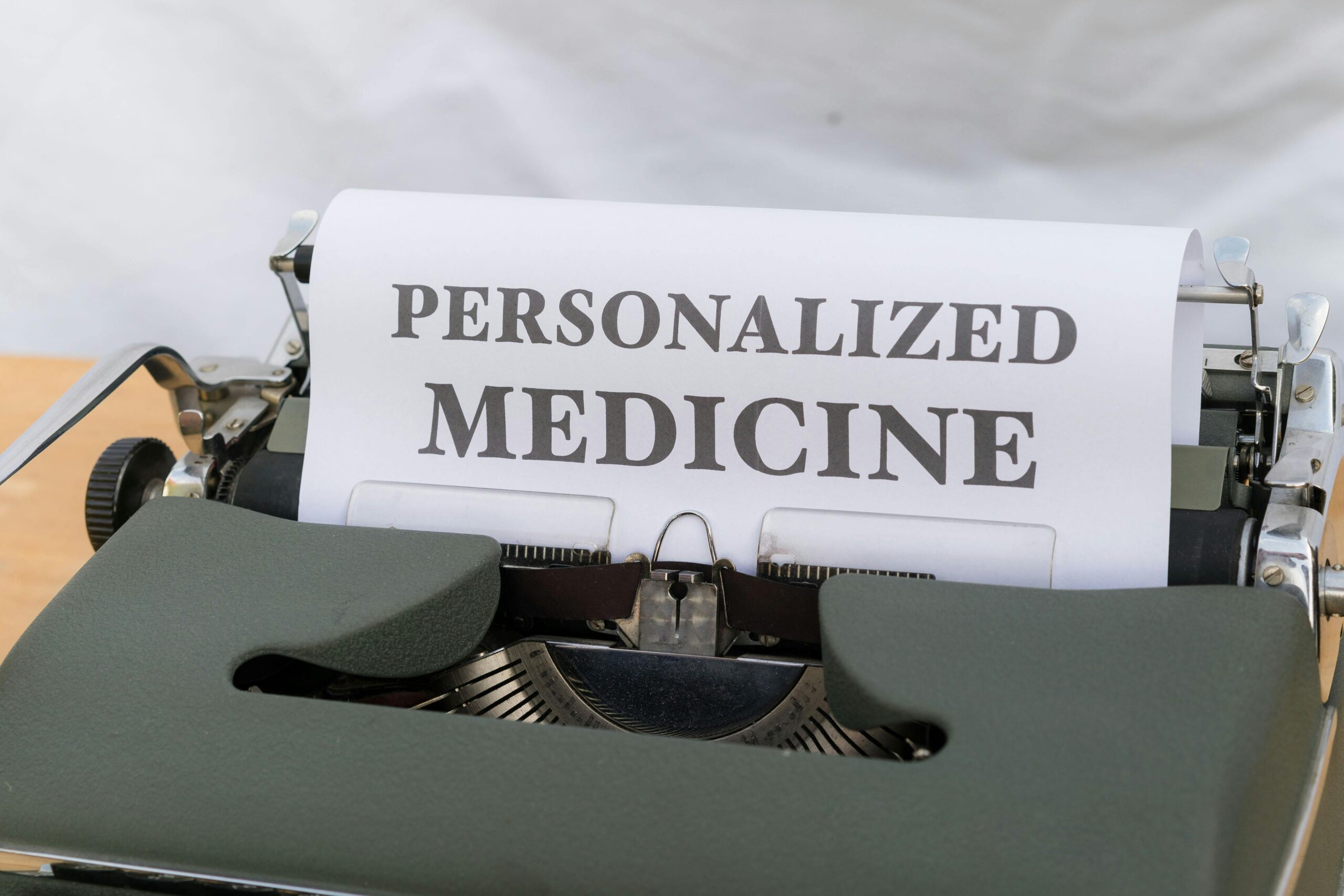
Precision medicine approaches are beginning to identify which patients respond best to specific integrative interventions based on genetic profiles, biomarkers, and other individual characteristics. Rather than trial-and-error approaches, practitioners may soon predict with greater accuracy which acupuncture protocols, herbal formulas, or dietary patterns will benefit particular individuals.
Artificial intelligence and machine learning algorithms are analyzing vast datasets to identify patterns invisible to human observation. These technologies may reveal unexpected connections between symptoms, lifestyle factors, and treatment responses, generating new hypotheses for clinical investigation and personalized treatment recommendations.
Insurance coverage for integrative services continues expanding as evidence accumulates and healthcare systems recognize potential cost savings. Medicare now covers acupuncture for chronic low back pain, representing a significant milestone in mainstream acceptance. Private insurers increasingly offer integrative medicine benefits, particularly for chronic pain, cancer supportive care, and mental health conditions.
💪 Empowering Personal Health Through Integrative Principles
Perhaps integrative medicine’s greatest contribution involves empowering individuals to reclaim responsibility for their health. This model teaches that while healthcare providers offer valuable expertise and support, ultimate health authority resides within each person.
Self-care practices form the foundation of integrative approaches. Daily choices regarding nutrition, physical activity, sleep, stress management, and relationship cultivation exert profound influences on health outcomes. Integrative practitioners help patients understand these connections and develop sustainable habits aligned with their values, preferences, and life circumstances.
The integrative medicine revolution represents far more than adding complementary therapies to conventional treatments. It embodies a fundamental transformation in how we conceptualize health, approach healing, and partner with healthcare providers. As research evidence grows, clinical models mature, and cultural acceptance increases, integrative medicine moves steadily from alternative to mainstream, offering comprehensive, compassionate, effective care that honors the full complexity of human health and healing.
This healthcare revolution continues unfolding as practitioners, researchers, patients, and institutions collaborate to create systems that truly serve human flourishing. The journey toward fully integrative healthcare remains ongoing, but the direction is clear and the momentum unmistakable. For those seeking more complete, personalized, effective healthcare, integrative medicine offers a powerful pathway forward.