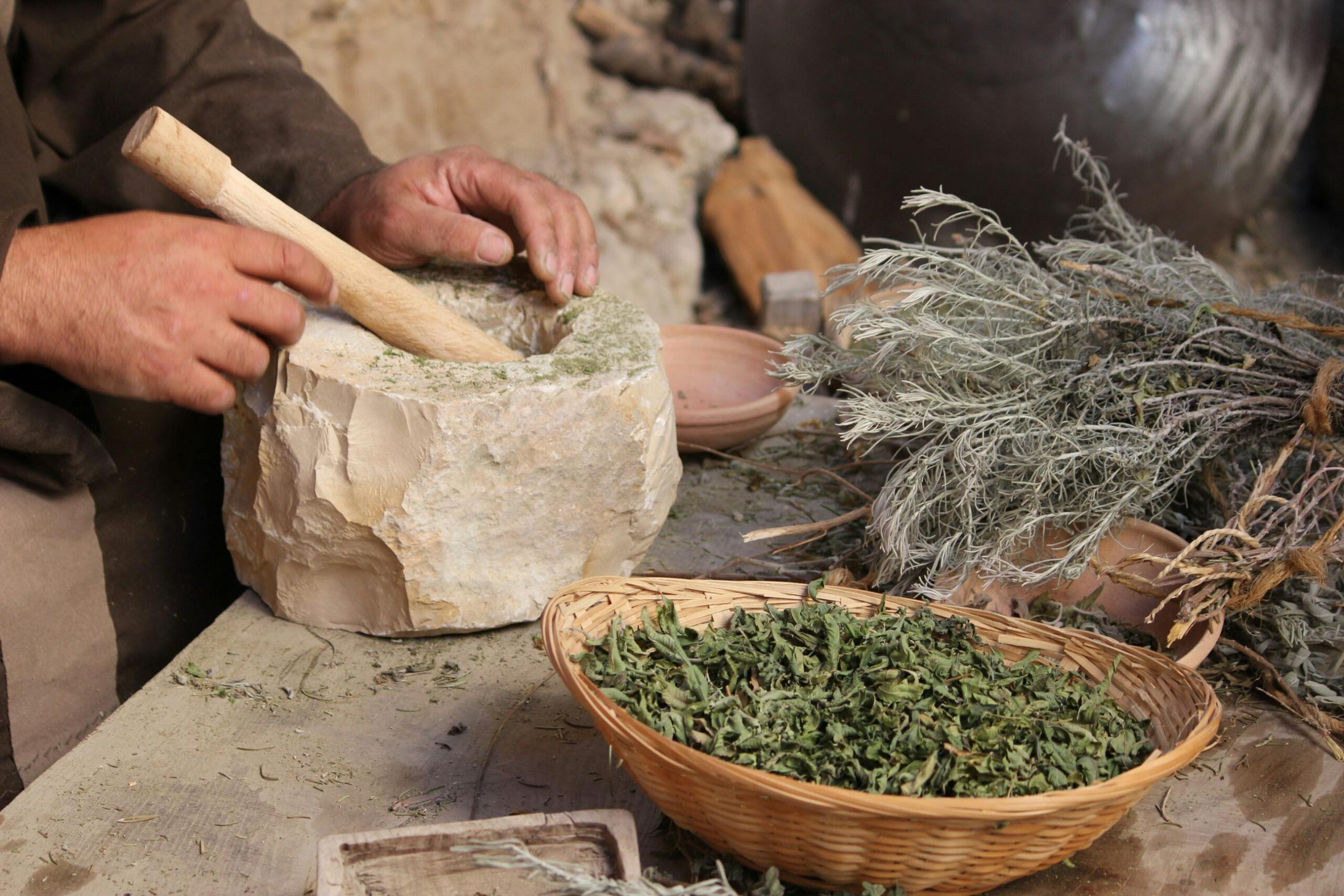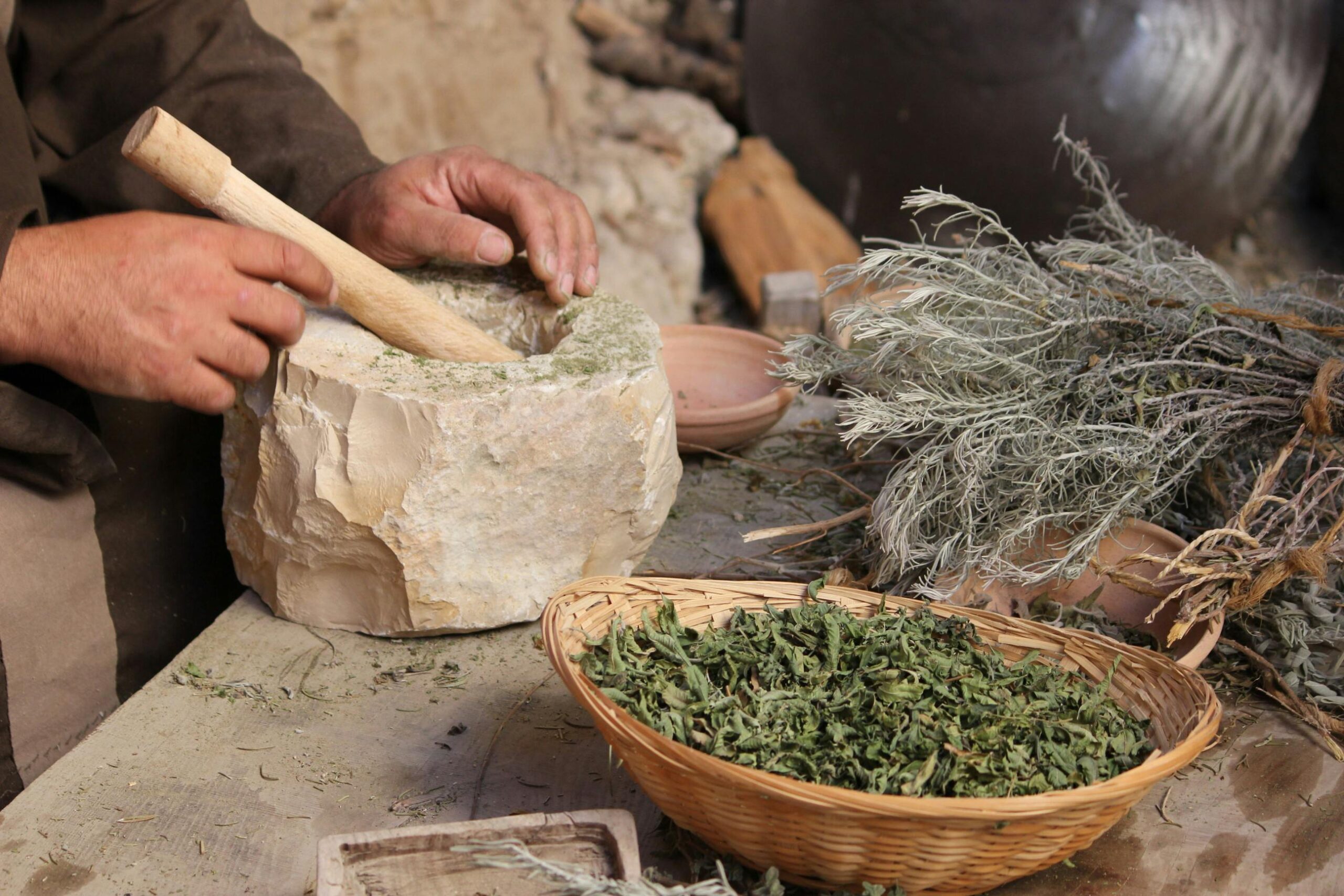
Integrative medicine is transforming healthcare by combining conventional treatments with complementary therapies, creating personalized approaches that address the whole person—body, mind, and spirit.

The Paradigm Shift in Modern Healthcare 🏥
Healthcare is experiencing a fundamental transformation. Traditional medical models that focused solely on treating symptoms are evolving into comprehensive systems that consider every aspect of patient well-being. This shift represents more than just adding alternative therapies to conventional medicine—it’s a complete reimagining of how we approach health and healing.
Integrative medicine acknowledges that each patient is unique, with distinct genetic makeups, environmental influences, lifestyle factors, and personal health goals. Rather than applying one-size-fits-all protocols, practitioners work collaboratively with patients to develop customized treatment plans that may include conventional pharmaceuticals alongside nutrition counseling, acupuncture, mindfulness practices, and other evidence-based therapies.
The urgency for this transformation has never been greater. Chronic diseases now account for approximately 70% of deaths worldwide, with many conditions—such as diabetes, heart disease, and autoimmune disorders—requiring comprehensive lifestyle interventions rather than medication alone. Patients increasingly recognize that pills don’t always provide complete answers and are seeking healthcare models that empower them to take active roles in their healing journeys.
Technologies Reshaping Integrative Healthcare Delivery 💡
Digital innovation is accelerating the adoption of integrative medicine practices across healthcare systems. Telemedicine platforms now connect patients with integrative practitioners regardless of geographic boundaries, democratizing access to specialized care that was previously available only in major metropolitan areas.
Artificial intelligence is revolutionizing personalized treatment protocols. Machine learning algorithms analyze vast datasets including genetic information, biomarkers, lifestyle factors, and treatment outcomes to identify patterns that human practitioners might overlook. These systems can predict which patients are most likely to benefit from specific integrative approaches, optimizing resource allocation and improving patient outcomes.
Wearable health devices and smartphone applications provide continuous health monitoring that extends the practitioner-patient relationship beyond clinic walls. Patients can track sleep patterns, heart rate variability, stress levels, physical activity, and nutrition in real-time, generating valuable data that informs treatment adjustments and empowers individuals to make immediate lifestyle modifications.
Blockchain technology is emerging as a solution for secure health data management in integrative settings. Since integrative care often involves multiple practitioners across diverse specialties, blockchain creates interoperable, tamper-proof health records that travel seamlessly with patients while maintaining privacy and security standards.
Virtual Reality in Mind-Body Medicine
Virtual reality applications are proving remarkably effective for pain management, anxiety reduction, and rehabilitation. Patients undergoing chemotherapy can immerse themselves in calming natural environments, significantly reducing nausea and anxiety without additional pharmaceuticals. Those recovering from strokes or injuries engage in VR-based physical therapy that feels like gaming, improving compliance and accelerating recovery.
These technologies don’t replace human connection—they enhance it. Practitioners gain deeper insights into patient experiences between visits, allowing for more targeted interventions and meaningful conversations during appointments. The technology serves the therapeutic relationship rather than diminishing it.
Evidence-Based Integrative Approaches Gaining Medical Acceptance 🔬
The scientific foundation supporting integrative medicine has strengthened considerably over recent years. Rigorous research demonstrates that many complementary therapies produce measurable physiological changes and clinical improvements when properly integrated with conventional care.
Acupuncture has transitioned from alternative curiosity to mainstream acceptance, with major medical centers now offering it for pain management, nausea control, and various chronic conditions. Neuroimaging studies reveal that acupuncture activates specific brain regions associated with pain modulation, providing mechanistic understanding that satisfies scientific skeptics.
Mindfulness-based stress reduction programs have accumulated substantial evidence for benefits in anxiety, depression, chronic pain, and even immune function. Many insurance companies now cover these programs, recognizing their cost-effectiveness compared to long-term pharmaceutical management of stress-related conditions.
Nutritional interventions are receiving unprecedented attention as research reveals the profound connections between diet, inflammation, and chronic disease. Functional medicine practitioners use advanced testing to identify individual nutritional deficiencies, food sensitivities, and metabolic imbalances, then design targeted dietary interventions that can dramatically improve conditions previously considered medication-dependent.
The Microbiome Revolution
Perhaps no area of integrative medicine has exploded more dramatically than microbiome research. Scientists now understand that the trillions of microorganisms inhabiting our bodies influence everything from immune function and mental health to weight regulation and disease susceptibility.
Integrative practitioners are leveraging this knowledge through personalized probiotic recommendations, dietary modifications that support beneficial bacteria, and careful antibiotic stewardship. Some cutting-edge centers offer comprehensive microbiome testing that guides highly individualized interventions for conditions ranging from irritable bowel syndrome to depression.
Fecal microbiota transplantation, once considered fringe medicine, is now FDA-approved for recurrent Clostridium difficile infections and shows promise for various autoimmune and metabolic conditions. This dramatic example illustrates how integrative approaches can evolve from alternative status to standard-of-care remarkably quickly when supported by solid evidence.
Training the Next Generation of Integrative Practitioners 👨⚕️
Medical education is gradually incorporating integrative principles into curricula. Progressive medical schools now offer courses in nutrition, mind-body medicine, health coaching, and systems biology—topics largely absent from traditional training just a generation ago.
The challenge extends beyond adding content to already packed schedules. True integrative training requires cultivating different mindsets and skills. Future practitioners need to develop deep listening abilities, collaborate effectively across disciplines, tolerate ambiguity in complex cases, and view themselves as guides rather than authorities in patient healing journeys.
Continuing education programs are helping practicing physicians transition toward integrative models. Organizations like the Academic Consortium for Integrative Medicine & Health provide structured training paths, connecting practitioners with mentors and evidence-based resources that support practice transformation.
Interdisciplinary collaboration represents a core competency in integrative medicine. Training programs increasingly incorporate team-based learning where conventional physicians work alongside naturopaths, chiropractors, nutritionists, acupuncturists, and health coaches. These experiences break down professional silos and build mutual respect across therapeutic traditions.
Financial Models Supporting Integrative Care Sustainability 💰
Despite growing patient demand and scientific validation, integrative medicine faces significant financial barriers. Many effective therapies lack insurance coverage, creating access inequities and limiting practice sustainability.
Progressive healthcare systems are experimenting with payment models that incentivize integrative approaches. Value-based care contracts reward providers for patient outcomes rather than procedure volume, aligning financial incentives with the preventive, relationship-centered nature of integrative medicine.
Some employers are pioneering integrative wellness programs as cost-control strategies. By offering employees access to nutrition counseling, stress management classes, and complementary therapies, these companies reduce healthcare expenditures through decreased chronic disease prevalence and improved worker productivity.
Direct primary care models are gaining traction, eliminating insurance intermediaries through membership-based practices. Patients pay monthly fees for comprehensive care that often includes extensive preventive counseling and complementary services. Without insurance billing restrictions, practitioners spend more time with patients and incorporate diverse therapeutic approaches.
The Cost-Effectiveness Argument
Economic analyses increasingly demonstrate that integrative approaches can reduce overall healthcare spending. Studies show that patients engaged with integrative medicine centers have lower hospitalization rates, reduced pharmaceutical costs, and fewer emergency department visits compared to matched controls receiving conventional care alone.
Preventive interventions central to integrative medicine—such as nutrition optimization, stress management, and physical activity promotion—address root causes of expensive chronic conditions before they require costly medical interventions. The challenge lies in convincing payers to invest in prevention despite delayed return on investment, particularly in systems where patient populations frequently change insurance providers.
Addressing Skepticism and Quality Control Concerns ⚖️
Integrative medicine still faces legitimate criticism from portions of the medical establishment. Concerns include insufficient evidence for some practices, potential for exploitation of vulnerable patients, and risks when patients reject necessary conventional treatments in favor of unproven alternatives.
The integrative medicine community has responded by emphasizing evidence standards, professional credentialing, and patient safety protocols. Reputable integrative centers employ only licensed practitioners, require documented informed consent, maintain rigorous quality assurance processes, and collaborate closely with conventional specialists for serious conditions.
Regulation remains inconsistent across therapeutic modalities and geographic regions. Some complementary practices have well-established licensing boards and practice standards, while others lack regulatory oversight entirely. The field recognizes that standardization and accountability are essential for mainstream acceptance and patient protection.
Honest acknowledgment of uncertainty is crucial. Not every patient responds to every therapy, and some traditional practices lack sufficient research validation. Ethical integrative practitioners communicate clearly about evidence levels, set realistic expectations, and adjust approaches based on individual responses rather than dogmatic adherence to particular therapeutic philosophies.
Cultural Wisdom Meets Scientific Innovation 🌍
One of integrative medicine’s greatest strengths is its openness to healing wisdom from diverse cultural traditions. Traditional Chinese Medicine, Ayurveda, Indigenous healing practices, and other systems developed over millennia offer insights that complement Western biomedical knowledge.
Rather than wholesale adoption or dismissive rejection, the integrative approach subjects traditional practices to scientific investigation. Researchers identify active compounds in herbal medicines, study physiological mechanisms underlying ancient techniques, and conduct clinical trials comparing traditional and modern interventions.
This cross-cultural exchange enriches healthcare while raising important questions about intellectual property, cultural appropriation, and respect for healing traditions. Thoughtful integrative practitioners acknowledge the origins of therapies they employ and work to ensure that traditional knowledge holders benefit from commercial applications of their ancestral wisdom.
Globalization is facilitating unprecedented knowledge exchange. Practitioners worldwide share insights through international conferences, research collaborations, and digital platforms, accelerating the evidence-building process and identifying universal principles that transcend cultural contexts.
Patient Empowerment and Shared Decision-Making 🤝
Integrative medicine fundamentally reimagines the practitioner-patient relationship. Rather than passive recipients of expert instructions, patients become active participants in co-creating their health strategies. This empowerment model recognizes that patients are experts in their own experiences and that sustainable health changes require personal investment and motivation.
Shared decision-making processes involve transparent discussions of all therapeutic options, including risks, benefits, evidence levels, and costs. Practitioners help patients clarify their values and priorities, then collaborate to design treatment plans aligned with individual preferences and life circumstances.
Health coaching has emerged as a vital component of integrative care. Coaches work with patients to set achievable goals, overcome behavioral obstacles, and maintain motivation during challenging lifestyle transitions. This support addresses the gap between knowing what to do for health and actually implementing sustained behavior changes.
Digital platforms increasingly facilitate patient empowerment through access to personal health data, educational resources, and online communities. Patients can research conditions, track symptoms, connect with others facing similar challenges, and arrive at appointments as informed partners in therapeutic planning.

Looking Forward: The Next Frontier of Integrative Innovation 🚀
The future of integrative medicine promises even more personalized, precise, and effective healthcare. Genomic testing combined with advanced bioinformatics will enable practitioners to predict individual responses to both pharmaceutical and natural therapies with increasing accuracy, minimizing trial-and-error treatment approaches.
Psychedelic-assisted therapy is emerging from decades of regulatory restriction, with preliminary research showing remarkable potential for treatment-resistant depression, PTSD, addiction, and end-of-life anxiety. Integrative centers are developing protocols that combine these powerful medicines with psychotherapy and integration support.
Environmental medicine is gaining recognition as pollution, climate change, and toxin exposures increasingly impact health. Integrative practitioners are developing strategies to assess individual toxic burdens and implement targeted detoxification protocols alongside broader advocacy for environmental health policies.
Regenerative medicine techniques such as stem cell therapies and tissue engineering are beginning to merge with integrative approaches. Practitioners recognize that optimizing nutrition, reducing inflammation, and supporting overall physiological balance enhances outcomes of these cutting-edge interventions.
Building Bridges Rather Than Walls
The most promising future for healthcare lies not in choosing between conventional and integrative medicine but in thoughtfully combining their strengths. Conventional medicine excels at acute crisis management, sophisticated diagnostics, and powerful interventions for serious diseases. Integrative approaches offer superior chronic disease management, preventive strategies, and attention to quality of life and personal meaning.
Healthcare systems that successfully bridge these worlds—respecting evidence, honoring diverse healing traditions, empowering patients, and supporting practitioner collaboration—will deliver the most comprehensive, effective, and humane care. This integration represents not a rejection of medical science but its fullest expression, recognizing that optimal healing engages every dimension of human experience.
The revolution in integrative medicine is ultimately about expanding possibilities—more therapeutic options, deeper understanding of health and disease, stronger partnerships between patients and practitioners, and greater emphasis on creating wellness rather than merely treating illness. As innovations continue accelerating, those who approach healthcare with curiosity, humility, and openness will be best positioned to benefit from and contribute to this transformation.