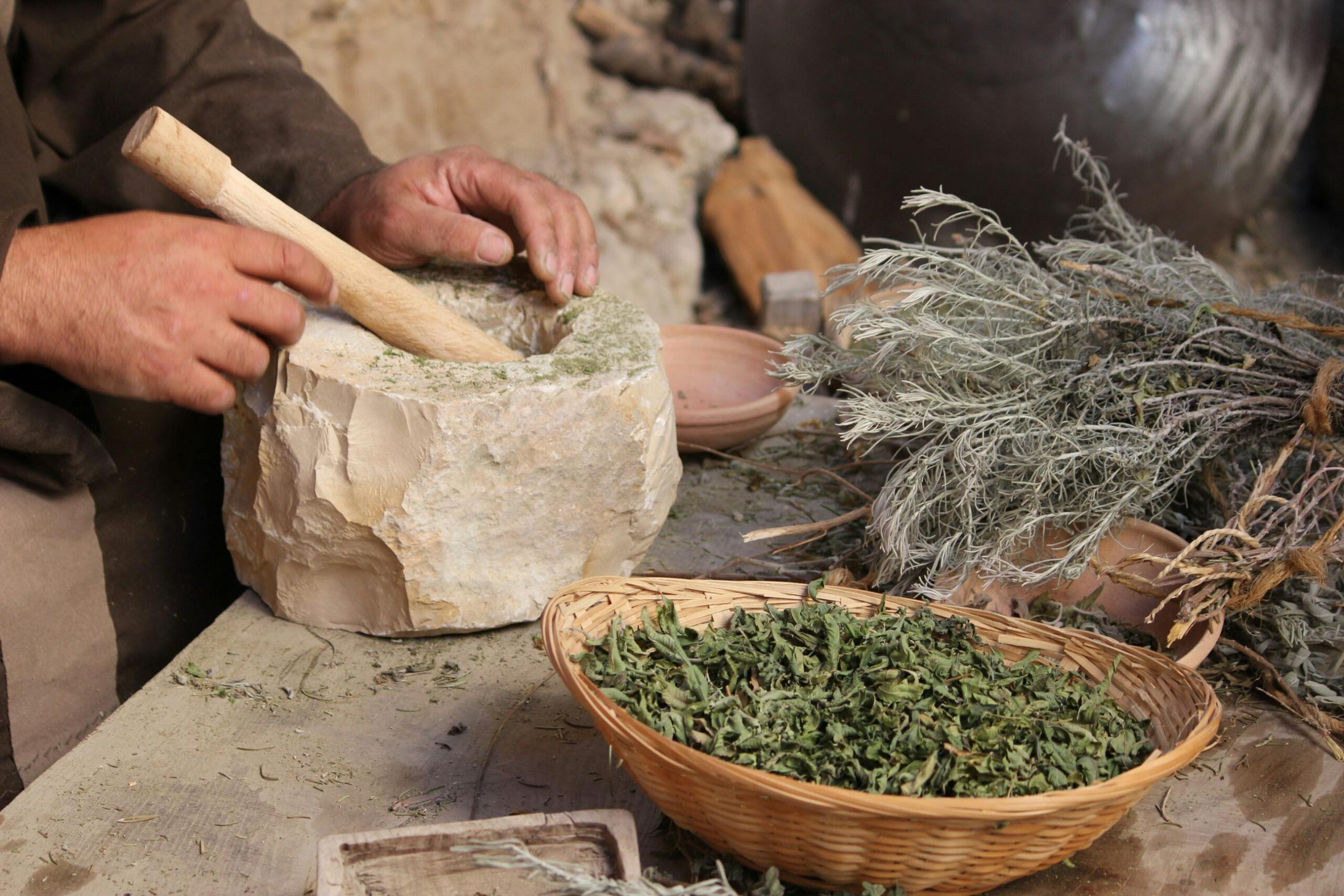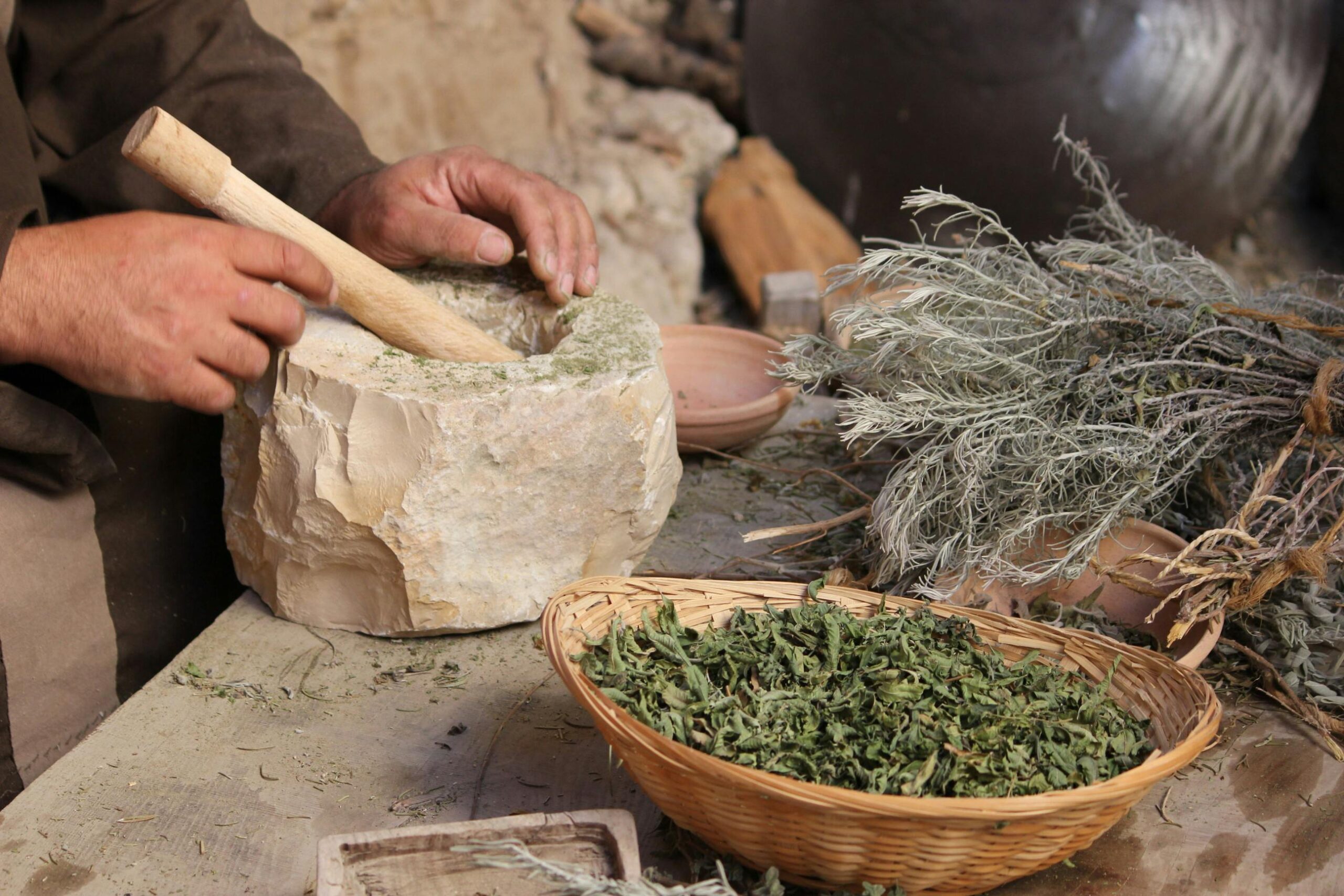
Integrative medicine is transforming modern healthcare by merging conventional treatments with evidence-based complementary therapies, creating a patient-centered approach that addresses mind, body, and spirit. 🌿

The Dawn of a New Medical Paradigm
Healthcare has reached a critical inflection point where traditional Western medicine alone no longer satisfies the complex needs of modern patients. The rise of chronic diseases, mental health challenges, and patient dissatisfaction with fragmented care has catalyzed a revolutionary shift toward integrative medicine. This approach doesn’t reject conventional treatments but rather enhances them with complementary modalities that have demonstrated clinical efficacy.
Integrative medicine represents a fundamental rethinking of healthcare delivery. Rather than simply treating symptoms, practitioners consider the whole person, examining lifestyle factors, environmental influences, nutritional status, emotional wellbeing, and social connections. This comprehensive perspective acknowledges that health extends far beyond the absence of disease, encompassing optimal functioning across all dimensions of human existence.
The evolution hasn’t happened overnight. Decades of research, patient advocacy, and progressive thinking among healthcare professionals have gradually built the evidence base supporting integrative approaches. Major medical institutions, including the Mayo Clinic, Cleveland Clinic, and Johns Hopkins, now operate dedicated integrative medicine departments, signaling mainstream acceptance of this transformative model.
Bridging Ancient Wisdom with Modern Science 🔬
One of the most compelling aspects of integrative medicine is its ability to validate ancient healing traditions through contemporary scientific methodology. Practices like acupuncture, meditation, herbal medicine, and yoga—used for millennia across various cultures—are now being scrutinized through randomized controlled trials, neuroimaging studies, and molecular biology research.
Acupuncture provides an excellent example of this convergence. Once dismissed by Western medicine as pseudoscience, extensive research has now demonstrated its effectiveness for conditions ranging from chronic pain to chemotherapy-induced nausea. Neuroimaging studies reveal that acupuncture triggers specific brain responses, modulating pain pathways and inflammatory processes. This scientific validation doesn’t diminish the traditional understanding; rather, it provides a complementary framework for comprehension.
Similarly, meditation and mindfulness practices have transitioned from esoteric spiritual exercises to scientifically validated interventions. Research demonstrates measurable changes in brain structure and function following consistent meditation practice, with improvements in attention regulation, emotional processing, and stress response. These findings have led to the development of evidence-based programs like Mindfulness-Based Stress Reduction (MBSR), now widely implemented in clinical settings.
The Genomics Revolution in Personalized Integrative Care
Genomic medicine represents another frontier where integrative approaches are making substantial impact. Understanding individual genetic variations allows practitioners to tailor interventions—both conventional and complementary—to each person’s unique biological makeup. Pharmacogenomics helps predict medication responses, while nutrigenomics reveals how specific dietary components interact with individual genetic profiles.
This personalized approach extends to supplement recommendations, exercise prescriptions, and stress management techniques. What works optimally for one person may be less effective for another due to genetic differences in metabolism, receptor sensitivity, and biochemical pathways. Integrative medicine embraces this complexity, moving away from one-size-fits-all protocols toward truly individualized care plans.
Technology-Enabled Integrative Healthcare Delivery 📱
Digital health technologies have dramatically expanded access to integrative medicine services. Telemedicine platforms now connect patients with integrative practitioners regardless of geographic location, democratizing access to specialized care. Mobile applications support meditation practice, dietary tracking, symptom monitoring, and health coaching, placing powerful self-care tools directly in patients’ hands.
Wearable devices provide continuous data streams about physiological parameters, sleep quality, physical activity, and stress levels. This real-time information empowers both patients and practitioners to make informed adjustments to treatment plans. The integration of artificial intelligence helps identify patterns and predict health trajectories, enabling proactive interventions before problems escalate.
Virtual reality technologies are being employed for pain management, exposure therapy, and guided meditation experiences. These immersive environments can facilitate deep relaxation states and provide distraction from painful procedures, reducing reliance on pharmaceutical interventions. The marriage of cutting-edge technology with holistic healing principles exemplifies the innovative spirit of integrative medicine.
Functional Medicine: Uncovering Root Causes 🔍
Functional medicine, a key pillar within integrative healthcare, focuses on identifying and addressing the underlying causes of disease rather than merely suppressing symptoms. This approach recognizes that symptoms represent the body’s adaptive responses to various imbalances and that sustainable healing requires correcting these fundamental disturbances.
Practitioners conduct comprehensive evaluations examining multiple body systems and their interconnections. Advanced laboratory testing reveals nutritional deficiencies, hormonal imbalances, gut microbiome disruptions, toxic exposures, and immune dysregulation. These insights inform targeted interventions using nutrition, lifestyle modifications, stress reduction, targeted supplementation, and when necessary, pharmaceutical agents.
The functional medicine approach has proven particularly effective for complex chronic conditions that often frustrate conventional practitioners. Conditions like autoimmune diseases, metabolic syndrome, chronic fatigue, and treatment-resistant mood disorders frequently respond favorably when root causes are methodically addressed. Patients report not just symptom relief but genuine restoration of vitality and wellbeing.
The Gut-Brain-Immune Connection
Recent research has illuminated the profound connections between digestive health, neurological function, and immune status. The gut microbiome—the trillions of microorganisms inhabiting our intestinal tract—influences virtually every aspect of health, from mood regulation to immune responses to metabolic function.
Integrative practitioners leverage this understanding to address conditions seemingly unrelated to digestion. Depression and anxiety may be treated partly through gut-healing protocols. Autoimmune conditions are approached with interventions to restore intestinal barrier integrity. Even neurodegenerative diseases are being investigated through the lens of gut-brain communication pathways.
This systems-based thinking represents a paradigm shift from the reductionist approach that has dominated Western medicine. Rather than viewing the body as a collection of independent parts, integrative medicine recognizes the intricate web of interactions that determines health outcomes. This perspective opens new therapeutic possibilities previously unimaginable.
Mind-Body Medicine: Harnessing the Power Within 💪
The mind’s influence on physical health represents one of integrative medicine’s most fascinating frontiers. Psychoneuroimmunology research has established clear pathways through which thoughts, emotions, and beliefs directly impact immune function, inflammatory responses, and disease progression. This scientific validation of the mind-body connection has profound implications for treatment approaches.
Techniques like biofeedback, guided imagery, hypnotherapy, and cognitive-behavioral interventions are now recognized as legitimate medical treatments for numerous conditions. Patients with chronic pain, irritable bowel syndrome, hypertension, and anxiety disorders often experience significant improvement through these modalities, sometimes achieving results comparable or superior to pharmaceutical interventions without associated side effects.
The placebo effect, once viewed as a nuisance in clinical trials, is being reconceptualized as a therapeutic tool. Understanding how expectations and beliefs influence treatment outcomes allows practitioners to ethically harness these effects, enhancing the effectiveness of all interventions. The ritual of healing, the therapeutic relationship, and the context of care delivery all contribute meaningfully to patient outcomes.
Nutritional Biochemistry and Therapeutic Diets 🥗
Food is increasingly recognized not merely as fuel but as information that directly programs cellular function. Integrative practitioners employ sophisticated nutritional interventions to address disease processes at their molecular foundations. This approach moves far beyond generic healthy eating advice to precisely targeted dietary strategies based on individual needs and conditions.
Anti-inflammatory diets have demonstrated effectiveness for arthritis, cardiovascular disease, and autoimmune conditions. Ketogenic protocols show promise for neurological disorders and metabolic dysfunction. Time-restricted eating and intermittent fasting activate cellular cleanup mechanisms and metabolic optimization. Elimination diets help identify food sensitivities contributing to various symptoms.
The emerging field of nutritional psychiatry reveals how dietary choices profoundly influence mental health. Specific nutrients serve as precursors for neurotransmitters, while dietary patterns affect inflammation and oxidative stress in brain tissue. Mediterranean-style diets have demonstrated protective effects against depression and cognitive decline, while ultra-processed foods correlate with increased mental health challenges.
Supplement Science and Evidence-Based Nutraceuticals
While whole foods remain the foundation of nutritional medicine, targeted supplementation plays an important role in integrative treatment plans. High-quality research now supports specific supplements for particular conditions: omega-3 fatty acids for cardiovascular and brain health, curcumin for inflammatory conditions, probiotics for digestive and immune support, and vitamin D for numerous health concerns.
However, integrative practitioners emphasize quality, dosing, and bioavailability considerations often overlooked in over-the-counter supplement use. Not all products contain what their labels claim, and absorption varies dramatically based on formulation. Professional-grade supplements and appropriate testing ensure interventions are both safe and effective.
The Economic Case for Integrative Medicine 💰
Beyond clinical effectiveness, integrative medicine demonstrates compelling economic advantages. Prevention-focused care reduces the burden of expensive chronic disease management. When patients actively participate in their health through lifestyle interventions, healthcare utilization decreases. Studies show integrative approaches can reduce pharmaceutical costs, emergency department visits, and hospitalizations.
Several health systems have documented substantial cost savings after implementing integrative programs. Reduced opioid prescriptions through alternative pain management approaches alone generate significant savings while addressing the addiction crisis. Mental health interventions prevent costly complications and disability. Nutritional counseling prevents or reverses metabolic diseases requiring lifelong medication.
Insurance coverage for integrative services continues expanding as payers recognize the value proposition. Many employers now offer integrative health benefits, understanding that healthier, more engaged employees enhance productivity while reducing healthcare expenses. This economic reality is accelerating mainstream adoption beyond what clinical evidence alone might have achieved.
Training the Next Generation of Integrative Practitioners 🎓
Medical education is gradually incorporating integrative principles into curricula. Progressive medical schools now teach nutrition, mind-body medicine, and complementary therapies alongside conventional subjects. Residency programs in integrative medicine provide specialized training for physicians committed to this approach. Continuing education programs allow established practitioners to expand their therapeutic toolkits.
However, significant barriers remain. Traditional medical training emphasizes pharmaceutical and surgical interventions, with minimal attention to lifestyle factors or complementary modalities. Institutional inertia and specialization pressures resist the comprehensive, time-intensive approach that integrative medicine requires. Financial incentives in healthcare systems often reward procedures over prevention and education.
Despite these challenges, momentum continues building. Patient demand drives change as healthcare consumers increasingly seek practitioners who address their whole person rather than just their diagnoses. Young physicians, often experiencing burnout in conventional practice, find renewed purpose in integrative approaches that allow deeper patient connections and more satisfying outcomes.
Navigating Challenges and Maintaining Scientific Rigor ⚖️
Integrative medicine faces legitimate criticisms requiring thoughtful response. The field must maintain rigorous scientific standards, distinguishing evidence-based complementary therapies from unproven or potentially harmful practices. Not everything labeled “natural” or “holistic” deserves inclusion in medical care. Critical evaluation, transparency about evidence quality, and honest acknowledgment of uncertainties remain essential.
Regulation and standardization present ongoing challenges. Training and competency standards vary widely across complementary modalities. Quality control for herbal products and supplements remains inconsistent. Licensing requirements for various practitioners differ by jurisdiction. These inconsistencies can create confusion and potential safety concerns.
The integrative medicine community must also guard against exploitation of vulnerable patients. Exaggerated claims, excessive costs for unproven treatments, and discourgment from effective conventional therapies represent ethical violations requiring professional accountability. Responsible practitioners balance openness to diverse healing approaches with commitment to evidence, safety, and patient welfare.
Global Perspectives and Cultural Competency 🌍
Integrative medicine’s evolution is inherently multicultural, drawing from healing traditions worldwide. Traditional Chinese Medicine, Ayurveda, Indigenous healing practices, and numerous other systems contribute valuable perspectives and therapeutic approaches. This cultural diversity enriches the field while requiring respectful engagement with different knowledge systems.
Cultural competency extends beyond simply adopting techniques from various traditions. It requires understanding the philosophical frameworks and worldviews from which these practices emerge. Meaningful integration respects the integrity of different medical systems rather than superficially extracting isolated techniques. Collaboration with traditional healers and communities of origin ensures authentic representation and avoids appropriation.
Global health challenges demand integrative solutions. In resource-limited settings, blending available conventional resources with traditional practices and preventive approaches maximizes health impact. In developed nations, learning from cultures with lower chronic disease rates despite fewer medical resources reveals the importance of lifestyle, community, and purpose for health.
The Patient as Partner: Empowerment and Engagement 🤝
Perhaps the most revolutionary aspect of integrative medicine is the transformation of the patient role. Rather than passive recipients of expert interventions, patients become active collaborators in their healing journeys. This empowerment fundamentally changes healthcare dynamics and outcomes.
Shared decision-making ensures treatment plans align with patient values, preferences, and circumstances. Education about condition mechanisms and intervention options enables informed choices. Support for self-care practices acknowledges that what patients do between appointments matters more than what happens during brief clinical encounters.
This partnership model enhances adherence, satisfaction, and outcomes. When patients understand the rationale for recommendations and feel heard by their practitioners, they’re more likely to implement and maintain therapeutic changes. The therapeutic relationship itself becomes a healing force, with trust, compassion, and authentic connection supporting recovery.
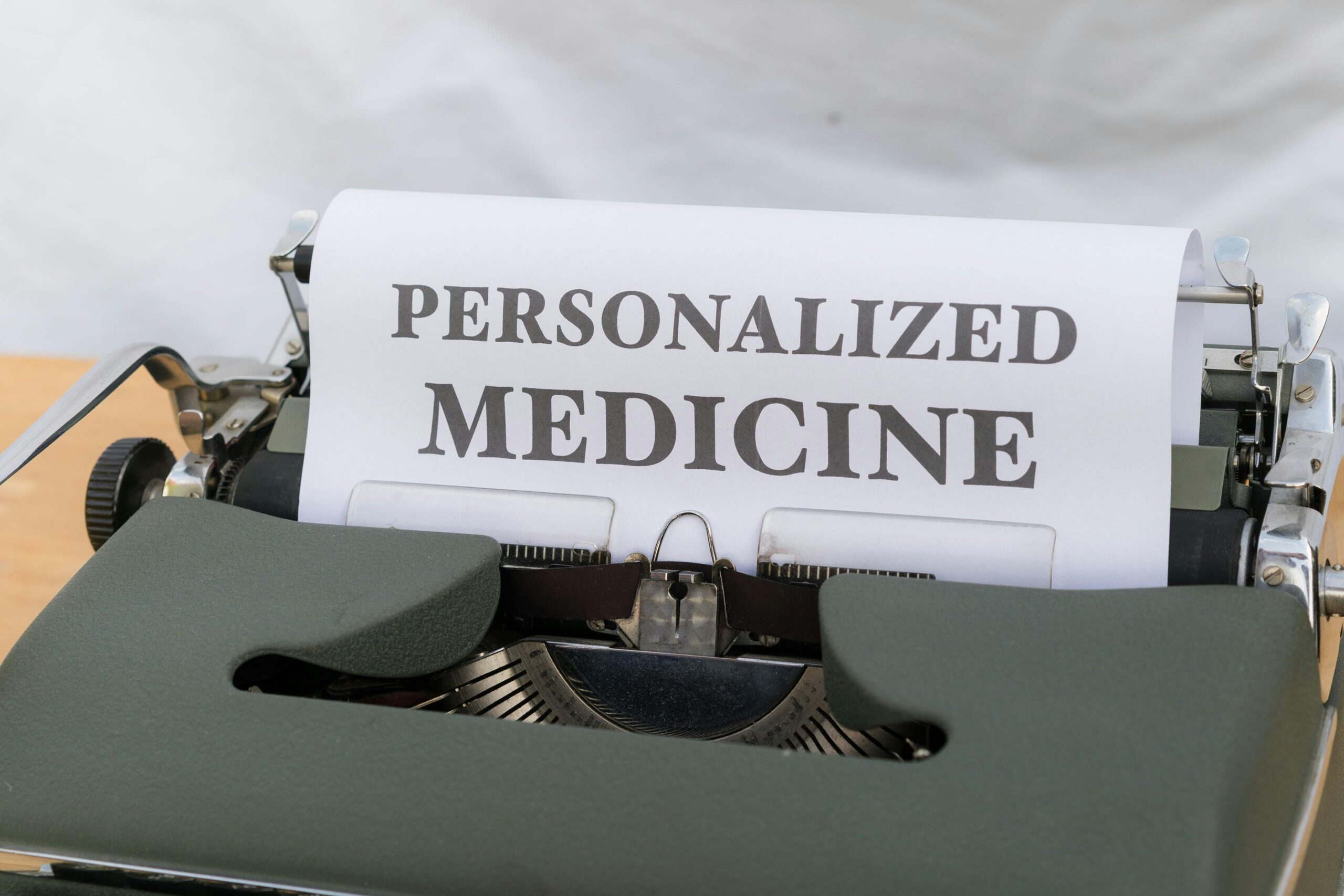
Envisioning Healthcare’s Integrative Future 🚀
The trajectory of integrative medicine points toward increasingly personalized, prevention-oriented, and participatory healthcare. Advances in genomics, microbiome science, digital health, and systems biology will enable ever more precise targeting of interventions. Artificial intelligence will help synthesize complex data streams, identifying optimal treatment combinations for individual patients.
Healthcare delivery models will likely shift from acute care facilities toward community-based wellness centers offering diverse services under one roof. Teams of conventional and complementary practitioners will collaborate seamlessly, each contributing their expertise. Insurance models will increasingly reward health outcomes and prevention rather than simply paying for services rendered.
The integration of mental health, spiritual care, and social support into medical treatment will finally address the full spectrum of factors influencing wellbeing. Healthcare systems will recognize that housing stability, food security, meaningful work, and social connection represent health interventions as important as any pharmaceutical or procedure.
This vision represents not just evolution but revolution—a fundamental reimagining of what healthcare can and should be. As integrative medicine continues maturing, supported by growing evidence and embraced by patients and practitioners alike, it offers hope for a healthcare system that truly heals, serving not just bodies but whole human beings in all their complexity and potential. The journey has only just begun, and the possibilities ahead inspire optimism for healthcare’s integrative future. ✨