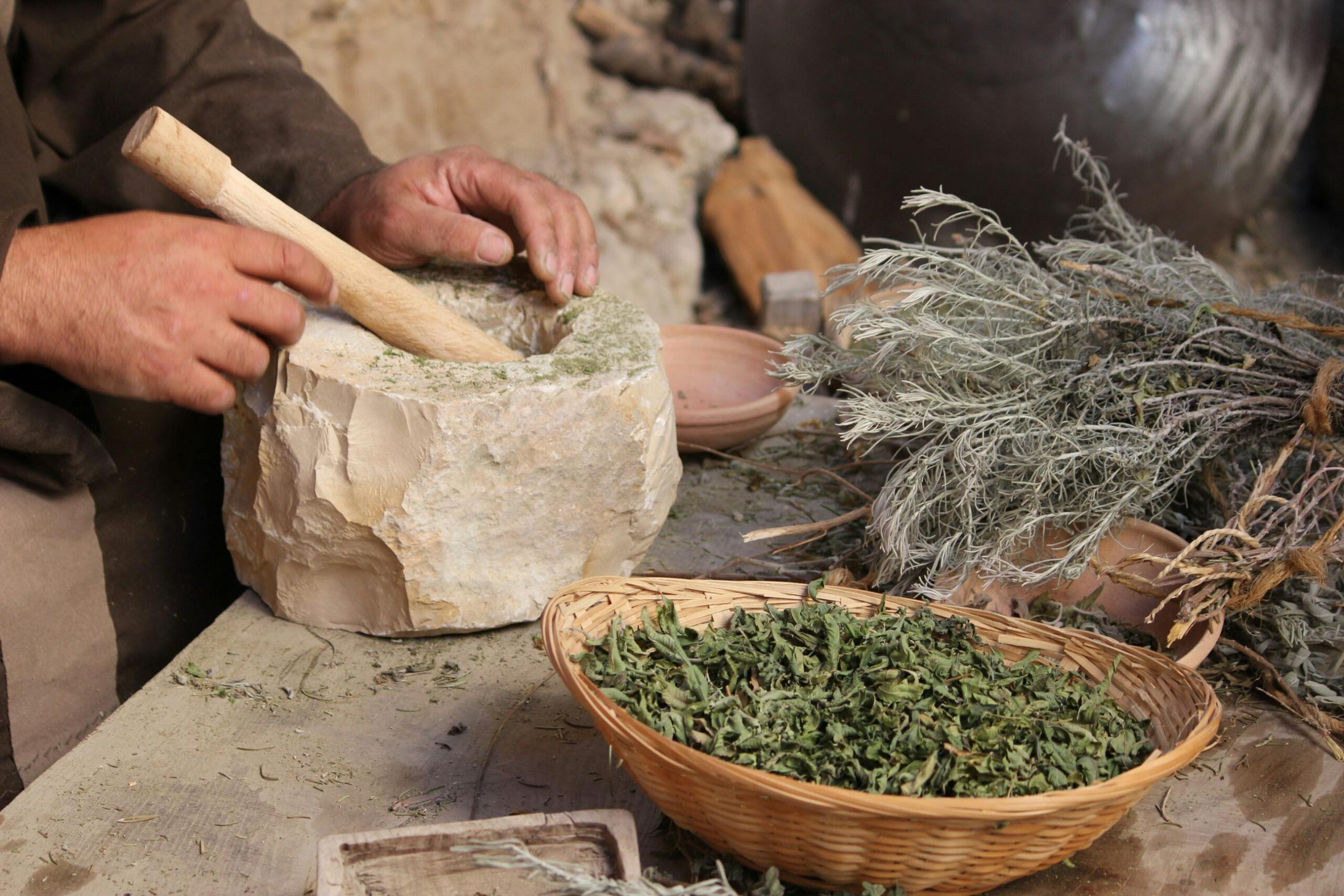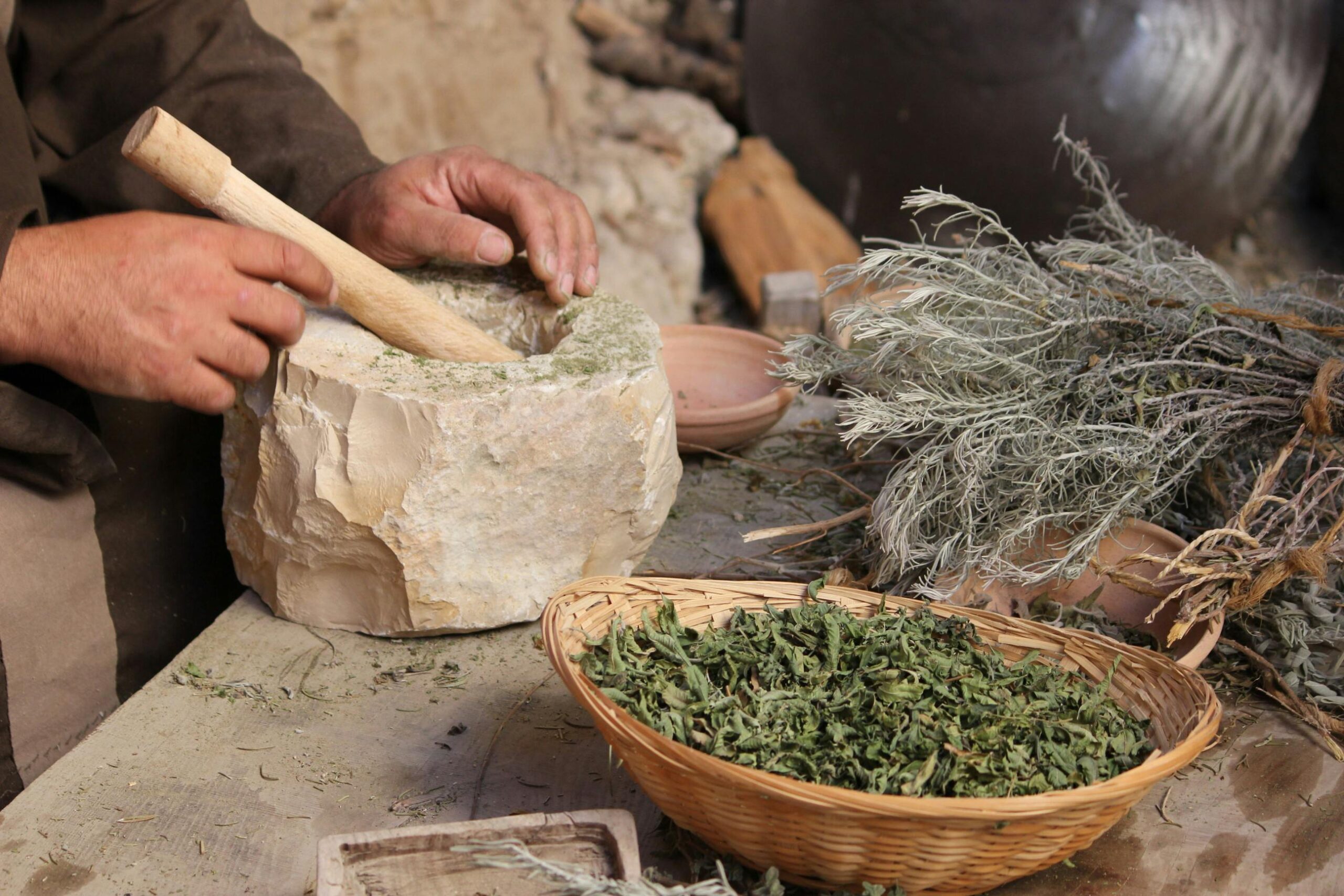
Ancient botanical therapies are experiencing a remarkable renaissance in modern wellness markets, creating unprecedented opportunities for entrepreneurs who understand how to bridge traditional wisdom with contemporary business innovation.

🌿 The Ancient Wisdom Meeting Modern Commerce
The global botanical medicine market has reached staggering proportions, with projections indicating growth exceeding $130 billion by 2028. This explosive expansion isn’t merely a trend—it represents a fundamental shift in how consumers approach health, wellness, and preventive care. Ancient botanical therapies, once relegated to the margins of alternative medicine, now command mainstream attention from investors, healthcare professionals, and conscious consumers alike.
What makes this moment particularly significant is the convergence of several powerful forces: increasing skepticism toward synthetic pharmaceuticals, growing scientific validation of traditional remedies, and a consumer base willing to invest premium prices for authentic, effective botanical solutions. Entrepreneurs who position themselves at this intersection stand to capture extraordinary value while contributing meaningfully to public health.
Understanding the Foundation: What Makes Botanical Therapies Timeless
Traditional botanical therapies have survived millennia for compelling reasons that extend beyond cultural nostalgia. These plant-based interventions often work synergistically with human biology in ways that single-molecule pharmaceuticals cannot replicate. The complexity of botanical compounds—containing hundreds of active constituents that work in concert—frequently produces therapeutic effects with fewer side effects than their synthetic counterparts.
Ayurveda, Traditional Chinese Medicine, Indigenous American healing traditions, and European herbalism all share common threads: they recognize plants as sophisticated chemical factories producing compounds specifically designed to interact with biological systems. Modern pharmacology has validated many of these traditional uses, isolating and studying active compounds like curcumin from turmeric, artemisinin from sweet wormwood, and resveratrol from various plants.
For business innovators, this scientific validation creates credibility that transforms botanical products from “folk remedies” into evidence-based interventions. This transition opens doors to partnerships with conventional healthcare providers, insurance reimbursement possibilities, and acceptance among previously skeptical consumer segments.
💡 Innovative Business Models Reshaping the Botanical Therapy Landscape
The Subscription Wellness Box Revolution
Monthly subscription models have transformed how consumers discover and commit to botanical therapies. Companies like Cratejoy’s botanical wellness subscriptions and specialized herbal box services create predictable revenue streams while solving the discovery problem that often intimidates newcomers to botanical medicine.
The subscription approach works exceptionally well for botanical products because:
- Regular consumption is essential for most botanical therapies to demonstrate efficacy
- Customers appreciate curated selections that introduce them to new botanicals
- Recurring revenue allows businesses to invest in quality sourcing and customer education
- The model builds community around shared wellness journeys
- Customer lifetime value metrics justify higher acquisition costs
Successful practitioners of this model differentiate through personalization algorithms, expert curation, educational content, and transparency about sourcing. The key is creating perceived value that significantly exceeds the monthly fee while building genuine customer relationships.
Telehealth Integration for Personalized Botanical Consultation
The telehealth revolution has created unexpected opportunities for botanical practitioners to scale their expertise beyond geographic limitations. Herbalists, naturopathic doctors, and Ayurvedic practitioners can now consult with clients globally, creating personalized botanical protocols delivered directly to customers’ homes.
This model combines professional expertise with product sales, generating dual revenue streams. Consultation fees cover the practitioner’s time while product recommendations create ongoing passive income. Platforms facilitating this integration include specialized telemedicine solutions designed specifically for alternative health practitioners.
The business advantage is significant: consultation services command premium pricing while establishing authority and trust that dramatically increases product conversion rates. Customers receiving personalized recommendations demonstrate much higher compliance and satisfaction compared to those purchasing botanical products without guidance.
Education-First Content Marketing Ecosystems
Perhaps the most powerful long-term business model in botanical therapies centers on building authoritative educational platforms. Companies like Gaia Herbs and Mountain Rose Herbs have demonstrated that comprehensive educational content creates inbound marketing machines that generate qualified leads with minimal ongoing acquisition costs.
This approach involves creating extensive libraries of botanical monographs, condition-specific protocols, video demonstrations, podcasts, and certification programs. The content simultaneously educates potential customers, establishes the company as the definitive authority, and improves search engine visibility for high-intent commercial keywords.
The business mechanics are compelling: educational content assets appreciate over time, generating compounding returns. Well-researched botanical information remains relevant for years, unlike trend-dependent content that requires constant refreshment. This creates what amounts to educational infrastructure that continuously attracts and converts customers.
🚀 Technology-Enabled Opportunities in Ancient Therapies
AI-Powered Personalization Engines
Artificial intelligence is revolutionizing how botanical therapies are matched with individual needs. Sophisticated algorithms can now analyze symptom patterns, constitutional types, medication interactions, and personal preferences to recommend specific botanical interventions with unprecedented precision.
Companies developing proprietary matching algorithms create significant competitive moats. These systems improve continuously through machine learning, becoming more accurate with each customer interaction. The personalization they enable increases customer satisfaction, reduces returns, and generates valuable data assets.
From a business perspective, AI-driven personalization justifies premium pricing while reducing the customer service burden. When customers receive botanicals specifically matched to their unique situations, they experience better results and attribute that success to the company’s expertise.
Blockchain for Authenticity and Traceability
Authenticity concerns represent the botanical industry’s greatest vulnerability. Adulteration, misidentification, and contamination plague the supply chain, undermining consumer confidence and creating liability risks. Blockchain technology offers elegant solutions to these challenges.
Forward-thinking companies are implementing blockchain-based traceability systems that document every step from seed to sale. Customers can scan QR codes to view the complete provenance of their botanical products—where plants were grown, when they were harvested, how they were processed, and what testing was performed.
This transparency creates premium positioning and competitive differentiation. Brands implementing comprehensive traceability can charge significantly more while building the deep trust necessary for long-term customer relationships. The technology also protects against counterfeiting, an increasingly serious problem as botanical markets expand.
Mobile Applications for Protocol Adherence
Botanical therapies often require consistent application over extended periods to demonstrate effectiveness. Mobile applications specifically designed to support botanical protocol adherence represent an underexploited business opportunity.
These apps can provide dosing reminders, track symptom changes, offer educational content about the botanicals being used, facilitate communication with practitioners, and create community support among users following similar protocols. The combination of functionality creates significant value that users willingly pay for through subscriptions or makes them more likely to purchase products from the app provider.
From a business development perspective, mobile apps create direct customer relationships independent of marketplace platforms. They generate valuable usage data, provide channels for upselling and cross-selling, and dramatically increase customer lifetime value through improved retention.
🌍 Sustainable Sourcing as Competitive Advantage
As botanical markets expand, sustainability concerns grow increasingly urgent. Many popular medicinal plants face overharvesting pressures threatening wild populations. Companies addressing these challenges proactively transform potential liabilities into powerful competitive advantages.
Regenerative agriculture partnerships, wildcrafting cooperatives that ensure sustainable harvest practices, and cultivation programs for traditionally wild-harvested species all represent business opportunities that generate both profit and positive environmental impact. Consumers increasingly demand this alignment between commerce and conservation.
The business case extends beyond customer preferences. Sustainable sourcing secures long-term supply chains, protects against regulatory restrictions on endangered species, and creates compelling brand narratives that drive media coverage and word-of-mouth marketing. Companies like Organic India have built entire brand identities around regenerative agriculture, achieving premium positioning and fierce customer loyalty.
💼 Strategic Partnerships Accelerating Market Entry
Clinical Integration Partnerships
Forward-thinking integrative medicine clinics and functional medicine practices actively seek partnerships with quality botanical product companies. These clinical partnerships create win-win scenarios: practitioners gain access to vetted botanical solutions with favorable pricing, while companies gain credibility, professional recommendations, and insights into clinical applications.
The business development approach involves creating practitioner-specific programs with wholesale pricing, educational support, patient handouts, and protocol templates. Companies excelling at practitioner relations often find that professional recommendations generate higher-quality customers with better retention than direct-to-consumer marketing.
Wellness Retreat Collaborations
The wellness tourism industry represents a natural synergy for botanical therapy businesses. Retreats focusing on detoxification, stress reduction, weight management, and chronic condition support regularly incorporate botanical protocols. Partnerships provide botanical companies with concentrated access to highly motivated consumers in environments conducive to education and long-term behavior change.
These collaborations work best when botanical companies provide more than just products—offering practitioner training, protocol development, educational materials for retreat participants, and follow-up support that extends the relationship beyond the retreat experience.
📊 Measuring Success: Metrics That Matter in Botanical Business
Traditional e-commerce metrics tell only part of the story in botanical therapy businesses. Companies need to track indicators specific to this sector:
| Metric | Why It Matters | Target Range |
|---|---|---|
| Protocol Completion Rate | Indicates whether customers use products long enough to experience benefits | 70-85% |
| Repeat Purchase Timeframe | Shows customer satisfaction and product efficacy perception | 30-45 days |
| Practitioner Referral Rate | Measures professional credibility and recommendation likelihood | 15-25% |
| Educational Content Engagement | Predicts conversion and reflects authority building | 8-12 min average |
| Customer Lifetime Value | Essential for determining sustainable acquisition costs | $400-800+ |
Companies optimizing these specific metrics rather than generic e-commerce indicators develop sustainable competitive advantages rooted in genuine customer success rather than marketing manipulation.
🎯 Navigating Regulatory Complexity as Competitive Moat
Regulatory compliance in botanical products represents both challenge and opportunity. The FDA’s structure claims regulations, varying international requirements, and evolving quality standards create complexity that intimidates many potential competitors. Companies investing in compliance infrastructure build defensible market positions.
Sophisticated businesses treat regulatory expertise as a core competency. They employ regulatory affairs specialists, maintain comprehensive documentation systems, implement rigorous quality control, and establish relationships with regulatory bodies. This investment enables them to make truthful, compelling claims about their products while competitors remain limited to vague, generic statements.
The business advantage compounds over time. Regulatory-compliant companies can enter retail channels unavailable to less sophisticated competitors, partner with healthcare institutions requiring strict compliance, and expand internationally with relative ease. The initial investment in compliance infrastructure pays dividends for years.
Building Communities Around Ancient Wisdom
The most successful botanical therapy businesses transcend transactional relationships to build genuine communities of practitioners and users. These communities create network effects where value increases exponentially with membership size.
Community-building strategies include facilitating user experience sharing, creating practitioner forums, organizing virtual and in-person gatherings, developing certification programs, and supporting research initiatives. The goal is transforming customers into stakeholders who identify personally with the brand and its mission.
From a business perspective, strong communities dramatically reduce marketing costs, accelerate product development through user feedback, create volunteer brand ambassadors, and generate valuable content. Companies with authentic communities enjoy natural monopolies in their specific niches, as communities themselves represent virtually insurmountable competitive moats.

🌟 The Future Landscape: Positioning for Long-Term Success
The botanical therapy sector stands at an inflection point. Scientific validation continues accelerating, consumer demand grows stronger, and infrastructure supporting quality and innovation improves steadily. Businesses positioning themselves strategically today will capture disproportionate value as the sector matures.
Key positioning strategies include investing in clinical research to generate proprietary efficacy data, developing unique botanical formulations that can be protected intellectually, building direct relationships with growers to secure supply chains, and creating educational assets that establish definitive authority.
The companies thriving long-term will be those recognizing that botanical therapies represent more than a product category—they embody a philosophical approach to health emphasizing prevention, personalization, and partnership between individuals and nature. Business models aligned with these deeper values will outlast those treating botanicals as merely another consumable product.
Success in this sector requires patience, integrity, and commitment to genuine customer benefit. The botanical therapy renaissance offers extraordinary opportunities for entrepreneurs willing to honor ancient wisdom while embracing modern innovation. Those who navigate this balance skillfully will build businesses that are not only profitable but genuinely meaningful—enterprises that improve human health while preserving the botanical diversity our species depends upon.