Ancient botanical therapies represent humanity’s oldest form of medicine, blending traditional wisdom with modern scientific validation to create powerful healing solutions that address both body and mind holistically.

🌿 The Renaissance of Traditional Plant Medicine in Modern Healthcare
We are witnessing an extraordinary transformation in how healthcare professionals and patients alike perceive herbal medicine. What was once dismissed as folklore is now being validated through rigorous scientific research, revealing the sophisticated chemistry and therapeutic mechanisms behind plants our ancestors intuitively knew could heal. This convergence of ancient knowledge and contemporary science has birthed what we now call advanced herbal science—a field that respects tradition while demanding empirical evidence.
The global herbal medicine market has experienced exponential growth, reflecting a collective shift toward natural, sustainable healthcare solutions. This isn’t merely a trend; it represents a fundamental recalibration of our relationship with nature and healing. Patients increasingly seek treatments that work with their bodies rather than against them, and botanical therapies offer precisely this synergistic approach.
Traditional healing systems from Ayurveda to Traditional Chinese Medicine have preserved botanical knowledge across millennia. These comprehensive frameworks understood something modern medicine is only now rediscovering: the body functions as an integrated system, not isolated parts. Herbal therapies address root causes rather than merely suppressing symptoms, creating lasting wellness rather than temporary relief.
Understanding the Biochemical Magic Behind Medicinal Plants
Plants produce an astonishing array of bioactive compounds—secondary metabolites that serve protective and communicative functions in nature but translate into therapeutic effects in human physiology. These phytochemicals include alkaloids, flavonoids, terpenes, saponins, and polyphenols, each category containing hundreds of specific compounds with distinct biological activities.
What makes botanical medicine particularly powerful is the concept of synergy. Unlike pharmaceutical drugs that isolate single compounds, whole plant medicines contain multiple constituents that work together, often enhancing therapeutic effects while minimizing adverse reactions. This multi-targeting approach addresses the complexity of human disease in ways single-molecule drugs cannot replicate.
Modern analytical techniques like high-performance liquid chromatography, mass spectrometry, and genomic analysis now allow researchers to identify and quantify these healing compounds with unprecedented precision. We can map how specific phytochemicals interact with cellular receptors, modulate gene expression, and influence metabolic pathways—transforming herbalism from art into reproducible science.
The Entourage Effect: Nature’s Pharmaceutical Wisdom
The entourage effect describes how plant compounds work synergistically to produce therapeutic outcomes greater than any single constituent could achieve alone. This phenomenon explains why isolated herbal extracts often underperform compared to whole plant preparations. Minor compounds that might seem insignificant individually contribute to bioavailability, absorption, and targeted delivery of major active ingredients.
Cannabis research has popularized this concept, but the entourage effect operates across all medicinal plants. Turmeric’s curcumin absorbs poorly when isolated, but when consumed with the plant’s natural oils and other compounds, bioavailability increases dramatically. Similarly, milk thistle’s silymarin complex works more effectively as a whole than its individual flavonolignans.
🔬 Advanced Extraction and Preparation Methodologies
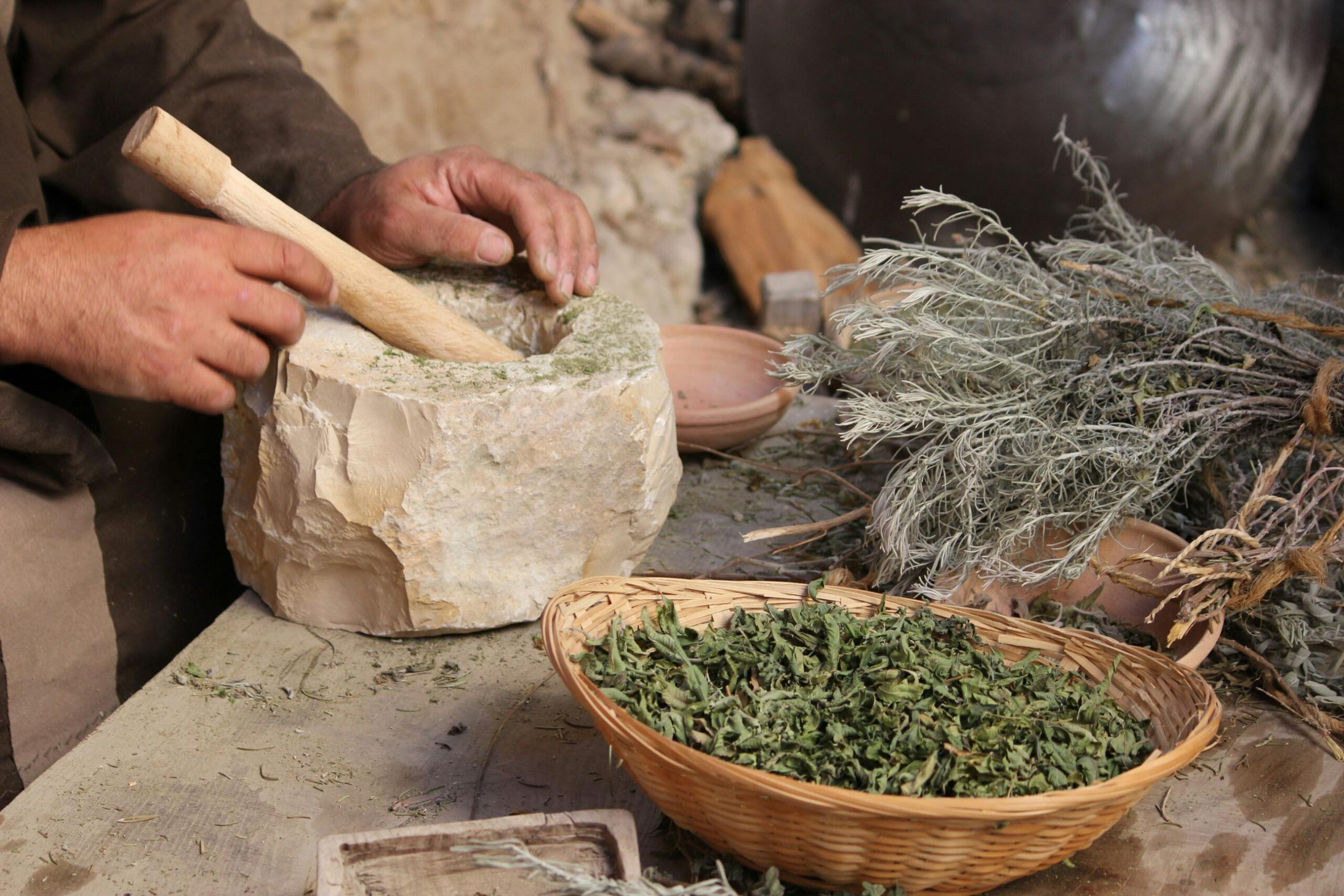
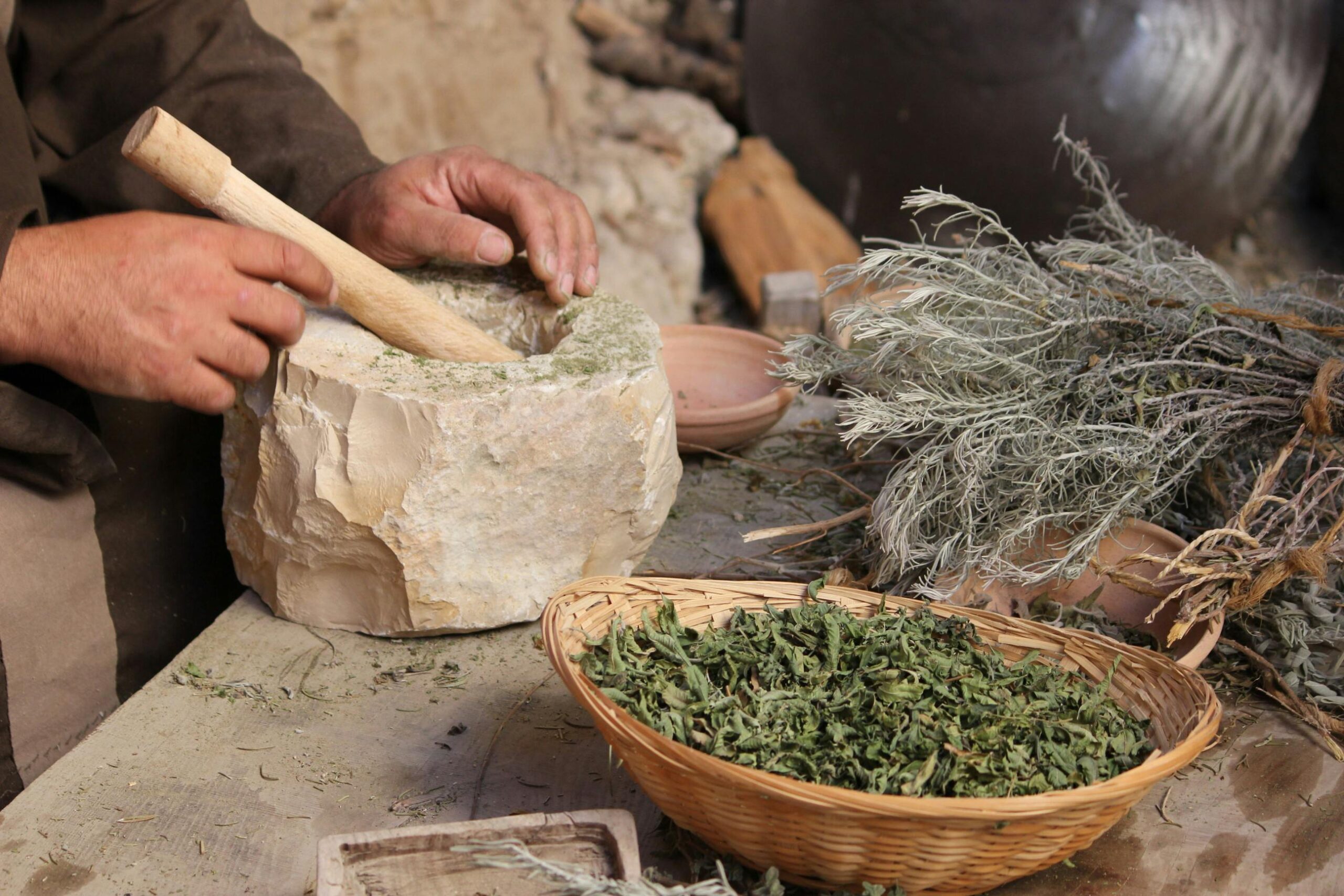
Traditional preparation methods—decoctions, infusions, tinctures, and poultices—have been refined over generations to optimize therapeutic compounds extraction. Modern herbalists now combine these time-tested techniques with advanced technologies to create more potent, standardized, and bioavailable preparations.
Supercritical CO2 extraction preserves delicate volatile compounds that heat-based methods destroy. Ultrasonic extraction enhances phytochemical yield while reducing processing time. Liposomal encapsulation dramatically improves absorption of water-insoluble compounds. These innovations respect botanical integrity while maximizing therapeutic potential.
Standardization represents another crucial advancement. While traditional herbalism relied on practitioner expertise and variable plant material, modern botanical products increasingly guarantee specific levels of key constituents. This consistency allows for reliable dosing and reproducible clinical outcomes, building credibility within conventional medical communities.
Personalized Herbal Formulation Strategies
Advanced herbal science recognizes that one-size-fits-all approaches ignore individual biochemical diversity. Practitioners now employ constitutional analysis, genetic testing, and detailed health histories to create customized botanical protocols. This personalized approach considers factors like metabolic type, microbiome composition, inflammatory markers, and specific health goals.
Traditional systems already incorporated individualization—Ayurvedic practitioners prescribed according to dosha constitution, while Chinese medicine herbalists considered body patterns and energetic imbalances. Modern integration adds laboratory diagnostics and pharmacogenomic data, creating truly precision-based natural medicine.
Therapeutic Applications Across Body Systems 💊
Botanical therapies demonstrate remarkable versatility, offering evidence-based interventions for virtually every physiological system. Understanding these applications empowers both practitioners and patients to make informed decisions about incorporating herbal medicine into comprehensive health strategies.
Neurological and Cognitive Enhancement
Adaptogenic herbs like Rhodiola rosea, Bacopa monnieri, and Lion’s Mane mushroom have demonstrated significant neuroprotective and cognitive-enhancing properties. These botanicals modulate neurotransmitter systems, reduce oxidative stress in brain tissue, promote neurogenesis, and improve cerebral blood flow. Clinical studies show measurable improvements in memory, focus, processing speed, and stress resilience.
The emerging field of psychopharmacology is rediscovering plants used ceremonially for millennia. Psilocybin mushrooms show remarkable efficacy for treatment-resistant depression. Ayahuasca demonstrates potential for PTSD and addiction. While requiring careful clinical oversight, these powerful botanicals represent frontier medicine with profound healing potential.
Cardiovascular and Metabolic Support
Hawthorn berry strengthens cardiac muscle contraction and improves coronary circulation. Garlic reduces cholesterol and blood pressure through multiple mechanisms. Berberine-containing plants like goldenseal activate AMPK pathways, improving insulin sensitivity and lipid metabolism with efficacy comparable to pharmaceutical interventions.
These cardiovascular botanicals don’t merely suppress symptoms—they address underlying dysfunction. They reduce inflammation, improve endothelial function, decrease oxidative damage, and support healthy vascular tone. This comprehensive approach makes them valuable both for prevention and as adjunct therapy for established cardiovascular disease.
Immune Modulation and Inflammatory Disorders
Rather than simply boosting or suppressing immunity, sophisticated botanical immunomodulators help normalize immune function. Medicinal mushrooms like Reishi and Turkey Tail enhance natural killer cell activity while reducing autoimmune reactivity. Turmeric powerfully inhibits inflammatory pathways implicated in chronic disease. Andrographis demonstrates antiviral properties against numerous pathogens.
Chronic inflammation underlies most degenerative diseases—cardiovascular disease, diabetes, cancer, neurodegenerative conditions, and autoimmune disorders. Botanical anti-inflammatories offer sustained inflammation control without the gastrointestinal, renal, and cardiovascular risks associated with long-term NSAID use.
Digestive System Optimization
Herbal bitters stimulate digestive secretions, improving nutrient absorption and reducing symptoms of dyspepsia. Demulcent herbs like marshmallow root and slippery elm coat and protect irritated intestinal mucosa. Carminative essential oils reduce gas, bloating, and intestinal spasm. Antimicrobial botanicals address dysbiosis and small intestinal bacterial overgrowth.
The gut-brain axis means digestive health profoundly influences mental wellbeing, immune function, and systemic inflammation. Botanical digestive protocols create ripple effects throughout entire body systems, making gastrointestinal support foundational to holistic healing strategies.
🌍 Sustainability and Ethical Considerations in Botanical Medicine
The resurgence of herbal medicine creates both opportunities and responsibilities. Increased demand threatens wild plant populations, particularly slow-growing species like goldenseal, American ginseng, and certain medicinal tree barks. Sustainable herbalism requires conscious sourcing practices, cultivation of threatened species, and respect for indigenous knowledge and territorial rights.
Ethical wildcrafting follows principles that ensure plant population viability—harvesting only abundant species, taking limited percentages, avoiding sensitive ecosystems, and promoting regeneration. Many practitioners now prioritize cultivated herbs from organic farms employing biodynamic and regenerative agriculture practices that enhance rather than deplete soil health.
Indigenous communities have stewarded botanical knowledge for generations, yet often see their traditional medicines patented and commercialized without compensation or recognition. Ethical herbalism acknowledges these origins, supports indigenous sovereignty, and ensures benefit-sharing when traditional knowledge informs product development.
Integrating Botanical Therapies with Conventional Medicine
The future of healthcare lies not in choosing between conventional and botanical medicine but in strategic integration that leverages the strengths of both approaches. Progressive healthcare systems increasingly incorporate herbal medicine into treatment protocols, recognizing that patients achieve better outcomes when given comprehensive therapeutic options.
This integration requires open communication between patients, herbalists, and physicians. Certain herb-drug interactions demand careful management—St. John’s Wort affects numerous medications through cytochrome P450 enzyme induction, while anticoagulant herbs require monitoring when combined with blood-thinning medications. Knowledgeable practitioners navigate these considerations safely, creating synergistic protocols rather than contraindicated combinations.
Many hospitals now offer integrative medicine consultations where botanical therapies complement surgical procedures, chemotherapy, and pharmaceutical treatments. Herbs may reduce treatment side effects, enhance therapeutic outcomes, accelerate recovery, and improve quality of life during intensive medical interventions.
Evidence-Based Practice Standards
Advancing herbal medicine’s credibility requires rigorous research methodologies. While traditional use provides valuable empirical data, clinical trials, systematic reviews, and meta-analyses establish evidence that influences medical practice and health policy. Funding for botanical research has increased substantially, yielding high-quality studies published in peer-reviewed journals.
Standardized extracts allow reproducible research impossible with variable plant preparations. Well-designed studies now compare herbal interventions against placebo controls and pharmaceutical standards, often demonstrating comparable efficacy with superior safety profiles. This evidence base empowers healthcare providers to confidently recommend botanical therapies.
🧘 Holistic Healing: Beyond Physical Symptoms
True botanical medicine extends beyond biochemical interventions to address emotional, mental, and spiritual dimensions of health. Traditional healing systems never separated these aspects—they understood that psychological stress manifests physically, that spiritual disconnection creates disease susceptibility, and that authentic healing requires addressing the whole person.
Modern psychoneuroimmunology validates this integrated perspective, demonstrating measurable links between mental states and immune function, inflammation levels, and disease progression. Adaptogenic botanicals directly influence this mind-body interface, modulating stress response systems and promoting resilience across multiple dimensions.
The ritual and relationship aspects of herbal medicine contribute therapeutic value beyond pharmacology. Growing healing plants creates connection with natural cycles. Preparing herbal remedies becomes meditative practice. Consuming botanical medicine mindfully invites presence and intention into the healing process. These elements activate placebo responses—not dismissively, but recognizing that expectation, belief, and meaning profoundly influence physiological outcomes.
Building a Personal Botanical Practice
Engaging with herbal medicine need not require extensive training or clinical diagnosis. Simple practices accessible to everyone include growing culinary herbs with medicinal properties, preparing nourishing herbal infusions, using aromatic plants for stress relief, and learning to identify local medicinal plants through ethical foraging.
Starting with familiar, safe herbs builds confidence and experiential knowledge. Chamomile tea for relaxation, ginger for digestion, peppermint for headaches, and elderberry for immune support offer gentle entry points. As understanding deepens, more sophisticated preparations and specialized herbs expand the home apothecary.
Educational resources have never been more accessible. Online courses, herbalist certifications, botanical gardens, and community herb walks provide structured learning. Books by respected herbalists offer comprehensive reference. However, nothing replaces direct experience—observing plants through seasons, experimenting with preparations, and noting personal responses creates embodied knowledge that textbooks cannot convey.
The Future Landscape of Botanical Therapeutics 🔮
Emerging technologies promise to revolutionize how we understand and apply botanical medicine. Artificial intelligence algorithms analyze vast phytochemical databases to predict therapeutic applications and identify novel bioactive compounds. Genomic analysis reveals how specific plants modulate human gene expression. Nanotechnology creates delivery systems that target botanical compounds to specific tissues.
Climate change threatens medicinal plant diversity while simultaneously increasing need for sustainable healthcare solutions. Conservation efforts, seed banks, and botanical garden networks preserve genetic diversity. Research into adaptable cultivation methods ensures continued access to essential healing plants despite environmental disruption.
Regulatory frameworks continue evolving, with some jurisdictions creating pathways for traditional herbal medicines while others impose restrictive pharmaceutical-style requirements. Advocacy for appropriate regulation that ensures safety and quality without eliminating access remains crucial for preserving botanical medicine’s future.

Cultivating Wisdom: Where Science Meets Spirit
The most profound aspect of advanced herbal science may be its capacity to reconnect us with fundamental truths about health, nature, and interconnection. In our rush toward technological solutions, we’ve often forgotten that we evolved alongside plants, developing symbiotic relationships encoded in our very biology.
Botanical medicine reminds us that healing emerges from partnership with nature rather than domination over it. That our bodies possess inherent wisdom when provided proper support. That prevention through lifestyle and nutrition surpasses intervention for established disease. That slower, gentler approaches often create more sustainable outcomes than aggressive interventions.
This doesn’t mean rejecting modern medicine’s remarkable capabilities—emergency care, surgical interventions, and life-saving pharmaceuticals represent genuine achievements. Rather, it calls for balanced perspective that employs appropriate tools for specific situations while recognizing that not all health challenges require pharmaceutical intervention.
As we advance into an uncertain future facing complex health challenges from chronic disease epidemics to emerging pathogens, botanical medicine offers time-tested, sustainable, accessible healing modalities. By honoring traditional knowledge while applying scientific rigor, we unlock therapeutic potential that serves individual healing and collective wellbeing.
The journey into advanced herbal science and holistic healing ultimately becomes a journey into deeper relationship—with plants, with our bodies, with ancestral wisdom, and with the living earth that sustains all health. This relationship, cultivated with respect, curiosity, and reverence, may prove the most powerful medicine of all.