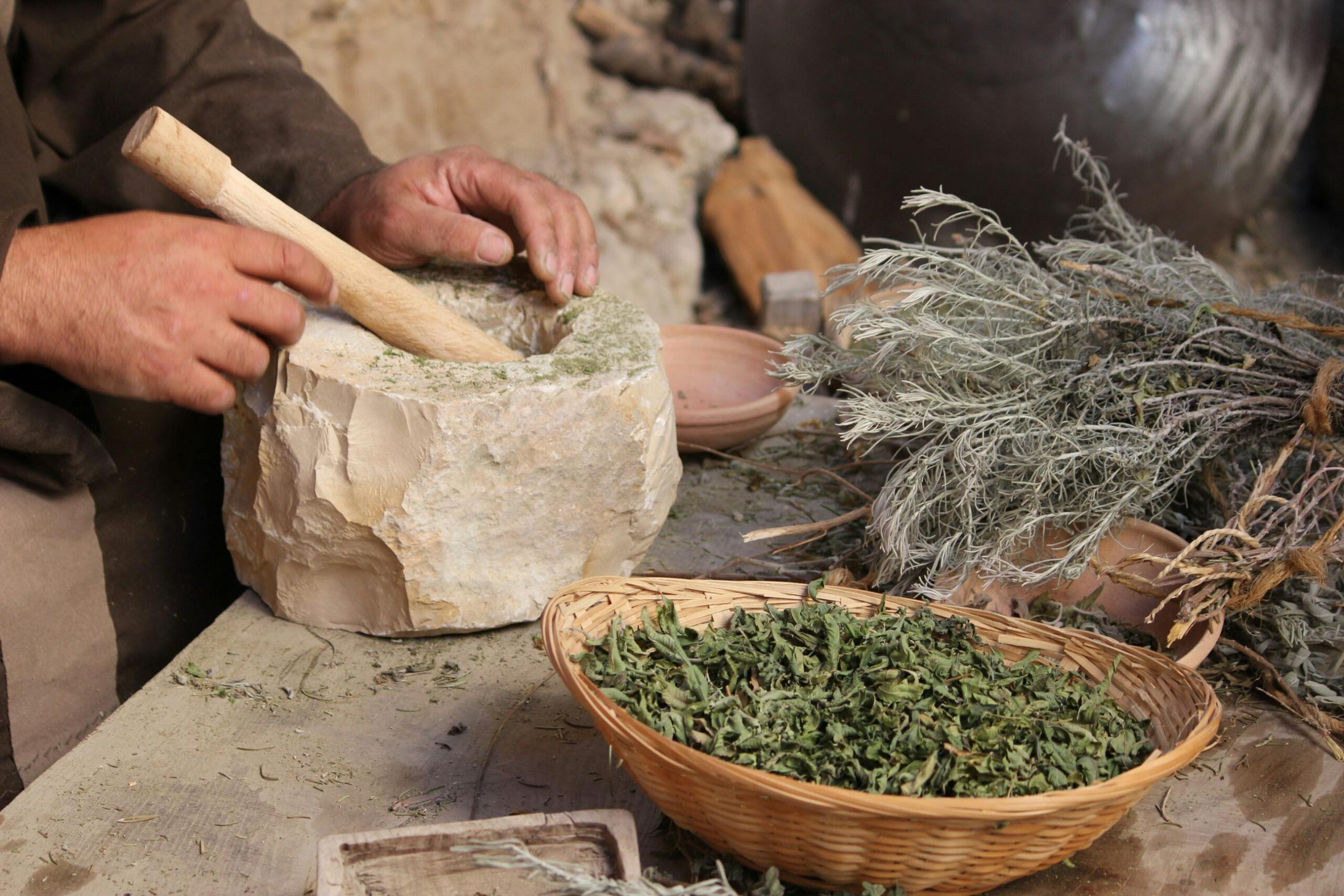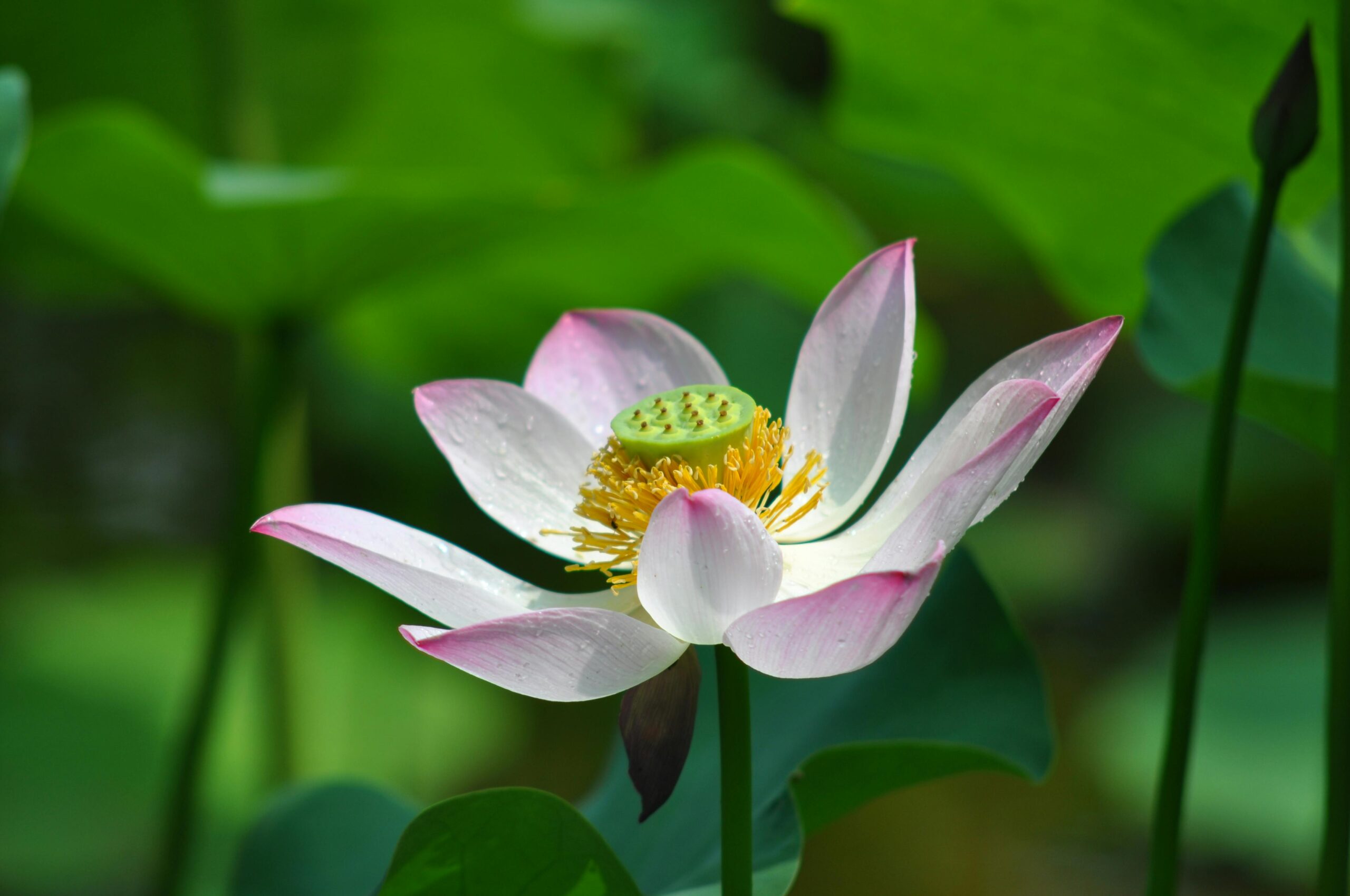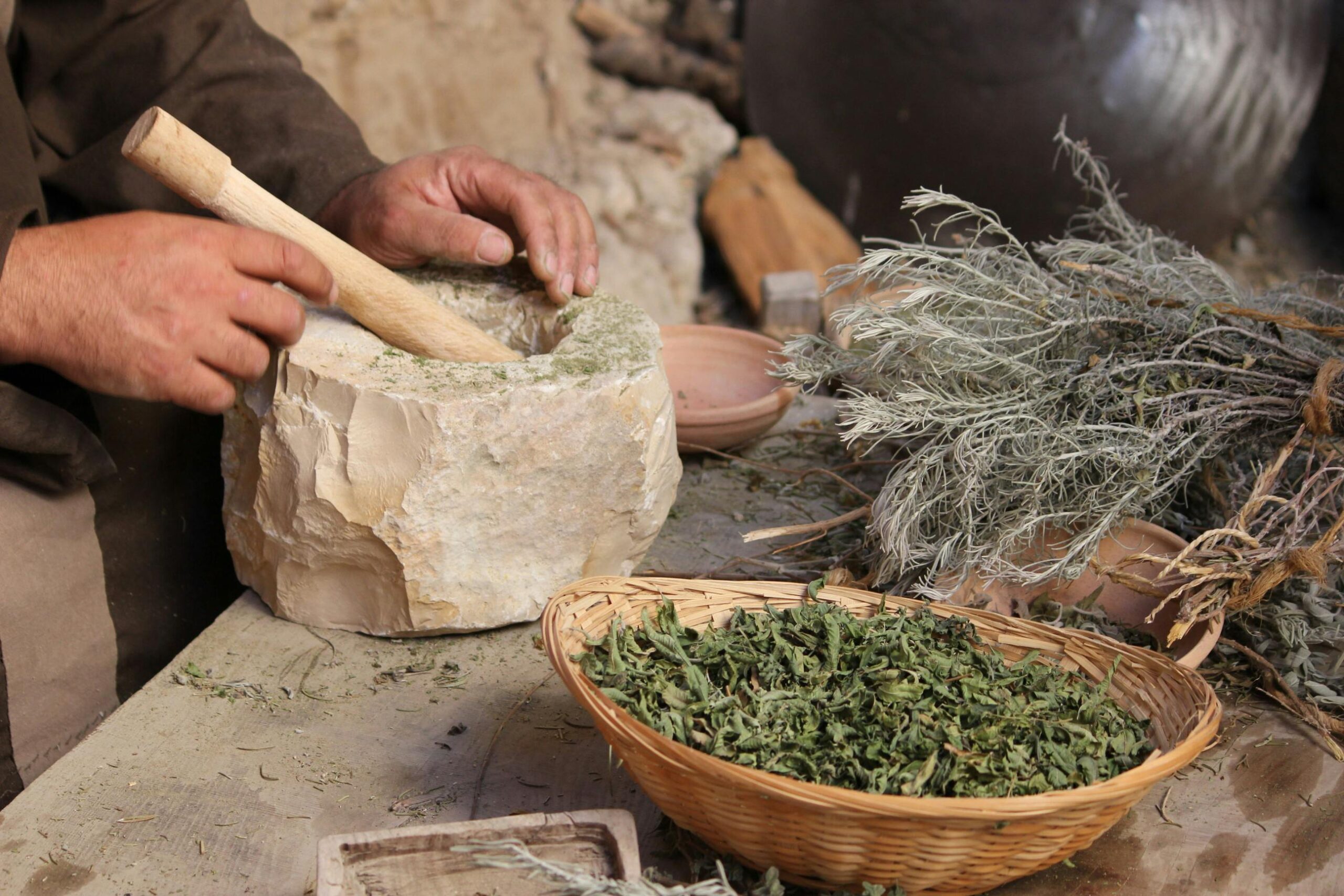
Ancient botanical therapies have quietly sustained human wellness for millennia, yet today they face unprecedented scrutiny as regulators worldwide grapple with integrating traditional knowledge into modern healthcare systems.

🌿 The Renaissance of Traditional Plant Medicine
The global resurgence of interest in botanical therapies represents more than a nostalgic return to natural remedies. Pharmaceutical companies increasingly recognize that traditional plant-based treatments offer promising templates for drug development, while consumers seek alternatives to synthetic medications with complex side effect profiles. This convergence of ancient wisdom and modern science creates both opportunities and regulatory challenges that governments and health authorities must navigate carefully.
Traditional healing systems like Ayurveda, Traditional Chinese Medicine, and indigenous practices from the Americas, Africa, and Oceania have utilized botanical compounds with remarkable consistency across generations. The World Health Organization estimates that approximately 80% of the global population relies on herbal medicines for some aspect of primary healthcare, underscoring the continued relevance of these ancient practices in contemporary settings.
However, the pathway from traditional remedy to regulated therapeutic product remains fraught with complexity. Regulators face the delicate task of preserving cultural heritage and traditional knowledge while ensuring safety, efficacy, and quality standards that protect public health. This balancing act has sparked international dialogue about appropriate frameworks for botanical therapy regulation.
The Scientific Validation Challenge
Modern regulatory systems typically demand rigorous clinical trials demonstrating both safety and efficacy before approving therapeutic products. This evidence-based approach, while appropriate for novel pharmaceutical compounds, presents unique challenges when applied to botanical therapies with centuries of documented traditional use.
Unlike single-molecule drugs, plant medicines contain complex mixtures of bioactive compounds that work synergistically. This complexity makes standardization difficult and challenges conventional research methodologies designed for isolated chemical entities. Researchers must develop new frameworks that honor the holistic nature of botanical remedies while meeting legitimate scientific standards.
Several countries have pioneered innovative approaches to this validation challenge. The European Medicines Agency established a Traditional Herbal Medicinal Products Directive that recognizes extensive traditional use as evidence of efficacy, provided safety standards are met. This regulatory pathway acknowledges that centuries of documented use constitute a form of real-world evidence that complement clinical trial data.
Bridging Traditional Knowledge and Modern Research
Academic institutions worldwide are establishing ethnobotany programs that systematically document traditional plant medicine knowledge before it disappears. These initiatives combine anthropological research with phytochemistry, pharmacology, and clinical investigation to build comprehensive databases of botanical therapies.
Indigenous communities increasingly participate as research partners rather than subjects, ensuring that traditional knowledge is documented respectfully and that communities benefit from any commercial applications. This collaborative approach addresses historical exploitation concerns while advancing scientific understanding of botanical therapies.
🏛️ Navigating the Regulatory Landscape
Regulatory approaches to botanical therapies vary dramatically across jurisdictions, creating a complex global patchwork that challenges manufacturers, practitioners, and consumers alike. Understanding these different frameworks is essential for anyone seeking to develop, market, or use botanical therapeutics legally and safely.
In the United States, botanical products typically fall into the dietary supplement category under the Dietary Supplement Health and Education Act. This classification allows market access without pre-approval but restricts health claims and requires manufacturers to ensure safety and label accuracy. The FDA can take enforcement action against unsafe products or misleading claims, but the burden of proof differs significantly from prescription drugs.
European Union member states demonstrate considerable variation in botanical therapy regulation. Germany’s Commission E monographs provide scientific assessments of herbal medicines that influence regulatory decisions across Europe. Countries like France and Italy maintain national registries of traditional herbal products with specific quality and safety requirements.
Asia’s Integrated Approach
Many Asian countries have developed regulatory frameworks that fully integrate traditional botanical medicines into national healthcare systems. China maintains separate regulatory pathways for Traditional Chinese Medicine products, with dedicated research institutions, manufacturing standards, and practitioner licensing systems. This integrated approach recognizes TCM as a legitimate medical system alongside Western biomedicine.
India’s AYUSH ministry (Ayurveda, Yoga & Naturopathy, Unani, Siddha, and Homeopathy) oversees traditional medicine systems with comprehensive regulation covering education, practice, manufacturing, and quality control. This institutional structure provides governmental recognition and support while maintaining safety standards.
Japan’s Kampo medicine system demonstrates how traditional botanical therapies can integrate seamlessly into modern healthcare. Kampo formulations are covered by national health insurance, prescribed by licensed physicians, and manufactured to pharmaceutical-grade standards. This model offers valuable lessons for other countries seeking to bridge traditional and modern medical systems.
Quality Control and Safety Concerns
Ensuring consistent quality and safety in botanical products presents unique challenges that require specialized technical approaches. Unlike synthetic drugs with predictable chemical profiles, plant materials vary based on growing conditions, harvest timing, processing methods, and storage conditions. These variables can significantly affect therapeutic potency and safety profiles.
Heavy metal contamination represents a persistent concern in botanical products, particularly those sourced from regions with environmental pollution. Lead, mercury, cadmium, and arsenic can accumulate in plants, creating health risks that outweigh therapeutic benefits. Rigorous testing protocols and supply chain transparency are essential safeguards.
Adulteration and substitution pose additional risks. Economic incentives sometimes lead suppliers to substitute expensive botanical ingredients with cheaper alternatives or extend products with fillers. DNA barcoding and chemical fingerprinting technologies help verify botanical identity and detect adulteration, but implementation requires investment and expertise.
⚗️ Standardization Strategies
Pharmaceutical-grade botanical products typically undergo standardization to ensure consistent levels of key bioactive compounds. This process involves analytical chemistry techniques that identify and quantify marker compounds, followed by manufacturing adjustments to achieve target concentrations.
However, standardization approaches remain controversial within traditional medicine communities. Some practitioners argue that focusing on isolated marker compounds oversimplifies the holistic nature of plant medicines and may compromise traditional preparation methods that contribute to therapeutic effects. Finding balance between quality control and traditional authenticity remains an ongoing discussion.
Intellectual Property and Benefit Sharing
The commercialization of traditional botanical therapies raises complex ethical and legal questions about intellectual property rights and equitable benefit sharing. Indigenous communities and traditional knowledge holders often find their ancestral knowledge incorporated into commercial products without recognition or compensation.
The Nagoya Protocol on Access and Benefit Sharing, adopted under the Convention on Biological Diversity, establishes international standards requiring fair and equitable sharing of benefits arising from utilizing genetic resources and associated traditional knowledge. Countries implementing the protocol must develop national frameworks governing access to biological resources and traditional knowledge.
These frameworks typically require researchers and companies to obtain prior informed consent from knowledge holders and negotiate benefit-sharing agreements before accessing traditional botanical knowledge. Benefits may include monetary compensation, technology transfer, collaborative research opportunities, or support for community development projects.
Protecting Traditional Knowledge
Some countries have established traditional knowledge databases that document indigenous botanical medicine practices to establish prior art that prevents inappropriate patent claims. India’s Traditional Knowledge Digital Library contains extensive documentation of Ayurvedic and Unani medicine formulations, enabling patent examiners to identify existing knowledge and reject patent applications on traditional remedies.
However, documenting traditional knowledge creates tensions. While preventing misappropriation through patents, publication also makes knowledge freely available to commercial interests without guaranteed benefit sharing. Communities must carefully consider these tradeoffs when deciding how to protect their botanical medicine knowledge.
📋 Public Policy Considerations for Expanded Access
Developing sound public policy around botanical therapies requires balancing multiple competing interests: consumer access to traditional remedies, practitioner rights, public safety, cultural preservation, environmental sustainability, and economic development. Policymakers must navigate these complex considerations while acknowledging gaps in current knowledge.
Healthcare integration policies determine whether botanical therapies remain marginalized alternatives or become recognized components of comprehensive healthcare systems. Countries successfully integrating traditional botanical medicine typically provide insurance coverage, establish educational standards for practitioners, support research into safety and efficacy, and develop appropriate regulatory frameworks.
Education policies play crucial roles in preserving and advancing botanical therapy knowledge. Traditional apprenticeship models face challenges in contemporary societies, requiring institutional support to prevent knowledge loss. Universities and medical schools increasingly offer courses in medicinal plant science, ethnobotany, and integrative medicine that expose healthcare professionals to botanical therapy principles.
Environmental Sustainability Imperatives
Growing demand for botanical medicines creates environmental pressures that threaten plant populations and ecosystems. Overharvesting of wild medicinal plants has contributed to species decline and habitat degradation in multiple regions. Sustainable sourcing policies are essential to ensure botanical therapy availability for future generations.
Cultivation programs can reduce pressure on wild populations while providing economic opportunities for farming communities. However, cultivated plants may differ chemically from wild counterparts, potentially affecting therapeutic properties. Research into cultivation methods that preserve bioactive compound profiles helps address this challenge.
Certification programs like FairWild promote sustainable harvesting practices and fair trade principles in the medicinal plant supply chain. These initiatives connect ethical consumers with responsibly sourced products while supporting conservation and community development goals.
🔬 Research Priorities for Evidence Generation
Expanding the evidence base for botanical therapies requires substantial research investment in multiple domains. Clinical trials adapted to herbal medicine complexity, mechanistic studies elucidating biological pathways, pharmacokinetic investigations of multi-compound mixtures, and safety monitoring systems all contribute essential knowledge for informed decision-making.
Comparative effectiveness research helps position botanical therapies within healthcare systems by evaluating their performance against conventional treatments for specific conditions. These pragmatic studies provide valuable information for patients, practitioners, and policymakers making treatment decisions.
Long-term safety studies address persistent knowledge gaps about extended botanical therapy use. While traditional use provides some safety reassurance, systematic surveillance systems can detect rare adverse effects and identify vulnerable populations requiring special precautions.
The Path Forward: Recommendations for Stakeholders
Creating optimal conditions for botanical therapy development and use requires coordinated action from multiple stakeholders. Governments should develop regulatory frameworks that recognize traditional use evidence while ensuring safety and quality. These frameworks must remain flexible enough to accommodate botanical medicine complexity without creating insurmountable market barriers.
Research institutions should prioritize collaborative investigations with traditional knowledge holders, ensuring respectful partnerships that benefit communities while advancing scientific understanding. Methodological innovations adapted to botanical therapy characteristics will generate more relevant evidence than simply applying pharmaceutical research models.
Healthcare providers need education about botanical therapies to counsel patients effectively, recognize potential interactions with conventional treatments, and integrate appropriate remedies into care plans. Professional organizations should develop competency standards and continuing education requirements in botanical medicine.
Consumers deserve access to accurate, balanced information about botanical therapies enabling informed decisions. Clear labeling standards, accessible resources about evidence quality, and transparent disclosure of potential risks and benefits empower people to use botanical remedies safely and appropriately.
🌍 Global Cooperation for Botanical Medicine Advancement
The international nature of botanical medicine challenges requires global cooperation frameworks. The World Health Organization’s Traditional Medicine Strategy provides guidance for member states developing national policies, promoting research, ensuring quality and safety, and advancing universal health coverage that includes traditional medicine options.
International harmonization efforts can reduce regulatory fragmentation while respecting national sovereignty and cultural differences. Shared standards for quality control testing, adverse event reporting, and clinical trial design facilitate information exchange and mutual recognition agreements that ease market access barriers.
Cross-border collaboration addresses shared challenges like threatened medicinal plant conservation, knowledge preservation, and capacity building in regions with rich traditional medicine heritage but limited research infrastructure. These partnerships leverage diverse expertise and resources toward common goals.
The journey of bringing ancient botanical therapies into modern regulatory and policy frameworks remains incomplete. Success requires continued dialogue among diverse stakeholders, commitment to both scientific rigor and cultural respect, and recognition that these healing traditions represent valuable resources deserving thoughtful stewardship. As we navigate this complex terrain, the ultimate goal remains clear: ensuring safe, effective, sustainable access to botanical therapies that have supported human wellness across millennia while honoring the communities who preserved this precious knowledge for future generations.