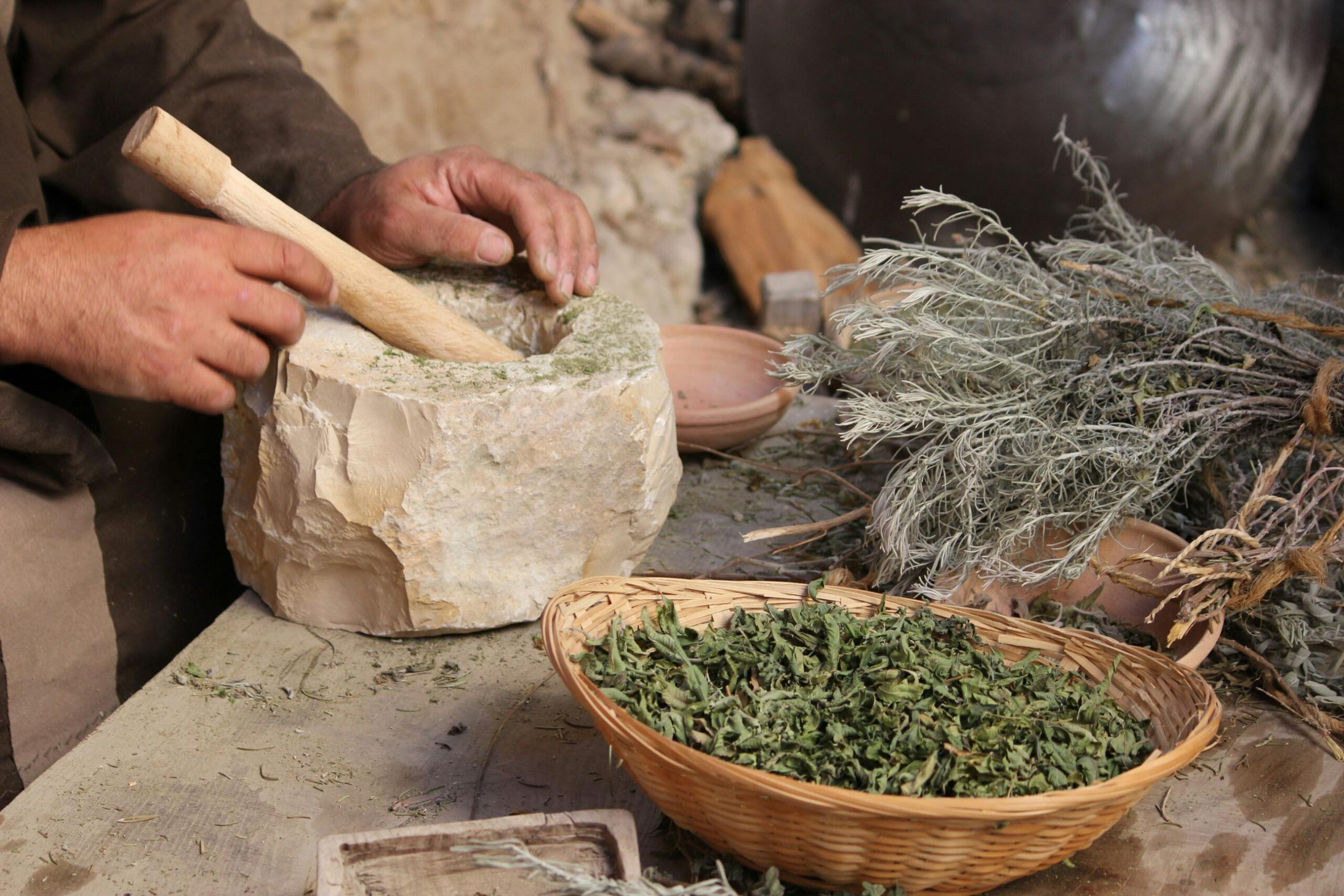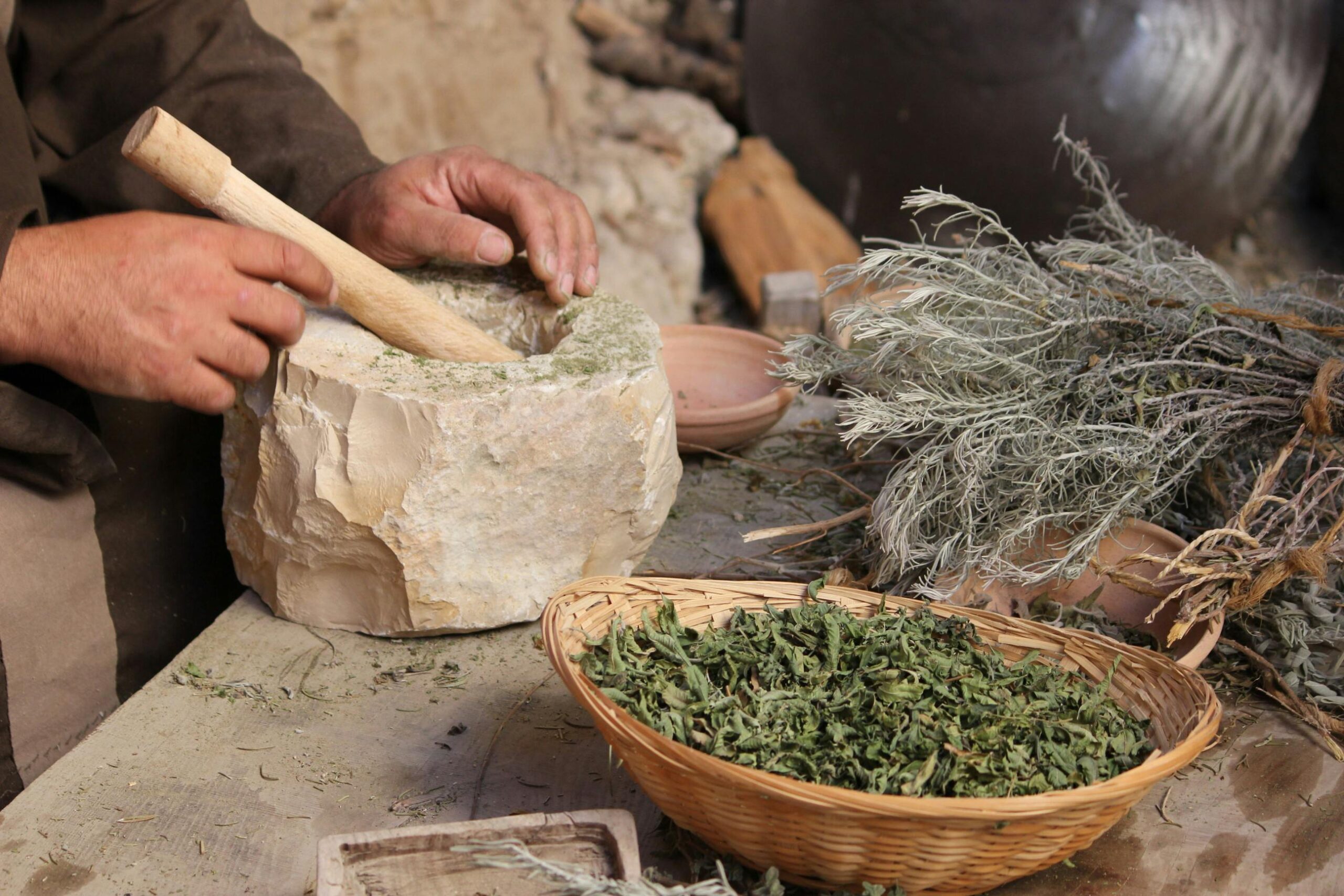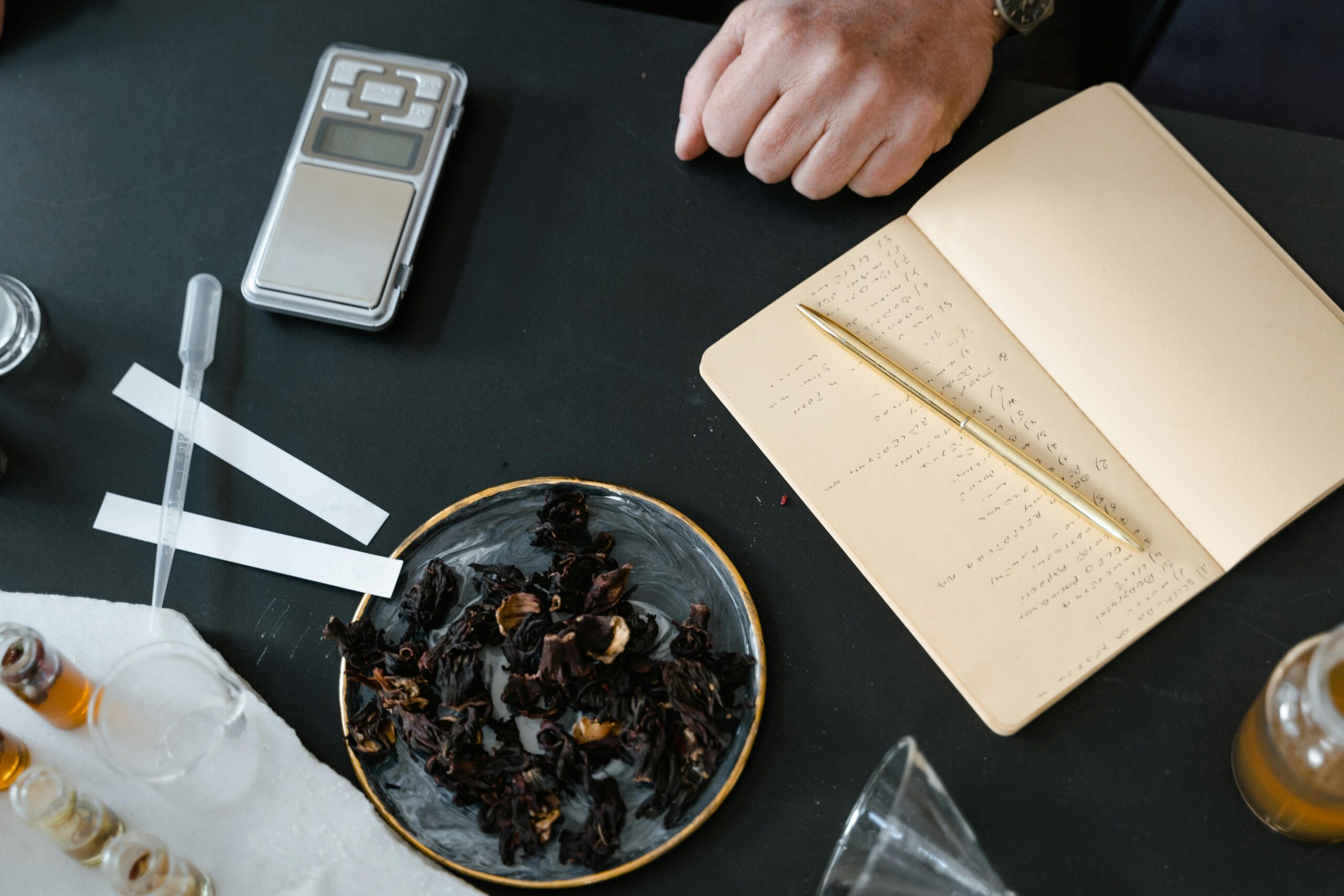
Ancient botanical therapies hold powerful secrets that modern science is only beginning to understand through rigorous experimental design and systematic investigation.

🌿 The Renaissance of Traditional Plant Medicine
The world of botanical medicine stands at a fascinating crossroads where ancient wisdom meets contemporary scientific methodology. For thousands of years, healers across civilizations have relied on plant-based remedies to treat ailments, preserve health, and promote longevity. Today, researchers are revisiting these traditional therapies with sophisticated experimental designs that can validate, refine, and optimize their effectiveness.
The challenge lies not in dismissing ancestral knowledge but in applying modern scientific rigor to understand precisely how these botanical interventions work. This approach requires carefully structured experiments that account for variables, control for confounding factors, and produce reproducible results that can guide clinical applications.
Understanding the Foundation: What Makes Botanical Therapies Work
Before diving into experimental design, it’s essential to understand the unique characteristics of botanical medicines. Unlike synthetic pharmaceuticals with single active compounds, plant-based therapies typically contain complex mixtures of bioactive molecules that work synergistically. This complexity presents both challenges and opportunities for researchers.
The phytochemical profile of any medicinal plant includes alkaloids, flavonoids, terpenoids, polyphenols, and numerous other compounds. These constituents interact with multiple biological pathways simultaneously, often producing effects that cannot be attributed to any single molecule. This holistic action is precisely what made ancient botanical therapies so effective across diverse populations and conditions.
The Synergy Principle in Plant Medicine
One of the most important concepts in botanical therapy research is synergy—the idea that the whole plant extract produces effects greater than the sum of its individual components. Ancient practitioners intuitively understood this principle, which is why traditional preparations often involve specific plant combinations, preparation methods, and administration protocols.
Modern experimental design must account for this synergy by testing whole extracts alongside isolated compounds, comparing their efficacy profiles, and identifying which combinations produce optimal therapeutic outcomes.
Designing Robust Experiments: The Critical Components
Effective experimental design for botanical therapies requires attention to multiple factors that influence both the validity and applicability of research findings. A well-structured study begins with clear objectives and hypothesis formulation that guide every subsequent decision.
Establishing Clear Research Questions
Every experiment should address specific, measurable questions. Rather than asking “Does turmeric help with inflammation?” a well-designed study might investigate “Does a standardized curcumin extract at 500mg daily reduce inflammatory biomarkers in patients with rheumatoid arthritis over 12 weeks compared to placebo?”
This specificity allows for precise measurement, appropriate control groups, and meaningful interpretation of results. The research question determines sample size, duration, outcome measures, and statistical approaches.
Standardization and Quality Control
One of the greatest challenges in botanical research is ensuring consistency across samples. Plants vary in their chemical composition based on growing conditions, harvest timing, storage methods, and extraction processes. Rigorous experimental design must include:
- Botanical authentication using taxonomic verification
- Phytochemical fingerprinting through chromatographic analysis
- Standardization to key marker compounds
- Documentation of extraction methods and solvents used
- Stability testing of prepared formulations
- Third-party verification and quality certificates
Without these controls, results become difficult to interpret and impossible to reproduce—fundamental requirements for scientific validity.
🔬 Selecting Appropriate Study Models
The choice of experimental model significantly impacts both the feasibility and relevance of botanical research. A staged approach typically works best, beginning with simpler systems and progressing toward more complex, clinically relevant models.
In Vitro Studies: The Starting Point
Cell culture experiments provide controlled environments for investigating specific mechanisms of action. These studies can reveal how botanical extracts affect cellular processes like oxidative stress, inflammation, apoptosis, or cell proliferation. While they offer precision and control, in vitro findings don’t always translate to whole-organism effects.
Animal Models: Bridging the Gap
Animal studies allow researchers to investigate systemic effects, pharmacokinetics, safety profiles, and dose-response relationships in living organisms. Ethical considerations require careful justification, appropriate welfare standards, and the use of minimum necessary sample sizes determined through power calculations.
Species selection matters significantly. Rodent models remain common due to practical considerations, but researchers must acknowledge metabolic differences that may affect how botanical compounds are processed compared to humans.
Human Clinical Trials: The Gold Standard
Well-designed clinical trials provide the most directly applicable evidence for therapeutic effectiveness. These studies should incorporate:
- Randomization to minimize selection bias
- Placebo controls to account for psychological effects
- Double-blinding when possible to prevent expectation bias
- Adequate sample sizes to detect meaningful effects
- Appropriate duration to observe therapeutic outcomes
- Validated outcome measures with clinical relevance
Optimizing Dosage: Finding the Therapeutic Window
Ancient texts often provide dosage guidance, but these recommendations were developed through empirical observation rather than systematic dose-finding studies. Modern experimental design can identify optimal dosing ranges that maximize benefits while minimizing risks.
Dose-response experiments test multiple concentration levels to map the relationship between amount administered and effect produced. This approach reveals minimum effective doses, maximum tolerated doses, and the therapeutic window between them.
Considering Bioavailability and Metabolism
Many botanical compounds have limited bioavailability, meaning only a fraction of the ingested dose reaches target tissues. Experimental designs should incorporate pharmacokinetic studies that measure absorption, distribution, metabolism, and excretion patterns.
Traditional preparation methods—such as combining turmeric with black pepper or taking certain herbs with fats—often enhance bioavailability. These historical practices deserve systematic investigation to understand and optimize their mechanisms.
📊 Measuring Outcomes: Beyond Symptom Relief
Comprehensive experimental design includes multiple outcome measures that capture different dimensions of therapeutic effect. Relying solely on subjective symptom reports provides incomplete information.
| Outcome Type | Examples | Advantages |
|---|---|---|
| Objective Biomarkers | Blood tests, imaging, physiological measurements | Quantifiable, reproducible, mechanistic insight |
| Patient-Reported Outcomes | Pain scales, quality of life questionnaires | Captures lived experience, clinical relevance |
| Functional Assessments | Physical performance tests, cognitive evaluations | Real-world applicability, meaningful improvement |
| Safety Monitoring | Adverse event tracking, laboratory safety panels | Risk assessment, tolerability evaluation |
The most robust studies incorporate multiple outcome types, providing a comprehensive picture of how botanical therapies affect health across different domains.
Addressing the Placebo Challenge
Botanical medicine research faces a particularly pronounced placebo effect. The rich cultural associations, sensory experiences, and historical narratives surrounding plant medicines can produce powerful expectation effects that influence outcomes.
Rather than viewing this as purely problematic, sophisticated experimental designs can distinguish between placebo responses and pharmacological effects while acknowledging that both contribute to therapeutic outcomes in real-world settings.
Active placebos that mimic the taste, smell, or appearance of botanical preparations provide better controls than inert substances. Additionally, crossover designs where participants receive both treatment and placebo in different periods offer within-subject comparisons that reduce inter-individual variability.
🌍 Cultural Context and Traditional Knowledge
Effective experimental design for ancient botanical therapies must respectfully engage with traditional knowledge systems while applying scientific methodology. Indigenous and traditional medicine practitioners possess invaluable insights about plant selection, preparation methods, combination therapies, and contextual factors that influence effectiveness.
Collaborative research models that involve traditional healers as partners rather than merely subjects of study produce more culturally appropriate, ethically sound, and scientifically valid investigations. These partnerships also ensure that communities of origin benefit from research findings and commercial applications.
Ethical Considerations and Benefit Sharing
Researchers working with traditional botanical knowledge have ethical obligations beyond standard research protections. The Nagoya Protocol and similar frameworks establish requirements for prior informed consent, equitable benefit sharing, and respect for indigenous intellectual property rights.
Experimental designs should incorporate community consultation, transparent communication about research goals and potential commercial applications, and mechanisms for sharing benefits if therapies reach market.
Statistical Rigor: Making Data Tell True Stories
Appropriate statistical analysis transforms raw experimental data into meaningful conclusions. Botanical therapy research requires statistical approaches suited to its unique characteristics, including high variability in plant materials and complex multi-component effects.
Pre-registration of analysis plans prevents data dredging and selective reporting. Specifying primary and secondary outcomes, statistical tests, and interpretation criteria before data collection enhances transparency and credibility.
Sample Size and Statistical Power
Underpowered studies waste resources and may miss genuine effects or generate misleading conclusions. Power calculations based on expected effect sizes, baseline variability, and desired confidence levels should determine sample sizes before study initiation.
For botanical therapies with moderate effect sizes, adequately powered studies typically require larger sample sizes than pharmaceutical trials with highly potent single compounds.
Integrating Traditional Wisdom with Modern Technology
Contemporary experimental design benefits from technologies that weren’t available to ancient practitioners. Metabolomics can map the full spectrum of plant compounds and their metabolic transformations. Genomics reveals how botanical therapies influence gene expression. Advanced imaging techniques visualize biological changes at cellular and molecular levels.
These tools don’t replace traditional knowledge but rather provide new lenses for understanding why ancient practices worked and how they might be optimized for modern applications.
Systems Biology Approaches
Since botanical medicines affect multiple biological pathways simultaneously, systems biology methods that examine complex interactions across networks provide particularly relevant analytical frameworks. Network pharmacology can identify how diverse phytochemicals interact with multiple protein targets to produce therapeutic effects.
🔍 Learning from Historical Experiments
Ancient practitioners conducted their own experiments through systematic observation, modification of preparations, and documentation of outcomes. Medical texts from Chinese, Ayurvedic, Greek, and indigenous American traditions contain detailed descriptions of plant properties, preparation methods, and clinical applications based on centuries of empirical testing.
Modern researchers can extract valuable hypotheses from these historical records. Patterns in traditional use across cultures suggest genuine biological activities worthy of rigorous investigation. Conversely, applications lacking historical precedent or traditional consistency may warrant more skeptical evaluation.
Overcoming Contemporary Research Challenges
Botanical therapy research faces unique obstacles that require creative experimental solutions. Funding challenges arise because natural products typically cannot be patented as pharmaceutical compounds can. Publication bias favors positive results, potentially distorting the literature on botanical effectiveness.
Researchers must design studies that address these systemic issues through transparent reporting, pre-registration, publication of negative results, and innovative funding models that don’t depend exclusively on commercial pharmaceutical interests.
Reproducibility and Open Science
Sharing detailed protocols, raw data, and analytical code enables other researchers to verify findings and build upon previous work. Open science practices are particularly important for botanical therapy research, where variability in plant materials already challenges reproducibility.
💡 Translating Research into Practice
The ultimate goal of experimental design is producing knowledge that improves human health. Well-designed studies should generate practical guidance for clinicians, patients, and traditional practitioners about how to use botanical therapies most effectively.
This translation requires clear communication of findings that acknowledges both strengths and limitations. Overstating results undermines credibility, while excessive caution may prevent people from accessing beneficial therapies.
Implementation research examines how evidence-based botanical therapies can be integrated into healthcare systems, accounting for practical considerations like cost, accessibility, patient preferences, and compatibility with conventional treatments.
The Path Forward: Honoring the Past While Embracing Innovation
Unlocking the secrets of ancient botanical therapies through masterful experiment design represents a profound opportunity to bridge traditional wisdom and contemporary science. This integration requires humility, rigor, cultural sensitivity, and creative problem-solving.
The most successful research programs combine respect for traditional knowledge with uncompromising scientific standards. They recognize that ancient practitioners were keen observers of nature and human physiology who developed effective therapies through centuries of empirical refinement.
By applying sophisticated experimental designs to these time-tested remedies, researchers can validate their effectiveness, understand their mechanisms, optimize their applications, and make them accessible to broader populations. This work honors ancestral knowledge while advancing it through new tools and perspectives.
The future of botanical medicine depends on researchers who can design experiments sophisticated enough to capture the complexity of plant-based therapies while remaining grounded in the practical wisdom that made these treatments valuable in the first place. As we continue refining our experimental approaches, we unlock not just the secrets of ancient therapies but also new possibilities for human health and wellness.